
 Save
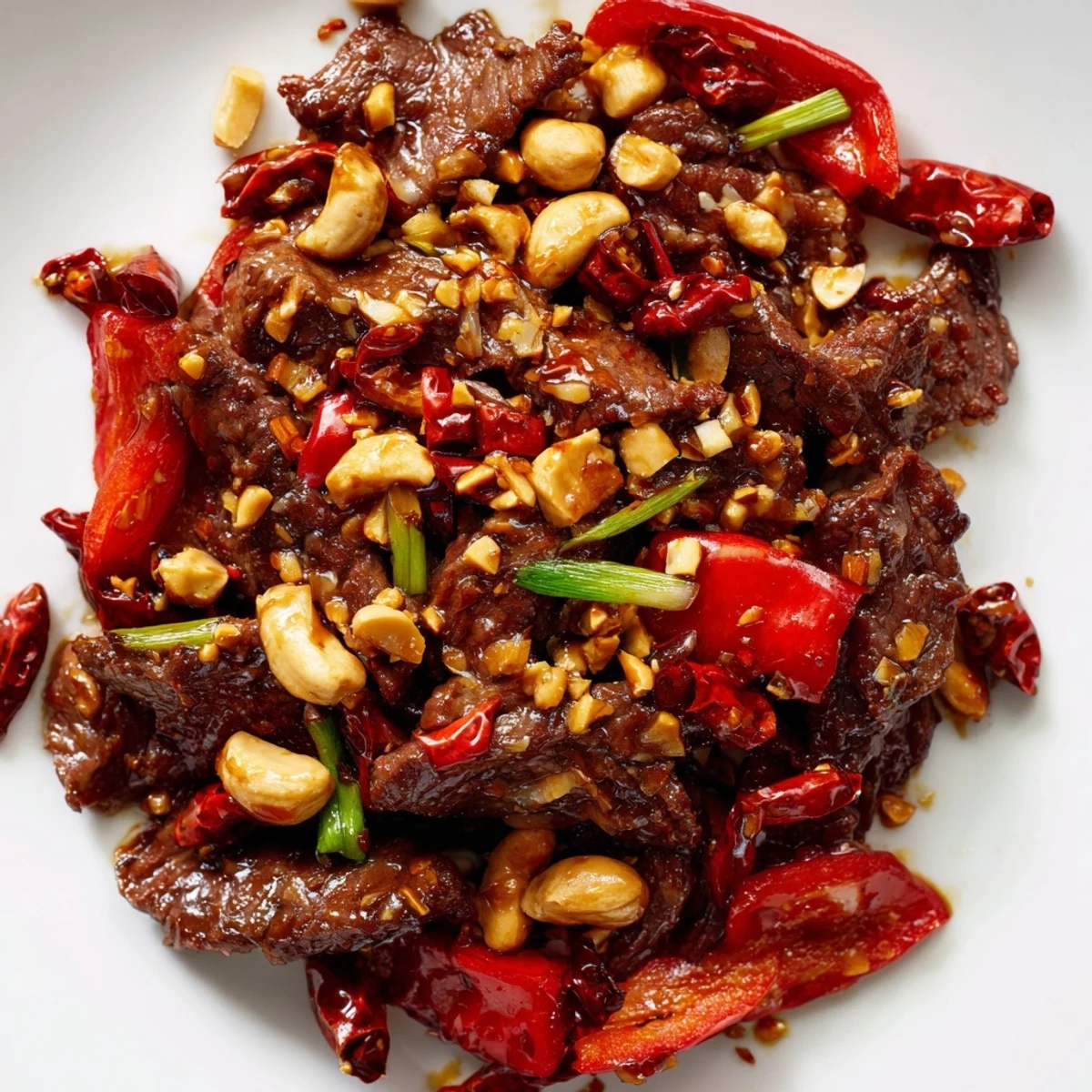
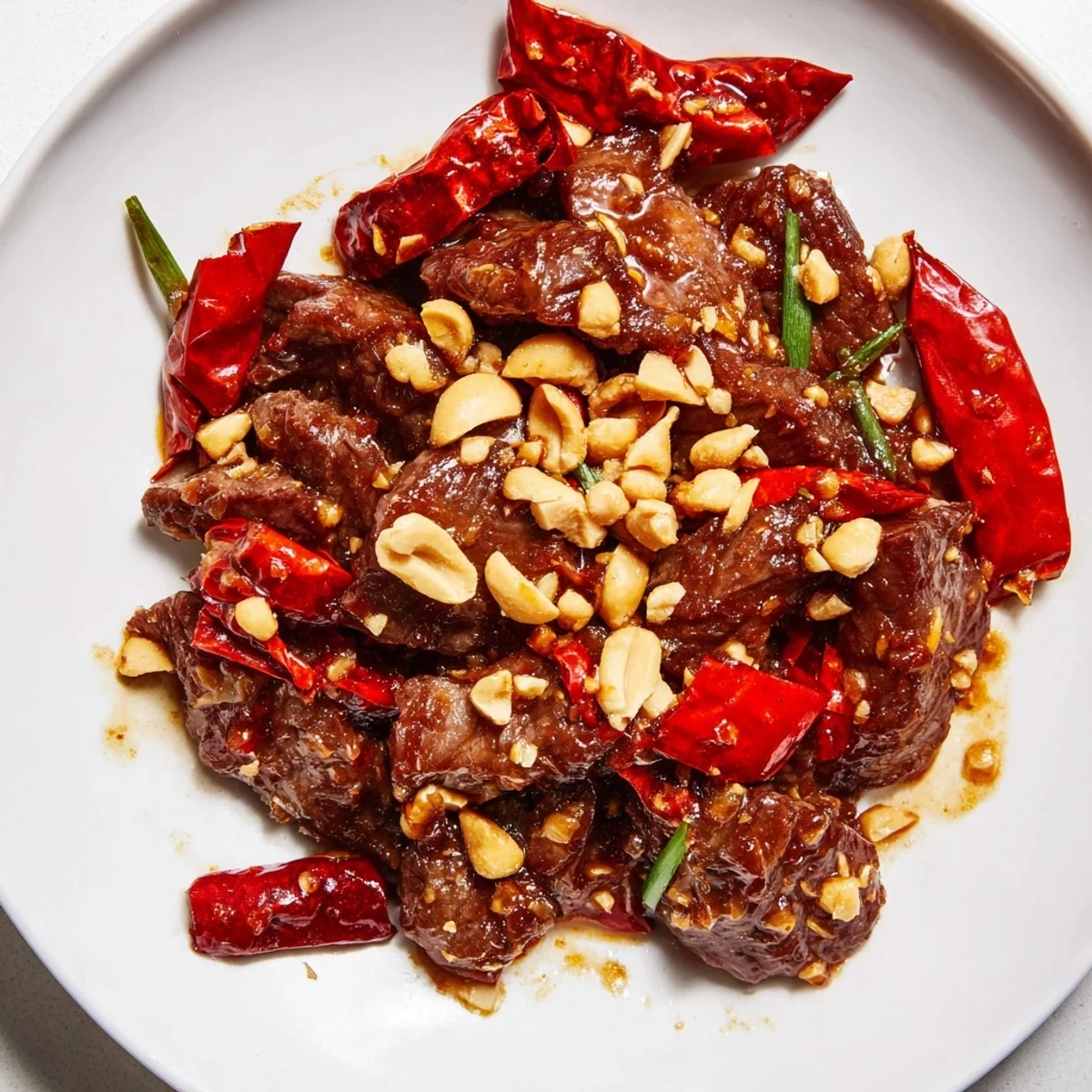
Save This dish blends tender slices of flank steak with a lively mix of Szechuan peppercorns, dried chilies, and aromatic garlic and ginger. Marinated meat is quickly seared then tossed with fresh bell peppers, scallions, and a savory sauce featuring soy and hoisin. The final touch: roasted peanuts add satisfying crunch and depth. Perfect for those craving a bold, spicy main course bursting with flavor and texture.
My neighbor knocked on my door one night holding a takeout container, asking if I could recreate the Szechuan beef she’d had downtown. The tingle on her lips was still there, she said, laughing. I pulled out my wok, not entirely sure I remembered the order of things, but the smell of toasted peppercorns brought it all back.
I made this for a small dinner party in late autumn, right when the air started to bite. My friend Sarah, who claimed she couldn’t handle spice, took one bite and went quiet. Then she reached for seconds. We ended up sitting at the table long after the plates were empty, just talking and sipping tea, the warmth lingering in more ways than one.
Ingredients
- Flank steak: Slicing it thin against the grain is non-negotiable, or you’ll end up chewing forever.
- Soy sauce: I use it twice, once to tenderize the beef and again to build the sauce, so don’t cheap out here.
- Shaoxing wine: It adds a subtle sweetness and depth that dry sherry can mimic, but the real thing makes a difference.
- Cornstarch: This is what gives the beef that velvety coating and helps the sauce cling.
- Vegetable oil: High smoke point is key when you’re working with a screaming hot wok.
- Red bell pepper: It brings color and a slight sweetness that cuts through the heat.
- Garlic and ginger: Fresh only, the jarred stuff just doesn’t sing the same way.
- Dried Szechuan chili peppers: I started with six my first time and worked my way up, find your own threshold.
- Szechuan peppercorns: Toast them lightly if they’ve been sitting in your pantry, it wakes up the flavor.
- Chinkiang vinegar: Dark, complex, slightly sweet, rice vinegar works but this is the secret.
- Hoisin sauce: A little goes a long way, it rounds out the sauce with a hint of sweetness.
- Toasted sesame oil: Just a teaspoon at the end transforms everything.
- Roasted peanuts: Unsalted is best so you control the seasoning, and rough chop keeps them interesting.
Instructions
- Marinate the beef:
- Toss the sliced flank steak with soy sauce, Shaoxing wine, cornstarch, and black pepper in a bowl. Let it sit for 15 minutes while you prep everything else, the meat will soak up the flavors and turn silky.
- Mix the sauce:
- Whisk together soy sauce, Chinkiang vinegar, hoisin, sugar, and sesame oil in a small bowl. Set it within arm’s reach because once the wok heats up, there’s no time to search.
- Sear the beef:
- Heat one tablespoon of oil in your wok over high heat until it shimmers. Add the beef in a single layer and let it sear without moving for a minute, then stir-fry until just browned. Pull it out and set aside.
- Bloom the spices:
- Add the second tablespoon of oil, then toss in the dried chilies and peppercorns. Stir-fry for 30 seconds until the kitchen smells like a Chengdu street corner, but watch closely so they don’t burn.
- Cook the aromatics and vegetables:
- Add garlic, ginger, onion, and bell pepper to the wok. Stir-fry for 2 to 3 minutes until the edges soften and everything glistens.
- Combine and glaze:
- Return the beef to the wok, pour in the sauce, and toss everything together until every piece is coated and glossy. The sauce should cling, not pool.
- Finish with scallions and peanuts:
- Stir in the scallions and peanuts, toss for one more minute. Serve immediately over steamed rice while it’s still crackling hot.
 Save
Save One evening, my partner came home stressed from work and barely said hello. I started this dish without asking, and by the time the peppercorns hit the oil, he was standing in the doorway, sniffing the air. We ate in comfortable silence, and halfway through, he finally exhaled.
Adjusting the Heat
I learned the hard way that more chilies doesn’t always mean better. Start with fewer dried peppers and taste as you go, you can always add heat but you can’t take it back. The Szechuan peppercorns bring that signature tingle, so even if you dial down the chilies, keep the peppercorns in play. If someone at your table is spice-shy, serve the peppers whole so they can push them aside.
Choosing Your Protein
Flank steak is my go-to because it’s affordable and takes marinade well, but I’ve also used sirloin and even pork tenderloin with great results. Chicken thighs work too, though they need a minute or two longer in the wok. Whatever you choose, slice thin and against the grain, that’s the real trick to tenderness.
Serving Suggestions
Steamed jasmine rice is classic, but I’ve also served this over crispy chow mein noodles when I wanted something with more texture. A cold lager cuts through the heat beautifully, or if you’re feeling traditional, a pot of jasmine tea works wonders. Leftovers, if you’re lucky enough to have any, reheat surprisingly well in a hot skillet.
- Add a handful of snap peas or water chestnuts in step five for extra crunch.
- Drizzle a little extra sesame oil over the top just before serving if you want more fragrance.
- Double the sauce if you like things saucier, it keeps in the fridge for a week.
 Save
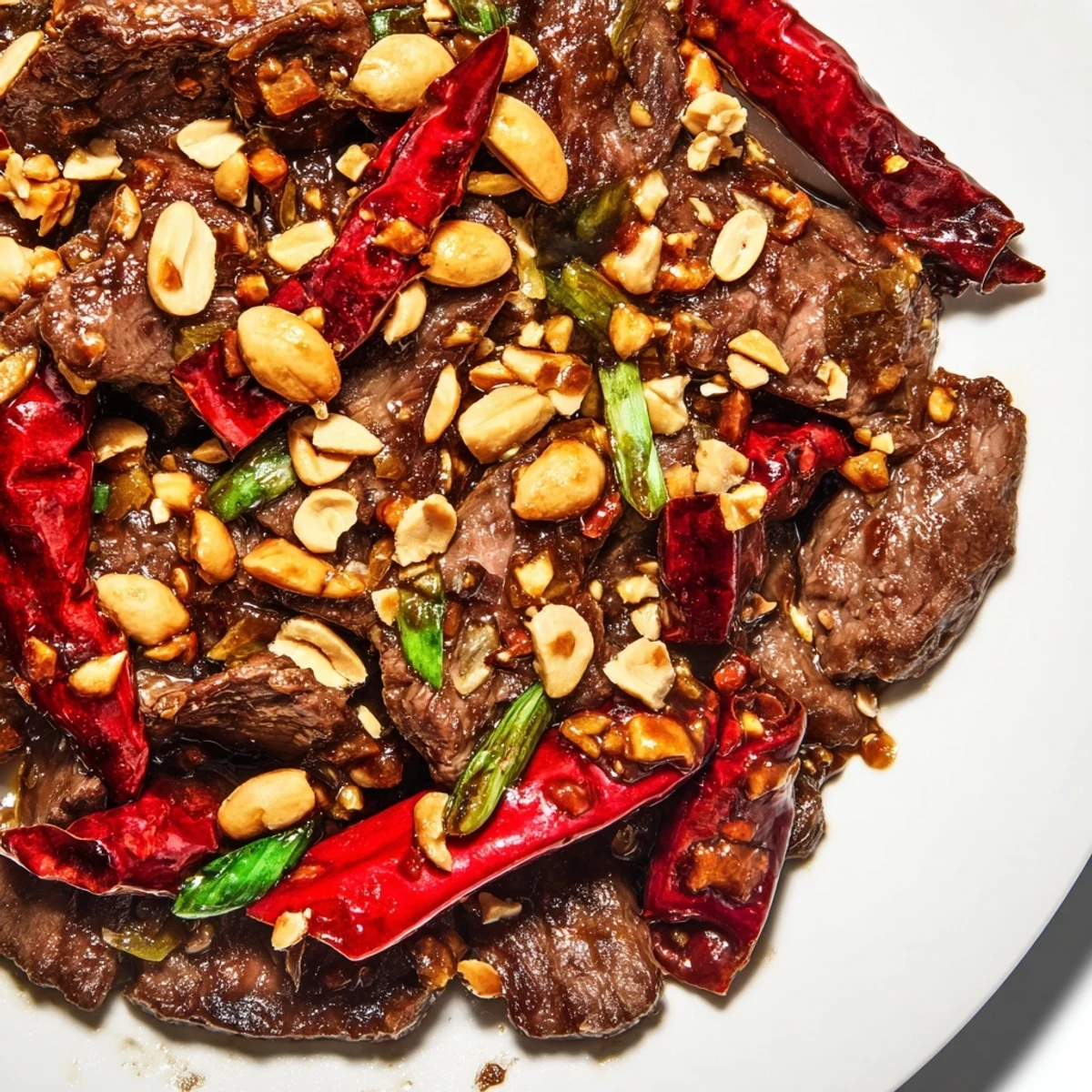
Save This dish became my answer to gray evenings and long weeks, the kind of meal that snaps you back into the moment. I hope it does the same for you.
Common Questions
- → How can I control the heat level?
-
Adjust the number of Szechuan chilies and peppercorns to increase or reduce spiciness according to your preference.
- → What cut of beef works best?
-
Flank steak thinly sliced against the grain offers optimal tenderness and quick cooking.
- → Can I substitute the peanuts?
-
Yes, roasted cashews or water chestnuts can be used for a different crunchy texture.
- → What cooking tools are recommended?
-
A wok or large skillet allows for even, high-heat cooking essential for stir-frying.
- → How to ensure the beef stays tender?
-
Marinate the beef with soy sauce, Shaoxing wine, and cornstarch before cooking to help retain moisture and tenderness.
