
 Save
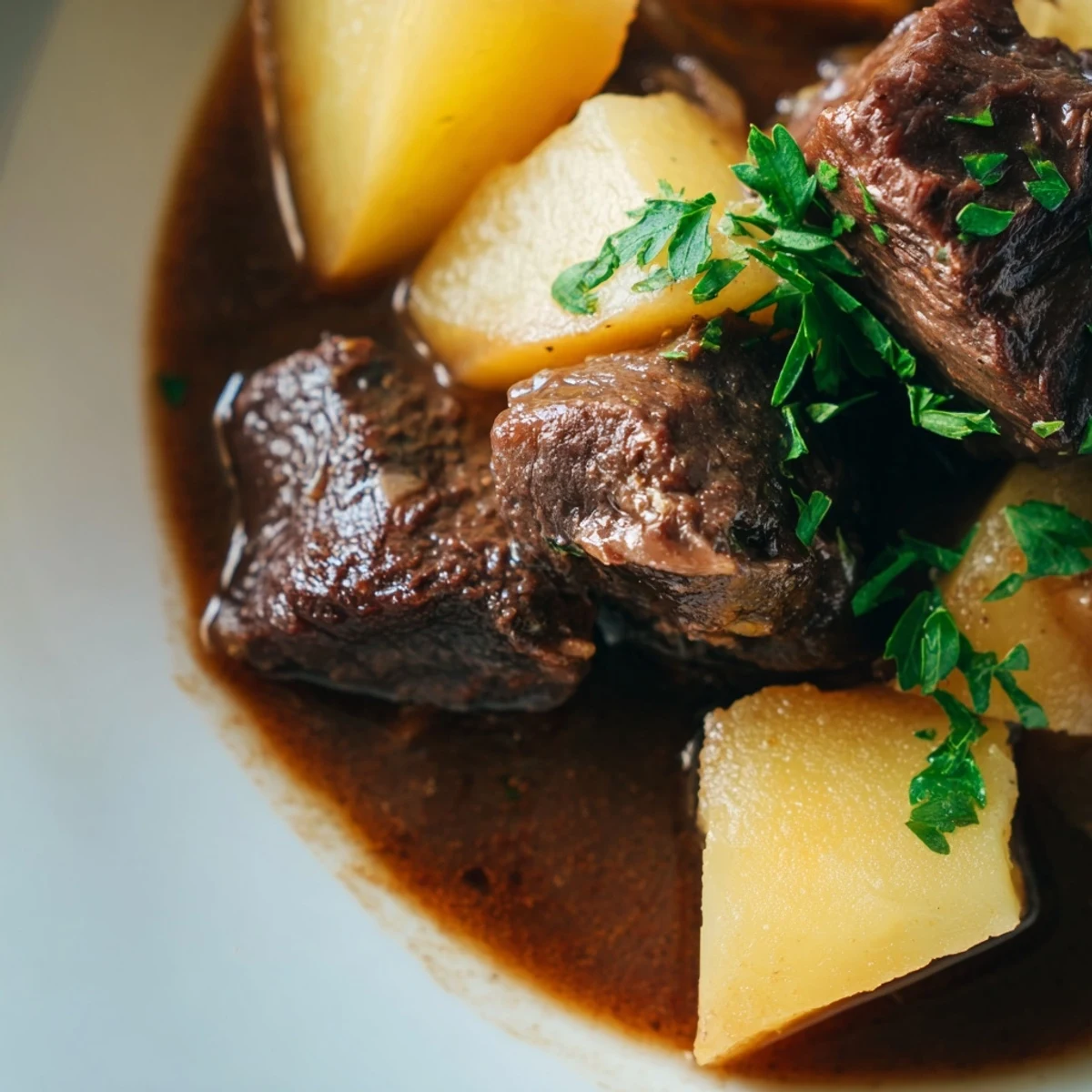
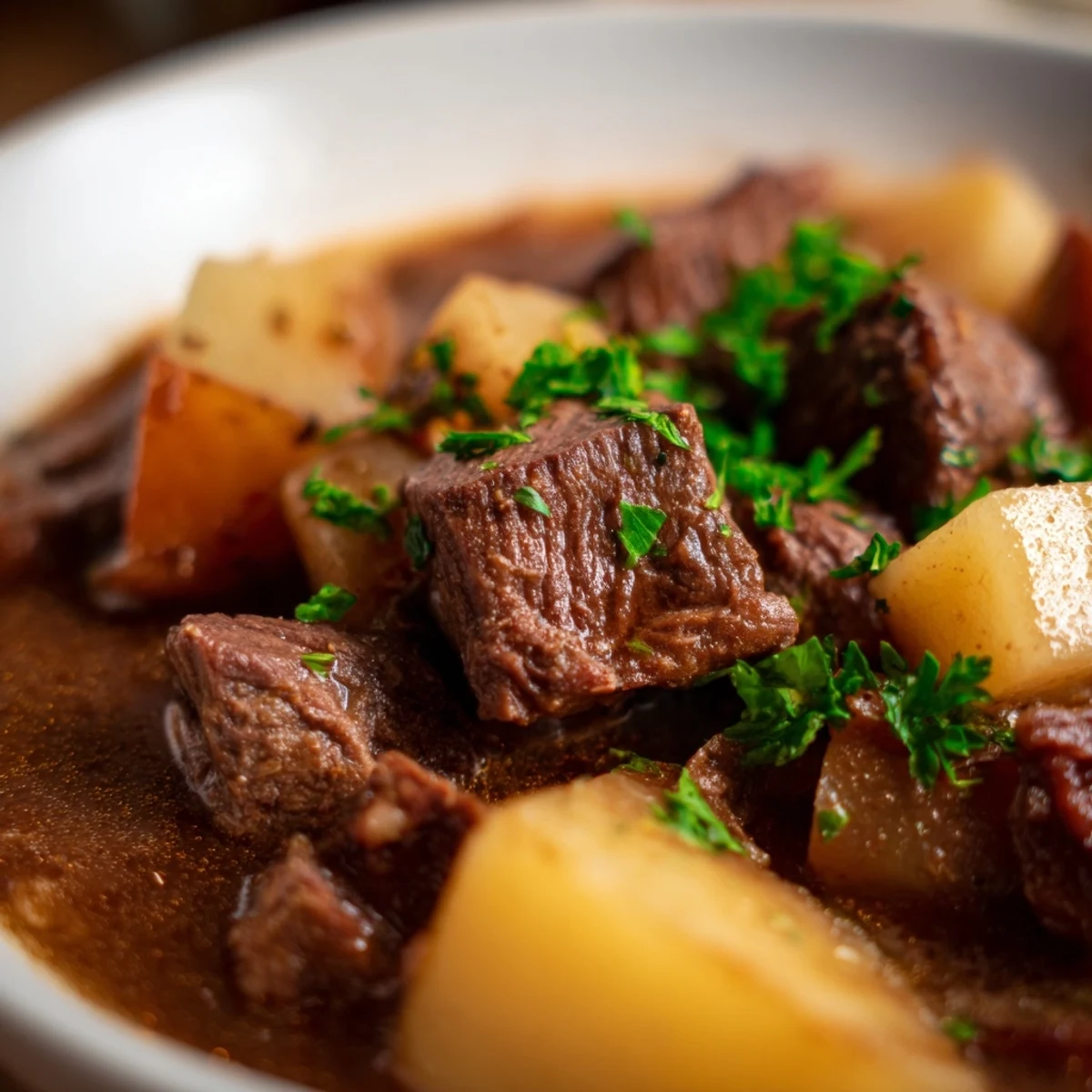
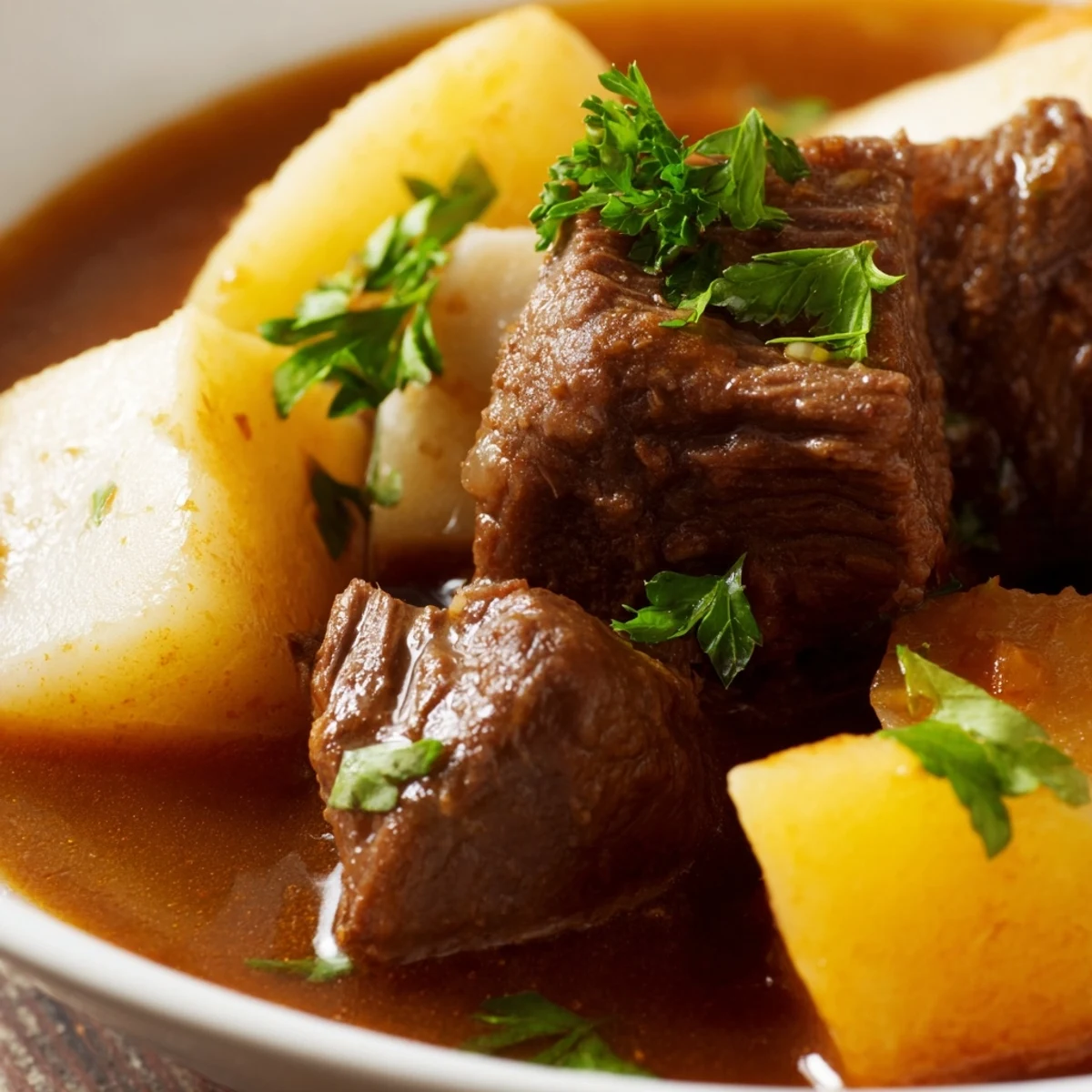
Save This dish combines tender beef chuck with a variety of root vegetables, simmered gently over hours to extract deep, comforting flavors. The slow cooking process ensures the beef is fork-tender while the carrots, parsnips, potatoes, and aromatic seasonings meld harmoniously. Optional searing adds richness, while bay leaves and fresh parsley garnish enhance the overall depth. Perfect for a filling main, it pairs wonderfully with crusty bread or creamy mashed potatoes.
There's something magical about coming home to the smell of beef stew simmering away—no fuss, no last-minute scrambling, just patience doing all the work. I discovered this slow cooker method on a chilly October afternoon when I had a tough cut of beef and absolutely no energy for elaborate cooking. Eight hours later, my kitchen smelled like a cozy restaurant, and the meat was so tender it practically fell apart with a spoon. That's when I realized slow cooking wasn't just convenient; it was transformative.
I made this for my sister's book club last winter, and something unexpected happened—nobody wanted to leave. They kept ladling more stew into their bowls, talking longer than planned, and asking for the recipe before they even finished eating. I realized it wasn't about the stew being fancy; it was about how it made everyone feel cared for, like someone had spent hours thinking about their comfort.
Ingredients
- Beef chuck (2 lbs, cubed): This cut has just enough marbling to become incredibly tender and flavorful during the long, slow cook—don't swap it for leaner cuts or you'll lose that luxurious texture.
- Carrots and parsnips (2 each, sliced): The carrots add gentle sweetness while parsnips bring an earthy, slightly nutty note that deepens as they cook down.
- Potatoes (2 medium, cubed): These become soft and creamy, thickening the broth naturally without any flour or cornstarch needed.
- Onion and celery (1 large onion, 2 stalks celery): The classic aromatic base that builds flavor from the bottom up.
- Garlic (3 cloves, minced): Mince it fine so it dissolves into the broth and seasons everything evenly.
- Beef broth (4 cups, low sodium): Low sodium lets you taste the real flavors and adjust seasoning yourself—it's worth seeking out.
- Dry red wine (1 cup, optional): It adds depth and rounds out the savory notes, but use more broth if you prefer to skip it.
- Tomato paste (2 tbsp): A small amount gives umami and richness without making the stew taste tomatoey.
- Thyme and rosemary (1½ tsp and 1 tsp, dried): These herbs are earthy and herbaceous, mellowing beautifully over eight hours into the broth.
- Bay leaves (2): Remove them before serving—they flavor the stew but you don't want anyone biting into one.
- Salt and black pepper: Start conservative and taste near the end; the broth concentrates as vegetables release liquid.
- Cornstarch slurry (optional): Mix it with cold water if you want a thicker stew in the final thirty minutes.
- Fresh parsley (2 tbsp, chopped): A bright, fresh finish that contrasts with the deep savory flavors.
Instructions
- Season and sear the beef (optional but worthwhile):
- Toss your beef cubes with salt and pepper, then brown them in batches in a hot skillet until they're golden on the outside. This step takes maybe ten minutes but builds incredible flavor through caramelization—skip it if you're truly pressed for time, but your stew will taste noticeably richer if you do it.
- Layer everything in the slow cooker:
- Transfer the seared beef (or raw, if you skipped searing) to your slow cooker, then add the carrots, parsnips, potatoes, onion, celery, and garlic in no particular order.
- Make and pour the braising liquid:
- Whisk together the beef broth, wine if using, tomato paste, thyme, rosemary, and bay leaves in a bowl, then pour it over everything. The liquid should mostly cover the vegetables and beef.
- Cook low and slow:
- Cover and set to low for 8 hours, or high for 4 to 5 hours if you're in a hurry. The beef will be fork-tender and the vegetables soft; the broth will have turned rich and dark.
- Thicken if you like (optional step):
- About thirty minutes before serving, if you want a thicker stew, stir together cornstarch and cold water to make a slurry, then stir it in and switch to high heat until it thickens slightly.
- Finish and taste:
- Fish out the bay leaves, taste the stew, and adjust salt and pepper to your liking. The flavors will have mellowed and deepened, so you might need a little more seasoning than you'd expect.
- Serve warm with garnish:
- Ladle into bowls and sprinkle with fresh parsley for color and a bright herbal note.
 Save
Save My neighbor stopped by one afternoon while this was cooking and immediately asked if she could stay for dinner. We ended up sitting at the table for three hours, talking about everything from our kids to old dreams, and the stew was somehow the perfect backdrop for it all—warm, unhurried, the kind of meal that makes time slow down in the best way.
Why Slow Cooking Changes Everything
Slow cooking isn't just about convenience, though that's certainly nice. It's about transformation—those tough, economical cuts of beef break down over hours into something silk-textured and deeply flavorful in a way that fast cooking never achieves. The vegetables don't become mushy; they soften and absorb all those savory, herbaceous notes from the broth. Your house smells incredible all day, which is its own kind of comfort.
Flexibility and Swaps
This stew loves improvisation. Don't have parsnips? Swap in turnips or sweet potatoes for different flavor notes. Want it richer? Stir in a cup of sliced mushrooms with the other vegetables—they'll add earthiness and umami. The wine is truly optional; I've made this with just beef broth on nights when I didn't have wine open, and it was equally delicious, just slightly less complex. The beauty of slow-cooking is its forgiving nature—it smooths out small variations and turns whatever you have into something satisfying.
Serving and Storing
Serve this with crusty bread for soaking up the broth, or over creamy mashed potatoes for something more substantial. It also tastes even better the next day—the flavors meld overnight and the stew becomes even silkier. Store it in the refrigerator for up to four days, or freeze portions for up to three months.
- Reheat gently on the stovetop with a splash of broth to keep it from drying out.
- Make this on a weekend when you have nowhere to be, and you'll have dinner sorted for busy weeknights ahead.
- It's the kind of dish that feels homemade and personal no matter who's eating it.
 Save
Save This stew taught me that some of the best meals aren't about impressing anyone—they're about showing up with time and care, letting the slow cooker do the thinking, and being present with the people you're feeding. That's what makes it truly nourishing.
Common Questions
- → Can I substitute the beef chuck with another cut?
-
Beef chuck is preferred for its marbling and tenderness after slow cooking, but brisket or short ribs can be used for similar results.
- → Is searing the beef necessary before slow cooking?
-
Searing adds a deeper flavor and richer color, but you can skip it for a quicker preparation without major impact on tenderness.
- → Can I omit the red wine in the cooking liquid?
-
Yes, you can replace the wine with additional beef broth without sacrificing much flavor.
- → What vegetables work well in this dish besides root vegetables?
-
While root vegetables are classic, adding mushrooms or swapping in turnips and sweet potatoes can add variety and richness.
- → How do I thicken the stew if desired?
-
Stir in a cornstarch slurry (cornstarch mixed with cold water) about 30 minutes before serving and cook on high until thickened.
