
 Save
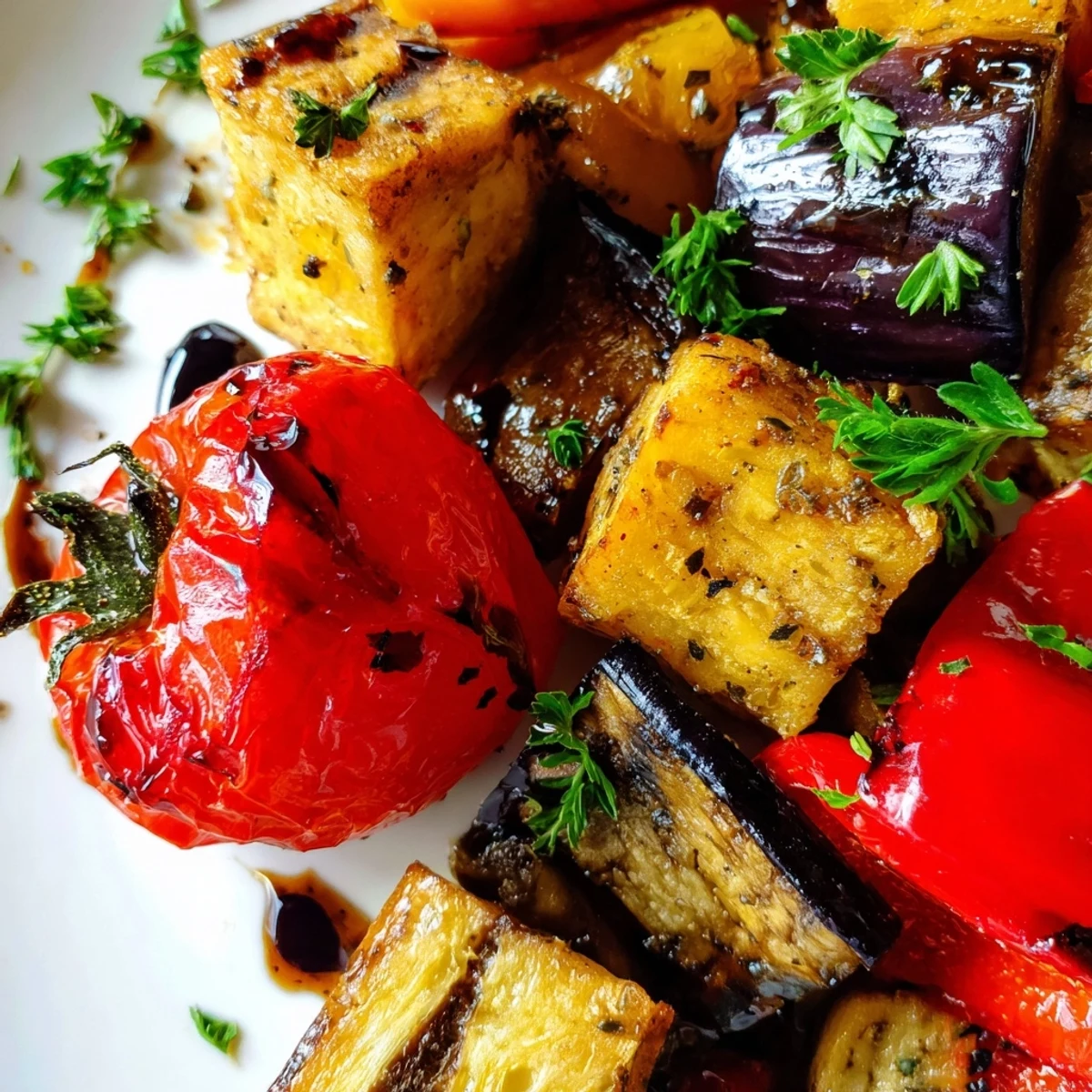
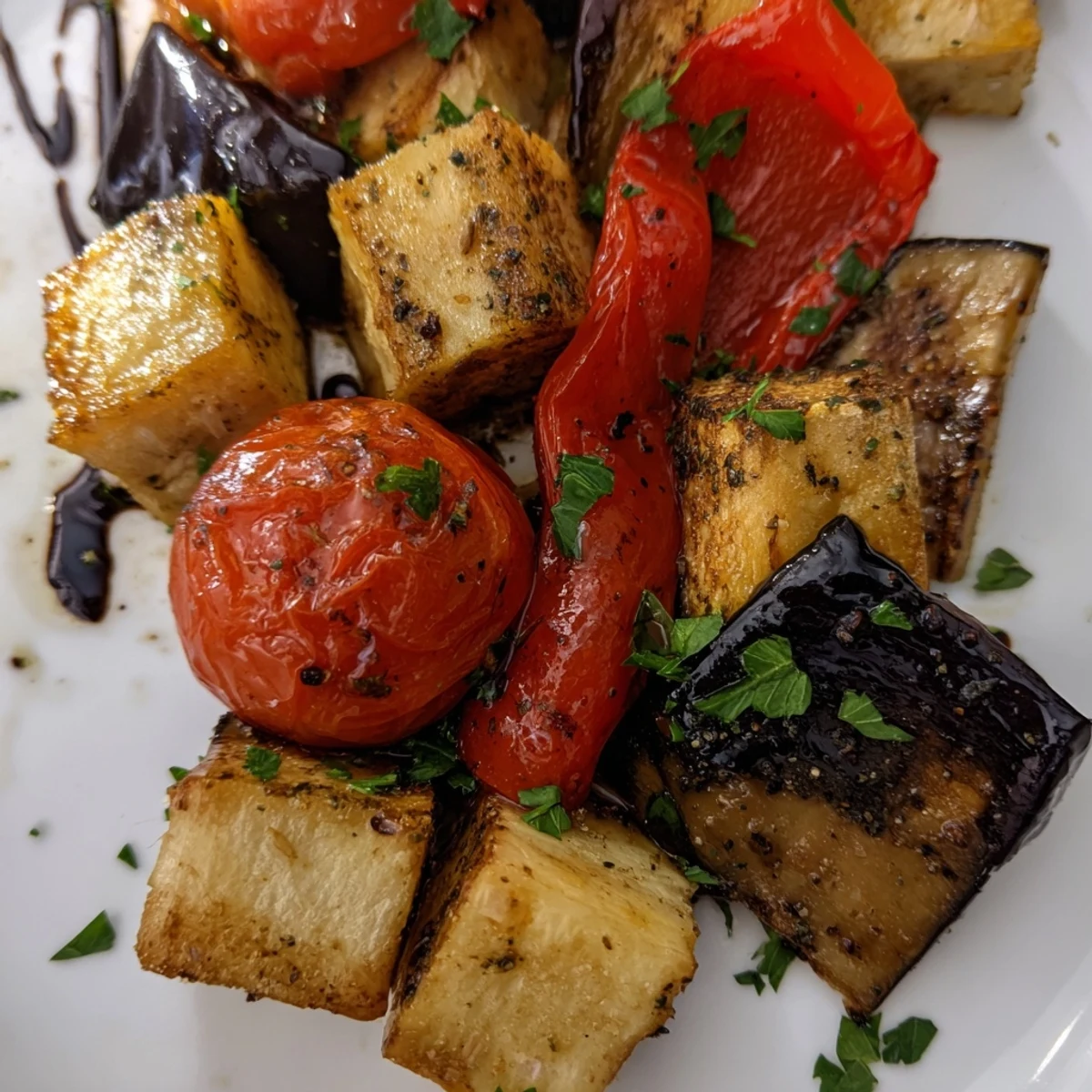
Save This vibrant medley combines an assortment of fresh seasonal vegetables like carrots, bell peppers, zucchini, eggplant, and cherry tomatoes. Coated with olive oil, garlic, and Italian herbs, the vegetables are roasted at a high temperature to develop a tender texture and natural sweetness. The final touch of balsamic vinegar and fresh parsley adds brightness and depth. This dish pairs well as a nourishing side or hearty vegetarian main, adaptable to many seasonal variations.
There's something almost meditative about the smell of vegetables roasting in a hot oven—a smell that fills your kitchen with warmth before you even taste a thing. I discovered this particular combination on a lazy Sunday afternoon when I had half a dozen vegetables sitting in my crisper drawer, all begging to be used before they got soft. What started as a practical solution became something I crave regularly, and now it's my go-to side dish when I want something that feels effortless but tastes intentional.
I made this for a dinner party once, and my friend who usually skips vegetables on her plate went back for seconds without thinking about it. Watching someone genuinely enjoy something you cooked, without hesitation or politeness, is a small victory that stays with you. That's when I realized roasted vegetables aren't just a side—they're a chance to show people that plants can be delicious.
Ingredients
- 2 medium carrots, peeled and sliced: They sweeten beautifully when roasted and need a head start, so slice them thinner than other vegetables so they cook at the same pace.
- 1 red bell pepper, cut into 1-inch pieces: The sweetness deepens with heat, and the edges char just enough to add complexity.
- 1 yellow bell pepper, cut into 1-inch pieces: Use both colors for visual interest, and yellow tends to be slightly sweeter than red.
- 1 medium zucchini, sliced: Don't slice too thin or it'll disappear into the pan; aim for roughly quarter-inch thickness.
- 1 small red onion, cut into wedges: Red onions turn almost burgundy when roasted and lose their sharp bite completely.
- 200 g (7 oz) cherry tomatoes, halved: These burst slightly during cooking, releasing juice that becomes a natural sauce, so don't skip them.
- 1 small eggplant, cut into 1-inch cubes: Salt the eggplant lightly 10 minutes before roasting if you have time; it stops them from absorbing excess oil and becomes creamy instead of greasy.
- 3 tbsp olive oil: This is your insurance policy—good oil makes everything taste better, and these vegetables need enough to caramelize properly.
- 1 tsp sea salt: Don't skip seasoning at the bowl stage; vegetables won't taste as vibrant if you wait until the end.
- ½ tsp freshly ground black pepper: Fresh ground makes a real difference here, sharper than pre-ground.
- 1 tsp dried Italian herbs: A blend of thyme, oregano, and rosemary works, or use whatever you have; dried herbs intensify when roasted.
- 2 garlic cloves, minced: Mince them small so they scatter through the vegetables and crisp up at the edges.
- 2 tbsp fresh parsley, chopped: This is optional but worth it—the fresh green and mild flavor brighten everything at the end.
- 1 tbsp balsamic vinegar: A drizzle of this at the very end adds depth and cuts through the richness with its slight tang.
Instructions
- Heat your oven and prep your pan:
- Preheat to 220°C (425°F) and line a large baking sheet with parchment paper so nothing sticks and cleanup is blissfully easy. A hot oven is your friend here—it's what gives the vegetables those caramelized edges.
- Prep and combine your vegetables:
- Chop everything into roughly 1-inch pieces so they roast evenly, then toss them all into a large bowl. Even sizing matters more than exact sizing, so don't stress if one carrot piece is slightly bigger than another.
- Dress them generously:
- Drizzle the olive oil over everything, then sprinkle with salt, pepper, dried herbs, and minced garlic. Toss everything together until each vegetable piece is coated with oil and seasoning—this is where the flavor starts, so don't skimp.
- Spread and roast:
- Spread and roast:
- Arrange the vegetables in a single layer on your baking sheet, trying not to crowd them too much so they roast instead of steam. Pop them in the oven for 30–35 minutes, stirring halfway through.
- Watch for the finish:
- You'll know they're done when the edges are golden and caramelized and a fork easily pierces the softer vegetables like zucchini. The carrots might still have a tiny bit of firmness at the center, which is perfect.
- Finish and serve:
- Pull them out and let them cool for just a minute, then drizzle with balsamic vinegar and scatter fresh parsley over top if you're using it. Serve warm, when everything is still steaming and smells incredible.
 Save
Save There was a moment when I served this to my teenage nephew, who usually wrinkles his nose at vegetables, and he asked for the recipe. Not to make it himself, but to show his roommate at college—that's when I realized this dish works because it respects the vegetables themselves, doesn't hide them, and makes them taste like the best versions of themselves.
Building Layers of Flavor
Roasting isn't just cooking—it's a transformation that brings out sugars and deepens flavors in ways raw or steamed vegetables can never achieve. The garlic becomes mellow and almost sweet, the herbs intensify, and the oil carries everything together. I've learned that the magic happens in those last 10 minutes when things go from pale to golden, so don't walk away from your kitchen when the smell starts getting really good.
Customizing to Your Season
The beauty of this dish is that it adapts to whatever's in your garden or farmers market. In winter, I swap in cubed sweet potatoes, Brussels sprouts, and parsnips; in summer, I add yellow squash and green beans. The technique stays exactly the same, but the flavor shifts with the seasons, so this recipe becomes a way to cook your way through the year rather than eating the same thing every time.
What to Serve Alongside It
This dish is flexible enough to work as a side to almost anything—roasted chicken, grilled fish, or a grain bowl—but it's also hearty enough to stand alone as a vegetarian main if you're looking for something lighter. I've rolled leftovers into wraps with hummus, served them over pasta with a squeeze of lemon, and even piled them onto crusty bread with a sprinkle of Parmesan for a quick lunch.
- A squeeze of fresh lemon juice right before serving adds brightness that makes the vegetables taste fresher.
- Toss in a handful of crumbled feta or Parmesan at the end if you want more richness and aren't keeping it vegan.
- These keep beautifully for three days in the fridge and can be reheated gently or eaten straight from cold, which makes them perfect for meal prep.
 Save
Save This recipe taught me that sometimes the simplest approach—good vegetables, good oil, high heat—creates something more satisfying than anything complicated could. It's become my proof that home cooking doesn't need to be fussy to be delicious.
Common Questions
- → What vegetables are best for this medley?
-
Use firm seasonal vegetables like carrots, bell peppers, zucchini, eggplant, cherry tomatoes, and red onion for optimal texture and flavor.
- → How do I ensure even roasting?
-
Spread the vegetables in a single layer and stir once halfway through roasting to allow even caramelization and tender results.
- → Can the herbs be substituted?
-
Yes, a mix of thyme, oregano, and rosemary works well, but feel free to experiment with fresh basil or sage for different notes.
- → How can I make the dish more flavorful?
-
Add a squeeze of lemon juice or some grated Parmesan before serving to enhance brightness and richness.
- → What sides pair well with these roasted vegetables?
-
They complement roasted meats, grains like quinoa or rice, or can be used as a filling in wraps for a complete meal.
