
 Save
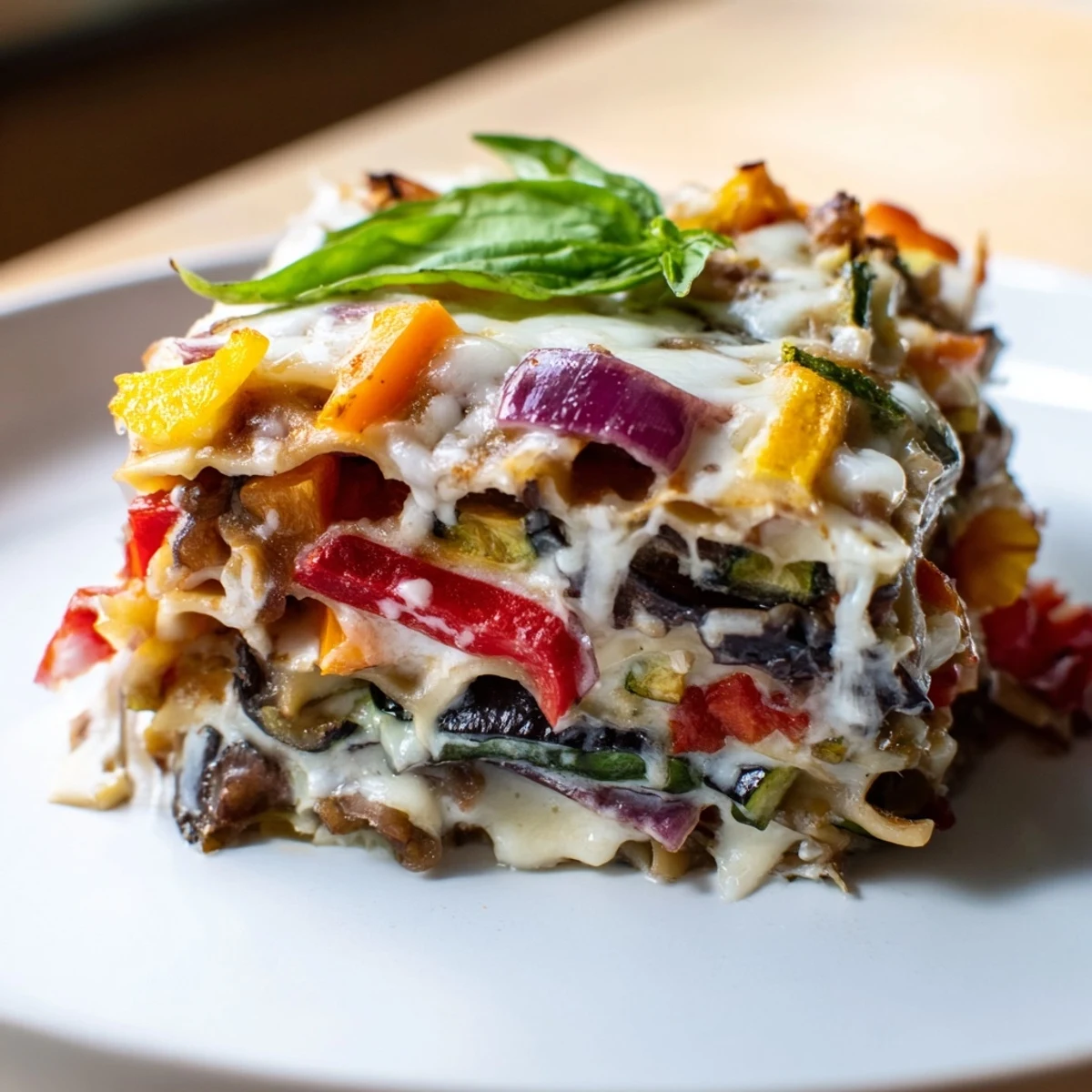
Save This dish features tender lasagna noodles layered with caramelized, oven-roasted zucchini, eggplant, peppers, and red onion. A creamy béchamel-style white sauce enriched with Parmesan cheese is spread between layers, complemented with shredded mozzarella for meltiness. Roasting the vegetables brings out natural sweetness and depth, while the white sauce adds silkiness. Baked until golden and bubbling, this hearty vegetarian Italian dish offers a comforting combination of textures and flavors, perfect for a wholesome main course.
I discovered this lasagna on a crisp autumn evening when my neighbor brought one over, still steaming, after I'd mentioned how much I missed eating hearty comfort food. The moment I tasted that creamy white sauce mingling with the sweet caramelized vegetables, I understood why she'd kept the recipe tucked away like a secret. That night, I asked for the method, and within a week, I was roasting my own vegetables and whisking my own béchamel in the kitchen, the nutmeg wafting through the air like a promise of something delicious to come.
I made this for my book club on a cold February night, and what I remember most is how the kitchen filled with the smell of caramelizing vegetables and butter and cream. One friend came in early and stood by the oven watching it bake, asking questions about technique, and I realized then that this dish had a way of making people linger. It wasn't just dinner; it was the kind of meal that made everyone slow down.
Ingredients
- Zucchini, eggplant, and bell peppers: These are your foundation, and roasting them concentrates their natural sugars into something almost caramel-like; don't skip the stirring halfway through or the edges that touch the pan will burn while the centers stay soft.
- Red onion: It becomes mellow and slightly sweet when roasted, binding all the vegetables together in flavor.
- Olive oil, Italian herbs, salt, and pepper: Season the vegetables generously before they hit the oven, because roasting concentrates flavors but also needs a confident hand with salt.
- Unsalted butter and all-purpose flour: These form your roux, the base of everything creamy; whisk the flour into the melted butter for a full minute or two to cook out that raw flour taste.
- Whole milk, warmed: Cold milk added to a hot roux can create lumps, so warm it first in a separate saucepan or even the microwave.
- Ground nutmeg: Just a whisper of this spice transforms béchamel from pleasant to memorable; don't be shy with it.
- Parmesan cheese: Use freshly grated if you can; the pre-shredded kind has anticaking agents that make the sauce grainy.
- No-boil lasagna noodles: They save time and actually soften beautifully in the oven surrounded by sauce, though regular noodles work just as well if you cook them first.
- Mozzarella cheese: It's what gets golden and bubbly on top, so buy a good quality block and shred it yourself for the best melt.
- Fresh basil: This is your finishing touch, added after baking so it stays bright and fragrant.
Instructions
- Heat your oven and prepare your pan:
- Set the oven to 425°F and line a baking sheet with parchment paper so nothing sticks. This high initial heat is what gives the vegetables those caramelized edges.
- Season and spread the vegetables:
- Toss your diced zucchini, eggplant, peppers, and onion with olive oil, Italian herbs, salt, and pepper, then spread them in a single layer on the baking sheet. Don't crowd them; they need room to brown, not steam.
- Roast until caramelized:
- Roast for 20 to 25 minutes, stirring once halfway through, until the edges are deeply golden and the vegetables are tender. You'll know they're ready when they smell sweet and slightly charred.
- Make your white sauce:
- While the vegetables roast, melt butter in a saucepan over medium heat, then whisk in flour for a full couple of minutes until it smells toasty and looks pale gold. Gradually pour in warm milk while whisking constantly to avoid lumps, then keep stirring until the sauce coats the back of a spoon, about 5 to 7 minutes total.
- Finish the sauce with flavor:
- Stir in nutmeg, salt, white pepper, and grated Parmesan cheese, then remove from heat. The sauce should taste rich and slightly silky.
- Lower the oven and begin layering:
- Reduce the oven temperature to 375°F. Spread a thin layer of white sauce on the bottom of a 9 by 13-inch baking dish, then add a layer of lasagna noodles.
- Build the layers:
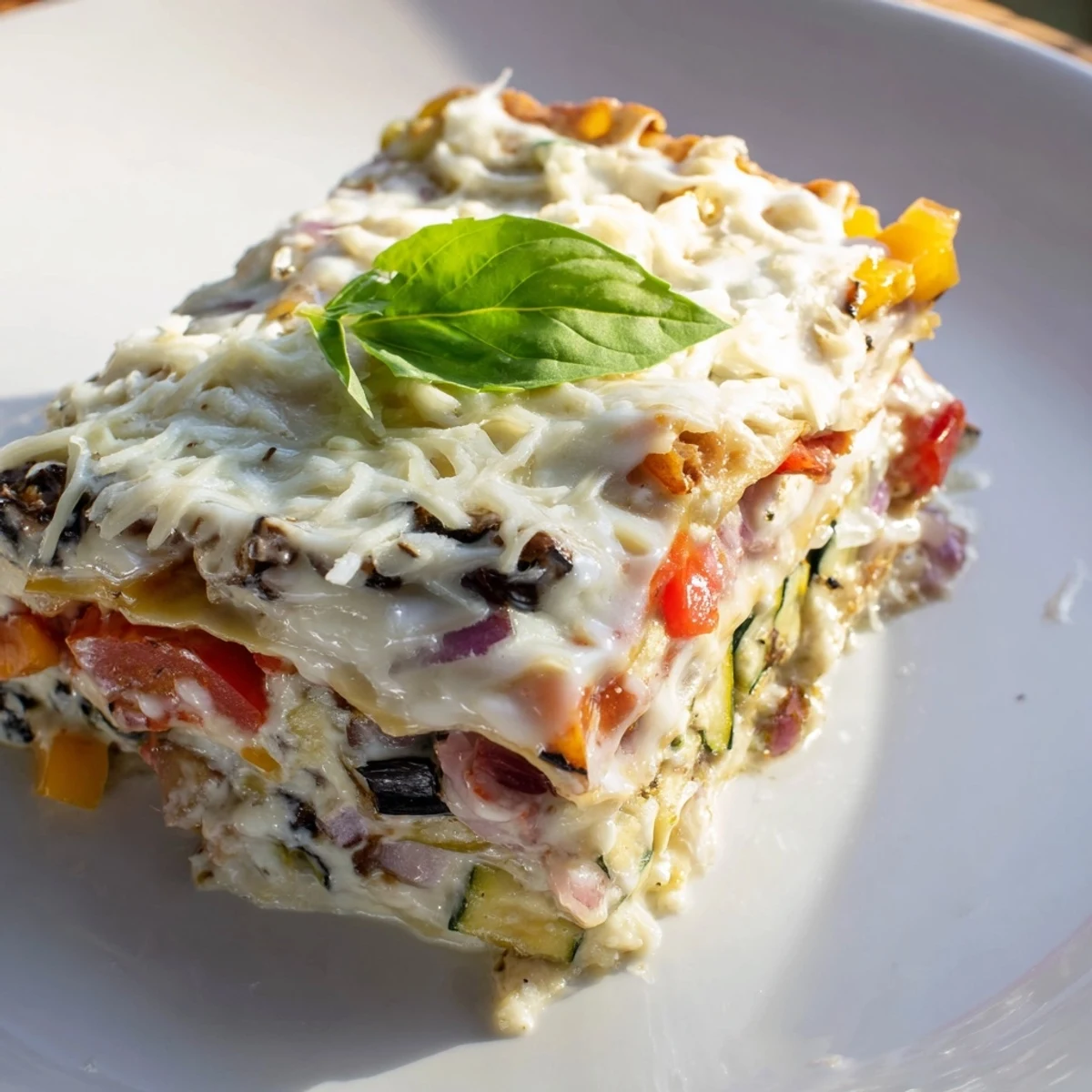
- Top the noodles with half the roasted vegetables, a third of the mozzarella, and a third of the white sauce. Repeat with another layer of noodles, the remaining vegetables, another third of mozzarella, and another third of white sauce. Finish with a final layer of noodles, all the remaining white sauce, the last of the mozzarella, and a generous handful of Parmesan on top.
- Bake covered, then uncovered:
- Cover the baking dish tightly with foil and bake at 375°F for 25 minutes, then remove the foil and bake for another 15 minutes until the top is golden and bubbling at the edges. The foil traps steam so the noodles soften, and removing it lets the cheese brown.
- Rest before serving:
- Let the lasagna sit for 10 minutes out of the oven; this gives it time to set so it doesn't fall apart when you slice it. Scatter fresh basil over the top just before serving.
 Save
Save What surprised me most about this dish was how it brought my usually rushed family to the table, forks paused mid-air, all of us quiet for a moment as we tasted it together. In that silence, I understood that food made with intention and a few good techniques can shift the whole mood of an evening.
Why This Recipe Became a Favorite
This lasagna doesn't require any exotic ingredients or hours of vigilant cooking, yet it tastes like something from a trattoria in Tuscany. The white sauce is where the magic lives; it's creamy and luxurious in a way that makes the whole dish feel special, but it's just butter, flour, and milk treated with respect. I learned that the best comfort food isn't complicated; it's careful.
Room for Your Own Touch
I've made this recipe the same way a dozen times, but I've also learned that it welcomes additions and swaps. Baby spinach wilts beautifully into the vegetable layers if you sauté it first, and roasted mushrooms bring an earthiness that makes the dish even more substantial. Once I added a handful of fresh thyme to the white sauce on a whim, and it changed everything, so don't be afraid to taste as you go and adjust to what your kitchen feels like that day.
Beyond the Oven
This lasagna pairs wonderfully with a crisp green salad dressed in lemon vinaigrette, which cuts through the richness and refreshes the palate between bites. A glass of Pinot Grigio beside it feels right, cold and slightly mineral against the warmth of the dish. If you have leftovers, they reheat gently in a 325°F oven covered with foil, and somehow the flavors deepen and meld even more as they rest.
- Make the béchamel while the vegetables roast to save time and keep everything warm.
- If you use regular lasagna noodles instead of no-boil, cook them just until al dente so they don't turn to mush in the oven.
- A mandoline makes quick work of slicing vegetables evenly, though a sharp knife and a steady hand work just as well.
 Save
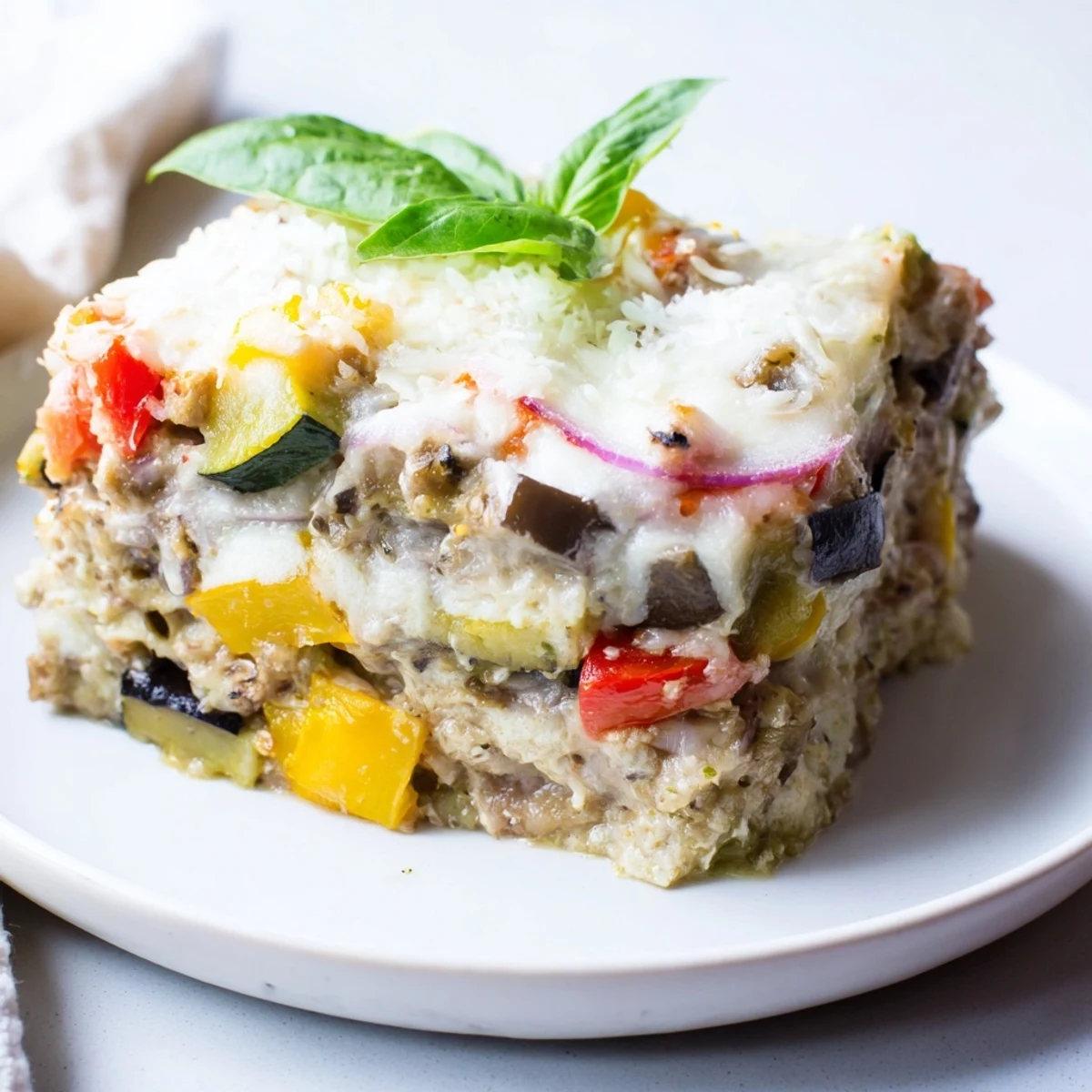
Save This is the kind of lasagna that fills a kitchen with warmth and your home with the smell of something made with care. I hope it brings that same quiet joy to your table.
Common Questions
- → How long should the vegetables be roasted?
-
Roast zucchini, eggplant, peppers, and onion for 20-25 minutes until tender and slightly caramelized for optimal flavor.
- → What is the purpose of the white sauce?
-
The white sauce acts as a creamy béchamel layer, enriching the dish with a velvety texture and balancing the roasted vegetable flavors.
- → Can I use different vegetables in this dish?
-
Yes, adding baby spinach or sautéed mushrooms can enhance flavor and variety without changing the core layering technique.
- → How do I assemble the lasagna layers properly?
-
Alternate layers of noodles, roasted vegetables, white sauce, and mozzarella cheese evenly, finishing with cheese and Parmesan on top for a golden crust.
- → Is there a gluten-free version available?
-
Substitute regular lasagna noodles and flour with gluten-free alternatives to adapt this dish for gluten sensitivities.
