
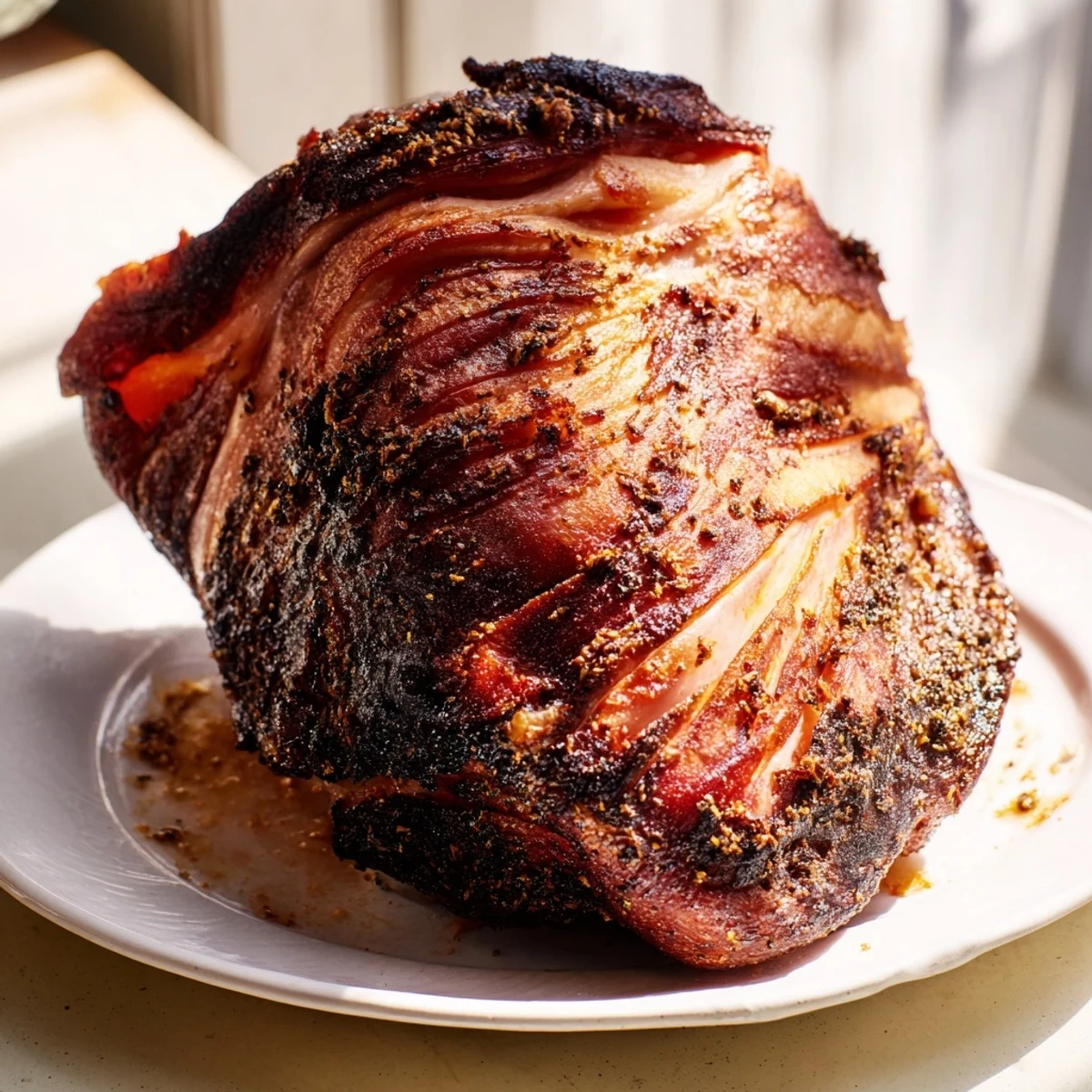
 Save
Save This roasted turkey breast delivers juicy, tender meat with a crispy golden skin enhanced by aromatic herbs like thyme, rosemary, and paprika. The marinade blends olive oil, garlic, lemon zest, and spices, while garlic, onion, carrot, and celery add deep flavor during roasting. Cooked at moderate heat and finished with a higher temperature, the turkey rests before slicing to preserve juiciness. Ideal for holiday gatherings or comforting dinners, it's easy to prepare and gluten-free.
I remember the first time I roasted a turkey breast instead of wrestling with a whole bird—it was a quiet Sunday afternoon when my sister called to say she was bringing her new family over for dinner. I had maybe two hours to pull together something that felt special without the stress. That's when I discovered that a golden, herb-rubbed turkey breast could deliver all the elegance and comfort of a traditional roast in half the time. The kitchen filled with the most incredible aroma of rosemary and thyme, and I knew right then that this would become my go-to whenever I wanted to impress without the anxiety.
I'll never forget watching my nephew's face light up as he took that first bite—he couldn't believe something this tender and flavorful came from my kitchen. That's when cooking stopped being about following instructions and started being about creating moments that stick with people.
Ingredients
- 1 boneless, skin-on turkey breast (3–4 lbs): This is your star—ask your butcher for one with the skin still attached, as that's where the crispy, golden magic happens. The skin protects the meat and renders to absolute perfection.
- 3 tablespoons olive oil: This becomes your base for the seasoning paste and helps the skin brown beautifully. Don't skimp on quality here; it makes a real difference.
- 2 teaspoons kosher salt: Season generously—kosher salt won't oversalt like table salt would. This is essential for bringing out the turkey's natural flavor.
- 1 teaspoon freshly ground black pepper: Fresh grinding matters because the oils in the peppercorns are what give you that warm bite.
- 2 teaspoons garlic powder, 1 teaspoon onion powder: These create a savory foundation that builds flavor throughout the roasting process without adding moisture.
- 1 teaspoon each dried thyme and rosemary: Dried herbs actually concentrate their flavors when roasted, so they're perfect here. If you have fresh herbs and want to tuck them under the skin, even better.
- 1 teaspoon paprika: This gives you color and a subtle smokiness that guests always ask about.
- 1 lemon (zested and juiced): The zest adds brightness to your paste, and the juice tenderizes the meat while adding complexity.
- 3 minced garlic cloves, 1 small quartered onion, 1 chopped carrot, 1 chopped celery stalk: These aromatics flavor the pan juices and create the foundation for gravy—they're not optional, trust me.
- 1 cup low-sodium chicken broth: This prevents the pan from drying out and becomes the base for your sauce. Low-sodium lets you control the salt.
Instructions
- Prepare your oven:
- Set it to 350°F (175°C) and give it time to fully preheat. A properly heated oven is non-negotiable for even cooking and that crispy skin you're after.
- Dry the turkey:
- Pat that turkey breast completely dry with paper towels—moisture is the enemy of crispy skin. Don't be shy; get it really dry. Place it skin-side up on a rack in your roasting pan so air can circulate underneath.
- Make your magic paste:
- Combine the olive oil, salt, pepper, garlic powder, onion powder, thyme, rosemary, paprika, lemon zest, and lemon juice in a small bowl. Stir it together until it looks like a thick paste. This is where all your flavor lives.
- Season generously:
- Rub that paste all over the turkey breast—under the skin where you can reach, over the skin, on the sides. Use your fingers and don't hold back. This is the moment that sets the tone for everything that follows.
- Build your roasting bed:
- Scatter the minced garlic, onion pieces, carrot, and celery around the turkey in the pan. Pour the chicken broth around (not over) the turkey. These vegetables will caramelize and infuse the pan juices with incredible flavor.
- Roast with patience:
- Slide it into the oven for 1 hour to 1 hour 15 minutes. A meat thermometer is your friend here—you're looking for 165°F (74°C) in the thickest part. About halfway through, use a basting brush or spoon to baste the turkey with the pan juices. This keeps it moist and helps develop that golden skin.
- The golden finish:
- If the skin isn't a deep golden brown by the end, bump the oven up to 425°F (220°C) for the last 10 minutes. Watch it closely—this is just enough time to achieve that beautiful crispiness without drying anything out.
- Rest like you mean it:
- Remove the turkey from the oven and cover it loosely with foil. Let it rest for 15 minutes—I know it's hard to wait, but this is when the magic happens. The juices redistribute, and when you cut into it, you'll understand why this step matters so much.
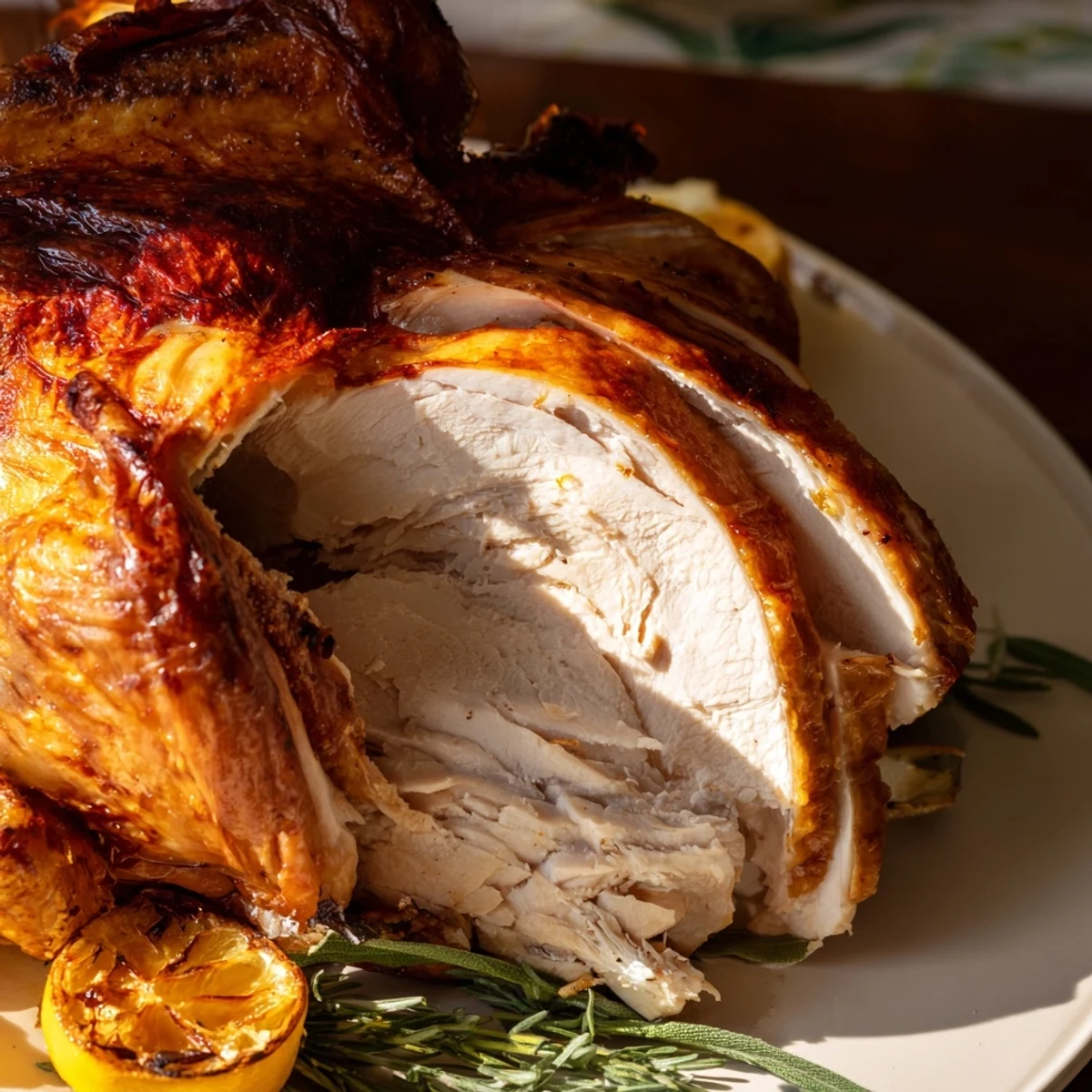 Save
Save There's something profoundly comforting about pulling a perfectly roasted turkey breast from the oven, the whole kitchen glowing with warmth and the smell of herbs and caramelized vegetables. That's when you realize this isn't just dinner—it's an invitation you're extending to everyone at your table to slow down and enjoy something made with care.
Making the Most of Your Pan Drippings
After you remove the turkey and let it rest, that pan is still hot and full of opportunity. Strain out the vegetables and aromatics, then pour those precious juices into a saucepan. You can serve them as a simple jus, or if you want to go the extra mile, whisk in a cornstarch slurry to thicken it into gravy. The flavor is so much richer and more authentic than anything from a packet, and your guests will taste the difference immediately.
Pairing Sides That Let This Shine
A roasted turkey breast is flexible enough to work with almost anything, but it's especially beautiful alongside sides that complement its richness. Buttered root vegetables, creamed spinach, fresh cranberry sauce, or a bright green salad all work beautifully. The key is to include at least one fresh or acidic element to cut through the richness and keep the meal from feeling heavy. I've found that roasted brussels sprouts tossed with balsamic vinegar and a wild rice pilaf create the perfect balance.
- Let the turkey be the star—keep other main components simple so every flavor on the plate has room to breathe
- Always have something bright (a salad, pickled vegetables, or citrus) to cut the richness
- If you're making gravy, a little fresh thyme on top makes it look restaurant-quality
Leftover Magic and Storage
The best part about roasting a turkey breast is that the leftovers are even better than the original meal. Sliced cold with good bread, sharp mustard, and cranberry sauce, it's the kind of sandwich that makes you secretly hope there's extra turkey in the fridge. Wrapped tightly, it keeps for up to four days in the refrigerator, and it freezes beautifully for up to three months if you wrap it well. I've turned leftover turkey into salads, grain bowls, turkey salad, and even shredded it for enchiladas—it's endlessly versatile.
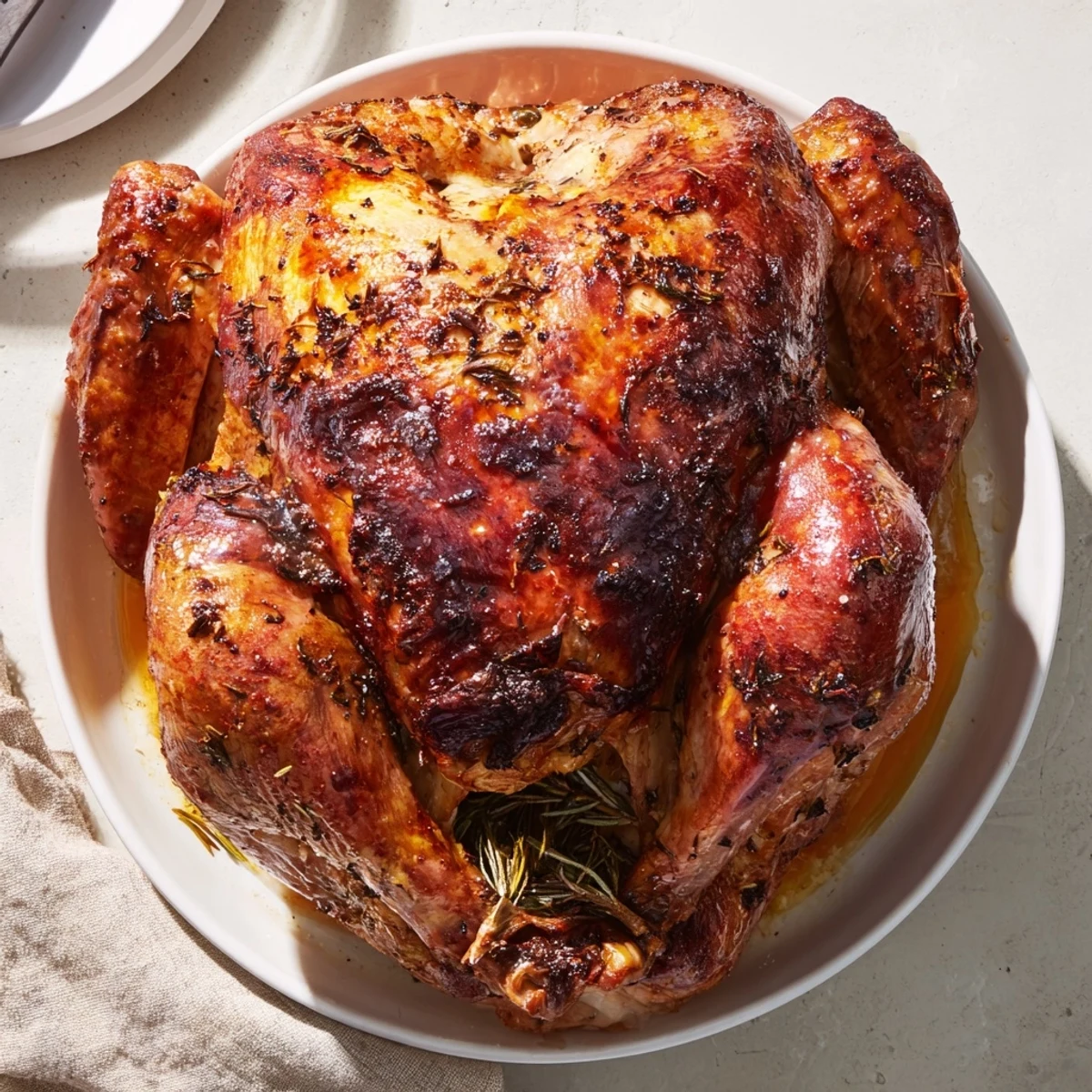 Save
Save This recipe has become my secret weapon for looking like I spent all day cooking when I really spent just over an hour. More importantly, it's taught me that simple, quality ingredients and a little patience create memories that last long after the meal is finished.
Common Questions
- → How do I ensure the turkey breast stays juicy?
-
Allow the turkey to rest covered after roasting to let juices redistribute, keeping the meat moist and tender.
- → What herbs enhance the flavor best?
-
Thyme, rosemary, and paprika create a balanced aromatic profile that complements the turkey's natural taste.
- → Can I use bone-in turkey breast instead?
-
Yes, but cooking times may vary; bone-in pieces generally require longer roasting for even doneness.
- → What temperature should the oven be for roasting?
-
Start roasting at 350°F (175°C) and finish at 425°F (220°C) if needed, to achieve a crispy skin.
- → Are there any tips to boost flavor?
-
Stuffing fresh herbs under the skin before cooking infuses additional aromatic notes throughout the meat.
