
 Save
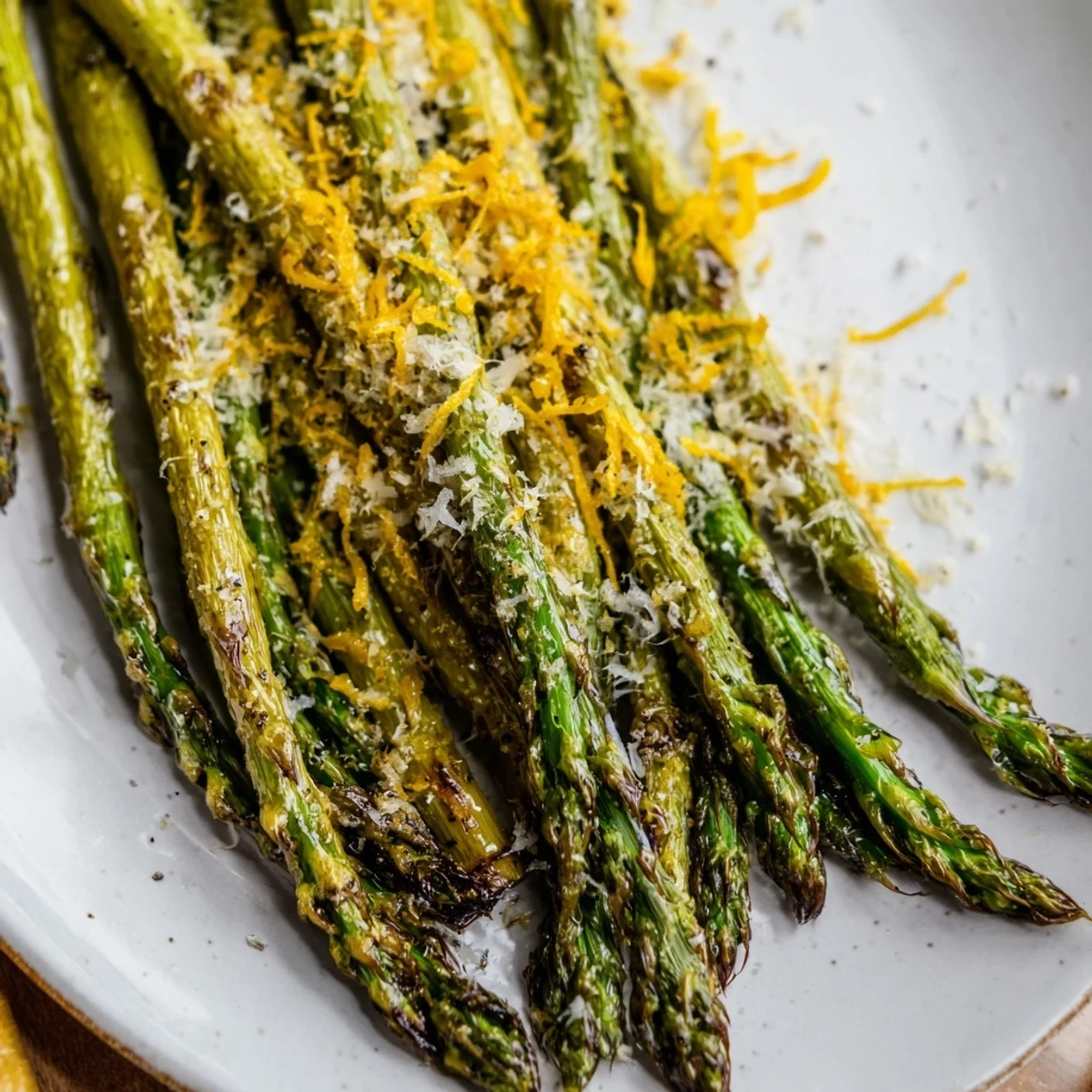
Save This elegant side features fresh asparagus roasted until tender and lightly browned, then finished with nutty Parmesan cheese and zesty lemon. Olive oil, salt, and pepper enhance the natural flavors, while fresh lemon juice adds brightness. Perfectly simple and quick to prepare, it complements a variety of main dishes and fits vegetarian and gluten-free preferences.
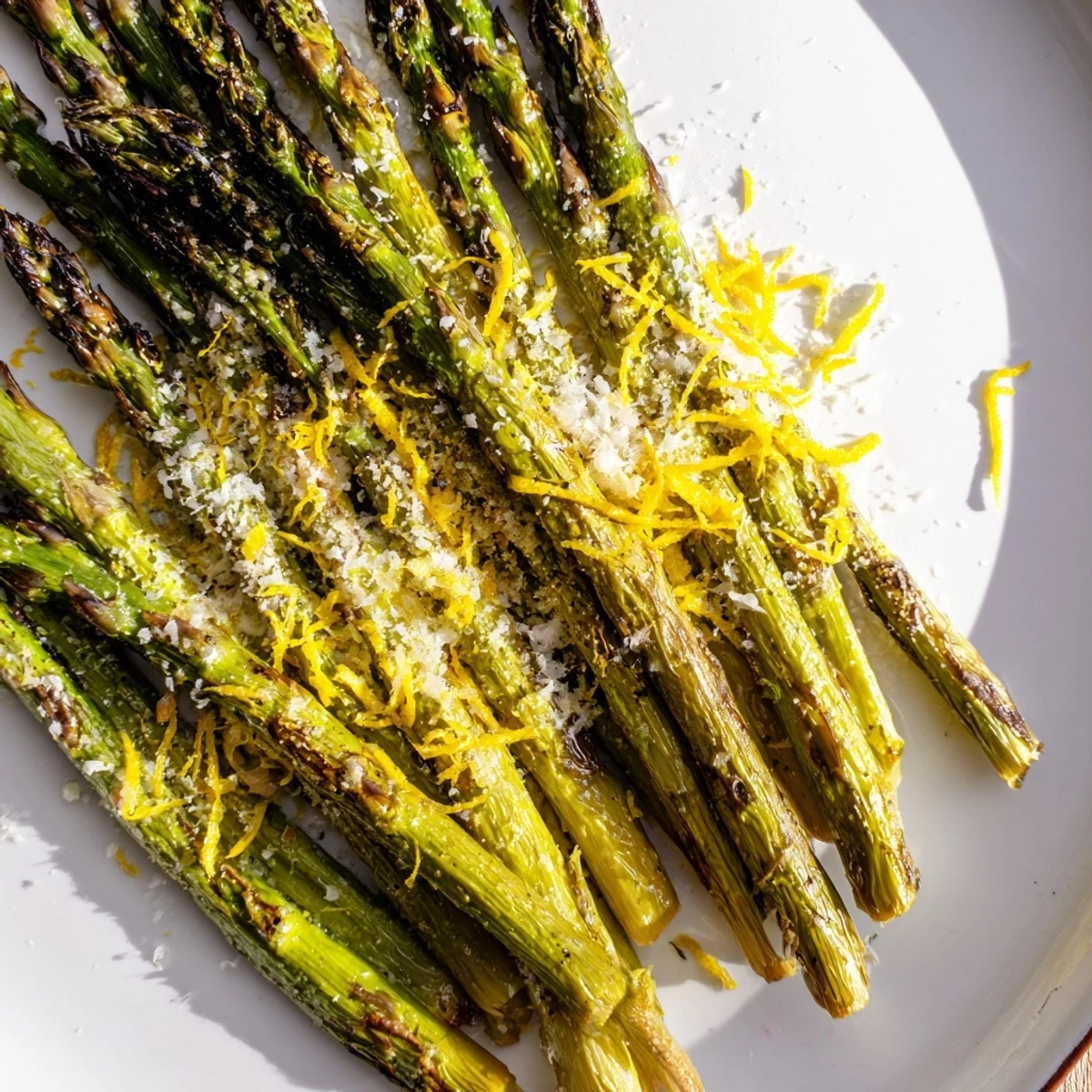
There's something about spring that makes me crave asparagus—not the sad, soggy kind from the grocery store in January, but those first tender spears from the farmers market when the season finally turns green. My neighbor brought over a bunch one April evening, still damp with morning dew, and challenged me to make something that didn't involve cream or complicated technique. This recipe was born from that conversation, roasted hot and tossed with nothing but good olive oil, salt, and a final shower of Parmesan and lemon zest that catches the light like edible confetti.
I made this for my mother-in-law's birthday dinner last spring, and she actually set her fork down mid-meal to ask how I'd made the asparagus taste so alive. It's one of those dishes that proves simplicity isn't laziness—it's knowing exactly which flavors belong together and trusting them to do their work.
Ingredients
- Fresh asparagus (1 lb): Look for spears that are bright green and snap cleanly when you bend them, not the ones that feel limp or flabby at the tips—those are days old.
- Olive oil (2 tbsp): Use something you'd taste on its own, not the cheap industrial stuff; the flavor matters here since there's nowhere for it to hide.
- Kosher salt and freshly ground black pepper: The coarseness of kosher salt lets you feel how much you're using, and fresh pepper transforms this from bland to brilliant.
- Parmesan cheese (1/4 cup grated): Buy a wedge and grate it yourself on a Microplane if you can—it's fluffier and melts more elegantly than the pre-grated version.
- Lemon zest and juice: One fresh lemon is non-negotiable; bottled lemon juice tastes sad and metallic by comparison.
Instructions
- Get your oven screaming hot:
- Preheat to 425°F and line a baking sheet with parchment paper so nothing sticks. You want the oven genuinely hot so the asparagus gets those golden-brown tips instead of steaming into submission.
- Prepare the asparagus:
- Arrange the spears in a single layer, trimmed at the woody base. This matters—one layer means everything roasts instead of piling on top of itself.
- Coat and season:
- Drizzle with olive oil and toss with salt and pepper until every spear glistens. Don't be shy with seasoning; vegetables need more than you think.
- Roast until golden:
- Twelve to fifteen minutes, depending on thickness—you're looking for tender flesh and lightly charred, caramelized tips. Set a timer and don't walk away completely; there's a small window between perfect and overdone.
- Finish with fire:
- Right out of the oven, scatter the grated Parmesan and lemon zest over the hot asparagus so the cheese softens just barely from the residual heat. Then drizzle with fresh lemon juice to wake everything up.
 Save
Save I realized this was more than just a side dish the moment my daughter, who usually pushes vegetables around her plate, ate almost every piece without being asked. Some food is just nourishment; other food becomes a small bridge between people at the table.
Why Spring Asparagus Matters
Asparagus is one of the vegetables that actually tastes different depending on when you buy it—early season spears are tender and delicate, while late spring ones are thicker and earthier. If you're roasting this in April or May, you're getting the best version of the vegetable, the one that needs almost nothing to shine. The rest of the year, you can make this dish too, but it won't quite be the same magic.
The Parmesan and Lemon Dance
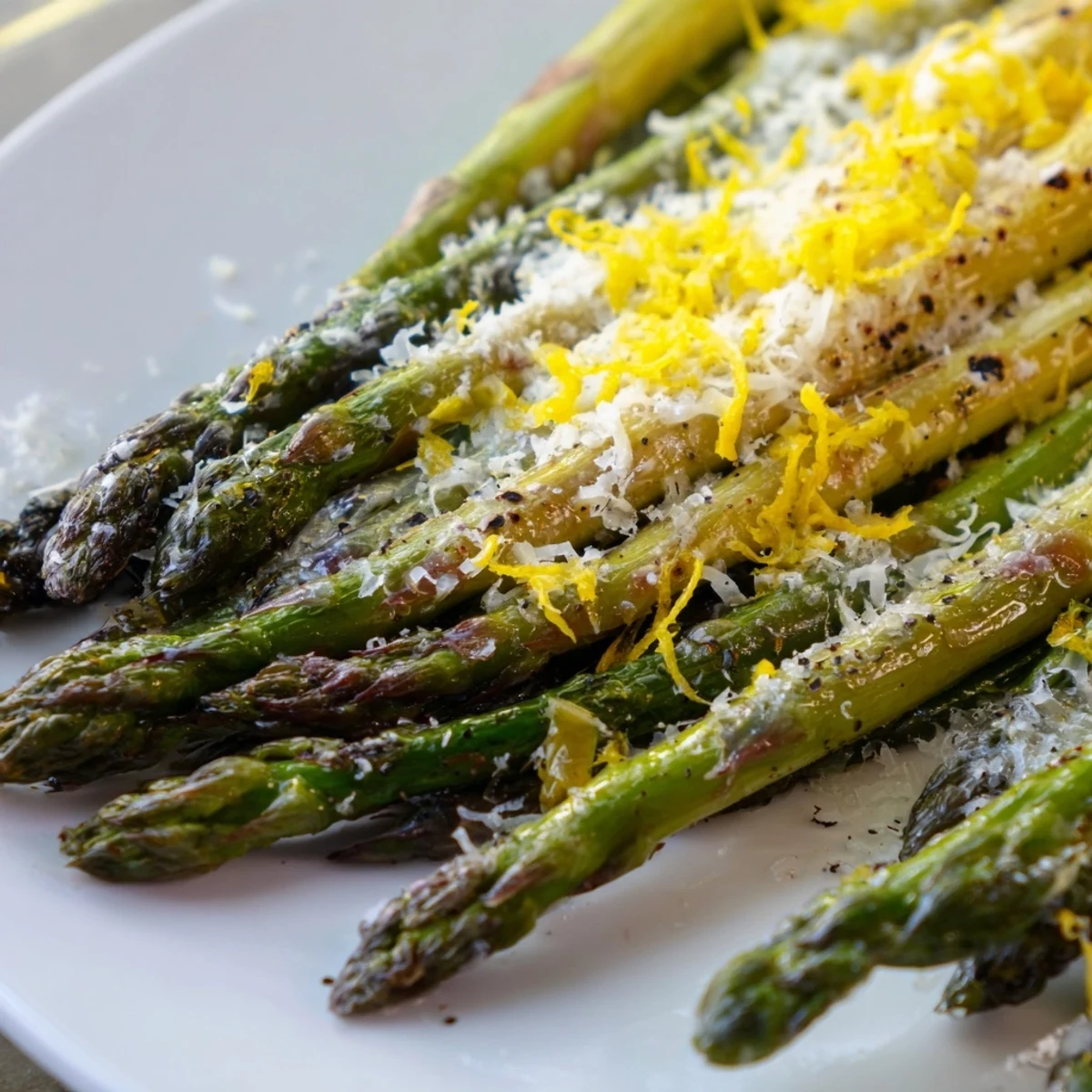
These two flavors seem like opposites—one salty and aged, the other bright and acidic—but they're actually perfect partners. The Parmesan gives weight and umami depth, while the lemon cuts through with clarity and prevents everything from tasting heavy. It's the kind of balance that only works if you don't overthink it, which is exactly why this recipe is so reliable.
Variations and Serving Ideas
This base recipe is flexible enough to bend without breaking. Try toasting a handful of pine nuts and scattering them over the top for crunch, or add a tiny pinch of red pepper flakes for heat that surprises. Serve it warm straight from the pan, or let it cool to room temperature for a different kind of elegance.
- Toasted pine nuts add richness and keep the dish feeling textured and interesting instead of smooth.
- A sprinkle of red pepper flakes gives a whisper of heat that makes the lemon sing even brighter.
- For vegan diets, nutritional yeast works beautifully in place of Parmesan—use the same amount and add it at the same moment.
 Save
Save This dish proves that some of the best meals come from knowing three or four ingredients well enough to trust them completely. Make it as often as asparagus shows up in season, and you'll find yourself reaching for it before you even decide what the rest of dinner should be.
Common Questions
- → What temperature is best for roasting asparagus?
-
Roasting at 425°F (220°C) ensures the asparagus cooks evenly, developing a tender inside with lightly browned edges.
- → Can I substitute Parmesan with a non-dairy option?
-
Yes, nutritional yeast works well to replicate Parmesan’s nutty flavor for a vegan alternative.
- → How do I know when asparagus is done roasting?
-
Asparagus is done when it’s tender while still slightly crisp and shows light browning on the surface.
- → What additional toppings enhance roasted asparagus?
-
Toasted pine nuts or a sprinkle of red pepper flakes add texture and a flavor boost.
- → What are good dishes to serve alongside roasted asparagus?
-
It pairs well with roast chicken, grilled fish, or Mediterranean-inspired main courses.
