
 Save
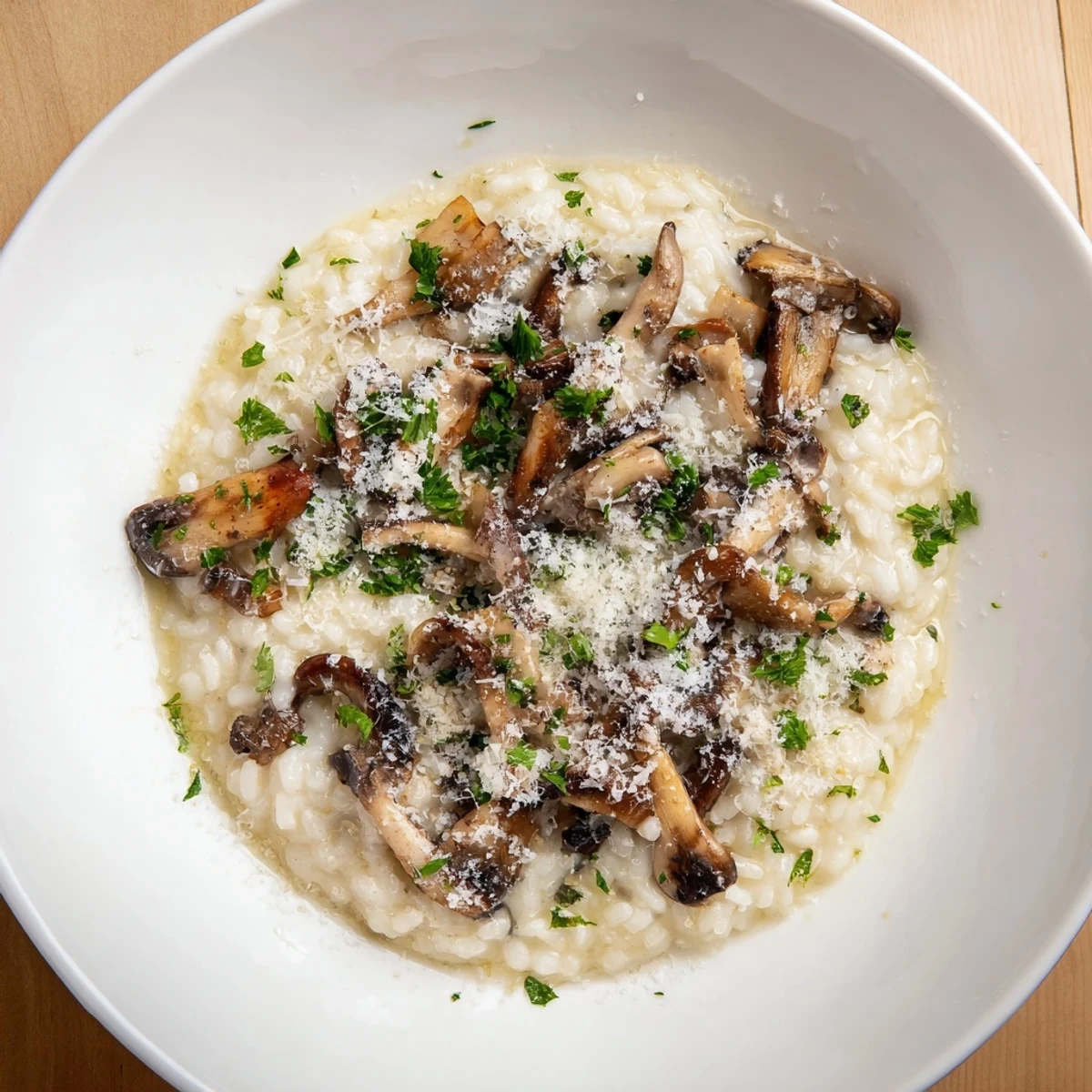
Save Enjoy this creamy Italian Arborio rice dish infused with sautéed mixed mushrooms and a hint of white wine. Cooked slowly with warm vegetable stock, the rice is rich and tender, absorbing all the savory flavors. Finished with butter, Parmesan, and fresh parsley, it offers a comforting and elegant plate ideal for cozy dinners or side servings.
There's something almost meditative about standing at the stove, ladle in hand, coaxing rice into creaminess one careful pour at a time. I learned to make risotto on a rainy October afternoon when my sister arrived unannounced with a bag of mushrooms from the farmer's market, and we decided to turn them into something warm and elegant. What started as a quiet Sunday became one of those kitchen moments where the simple act of stirring and tasting and adjusting became the whole point of the evening.
I've made this for dinner parties where people asked for the recipe before dessert arrived, and for quiet nights alone when I needed something that felt like a hug. The smell of mushrooms browning in butter has a way of announcing that dinner will be good, and your guests always seem to notice it before they even sit down.
Ingredients
- Mixed mushrooms (cremini, shiitake, button): Use 400 g cleaned and sliced—a mix gives you different earthy notes, and browning them properly is what makes this dish sing instead of taste watered down.
- Arborio rice: You need 300 g of this stubby, starchy variety because it releases creaminess without turning to mush, which is the whole magic of risotto.
- Onion: One medium onion, finely chopped, becomes the sweet, soft foundation that no one tastes directly but everyone feels.
- Garlic: Just 2 cloves minced—more gets bossy, less disappears entirely.
- Fresh parsley: Use 2 tbsp chopped in the pan plus extra for garnish because it brightens everything at the end and makes it feel intentional.
- Vegetable stock: Keep 1 L warm the whole time—cold stock shocks the rice and slows the cooking, and you want a steady, gentle rhythm.
- Dry white wine: 120 ml adds acidity and depth that plain stock cannot match, so don't skip it.
- Parmesan cheese: Use 60 g freshly grated, not the pre-grated kind, because it melts smoothly and tastes like actual cheese instead of wood shavings.
- Unsalted butter: You'll use 2 tbsp total—1 for the beginning, 1 for the finish—and it transforms the dish from good to silky.
- Olive oil: 2 tbsp to start the mushrooms and onion so they brown instead of steam.
- Salt and pepper: Season as you go, tasting the rice when it's almost done so you know exactly what it needs.
Instructions
- Build your base with onions and garlic:
- Heat olive oil and 1 tbsp butter over medium heat, then add your finely chopped onion and cook for 3–4 minutes until it turns soft and translucent. Add the minced garlic and cook for 1 more minute until it stops smelling sharp and starts smelling sweet—that's when you know it's ready.
- Brown the mushrooms until they release their flavor:
- Add your sliced mushrooms to the pan and sauté for 6–8 minutes, stirring occasionally, until they're deeply browned and tender instead of pale and watery. Season with salt and pepper as they cook, which helps them release their moisture and concentrate their earthiness.
- Toast the rice to seal the grains:
- Stir in your Arborio rice and cook for 2 minutes, moving it around the pan until each grain is coated in oil and butter. This toasting step prevents the rice from absorbing too much liquid too fast and keeps it from becoming a porridge.
- Add wine and let it disappear into the rice:
- Pour in 120 ml of dry white wine and stir frequently until it's almost completely absorbed. The wine adds complexity and a subtle acidity that balances the earthiness of the mushrooms.
- Add stock gradually, one ladle at a time:
- Pour in about one ladle of warm vegetable stock, stir it in, and wait until the rice has mostly absorbed it before adding the next ladle. Keep your stock warm in a separate pot so each addition doesn't cool down the cooking rice—this steady heat is what creates the creamy texture you're after.
- Stir frequently and taste as you reach the finish:
- Continue adding stock and stirring for 20–25 minutes total until the rice is tender but still has a slight firmness when you bite it (al dente is the word, and it matters). You may not need all the stock, or you might need a splash more water—trust the rice and your tasting spoon.
- Finish with butter, cheese, and parsley:
- Remove the pan from heat and stir in your remaining 1 tbsp butter, the freshly grated Parmesan, and 2 tbsp fresh parsley. The residual heat will melt everything into a creamy, silky sauce, and the parsley adds a fresh brightness that makes the whole dish come alive.
- Rest and serve:
- Let the risotto sit for 2 minutes before plating so it sets slightly and holds its shape. Serve hot, garnished with extra parsley and a final small handful of Parmesan shaved on top.
 Save
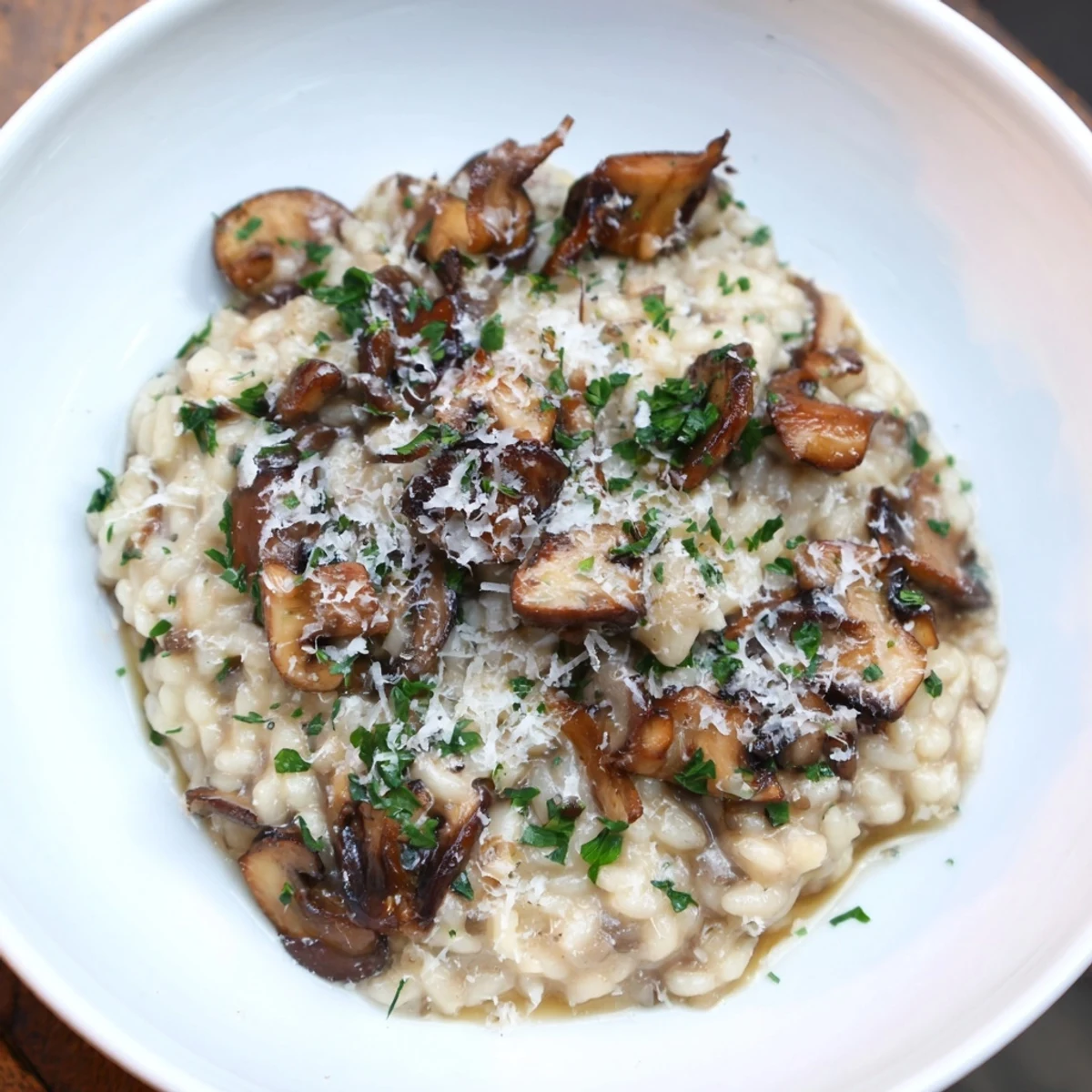
Save The first time someone asked if this risotto was from a restaurant, I realized that cooking something with intention and presence changes not just how it tastes but how it makes people feel when they eat it. There's generosity in a dish that takes patience.
The Mushroom Question
Cremini, shiitake, and button mushrooms each bring something different—cremini adds earthiness, shiitake brings umami depth, and button mushrooms give you substance and familiarity. I've made this risotto with just one type of mushroom when that's all I had, and it was still good, but the mix creates layers that make you want another spoonful. If you find other mushrooms at the market like oyster or porcini, use them—just keep the total at 400 g and slice them all to roughly the same size so they brown evenly.
Wine and Stock Matter More Than You Think
The white wine isn't optional seasoning—it's acidity that makes the mushrooms taste more like themselves and prevents the risotto from tasting one-note. Use something you'd actually drink, not something labeled cooking wine. The stock should be warm and vegetable-based, and if you can taste it on its own and it's delicious, your risotto will be too. A poor stock makes everything that follows taste thin, so this is worth getting right.
Variations and Moments
Once you understand how risotto works, you can improvise. I've added roasted garlic cloves at the finish, stirred in fresh thyme at the beginning, and drizzled truffle oil over the top when I wanted to feel fancy. On weeknights it's a complete dinner with a green salad and bread, and at dinner parties it becomes an elegant side to roasted vegetables or a simple protein. The technique stays the same—patient, attentive, and tasted as you go.
- A drizzle of truffle oil at the finish transforms this into something restaurant-worthy if you want to impress someone.
- If you need to feed more people, double the recipe but don't rush it—risotto doesn't scale down to shorter cooking times.
- Leftover risotto can be spread on a plate to cool, cut into squares, and pan-fried until golden for a completely different texture the next day.
 Save
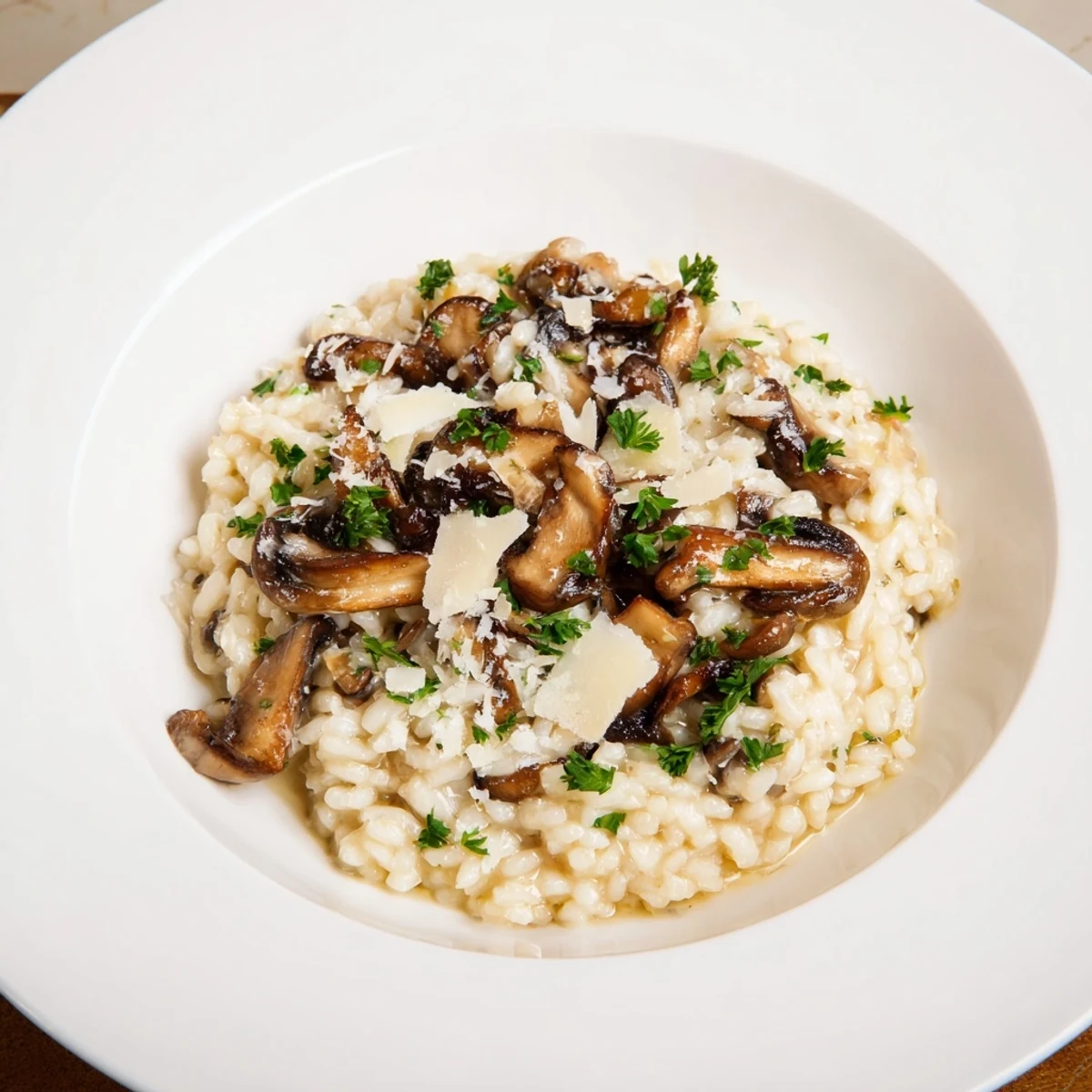
Save Risotto is one of those dishes that teaches you to slow down and pay attention, and once you've made it a few times, you'll reach for it whenever you want to cook something that feels both simple and special. It's the kind of meal that says I made this for you, and I meant it.
Common Questions
- → What type of rice is best for this dish?
-
Arborio rice is ideal due to its high starch content, which creates the creamy texture distinct to this dish.
- → Can I use different mushrooms?
-
Yes, a mix of cremini, shiitake, and button mushrooms work well to add depth and earthiness.
- → Is white wine essential for flavor?
-
The white wine adds acidity and complexity, but vegetable stock alone can be used if preferred.
- → How do I know when the dish is done?
-
The rice should be creamy and al dente, tender but with a slight bite, after gradually absorbing the stock.
- → Can this be made vegan?
-
Replace the butter and Parmesan with plant-based alternatives for a vegan-friendly version without sacrificing richness.
- → What herbs pair well with this dish?
-
Fresh parsley is used to garnish, adding brightness, and thyme complements mushrooms nicely if desired.
