
 Save
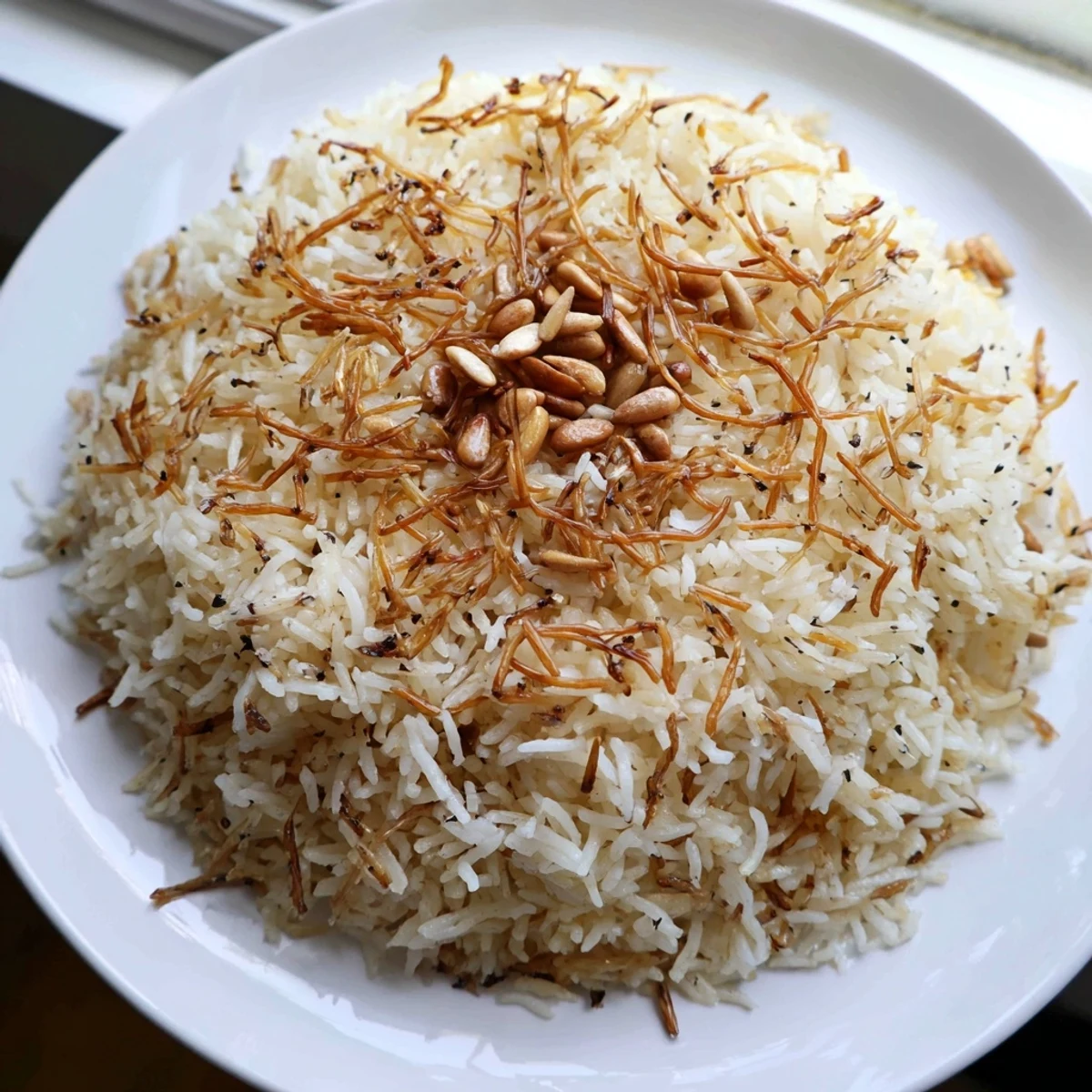
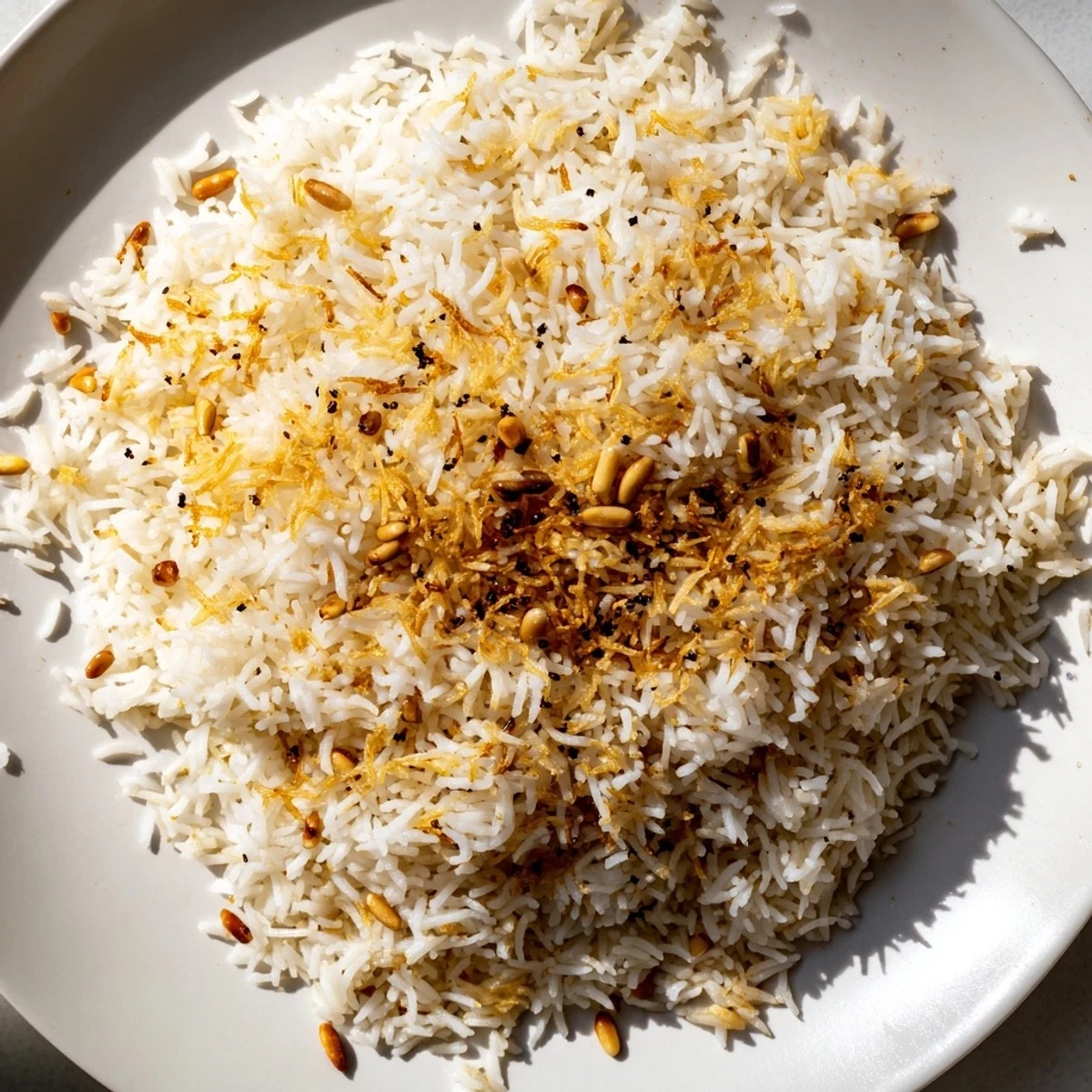
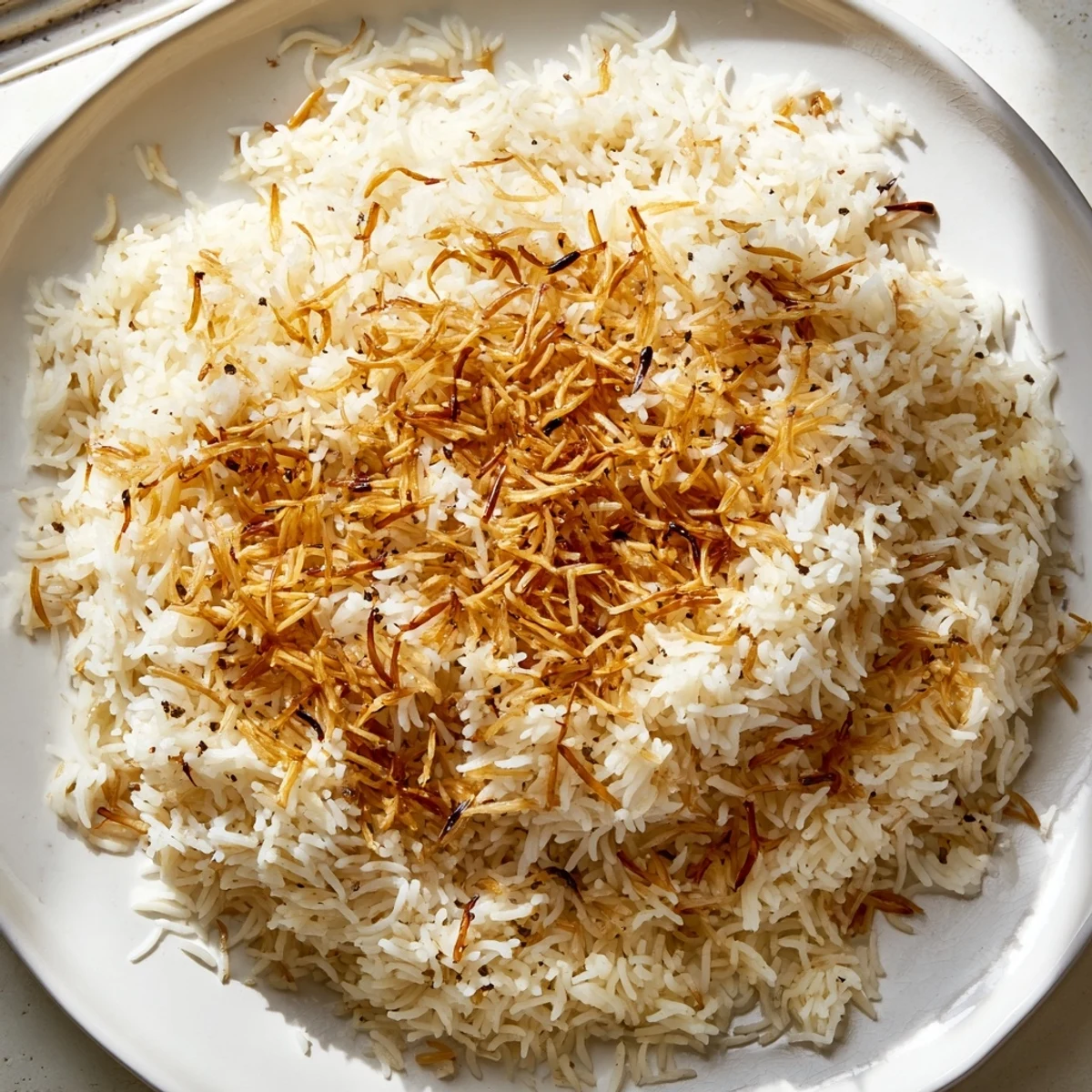
Save This classic Lebanese rice combines long-grain white rice with golden toasted vermicelli noodles for a fragrant, fluffy side dish that's ready in just 25 minutes.
The vermicelli is browned in butter or olive oil until deep golden, infusing every grain with a rich, nutty flavor. A final garnish of toasted pine nuts adds a satisfying crunch.
Serve it alongside grilled meats, hearty stews, or roasted vegetables for an authentic Middle Eastern meal. It's simple enough for weeknight dinners yet elegant enough for gatherings.
The smell of vermicelli browning in butter is one of those scents that pulls you straight into a kitchen half a world away, even if you have never left your own. My neighbor Hala once made this rice for a potluck, and I stood over the pan afterward scraping the stuck golden bits with a spoon because I could not bear to waste a single crunch. It took me four attempts to get the noodle toasting right without crossing into bitter territory, but once I did, this became the most requested side dish in my house. Twenty five minutes is all it asks, and it gives back far more than that.
I started making this on weeknights when plain basmati felt too quiet for a meal that deserved better. My youngest now announces dinner by yelling that the golden rice is ready before I have even set the table. There is something about those tiny toasted strands mixed through the fluffy grains that makes everyone at the table slow down and pay attention.
Ingredients
- 1 cup long grain white rice (basmati or jasmine), rinsed: Rinsing removes surface starch so the grains cook up separate and fluffy instead of clumping together.
- 1/3 cup vermicelli noodles, broken into 1 inch pieces: These little golden strands are the soul of the dish, toasting them deeply is what creates that signature nutty flavor.
- 2 tablespoons unsalted butter or olive oil: Butter gives richness while olive oil keeps it vegan and dairy free, both paths are delicious.
- 2 cups water or low sodium vegetable broth: Broth adds another layer of flavor, but water works perfectly when the rice is served alongside a saucy main.
- 2 tablespoons pine nuts (optional): Toasted until golden and scattered on top, they bring a satisfying crunch that makes this feel like a celebration.
- 1 teaspoon salt: Do not skip this, it wakes up every other flavor in the pan.
- 1/4 teaspoon black pepper: A gentle warmth that ties everything together without overpowering.
Instructions
- Wash the grains:
- Run cold water over the rice in a fine mesh strainer, swirling with your fingers, until the water turns completely clear. This usually takes four or five rinses and is the single most important step for fluffy results.
- Toast the pine nuts:
- Melt the butter or heat the oil in a medium saucepan over medium heat, then add the pine nuts and stir for one to two minutes until they turn a warm golden color. Transfer them immediately to a small plate so they stop cooking in their own residual heat.
- Brown the vermicelli:
- Add the broken vermicelli to the same pan and stir constantly for three to four minutes until the pieces turn a deep golden brown. Keep your full attention here because the line between perfectly toasted and burnt is surprisingly thin.
- Coat the rice:
- Add the drained rice to the toasted noodles and stir gently for about a minute so every grain gets coated in the butter or oil. This coating helps each grain cook independently and absorb flavor evenly.
- Add liquid and season:
- Pour in the water or broth, sprinkle in the salt and pepper, and bring everything to a gentle boil. Let it bubble for about thirty seconds so the flavors begin to marry.
- Steam undisturbed:
- Reduce the heat to the lowest setting, clamp on a tight fitting lid, and set a timer for fifteen minutes. Resist every urge to peek, lift the lid, or stir during this time.
- Rest and fluff:
- Take the pot off the heat and let it sit with the lid still on for five full minutes. Then remove the lid and fluff gently with a fork, lifting from the bottom so the vermicelli gets distributed throughout.
- Finish and serve:
- Spoon the rice into a serving dish and scatter the reserved toasted pine nuts over the top. Serve it warm alongside whatever main course makes you happy.
 Save
Save One evening I brought a large pot of this to a friend who had just come home from the hospital, and she ate three bowls of it plain, nothing else, and said it was exactly what her body was asking for. That is when I understood that simple food, made carefully, carries a kind of comfort that fancy dishes rarely achieve.
Choosing the Right Rice
Basmati is the classic choice and gives you the longest, most separate grains with a lovely floral aroma. Jasmine works too, though it is slightly stickier and sweeter, which some people actually prefer. Whatever you choose, make sure it is long grain white rice and not short or medium grain, those varieties have too much starch for this method.
Making It Your Own
Once you have the basic technique down, this recipe is endlessly adaptable. A pinch of cinnamon or a torn bay leaf added with the liquid brings a warm spice note that works beautifully with lamb or chicken stews. You could also stir in a handful of chopped fresh parsley right before serving for a pop of green and freshness.
Common Mistakes to Avoid
The biggest error I see is rushing the vermicelli toasting step, either under toasting so it tastes like raw pasta or over toasting into bitterness. The sweet spot is a color somewhere between dark amber and light copper, and your nose will tell you when it smells deeply nutty. The other mistake is skipping the rest period, those five minutes off the heat matter more than you think.
- Always use a saucepan with a tight fitting lid, gaps let steam escape and the rice will not cook evenly.
- Double the recipe for gatherings but keep the same pot size, a fuller pot actually steams more efficiently.
- Taste the rice before serving and adjust salt if needed, sometimes broth needs less added salt than water.
 Save
Save Keep this recipe close because it will quietly become the side dish you reach for more than any other. Simple, fragrant, and endlessly comforting, it turns an ordinary Tuesday dinner into something worth savoring.
Common Questions
- → Can I use brown rice instead of white rice?
-
Yes, but the cooking time and liquid ratio will change significantly. Brown rice typically requires about 40–45 minutes of simmering and roughly 2¼ cups of liquid per cup of rice. Adjust accordingly and keep the pot covered until fully tender.
- → Why is my vermicelli burning during toasting?
-
Vermicelli browns very quickly and can go from golden to burnt in seconds. Use medium-low heat, stir constantly, and remove the pan from heat the moment it reaches a deep golden color. Residual heat will continue toasting it slightly.
- → What can I substitute for vermicelli noodles?
-
Broken thin spaghetti, angel hair pasta, or orzo work well as substitutes. The key is to toast them in the same way until golden brown to achieve that signature nutty flavor characteristic of Lebanese rice.
- → How do I store and reheat leftover Lebanese rice?
-
Store cooled rice in an airtight container in the refrigerator for up to 4 days. To reheat, sprinkle a tablespoon of water over the rice and warm it in the microwave covered, or gently steam it on the stovetop over low heat until heated through.
- → Is Lebanese rice gluten-free?
-
Traditional Lebanese rice is not gluten-free because the vermicelli noodles contain wheat. You can use gluten-free vermicelli or thin rice noodles as a substitute, though the texture and browning may differ slightly from the classic version.
- → What dishes pair well with Lebanese vermicelli rice?
-
It pairs beautifully with grilled lamb kebabs, chicken shawarma, beef kafta, or slow-cooked stews like lamb tagine. It also complements roasted vegetables, spiced chickpeas, or a simple yogurt cucumber salad for a lighter meal.
