
 Save
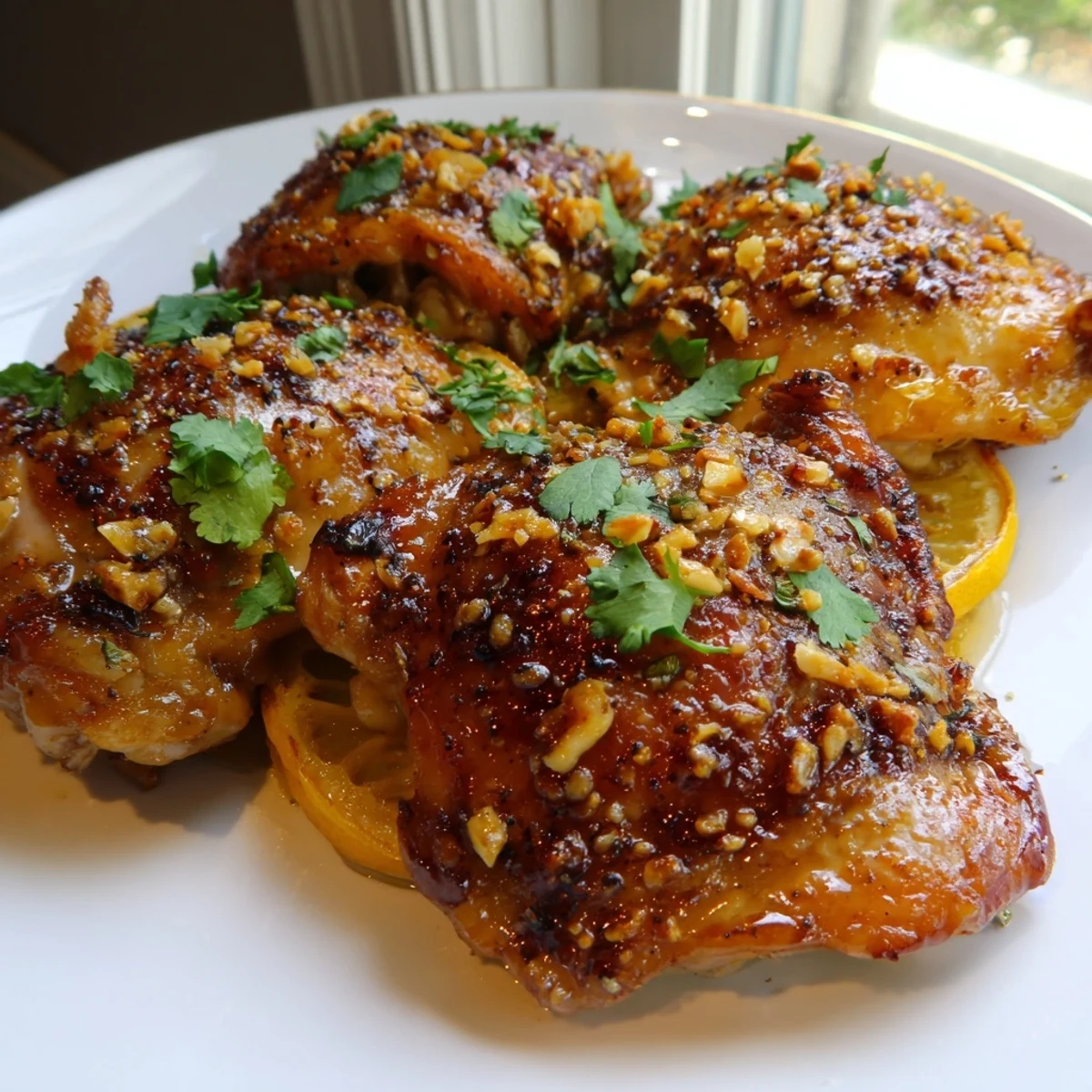
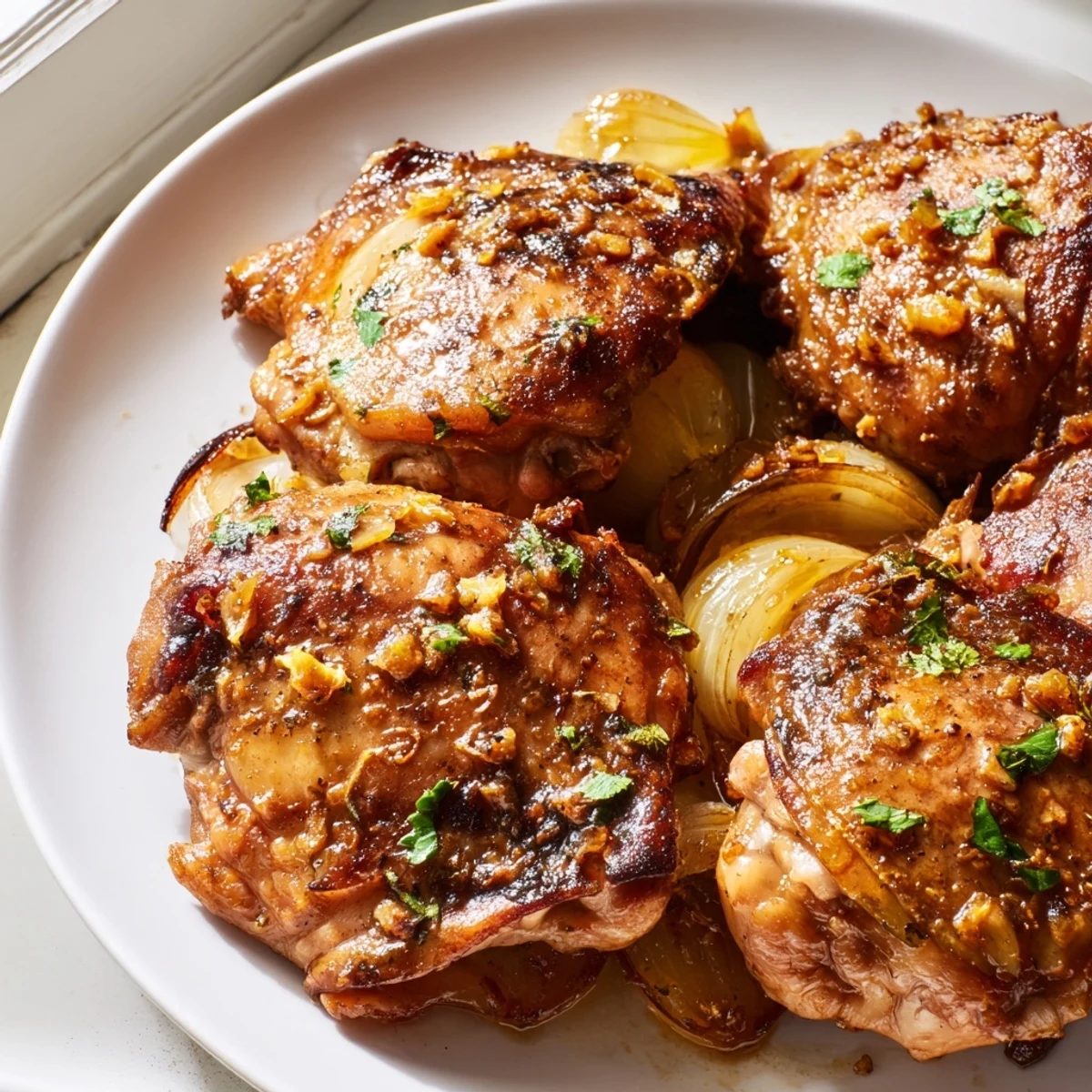
Save This ginger garlic chicken thigh bake delivers incredibly juicy meat with irresistibly crispy skin. Bone-in, skin-on thighs are marinated in a fragrant blend of fresh ginger, minced garlic, soy sauce, honey, and warm spices, then arranged over sliced onions and lemon in a single baking dish.
After 45 minutes in the oven and a quick broil for extra crunch, you'll have a comforting main dish that's both gluten-free and dairy-free. Serve it alongside steamed rice or roasted vegetables for a complete, satisfying meal.
The smell of ginger hitting a hot oven is something you never forget, thick and sweet and vaguely electric, like the air before a storm decides what it wants to do. My neighbor knocked on my door the first evening I made this, convinced I had ordered takeout from the new place down the street. Standing there in my socks holding a wooden spoon, I felt an absurd burst of pride.
I have made this for weeknight dinners, lazy Sunday lunches, and once at a friends house using only a baking sheet and a prayer. Each time the chicken comes out with skin that shatters like glass and meat so tender it barely needs a knife. People always ask for the recipe, and I always pretend it is more complicated than it is.
Ingredients
- 8 bone in, skin on chicken thighs (about 1.5 kg): Thighs are the hero here because they stay juicy through the long bake, and the skin crisps up beautifully when given enough heat.
- 3 tablespoons fresh ginger, grated: Fresh ginger is nonnegotiable, the grated kind melts into the marinade and creates a flavor base you simply cannot replicate with powder.
- 5 garlic cloves, minced: Be generous with garlic, it sweetens and mellows in the oven, losing its sharp bite entirely.
- 2 tablespoons soy sauce (use tamari for gluten free): This provides salt and umami in one pour, just make sure to reach for tamari if gluten is a concern.
- 1 tablespoon honey: A small amount of honey helps the skin caramelize and balances the sharper notes of ginger and vinegar.
- 2 tablespoons olive oil: Olive oil carries the fat soluble flavors across the meat and keeps everything from sticking.
- 1 tablespoon rice vinegar or lemon juice: A splash of acid brightens the whole dish and cuts through the richness of the chicken skin.
- 1/2 teaspoon ground black pepper: Plain black pepper adds a gentle warmth that sits quietly behind the bolder spices.
- 1/2 teaspoon sea salt: Seasoning the marinade directly means you will not need to salt the chicken separately later.
- 1 teaspoon ground coriander (optional): Coriander brings a citrusy, floral note that pairs surprisingly well with ginger.
- 1/2 teaspoon red chili flakes (optional, for heat): Add these if you want a low, building warmth rather than outright spice.
- 1 medium onion, sliced: Onions laid beneath the chicken steam and roast at the same time, turning silky and deeply savory.
- 1 lemon, sliced (optional, for layering): Lemon slices perfume the whole pan and look beautiful spread across the bottom of the dish.
- 2 tablespoons fresh cilantro or parsley, chopped (for garnish): A handful of fresh herbs at the end makes everything taste lighter and look finished.
Instructions
- Warm the oven:
- Set your oven to 200 degrees Celsius (400 degrees Fahrenheit) and let it fully preheat while you prepare the chicken, a properly hot oven is the secret to that shatteringly crisp skin.
- Build the marinade:
- In a large bowl, stir together the grated ginger, minced garlic, soy sauce, honey, olive oil, rice vinegar, black pepper, salt, coriander, and chili flakes until you have a fragrant, slightly thick paste that smells sharp and sweet all at once.
- Coat the chicken:
- Pat each thigh completely dry with paper towels, then drop them into the marinade and turn them over several times so every surface is coated, then let them sit for at least 15 minutes or up to 4 hours in the refrigerator if you have the time.
- Prepare the bed:
- Scatter the sliced onions and lemon across the bottom of a 9 by 13 inch baking dish, arranging them in a roughly even layer so the chicken can rest directly on top.
- Arrange and pour:
- Place the chicken thighs skin side up over the onions and lemon, spacing them out enough that the heat can circulate, then pour every last drop of remaining marinade over the top.
- Bake until golden:
- Slide the dish into the oven uncovered and bake for 40 to 45 minutes until the skin is deeply golden and the juices run clear when you poke the thickest part with a knife, checking that the internal temperature reaches 75 degrees Celsius (165 degrees Fahrenheit).
- Broil for crunch:
- If the skin needs a final push, flip the broiler on high for 2 to 3 minutes at the very end, standing nearby because the line between perfectly blistered and burnt is thin and unforgiving.
- Rest and garnish:
- Pull the dish from the oven and let the chicken rest for 5 minutes so the juices redistribute, then scatter fresh cilantro or parsley over the top before carrying it to the table.
 Save
Save The best evening I ever had with this dish involved paper plates, a deck overlooking a lake, and a friend who ate three thighs before I managed to sit down. It is the kind of recipe that disappears faster than you expect.
What to Serve Alongside
Steamed white rice is the obvious partner because it soaks up every drop of the oniony, gingery juice that pools in the bottom of the pan. A crisp green salad with a simple vinaigrette cuts through the richness nicely when you want something lighter. Roasted carrots or bell peppers tucked underneath the chicken during baking turn this into a complete one pan meal with no extra dishes.
Swaps and Substitutions
Maple syrup steps in seamlessly for honey if that is what you have on hand, and the flavor difference is barely noticeable once baked. Tamari replaces soy sauce one to one for a gluten free version without any compromise in salt or depth. If you cannot find fresh ginger, a tablespoon of ginger paste from a tube works in a pinch, though the flavor is slightly less bright.
Leftovers and Reheating
Leftover chicken stores beautifully in the refrigerator for up to three days, and the flavor actually deepens overnight as the ginger and garlic continue to mingle. Reheat thighs in a 180 degree Celsius (350 degree Fahrenheit) oven for about 10 minutes to bring the skin back to life rather than using a microwave, which turns it rubbery.
- Shred leftover chicken and fold it into warm tortillas with a squeeze of lime for an effortless next day lunch.
- The leftover onions and juices make an incredible base for a quick soup or stir fry sauce, so never discard them.
- Always store the chicken and pan juices together in an airtight container to keep the meat from drying out.
 Save
Save Keep this one in your back pocket for nights when you want something that tastes like effort but asks almost nothing of you. The oven does the work, the ginger does the talking, and everyone at the table thinks you planned something far more complicated.
Common Questions
- → Can I use boneless chicken thighs instead?
-
Yes, boneless thighs will work but reduce the baking time to 25–30 minutes. Keep in mind you won't get the same crispy skin texture that bone-in, skin-on thighs provide.
- → How long should I marinate the chicken?
-
A minimum of 15 minutes is fine for a quick prep, but marinating for 2 to 4 hours in the refrigerator will develop much deeper ginger and garlic flavor throughout the meat.
- → What temperature should the chicken reach when fully cooked?
-
The internal temperature should reach 75°C (165°F) measured at the thickest part of the thigh. The juices should run clear when pierced with a fork or knife.
- → Can I add vegetables to the baking dish?
-
Absolutely. Chopped carrots, bell peppers, or potatoes can be tucked under and around the chicken. They'll absorb the marinade and juices, creating a complete one-pan meal.
- → How do I get the crispiest skin possible?
-
Make sure to pat the chicken thighs completely dry before marinating, arrange them skin-side up, bake uncovered, and finish with 2–3 minutes under the broiler on high heat for that extra golden crunch.
- → Is there a substitute for soy sauce?
-
Coconut aminos work as a soy-free alternative. For a gluten-free option, use tamari instead of regular soy sauce. Both will provide that savory umami flavor the marinade needs.
