
 Save
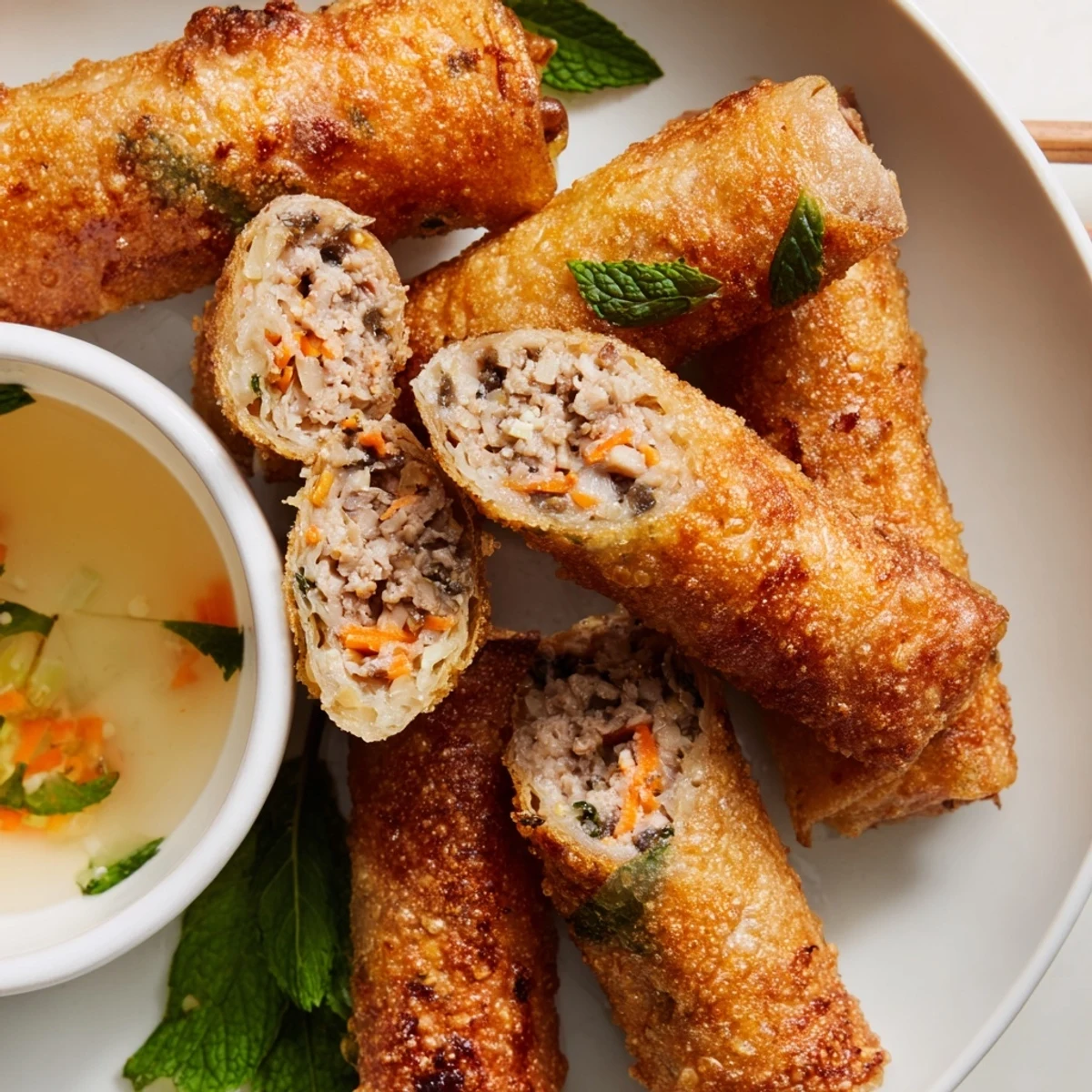
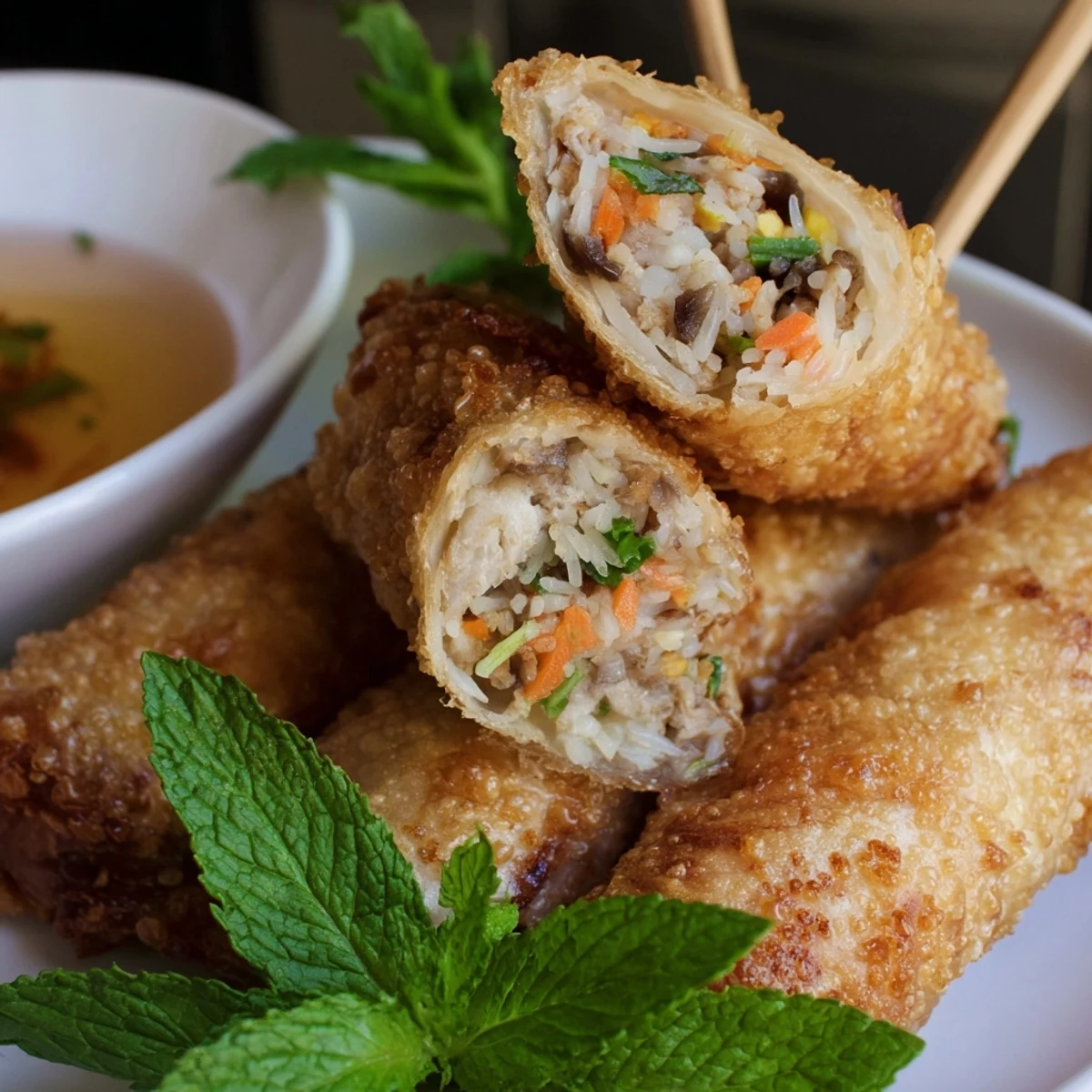
Save These golden Vietnamese spring rolls feature a savory filling of ground pork, shrimp, vermicelli noodles, and aromatic vegetables wrapped in delicate rice paper and fried to crispy perfection. The filling combines tender meat with the crunch of carrots and wood ear mushrooms, seasoned with fish sauce and aromatic aromatics. Each roll achieves that signature shattering exterior while remaining tender inside. Best served wrapped in fresh lettuce leaves with mint, basil, and cilantro, then dipped in tangy Nuoc Cham sauce. The contrast between hot crispy rolls and cool fresh herbs creates an irresistible appetizer experience.
The first time I attempted Chả Giò at home, my kitchen counter looked like a disaster zone with rice paper everywhere. My mother-in-law watched, amused, as I struggled with the wrapping technique until she finally stepped in to show me how to fold them tight enough that the filling wouldnt escape during frying. Now that crispy golden crunch brings me right back to that afternoon.
Last Tet celebration, I made sixty rolls in advance and stored them in the freezer. When relatives arrived unexpectedly, I simply fried them straight from frozen, and everyone thought Id been cooking all morning. The house smelled incredible, and those rolls disappeared faster than I could plate them.
Ingredients
- Ground pork: Provides richness and keeps the filling moist during frying, dont go too lean or the rolls might dry out
- Raw shrimp: The sweetness balances the savory pork and adds that classic Vietnamese spring roll depth of flavor
- Dried vermicelli noodles: These absorb the seasonings and create texture, soak them until pliable before chopping
- Carrot and taro: Add subtle sweetness and crunch, the taro especially helps create that authentic texture
- Wood ear mushrooms: Their earthy flavor and slightly chewy texture are essential, dont skip them
- Garlic and shallots: These aromatics are the backbone of Vietnamese cooking, mince them finely so they distribute evenly
- Egg: Acts as the binding agent holding everything together inside the wrapper
- Fish sauce: The umami foundation, use good quality fish sauce for the best flavor
- Rice paper sheets: Look for banh trang around 16cm diameter, slightly thicker ones are easier for beginners
- Vegetable oil: Needs to be neutral with high smoke point, maintain 170°C for the crispiest results
Instructions
- Mix the filling:
- Combine all filling ingredients in a large bowl and mix thoroughly with your hands, the warmth helps distribute seasonings evenly. Let it sit for 15 minutes so flavors meld together.
- Soften the rice paper:
- Dip each sheet quickly in warm water for just 3 seconds, then place on a damp towel. The paper will continue to soften as you work with it.
- Wrap with confidence:
- Place filling on the lower third, fold bottom edge over, tuck sides tightly, then roll upward like a burrito. The tighter you roll now, the better theyll hold together during frying.
- Heat the oil:
- Bring your oil to 170°C, if you dont have a thermometer, the oil should shimmer but not smoke. Test with a small piece of rice paper, it should bubble immediately.
- Fry to golden perfection:
- Cook in batches for 5 to 7 minutes, turning occasionally until deep golden brown. Drain on paper towels and dont crowd the pan or the temperature will drop too much.
- Serve immediately:
- Wrap hot rolls in lettuce leaves with fresh herbs, then dip into Nuoc Cham. The cool crisp lettuce against the hot crispy roll is absolute perfection.
 Save
Save These spring rolls have become my go-to for bringing people together. Theres something about the interactive process of wrapping them in lettuce and herbs that gets everyone talking, laughing, and sharing stories around the table.
Mastering the Wrap
The most common mistake beginners make is overfilling the rolls. Keep your filling portion to about one heaping tablespoon per roll, and place it closer to the bottom edge than you think necessary. This gives you enough paper to create tight seals that wont burst during frying.
The Secret to Crispy Rolls
Double frying changed my spring roll game completely. After the first fry, let the rolls cool on a wire rack for at least 10 minutes. The second fry, just 1 to 2 minutes, drives out remaining moisture and creates that shattering crunch that lasts even after the rolls have cooled down.
Make Ahead and Storage
You can assemble uncooked rolls and freeze them in a single layer until firm, then transfer to freezer bags. Theyll keep for up to 3 months and can go straight from freezer to hot oil, just add an extra minute or two to the frying time.
- Place uncooked rolls on parchment paper when freezing to prevent sticking
- Thawed frozen rolls might be slightly softer so handle them gently
- Never refreeze rolls that have already been fried, they become soggy and unpleasant
 Save
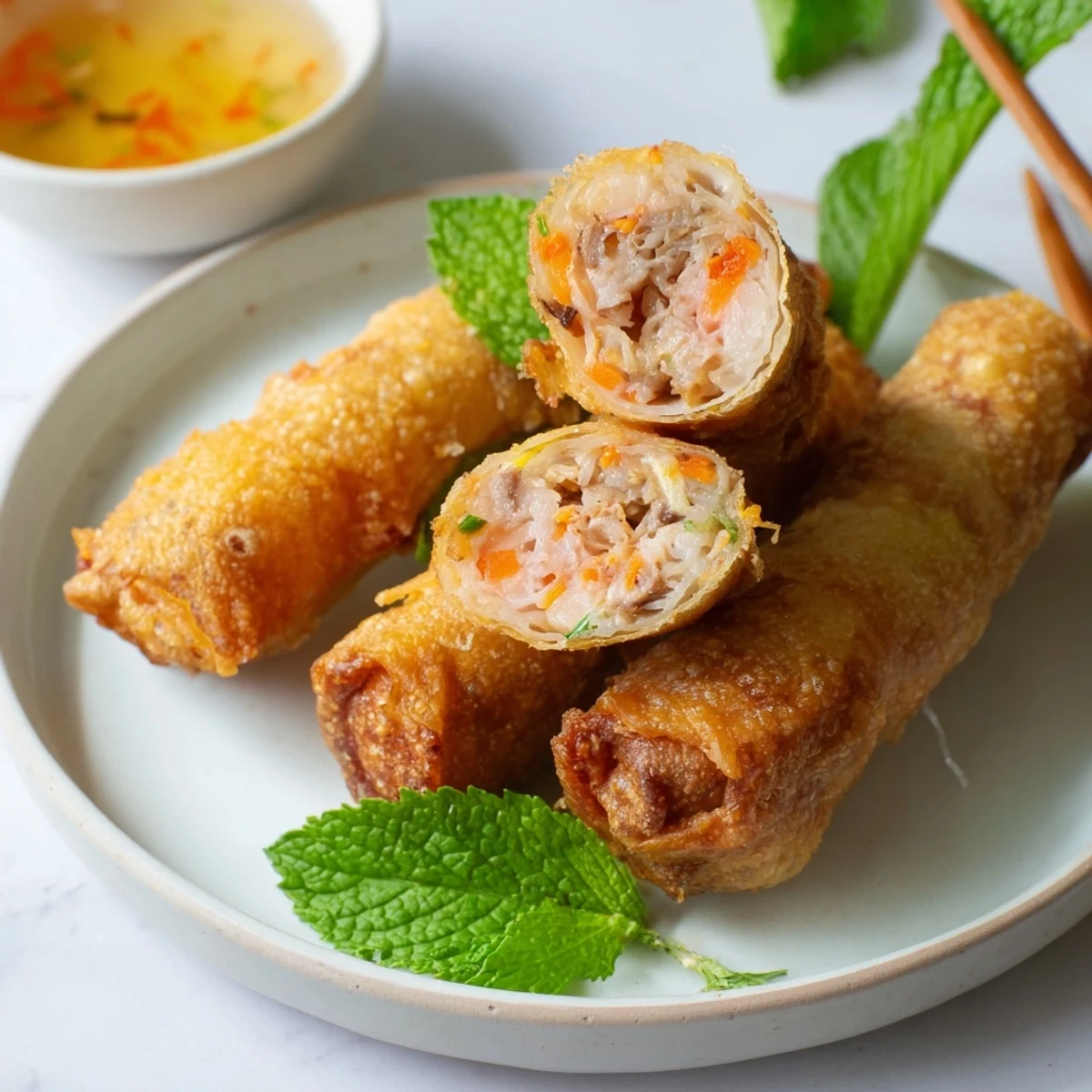
Save There is nothing quite like the sound of these rolls crackling when you bite into them. I hope they bring as much joy to your table as they have to mine over the years.
Common Questions
- → How do I prevent the rice paper from tearing during rolling?
-
Work with one sheet at a time and dip briefly in warm water for just 3 seconds. Place on a damp towel while filling. Don't oversoak—the paper continues to soften as you work. Roll tightly but gently, tucking in sides before the final fold.
- → Can I make these ahead of time?
-
Yes! Assemble uncooked rolls up to 4 hours ahead, cover with damp paper towels and plastic wrap, then refrigerate. Fry just before serving for optimal crispiness. You can also freeze uncooked rolls for up to 3 months.
- → What's the secret to extra crispy rolls?
-
Double-frying technique works beautifully. Fry at 170°C until golden, drain and cool for 5 minutes, then fry again for 1-2 minutes. This ensures maximum crunch. Also ensure oil temperature doesn't drop below 160°C during frying.
- → Can I bake or air-fry instead of deep-frying?
-
Yes, though texture will differ. Brush with oil and bake at 200°C for 15-20 minutes, turning halfway. For air-frying, cook at 180°C for 10-12 minutes. Results won't be as crispy as deep-fried but still delicious.
- → What makes a good Nuoc Cham dipping sauce?
-
Balance is key—combine fish sauce for saltiness, fresh lime juice for acidity, sugar for sweetness, water to dilute, plus garlic and chili for heat. The perfect ratio creates a complex, tangy-savory sauce that complements the rich, crispy rolls.
- → How do I know when the oil is ready for frying?
-
Use a kitchen thermometer to reach 170°C (340°F). Without one, insert a wooden chopstick—if bubbles form around it steadily, the oil is ready. Oil should shimmer but not smoke. Maintain this temperature throughout frying for best results.
