
 Save
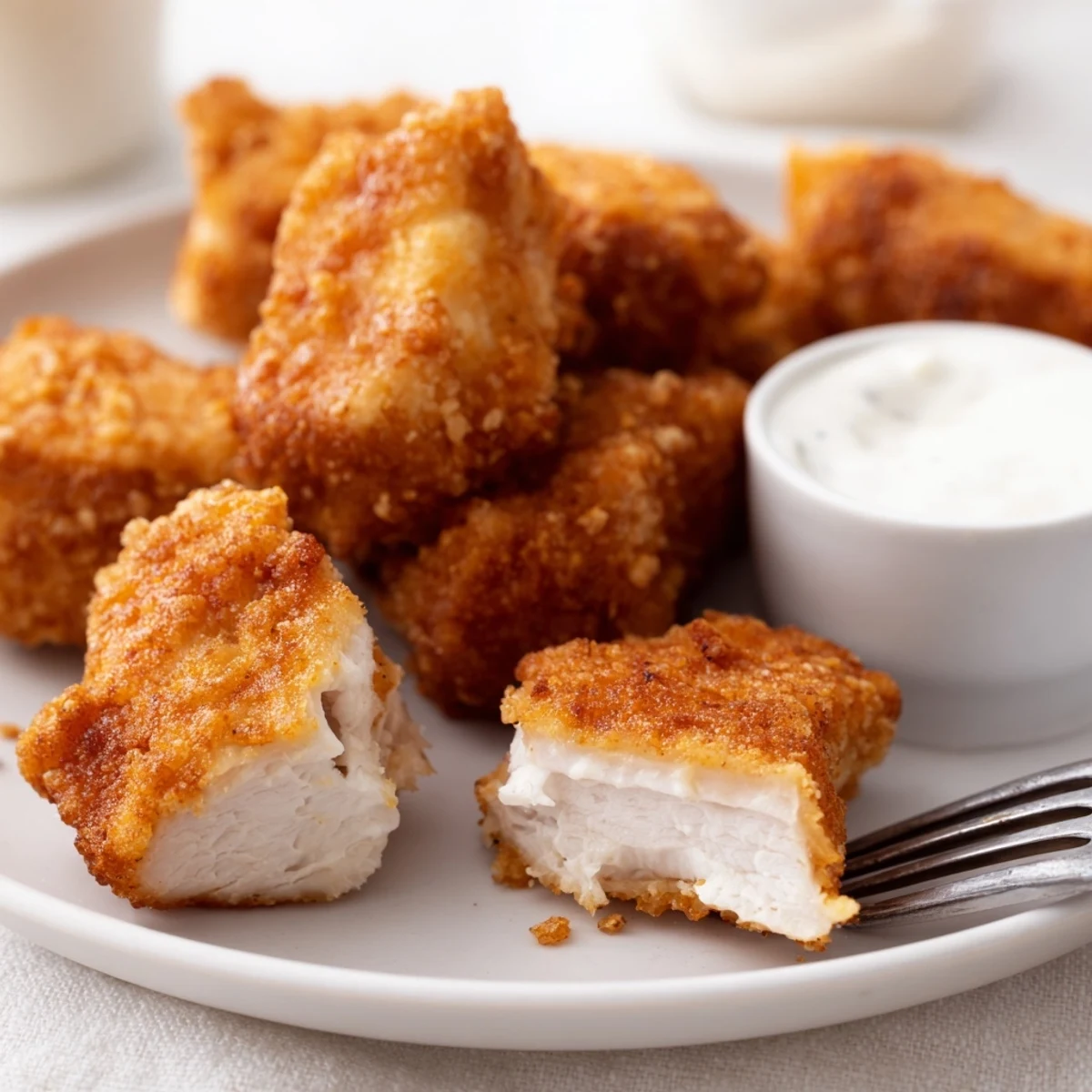
Save Marinate bite-sized chicken pieces in buttermilk with garlic powder, paprika, salt and pepper to tenderize. Dredge in a flour and corn starch mix seasoned with paprika, onion powder and optional cayenne. Deep-fry at 175°C (350°F) in batches until golden, about 3–4 minutes per batch; drain on paper towels. For a lighter option, bake at 220°C (425°F) for 15–18 minutes, turning once. Serve hot with dipping sauces and consider adding dried herbs or grated parmesan to the breading for extra flavor.
The countertop always gets a little messy when I make these chicken bites, but that crunch and sizzle are worth it every time. The first time I put a golden batch on the table, I realized half were gone before anyone said a word. You just hear the crackle, then see hands reaching, and suddenly there’s nothing but empty plates and a trail of dipping sauce. It’s one of those recipes that disappears almost as quickly as you fry it.
One windy afternoon, I made these for my cousins during a spontaneous gathering—they lined up by the stove, sneaking samples and sharing jokes, smudging flour everywhere. It turned into a friendly contest over who could pick out the crispiest one. The air in the kitchen was warm with the aroma of paprika and frying chicken, laughter bouncing around as quickly as the bites disappeared.
Ingredients
- Chicken breast: Use boneless, skinless chicken and cut the pieces evenly so every bite is tender; I find a sharp knife makes this task easy and quick.
- Buttermilk: The slight tang from the buttermilk not only tenderizes the chicken but lets the flavor soak right into every crevice; if you don’t have any, a splash of milk with lemon juice works in a pinch.
- Garlic powder & paprika: Don’t underestimate these pantry staples—their warmth infuses everything without overpowering.
- All-purpose flour & corn starch: Blending both gives that just-right shatter to the coating, a trick I picked up after too many soggy batches.
- Cayenne pepper (optional): If you like a gentle kick, add it—otherwise, just a whiff is enough.
- Vegetable oil: Go for a neutral oil with a high smoke point, and don’t crowd the pan, as the magic is in the even browning.
Instructions
- Marinate the Chicken:
- Toss the chicken with buttermilk, garlic powder, paprika, salt, and black pepper, making sure every piece is bathed in the marinade. The aroma lets you know you’re on the right track; let it chill in the fridge if you have the time, but it still works great if you skip ahead.
- Mix the Breading:
- Combine flour, corn starch, paprika, onion powder, cayenne, salt, and pepper in a shallow dish, stirring with your fingers to break any clumps.
- Heat the Oil:
- Pour vegetable oil into a deep pan or fryer and heat to 175°C—if you don’t have a thermometer, just drop in a sprinkle of flour and wait for it to bubble enthusiastically.
- Coat the Chicken:
- Lift each piece of chicken out of the marinade, shaking off extra liquid, and tumble it through the breading until it’s fully covered; this step feels messy, but that’s part of the fun.
- Fry in Batches:
- Lower chicken pieces gently into the hot oil, listen for the happy sizzle, and cook 3 to 4 minutes; turn once for even color, then let them drain on paper towels.
- Serve and Enjoy:
- While still piping hot, arrange on a plate with your favorite dipping sauces—even those who swear they’re not hungry will hover nearby.
 Save
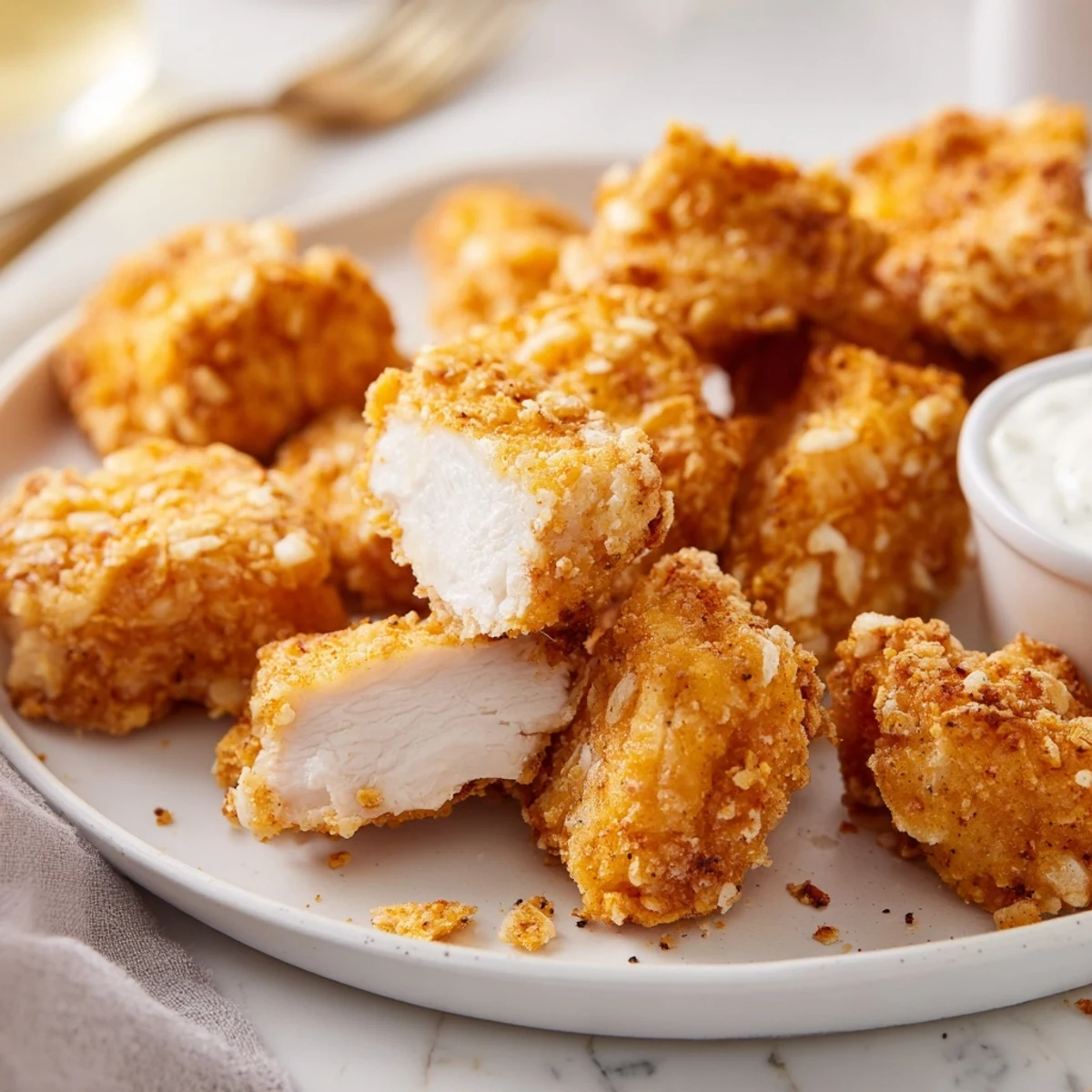
Save There was a time I made a double batch for a movie night, thinking it’d be plenty. Someone paused the film just to ask how the chicken bites were so tender—turns out, the buttermilk does wonders that nobody can quite guess at until they taste it.
Swapping and Experimenting
If you’re out of buttermilk, a quick mix of milk and lemon juice does the trick. Swapping in a pinch of dried thyme or a handful of grated parmesan in the breading makes the bites feel different every time. I love setting out an array of dips, like tangy ranch or sweet honey mustard, and letting everyone mix and match as they like.
Oven Baked Option
Baking the chicken is a little less hands-on, and I’ve done it when deep frying isn’t an option—it loses a bit of crunch, but the flavors hold up beautifully. A hot oven and a flip halfway through help get that golden edge. You’ll want to bake at 220°C for about 15 to 18 minutes for best results.
Little Fixes & Final Advice
Use paper towels to catch extra oil as soon as the chicken comes out; it makes all the difference for texture. When I’m short on time, I marinate the chicken for just a few minutes, but even that seems to help. My last batch vanished before I’d finished cleaning up so be warned: you might need to make extra.
- Test the oil temperature with a single piece before adding the rest.
- Use a slotted spoon for easy transfer when frying.
- Don’t skip the marinade if you want maximum juiciness.
 Save
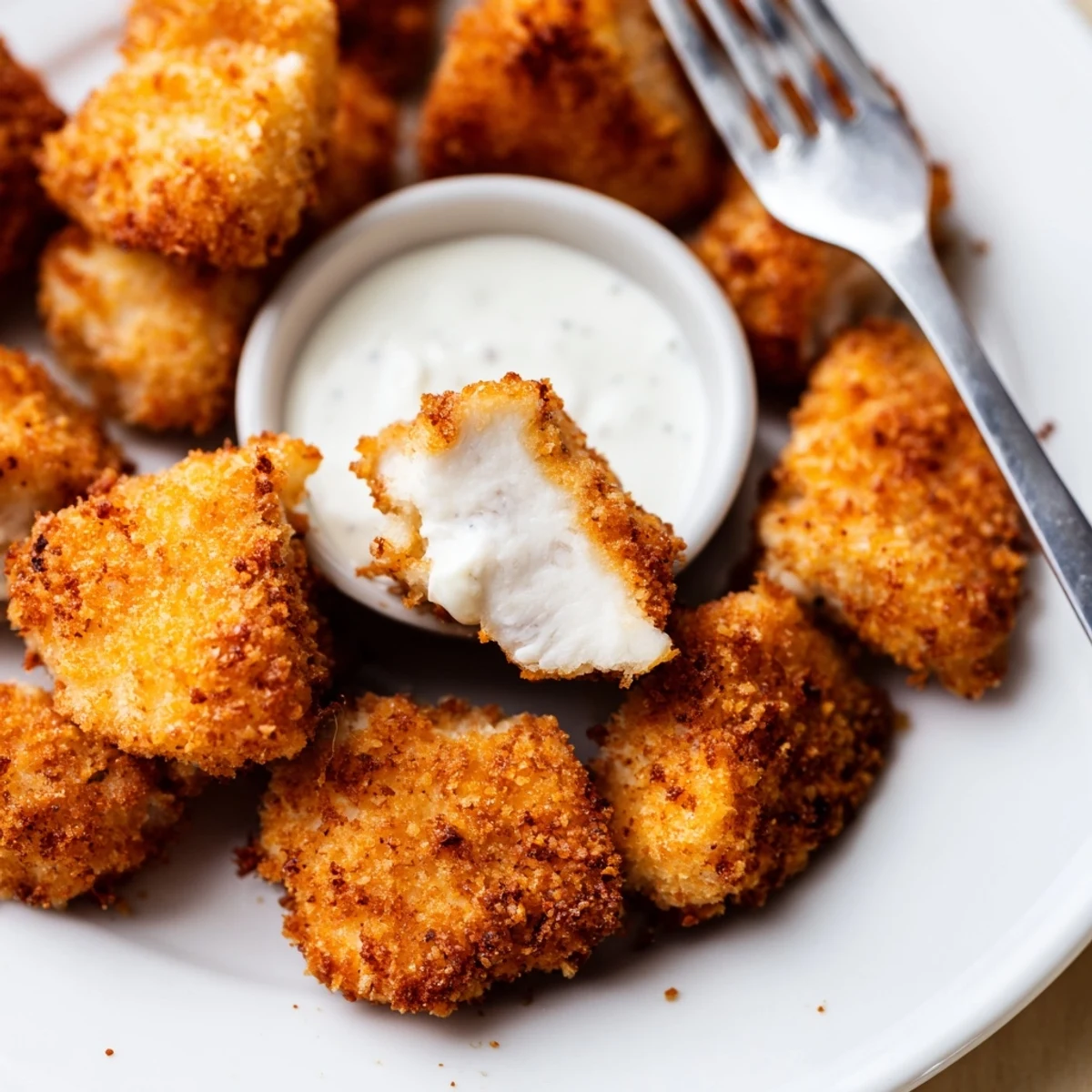
Save Whichever way you make them, these chicken bites are a guaranteed crowd-pleaser. Make room at the table and watch how quickly friends and family appear when you start frying.
Common Questions
- → How long should I marinate the chicken?
-
At minimum 30 minutes to allow the buttermilk and spices to tenderize the meat; up to overnight in the fridge yields more flavor and juiciness.
- → What oil and temperature work best for frying?
-
Use a neutral oil with a high smoke point (vegetable, canola, or peanut). Maintain about 175°C (350°F) and fry in small batches to keep temperature steady and ensure even browning.
- → How can I keep the coating extra crispy?
-
Include corn starch in the breading mix for crispness, remove excess marinade before dredging, fry at proper temperature, and drain on a rack or paper towels to let steam escape.
- → Can I bake these instead of frying?
-
Yes — bake at 220°C (425°F) for about 15–18 minutes, turning once halfway. The texture will be lighter; adding a light spray of oil helps with browning.
- → What dipping sauces pair well?
-
Classic choices include ranch, honey mustard, BBQ, or spicy mayo. Sweet and tangy sauces contrast nicely with the seasoned crust.
- → Are there easy substitutions for allergens?
-
For dairy-free, swap buttermilk for a mix of plant milk and a splash of vinegar. Use gluten-free flour blends and cornstarch to avoid gluten, and check dip ingredients for hidden allergens.
