
 Save
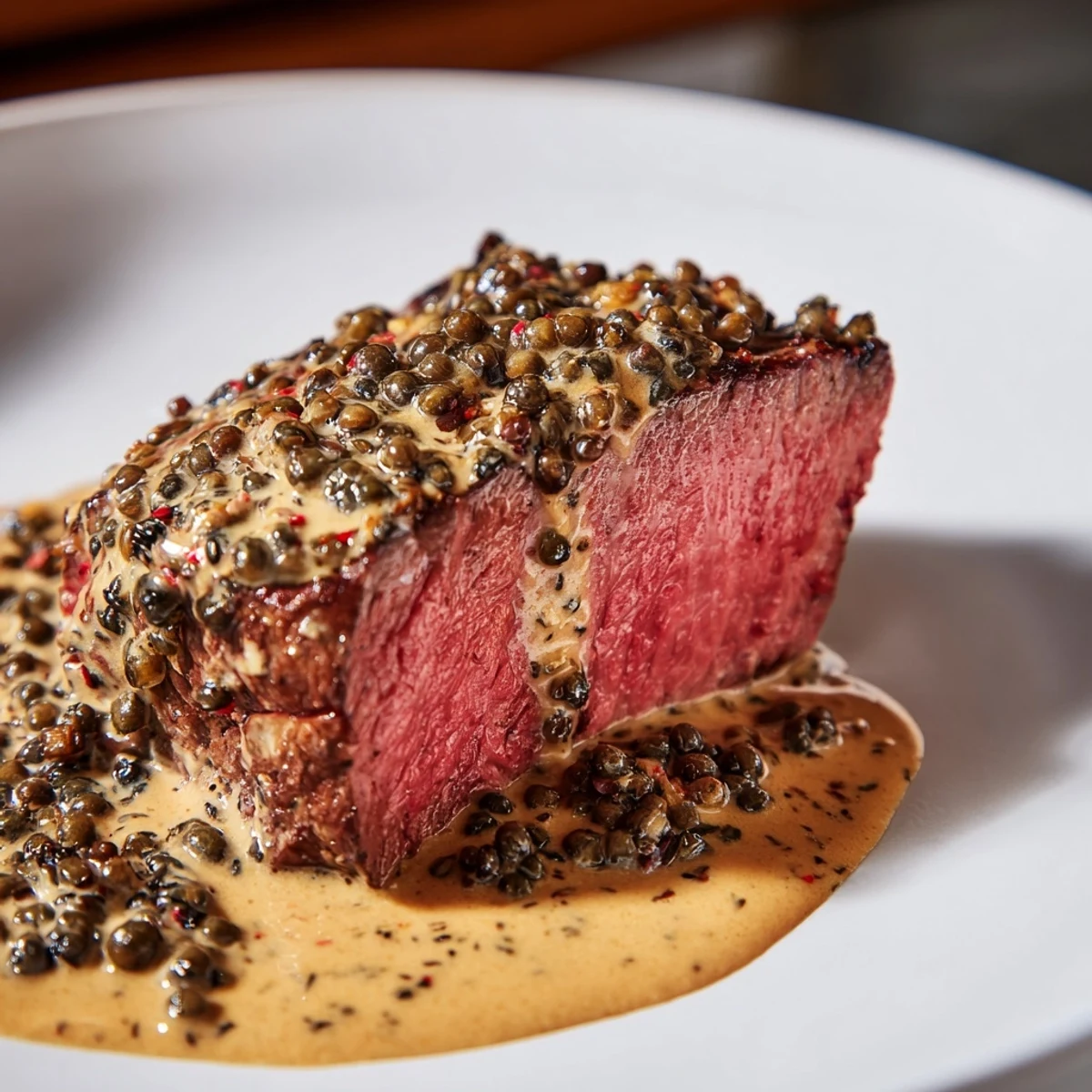
Save Experience a restaurant-quality beef tenderloin cooked to juicy perfection, enhanced by a rich peppercorn sauce made from butter, shallots, brandy, and cream. The tenderloin steaks are seared for an ideal medium-rare finish then rested to lock in juices. The sauce combines mixed crushed peppercorns with a velvety cream base and a splash of cognac, delivering bold and aromatic flavors that complement the beef exquisitely. This dish suits elegant dinners and special occasions, served best with roasted potatoes or steamed vegetables.
I still remember the first time I plated a beef tenderloin with peppercorn sauce for someone I wanted to impress. The kitchen smelled like toasted peppercorns and brandy, and when I saw their face light up at that first bite, I realized that restaurant-quality meals don't require a fancy kitchen—just good ingredients, a hot pan, and a little courage. This dish became my go-to for moments when ordinary dinner needed to feel extraordinary.
There was a Tuesday evening when my partner came home exhausted from work, and I decided we both deserved something better than the usual routine. I seared those steaks, built that sauce right in the same pan, and for forty minutes our kitchen transformed into something magical. That's when I knew this recipe was a keeper—it has the power to turn an ordinary night into a memory.
Ingredients
- Beef tenderloin steaks: Use 6 oz steaks that are 1.5 inches thick—this thickness is crucial because it lets you get a gorgeous crust while keeping the inside perfectly pink and tender. I learned to let them rest at room temperature for 30 minutes before cooking, and it makes all the difference in how evenly they cook.
- Olive oil and unsalted butter: The combination of oil and butter creates the perfect searing temperature—oil alone burns, but butter alone doesn't get hot enough. This is a French trick that changed my whole approach to cooking steaks.
- Salt and freshly ground black pepper: Don't skip the step of grinding your own pepper right before cooking. Pre-ground pepper tastes flat compared to the alive, bright peppercorn you'll have in that sauce.
- Mixed whole peppercorns: Black, green, and pink peppercorns each bring something different—black is sharp and classic, green is fresh and slightly fruity, pink is floral and slightly sweet. Crushing them by hand or with the bottom of a pan releases their oils and makes the sauce unforgettable.
- Shallot: Minced fine, it melts into the sauce and adds a subtle sweetness that balances the pepper's bite. It's more refined than garlic or onion for this particular sauce.
- Beef broth: Use good quality broth—homemade is best, but a quality store-bought version works. It becomes the base for everything that follows.
- Heavy cream: This is what makes the sauce luxurious and balanced. The cream tempers the pepper's intensity and creates that silky, restaurant-quality texture.
- Brandy or cognac: The alcohol burns off, leaving behind a sophisticated depth. I've made this with regular brandy, high-end cognac, and honestly both are wonderful. The key is letting it reduce and sizzle first.
Instructions
- Bring steaks to room temperature:
- Pull your steaks from the fridge 30 minutes before you plan to cook. This matters more than you'd think—a cold steak cooks unevenly. While they're warming up, pat them completely dry with paper towels. Moisture is the enemy of a good sear.
- Season generously:
- Salt and pepper both sides with confidence. Don't be shy—the seasoning is what creates that flavorful crust that makes this whole dish sing.
- Get your pan screaming hot:
- Heat olive oil and butter together in your heaviest skillet over medium-high heat. You want it hot enough that the butter foams and smells nutty, but not quite smoking. This is the moment that matters most for your crust.
- Sear with confidence:
- Lay the steaks away from you (to avoid splatter), and don't touch them. Seriously. Let them sit for 3-4 minutes until they release naturally from the pan and are golden brown. Flip once and sear the other side. For medium-rare, aim for about 3-4 minutes per side depending on thickness. Trust your meat thermometer here if you're nervous—130-135°F is perfect.
- Let them rest:
- Transfer steaks to a warm plate and tent loosely with foil. This resting period is when the meat relaxes and redistributes its juices. Don't skip it, even if you're excited to eat.
- Build the sauce in the same pan:
- This is the restaurant trick—all those brown bits stuck to the pan are pure flavor. Reduce heat to medium, add more butter, and sauté your minced shallot until it softens and turns golden. About a minute is all you need.
- Toast the peppercorns:
- Add your crushed peppercorns and stir constantly for about 30 seconds. You'll smell the difference immediately—that's the oils releasing and getting ready to make something incredible.
- Deglaze with brandy:
- Carefully pour in the brandy—it might flame slightly, which is fine and kind of fun. Let it sizzle and reduce by about half, about 2 minutes. Use a wooden spoon to scrape up all those caramelized brown bits from the bottom of the pan. They're liquid gold.
- Add broth and cream:
- Pour in beef broth and let it simmer for 2 minutes, then add the heavy cream in a slow stream while stirring. Keep stirring gently for 3-5 minutes as the sauce thickens. You're looking for a consistency that coats the back of a spoon. Taste and season with salt.
- Finish with the steaks:
- Return the steaks and any juices that pooled on the plate back to the pan. Spoon that beautiful sauce over them and warm everything through for just a minute. You're done.
 Save
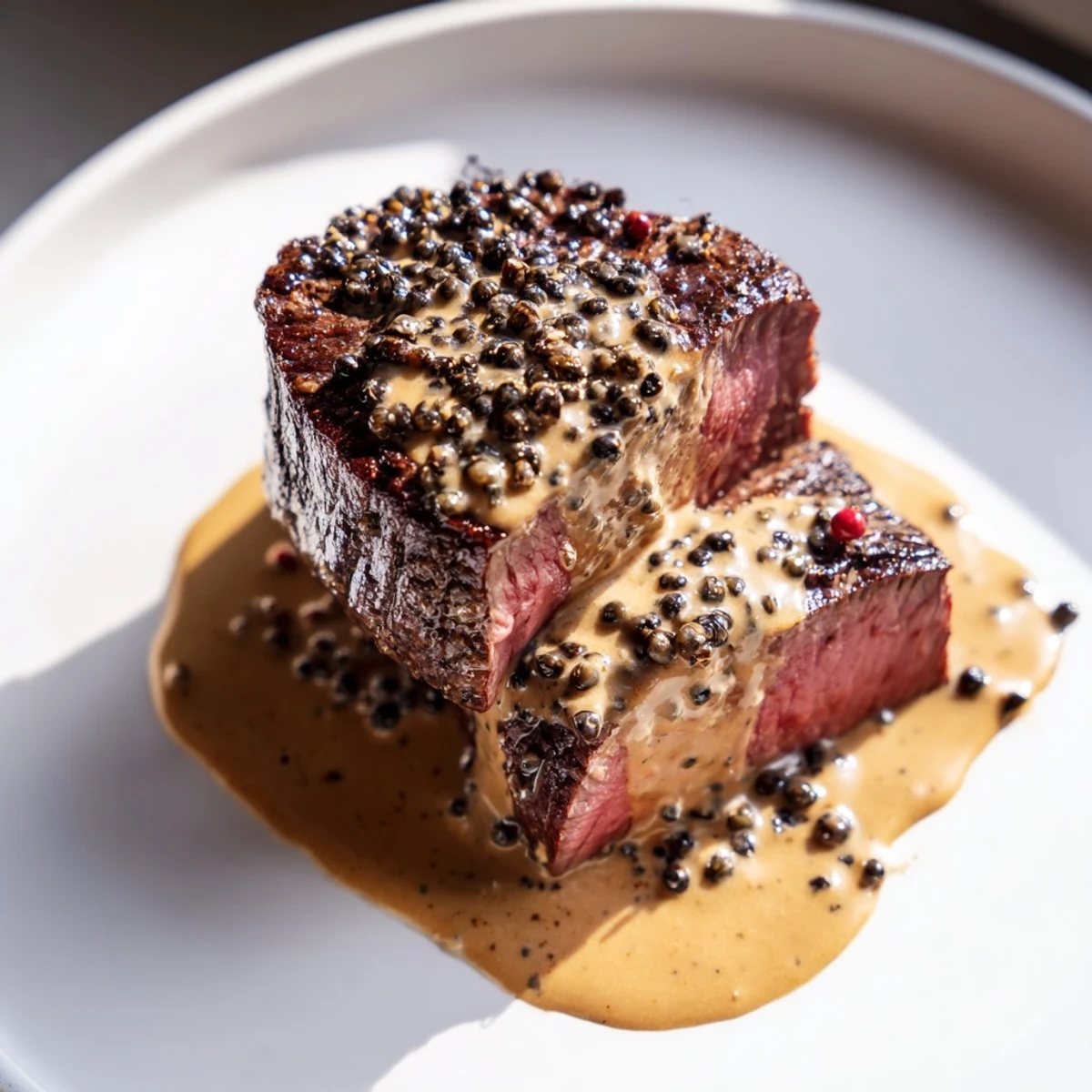
Save I've cooked this dish now for quiet anniversaries, celebratory dinners with close friends, and nights when I just needed to remind myself that I'm capable of creating something beautiful. Every time I smell those peppercorns hitting the hot butter, I feel like I'm in on a secret that restaurants don't want you to know: this level of elegance is completely within your reach.
The Art of Searing Beef
The sear is everything with tenderloin. I've learned that a good heavy-bottomed pan—cast iron is ideal—holds heat evenly and creates that golden crust through the Maillard reaction. This isn't just browning; it's the development of hundreds of new flavors that make beef taste like beef. The pan needs to be hot enough that you hear an immediate sizzle when the steak touches down, but not so hot that your butter blackens. If you're new to this, lean toward slightly lower heat and give yourself more time rather than cranking it up to maximum.
Timing and Temperature Matter
I used to cook by time alone, and I'd inevitably ruin about half my steaks. Then I invested in a meat thermometer, and everything changed. The beautiful thing about beef tenderloin is that it's forgiving once you know what you're aiming for. Medium-rare, which I think is the sweet spot for this cut, registers at 130-135°F. Remove the steaks from heat at about 125°F because they'll continue cooking as they rest—carryover cooking is real and it's your friend here. Beef tenderloin continues to cook even after it leaves the pan, so timing your rest period matters.
Making This Moment Special
This is a dish that deserves a moment. Roast some potatoes while the steaks rest, steam fresh green beans, pour good wine, and set a proper table. The recipe itself only takes 40 minutes, but the experience of making it and eating it can stretch into an evening worth remembering.
- Finish each plate with a small pat of cold butter on top of the steak—it melts into the warm meat and adds a final touch of luxury that tastes like a restaurant secret.
- Serve on warmed plates. Cold plates will cool your beautiful steak, and the sauce deserves to stay silky and perfect.
- This dish pairs beautifully with a full-bodied red wine, crusty bread to soak up every drop of sauce, and a salad with a bright vinaigrette to cut through the richness.
 Save
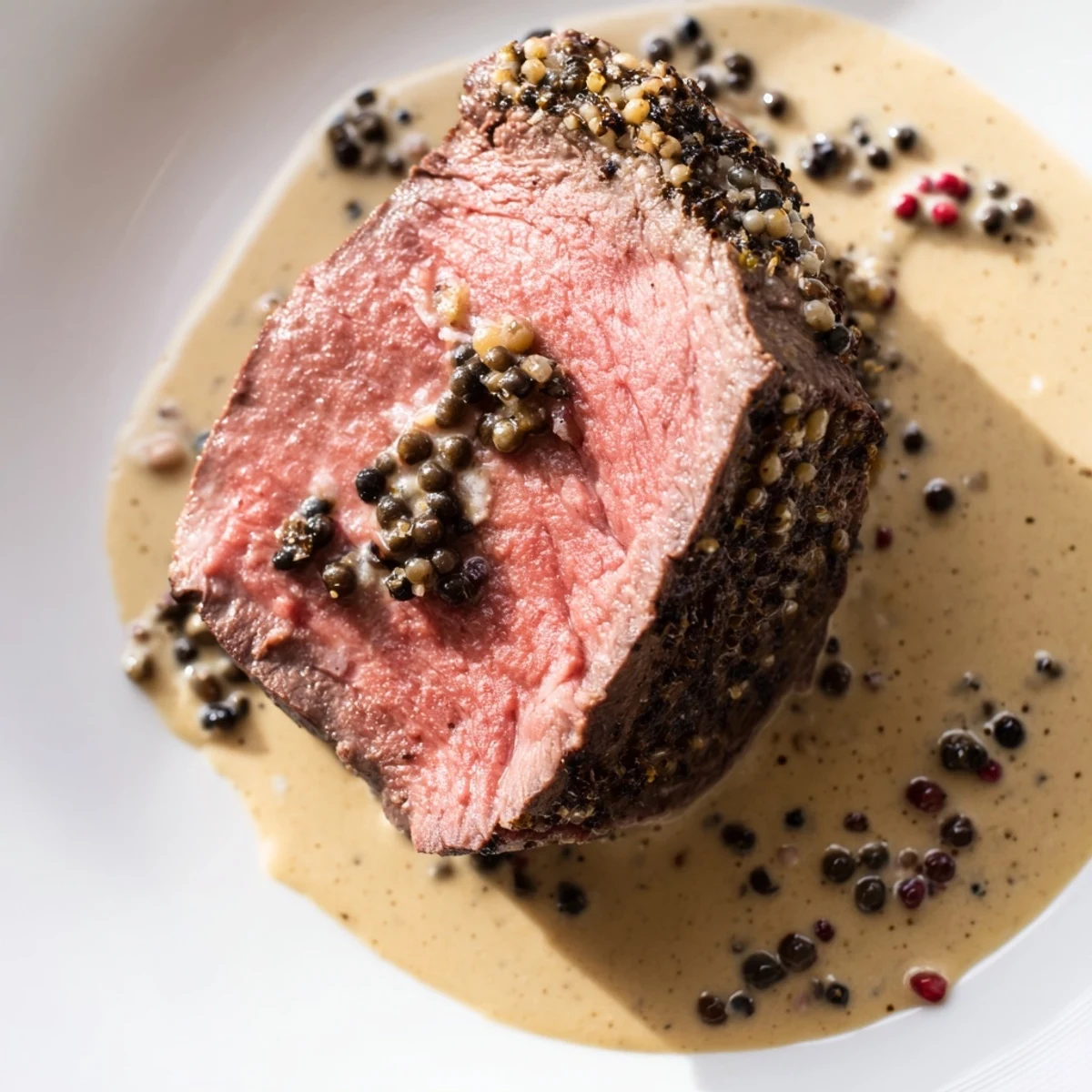
Save This recipe has taught me that elegant home cooking isn't about complexity or rare ingredients—it's about respecting good ingredients, understanding heat, and taking a moment to create something that nourishes both hunger and the heart.
Common Questions
- → How do I ensure the beef tenderloin remains tender and juicy?
-
Bring steaks to room temperature before cooking, sear over medium-high heat for about 3-4 minutes per side, then rest covered briefly to retain juices.
- → Can I adjust the peppercorn sauce's spice level?
-
Yes, reduce the amount of crushed peppercorns to create a milder sauce or adjust according to preference.
- → What can I substitute for brandy in the peppercorn sauce?
-
Use good quality brandy or omit entirely for a non-alcoholic sauce without sacrificing much flavor.
- → What side dishes pair well with this beef tenderloin?
-
Roasted potatoes, steamed green beans, or other simple vegetables complement the rich flavors well.
- → Is this dish suitable for gluten-free diets?
-
Yes, if you use gluten-free beef broth and check all ingredients, this can be made gluten-free.
