
 Save
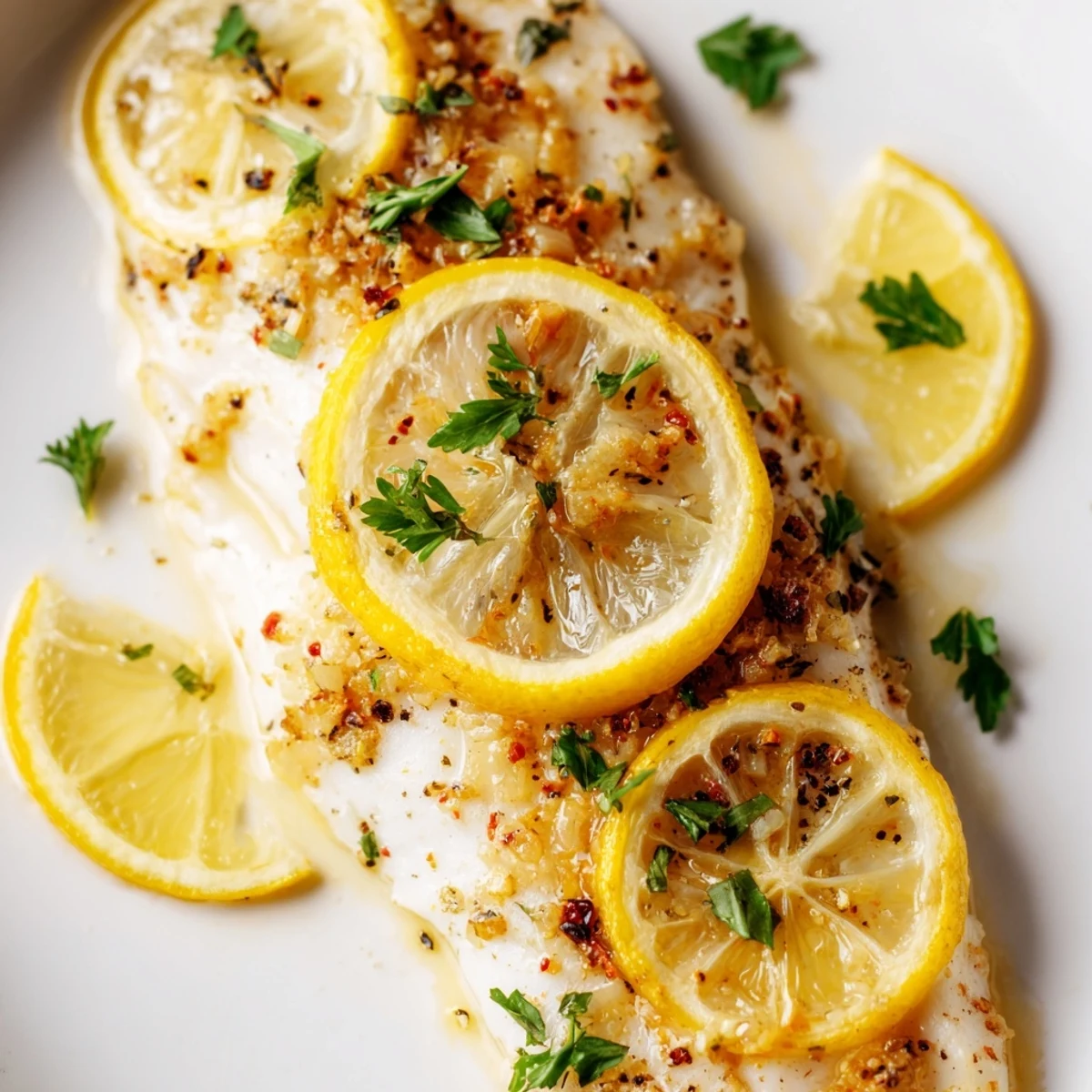
Save This dish features white fish fillets gently baked with fresh herbs, lemon slices, and a drizzle of olive oil, delivering a light yet satisfying meal. The preparation is straightforward, with seasoning blending salt, pepper, garlic, and optional paprika to enhance natural flavors. Baking at 200°C ensures the fish remains moist and tender, ideal for a quick and wholesome lunch or dinner. Variations include swapping herbs like dill or basil and pairing with steamed veggies or rice to round out the plate.
There's something almost meditative about sliding a baking tray into the oven and watching the fish transform from pale and raw to golden and flaky in less than twenty minutes. I discovered this recipe on a Tuesday evening when I had nothing in the fridge but a couple of cod fillets, half a lemon, and the vague memory of my grandmother saying the best fish needs almost nothing. She was right, and this dish proved it to me that night.
I made this for my sister last spring when she was visiting and had just gone pescatarian. She was nervous I'd make something boring or try too hard to prove fish could taste interesting. When she took that first bite, the way her face softened told me everything—sometimes the simplest things are exactly what people need.
Ingredients
- White fish fillets (cod, haddock, or tilapia): Four fillets at 150g each give you enough for four people without waste; thinner fillets cook faster and more evenly, so ask your fishmonger to slice them to about half an inch thick if they're not already.
- Fresh lemon: Slice it thin so it distributes flavor throughout the cooking, and choose one that feels heavy for its size because that means more juice.
- Fresh parsley: Dried parsley tastes like straw by comparison, so don't make that trade-off here; chop it just before cooking so it stays bright and fresh.
- Garlic cloves: Mince them fine so they soften into the fish rather than sitting there like little hard bits that surprise you.
- Olive oil: Good olive oil matters more here than anywhere else because there's nowhere to hide; use something you'd actually want to taste.
- Salt and black pepper: These are your foundation; don't skip the salt or the fish will taste flat, but go easy on the pepper until you taste it first.
- Paprika (optional): It adds a gentle color and warmth without overpowering anything, so I usually include it but you won't miss it if you don't have it on hand.
Instructions
- Heat your oven and prepare:
- Set the oven to 200°C and line your baking tray with parchment paper—this stops the fish from sticking and saves you cleanup later, which is its own kind of magic.
- Dry the fish completely:
- Pat those fillets down with paper towels until they're no longer wet; this is the secret to fish that bakes instead of steams, and it makes a real difference in texture.
- Coat with olive oil:
- Drizzle the oil over each fillet and use your fingers to rub it in evenly, making sure the underside gets coated too so nothing sticks to the paper.
- Season generously:
- Sprinkle salt, pepper, and paprika on both sides; taste the salt on your fingertip first if you're unsure how much you like, because you can always add more.
- Add garlic and parsley:
- Scatter the minced garlic and chopped parsley over the top of each fillet, pressing gently so it stays in place during baking.
- Layer on the lemon:
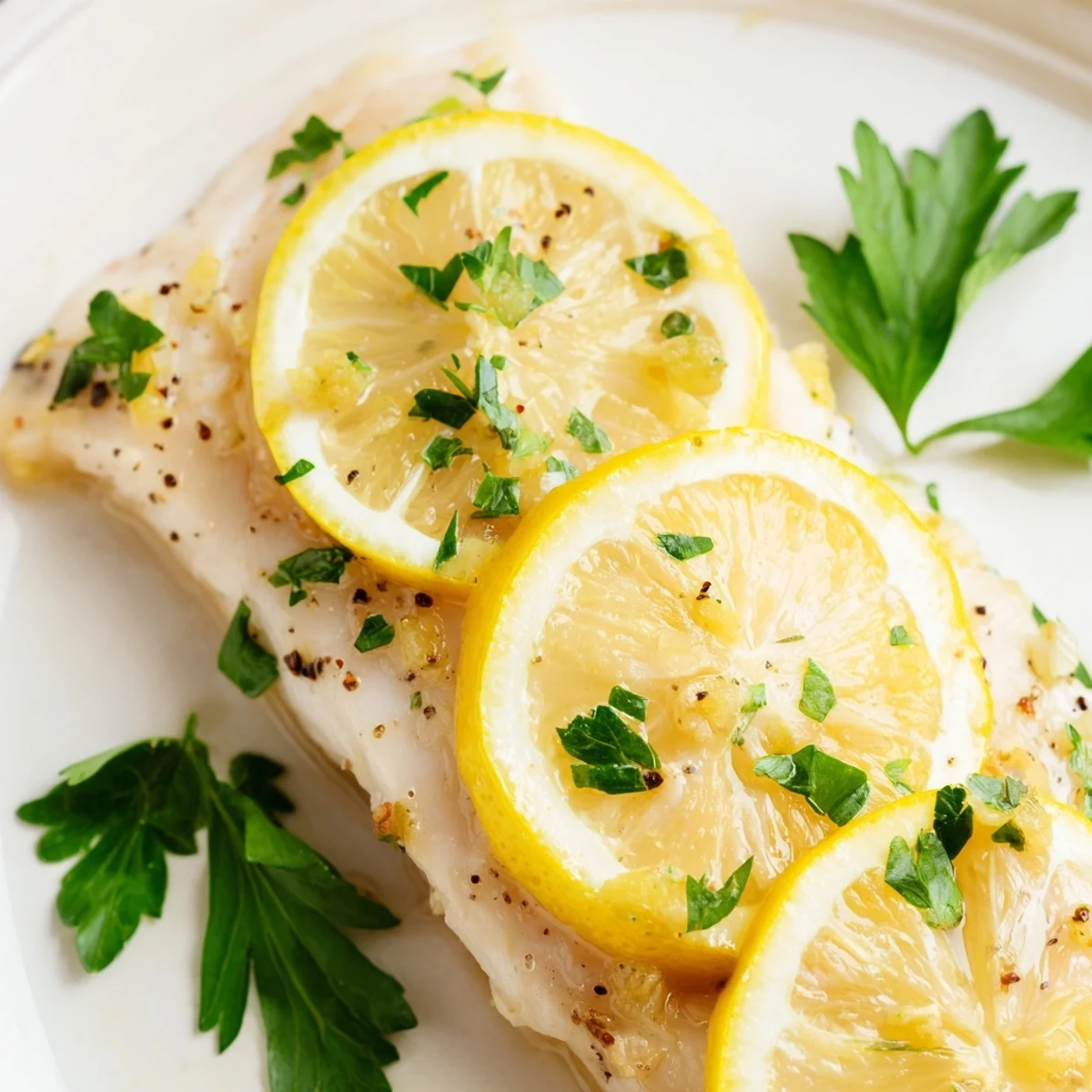
- Lay two or three thin lemon slices on each fillet so they cook down into the fish and flavor it from above.
- Bake until flaky:
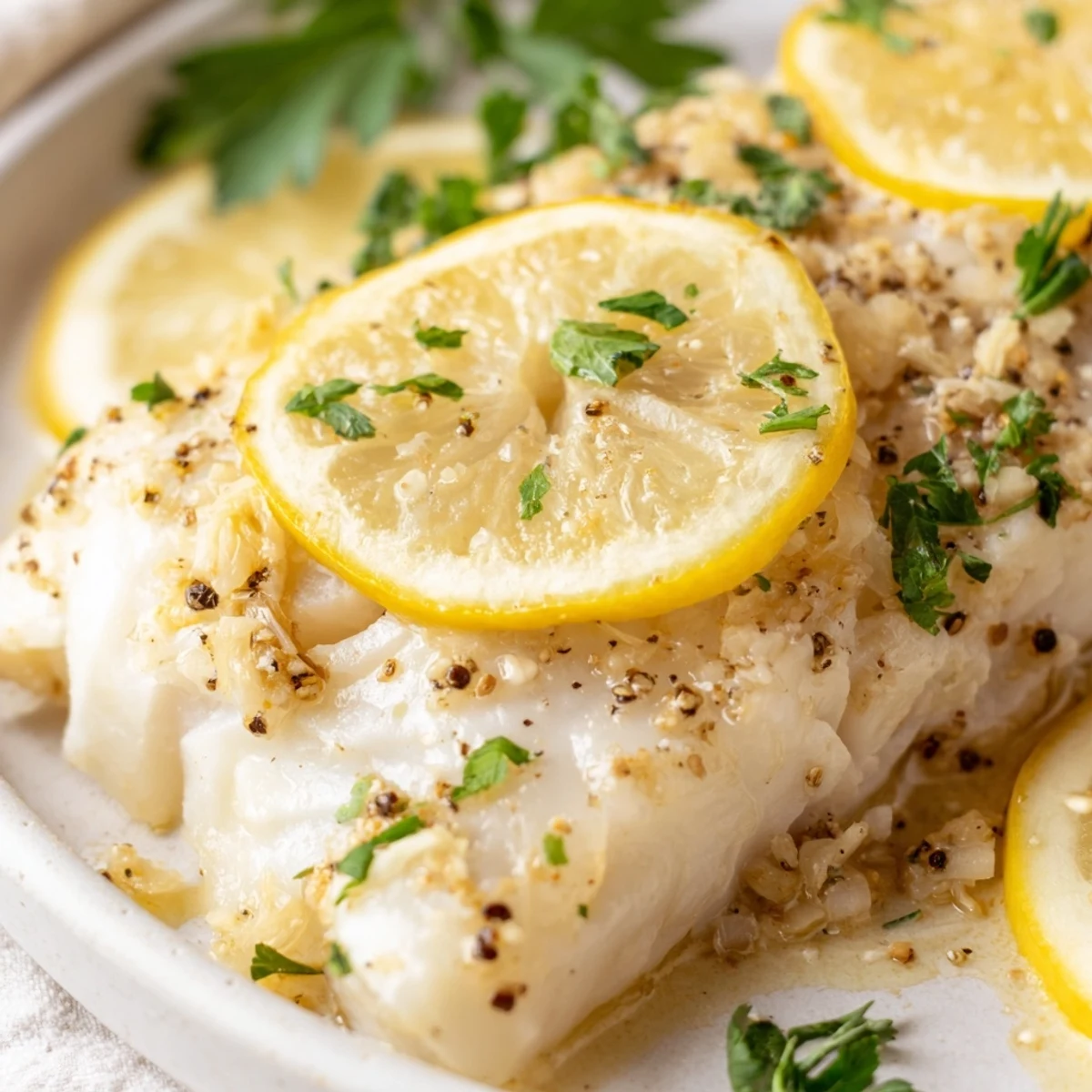
- Slide the tray into the oven for fifteen to twenty minutes—the fish is done when it flakes easily with a fork and the flesh has gone from translucent to opaque white throughout.
- Serve immediately:
- Transfer to plates while it's still hot, add extra parsley and lemon wedges if you're feeling generous, and eat right away when it tastes its best.
 Save
Save My neighbor stopped by while I was cooking this once and asked what smelled so good. I told her it was just fish and lemon, and she looked almost disappointed until she tasted it—that's when I understood that sometimes the most memorable meals are the ones that taste like themselves, nothing more.
Why Simple Fish Works Every Time
There's a reason this dish appears on tables in Mediterranean countries, Scandinavia, and Japan—white fish with lemon is a formula that works because it respects the fish itself rather than drowning it out. The lemon's acid brightens the natural sweetness of the fillet, the garlic adds depth without aggression, and the herbs give you color and a reminder that someone cared about what they were making. Nothing fancy happens here, but that's the whole point.
Timing and Temperature Matter More Than Skill
I've made this dish maybe fifty times now, and the difference between a perfect result and a slightly overcooked one has nothing to do with technique and everything to do with understanding that fish at 200°C behaves the same way every time. The first time I made it, I worried I was doing something wrong because it seemed too easy. Now I know that easy recipes are easy because they work, and this one does, reliably and without fuss.
Ways to Adapt Without Losing the Plot
The structure of this recipe—fat, acid, seasoning, heat—stays the same whether you're using white wine instead of nothing, dill instead of parsley, or capers instead of garlic. What changes is the flavor direction, not the method, which is why you can make this ten times and have it taste different each time without ever feeling like you're starting from scratch. The fish is always the star; everything else is just choosing what kind of spotlight you want to shine on it.
- Try substituting the parsley with fresh dill or basil depending on what you have and what mood you're in.
- A splash of white wine poured onto the tray before baking adds a gentle acidity and keeps everything moist without making it heavy.
- Serve alongside roasted vegetables, rice, or a sharp salad to balance the richness of the olive oil.
 Save
Save This recipe taught me that the best food is often the kind that doesn't ask for attention but repays it with tenderness and clarity. Make it for yourself on a weeknight, make it for someone you're trying to impress, make it because you have fish and lemon and nothing else sounds good—it works every time.
Common Questions
- → What type of fish works best for this dish?
-
White fish fillets such as cod, haddock, or tilapia are ideal for their mild flavor and flaky texture.
- → Can I use dried herbs instead of fresh parsley?
-
While fresh parsley offers vibrant flavor, dried herbs can be used but in smaller amounts to avoid overpowering the dish.
- → How do I know when the fish is fully cooked?
-
The fish is done when it flakes easily with a fork and appears opaque throughout.
- → Is it possible to prepare this without olive oil?
-
Olive oil adds moisture and flavor, but alternatives like avocado oil or a light cooking spray could be used as substitutes.
- → What side dishes pair well with baked fish fillets?
-
Steamed vegetables, rice, or a fresh salad complement the baked fish nicely, balancing the plate.
