
 Save
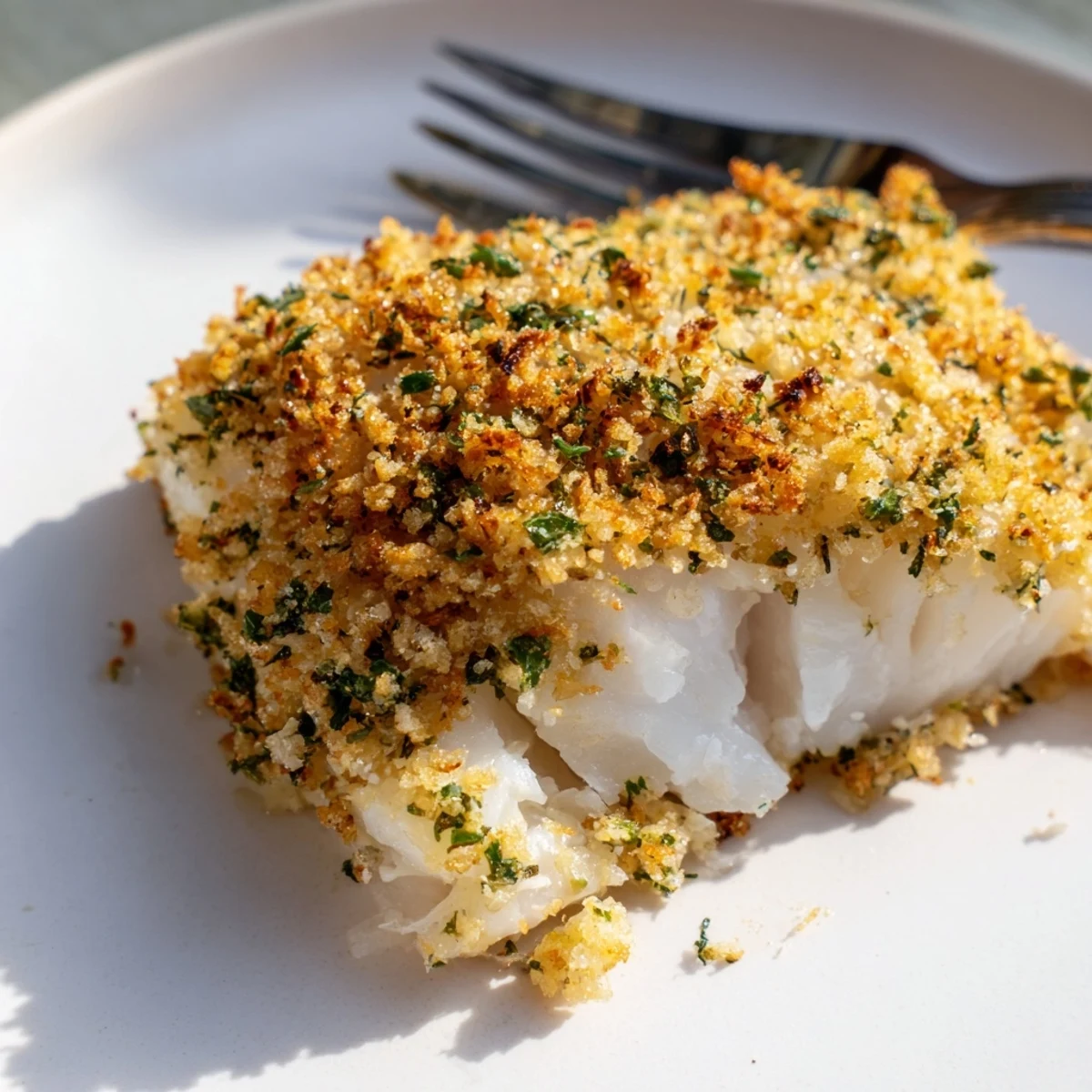
Save This dish features tender cod fillets topped with a golden, flavorful crust made from panko breadcrumbs, fresh parsley, dill, lemon zest, garlic, and olive oil. The crust adds a satisfying crunch and herbaceous aroma that complements the flaky fish underneath. Simply season the fillets, press the crust mixture on top, and bake until golden and cooked through. Perfect for a quick, light meal that pairs well with lemon wedges and white wine.
There's something magical about the simplicity of a perfectly baked cod fillet, especially when you're standing in your kitchen on a weeknight with barely thirty minutes to spare. I discovered this recipe during a phase where I was tired of fussy seafood preparations—I wanted something that tasted restaurant-quality but didn't demand hours of my time. The first time I pressed that herb and panko crust onto the fish, the aroma that filled my kitchen felt like a small victory. It's become the dish I reach for whenever I want to feel like I'm doing something impressive while barely trying.
I made this for my partner one evening when they'd had a rough day, and I watched their whole expression shift with that first bite. They said it was like eating something from a restaurant we could never afford, and I felt a little smug knowing I'd spent less than fifteen minutes preparing it. That's when I realized this recipe wasn't just convenient—it was genuinely generous in the way it made people feel cared for.
Ingredients
- Cod fillets (4, about 170 g each): Look for thick, evenly-sized pieces so they cook uniformly—thinner edges will dry out while thicker centers are still cooking, and patting them completely dry before seasoning is the secret move that nobody talks about.
- Panko breadcrumbs (1 cup): These coarse Japanese crumbs are what give you that superior golden crunch that regular breadcrumbs can never achieve, and they'll turn beautifully crispy in the oven without burning.
- Fresh parsley and dill: Fresh herbs make the difference between a decent crust and one that tastes alive—dried herbs are fine if that's what you have, but fresh changes everything.
- Lemon zest (2 tsp): Microplane or box grater, doesn't matter, but this is where the brightness comes from that makes people say the fish doesn't taste fishy.
- Olive oil (1/4 cup): This is the binder that makes everything stick together and turn golden, so don't skimp on it or get tempted to use less.
- Garlic and Parmesan (optional): The garlic adds umami depth that sneaks up on you, and the Parmesan is optional because some nights you want it and some nights you don't.
Instructions
- Heat your oven and prepare your surface:
- Get the oven to 200°C (400°F) and line a baking sheet with parchment paper—this prevents sticking and cleanup becomes almost meditative. If you're using a baking dish instead, a light grease works just fine.
- Dry and season the fish:
- Pat those fillets dry with paper towels like you mean it, because any moisture on the surface is the enemy of a good crust. Season generously with salt and pepper on both sides, then lay them out on your prepared surface.
- Mix your golden topping:
- In a bowl, combine the panko, fresh herbs, lemon zest, minced garlic, olive oil, and Parmesan if you're using it, stirring until it looks like wet sand. The oil should coat everything evenly, which is the sign you're ready to move forward.
- Crown each fillet:
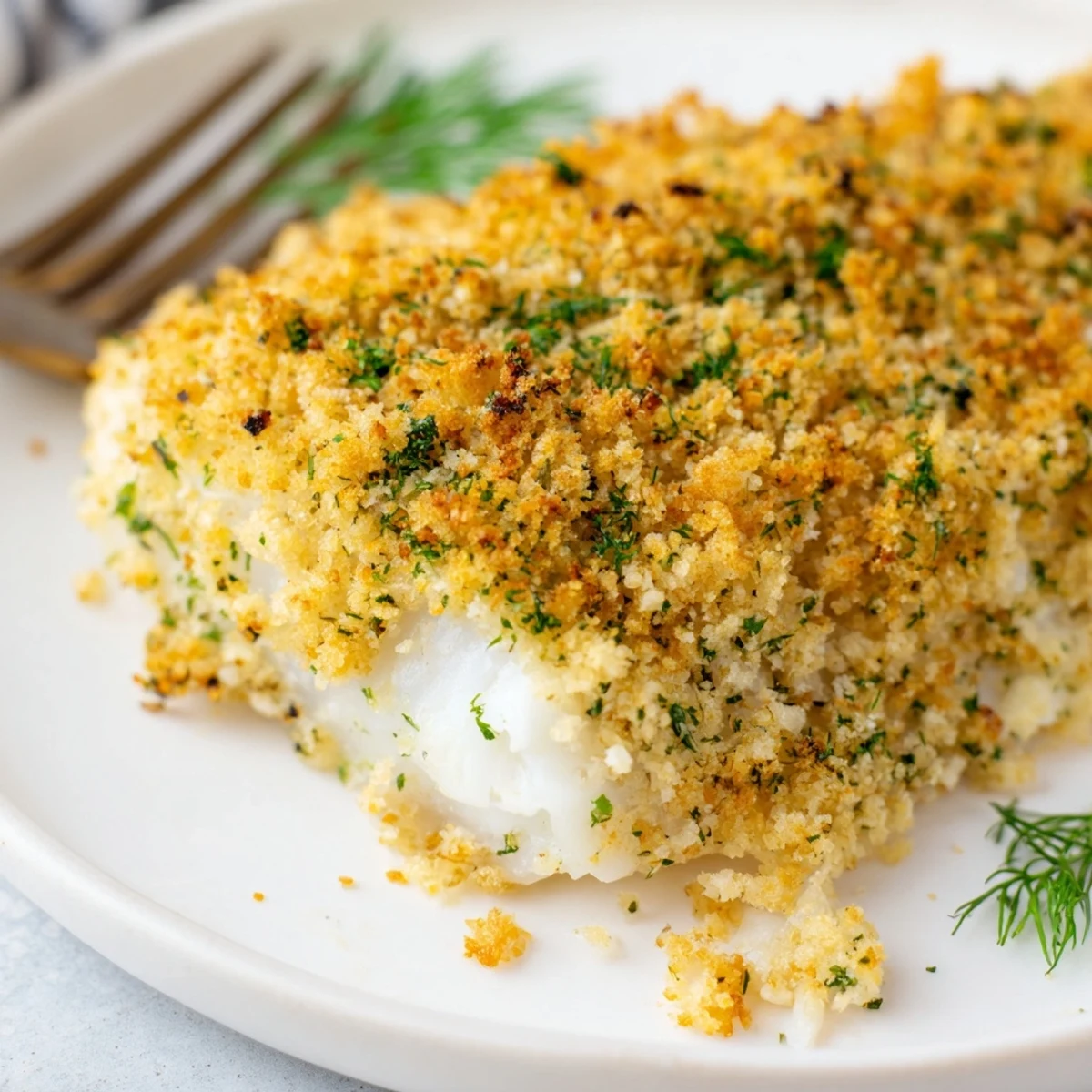
- Spoon the panko mixture onto each cod fillet and press gently with the back of your spoon—firm enough that it adheres but gentle enough that you're not compressing the fish. It should look golden and generous, like you're giving each fillet a little hat.
- Bake until the crust sings:
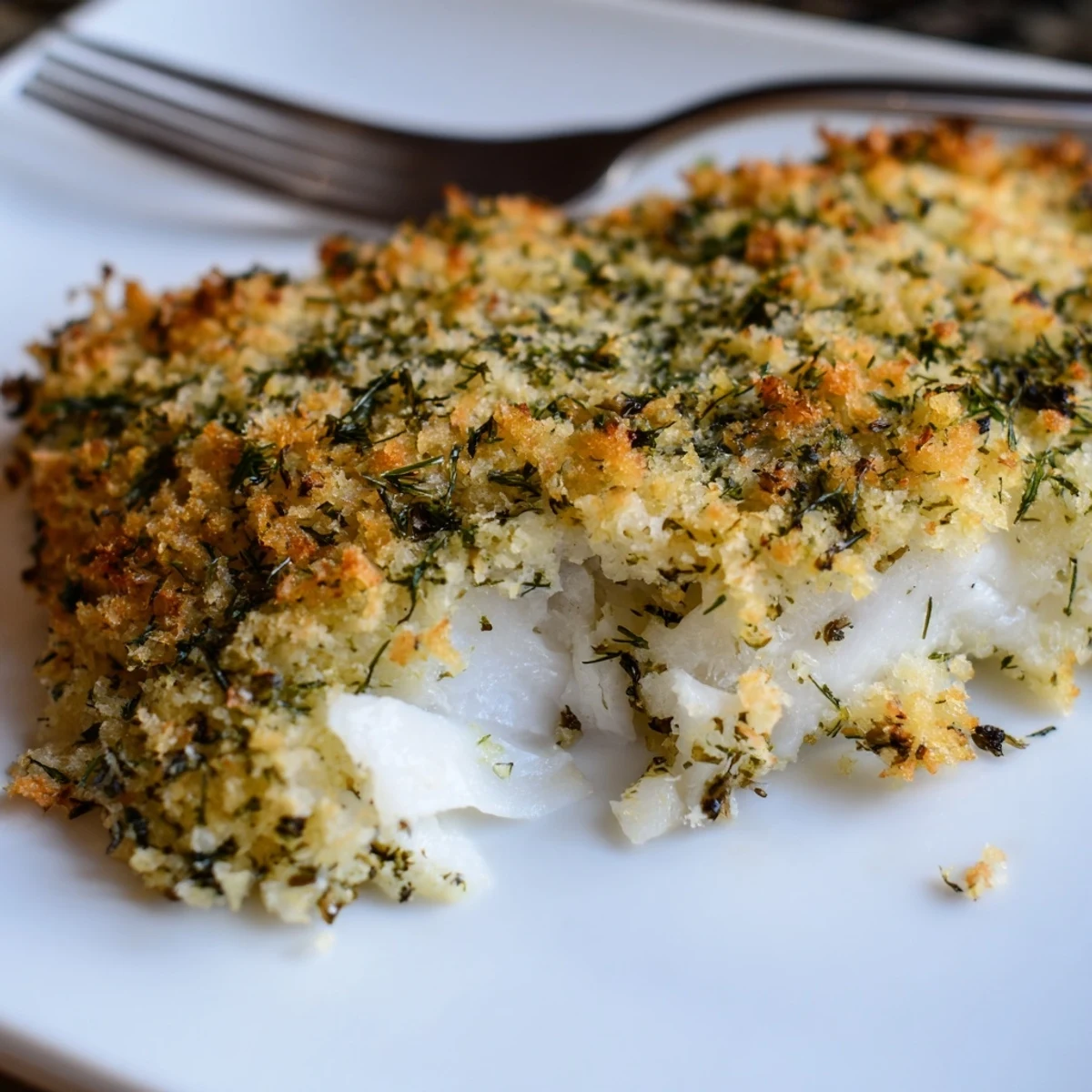
- Into the oven for 15–20 minutes, watching until the crust turns deep golden and the flesh flakes easily when you test it with a fork. You'll know it's done when the edges of the crust are almost caramelized and the kitchen smells like a Mediterranean restaurant.
- Serve with brightness:
- Plate immediately while the crust is still crispy, and squeeze fresh lemon over everything right at the table if you can manage it. That citrus makes the whole dish feel complete.
 Save
Save I remember making this for my family's Easter dinner last spring, and my grandmother—who is notoriously hard to impress when it comes to seafood—asked for the recipe. That moment meant more to me than any compliment she'd ever given about my cooking, because it meant I'd managed to make something that felt both simple and special at once.
Why This Crust Works So Well
The magic isn't complicated—it's just about understanding that panko's structure is wider and more porous than regular breadcrumbs, which means it crisps up instead of turning dense and soggy. The olive oil acts as a vehicle for flavor and heat, turning everything golden while the lemon zest and fresh herbs make sure every bite tastes bright and intentional. It's the kind of topping that elevates humble fish without pretending to be something it isn't.
Timing and Temperature Matter
Getting the oven temperature right is half the battle—400°F is hot enough that the crust browns before the fish dries out, but not so hot that everything burns before the center cooks through. If your oven runs hot or cold, you might need to adjust by a few minutes either way, so the first time you make this, keep an eye on it. The fish is done when it flakes easily but still looks slightly translucent in the very center, because it will keep cooking for a minute after you pull it out.
Make It Your Own
This recipe is a blueprint, not a prison—I've made it with haddock when that's what the fishmonger recommended, and I've swapped the dill for tarragon on nights when that felt right. The structure stays the same: good fish, dry surface, seasoned crust, hot oven, fifteen to twenty minutes of patience. You could add a pinch of paprika to the crust for warmth, or fresh chives instead of parsley if that's what you're drawn to, and the dish will still taste like a restaurant meal you made yourself in your own kitchen.
- If you're making this for more than four people, double the crust mixture and use another baking sheet rather than crowding them together.
- Leftover fish can be gently reheated in a 300°F oven for about five minutes, though honestly it's best eaten fresh.
- The crust mixture can be made a few hours ahead and kept in the fridge, which means you can have everything prepped before you get home from work.
 Save
Save This is the kind of recipe that proves you don't need complicated techniques or hours of time to feel proud of what you've cooked. It's become my answer to the question that nobody asks out loud but everyone wonders: how do you make weeknight dinner feel like celebration?
Common Questions
- → What type of fish works best for this dish?
-
Skinless, boneless cod fillets are ideal due to their firm texture and mild flavor, but haddock or pollock can be used as alternatives.
- → How can I ensure the crust stays crispy after baking?
-
Press the panko and herb mixture firmly onto the fish before baking and avoid adding extra moisture. Optional toasting the panko beforehand also enhances crispiness.
- → Can I prepare this dish ahead of time?
-
You can assemble the coated fillets and refrigerate briefly before baking, but best to bake just before serving to maintain crust texture.
- → Are there any suitable substitutions for Parmesan cheese?
-
Yes, Parmesan is optional; omit for a dairy-free version or substitute with nutritional yeast for a similar savory note.
- → What sides pair well with this baked cod dish?
-
Light sides such as steamed vegetables, rice, or a crisp salad complement the dish nicely, as does a wedge of lemon for brightness.
