
 Save
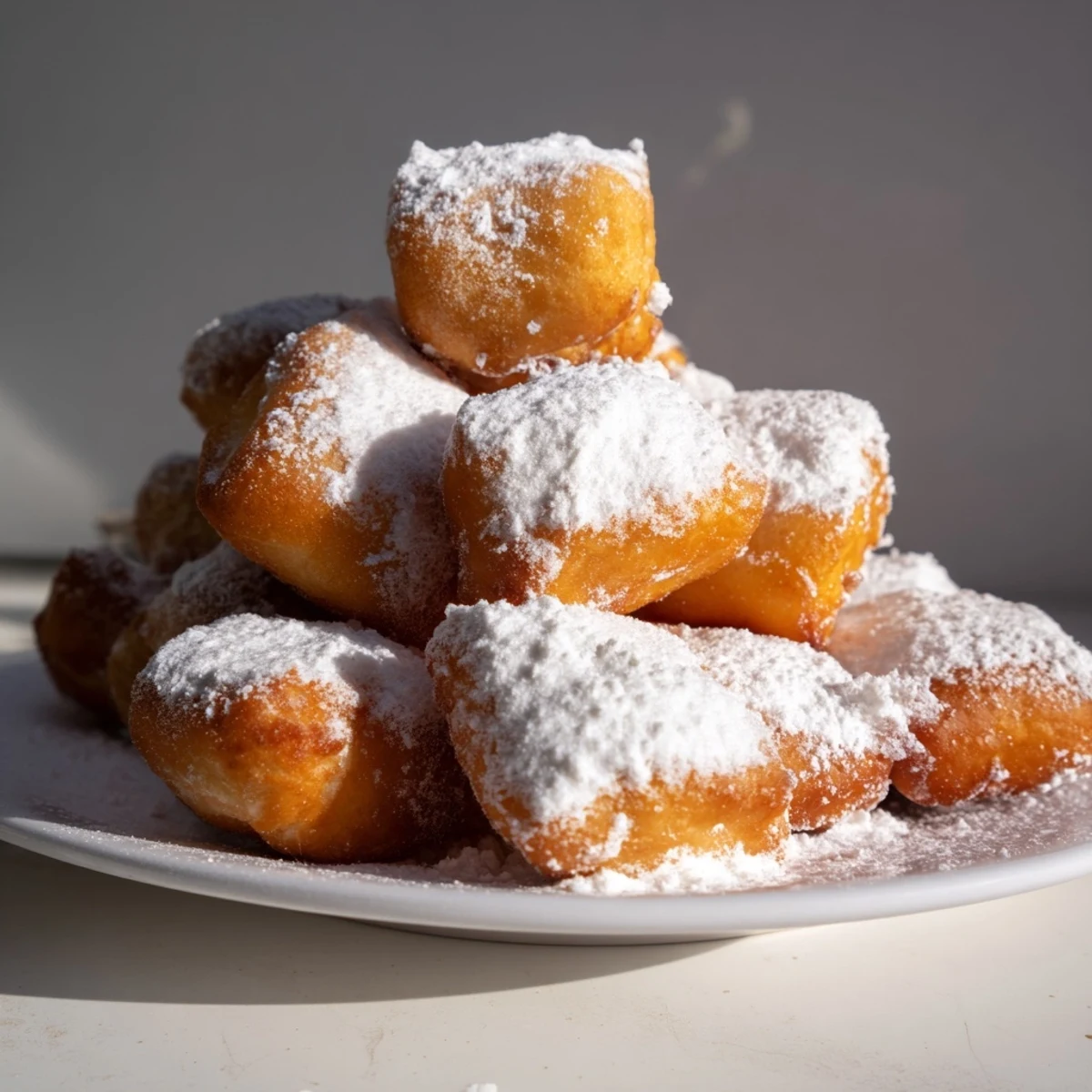
Save These classic vanilla French beignets are light, airy, and perfectly pillowy. Made with a yeast-raised dough enriched with eggs, butter, and pure vanilla extract, they fry up golden brown and puffy. A generous dusting of powdered sugar creates that signature sweet finish. Best enjoyed warm and fresh, these delicate treats capture the essence of French patisserie at home.
The first time I bit into a warm beignet in New Orleans, powdered sugar puffed up around me like a sweet little cloud and I understood why people wait in those long lines at Café du Monde. Years later in my tiny apartment kitchen, I discovered that making them at home fills your entire home with this incredible vanilla aroma that makes neighbors wish they were your friends. My version has become a Sunday morning tradition that somehow makes even rainy days feel festive and bright.
Last winter my sister came over during a snowstorm and we made these together while drinking coffee and watching old movies. We burned the first batch because we were too busy laughing and completely lost track of time, which taught me to keep a kitchen timer nearby no matter how good the conversation gets. Now whenever she visits, beignets are non-negotiable, even if it means sending someone out for more powdered sugar because we always use way more than the recipe calls for.
Ingredients
- All-purpose flour: This creates the perfect structure for that classic puffy texture without becoming too dense or bread-like
- Active dry yeast: Make sure your water is warm but not hot, around 105°F, or you will kill the yeast before it can work its magic
- Whole milk: I have tried lower fat versions but whole milk really does give the best richness and tenderness to the final dough
- Unsalted butter: Melt it and let it cool completely so it does not scramble your eggs when you add everything together
- Pure vanilla extract: Do not skimp here because this is what gives these beignets their signature warm, comforting aroma
- Powdered sugar: You will almost certainly need more than one cup for generous dusting, and that is exactly how it should be
Instructions
- Wake up the yeast:
- Combine the warm water with yeast in a small bowl and wait about 5 minutes until you see a lovely foamy layer on top, which tells you it is alive and ready to work.
- Mix your dry base:
- Whisk together flour, sugar, and salt in your stand mixer bowl so everything is evenly distributed before adding any wet ingredients.
- Bring it together:
- Add the yeast mixture, warm milk, eggs, melted butter, and vanilla, then mix with a dough hook on medium speed for about 5 to 7 minutes until you have a smooth, slightly sticky dough that pulls away from the sides of the bowl.
- Let it rise:
- Transfer the dough to a lightly oiled bowl, cover with plastic wrap, and find a warm spot for it to double in size, which takes anywhere from 1 to 1.5 hours depending on your kitchen temperature.
- Roll and cut:
- Punch down the dough gently, turn it onto a floured surface, and roll it out to about half an inch thick before cutting into 2-inch squares with a sharp knife or pastry cutter.
- Second rise:
- Place the squares on a parchment-lined baking sheet, cover them lightly, and let them rise for another 30 minutes until they look puffy and airy.
- Heat the oil:
- Get your vegetable oil to 350°F in a large, heavy-bottomed pot and keep a thermometer nearby because maintaining the right temperature is crucial for perfectly cooked beignets.
- Fry to golden:
- Cook the beignets in batches for 1 to 2 minutes per side until they are beautifully golden brown and puffed up, being careful not to crowd the pot or the oil temperature will drop too much.
- Dust and serve:
- Let them drain briefly on paper towels, then while they are still warm, shower them generously with powdered sugar and serve immediately because that is when they are absolutely perfect.
 Save
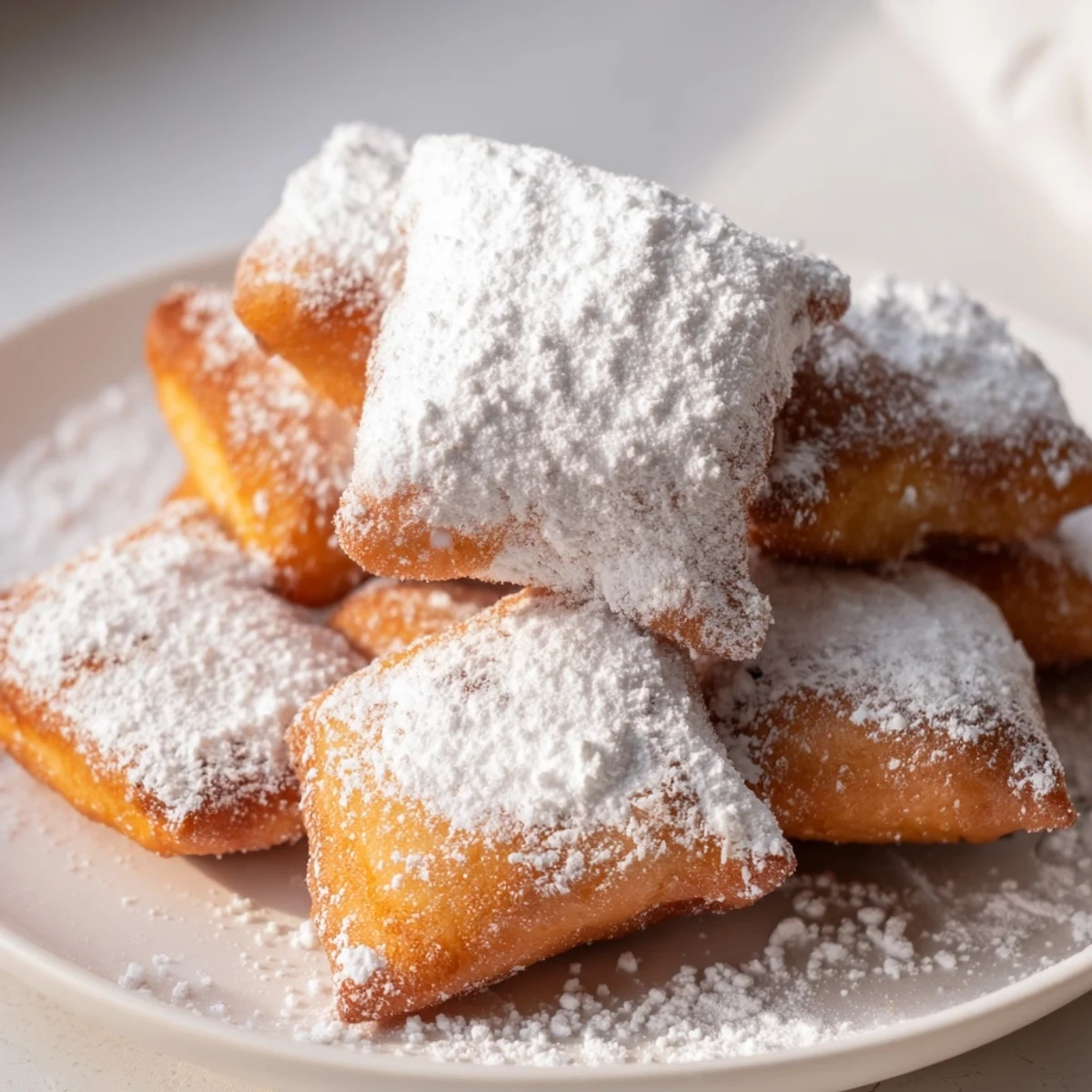
Save These beignets have become my go-to comfort food, the thing I make when everything else feels overwhelming and I need something that reliably brings joy. There is something almost meditative about the process of making them, from watching the dough rise to that magical moment when they puff up in the hot oil like edible clouds.
Getting That Perfect Rise
I have learned that yeast doughs are surprisingly forgiving if you understand what they need. A warm, draft-free spot is ideal for rising, and I sometimes preheat my oven for just a minute then turn it off and let the dough rise inside with the door cracked open. The key is patience because rushing the rise will give you dense, disappointing beignets instead of the light pillows you are dreaming about.
Frying Without Fear
Deep frying can feel intimidating if you are new to it, but the right equipment makes all the difference. A heavy-bottomed pot helps maintain consistent oil temperature, and a good thermometer takes all the guesswork out of the process. Keep a box of baking soda nearby for safety, but remember that hot oil and water are enemies, so never add anything wet to hot oil.
Serving Ideas That Elevate
While plain powdered sugar is classic, I love setting up little bowls of different dipping options when I have friends over. Warm chocolate sauce, tart raspberry jam, or even just some local honey alongside the beignets turns them into an interactive experience that keeps everyone at the table longer.
- A cup of strong coffee or café au lait is the traditional pairing that really makes this feel like an authentic French breakfast
- If you want to get fancy, a tiny pinch of sea salt over the powdered sugar creates this incredible sweet and salty contrast
- Leftover beignets can be split and used as the base for an indulgent bread pudding the next morning
 Save
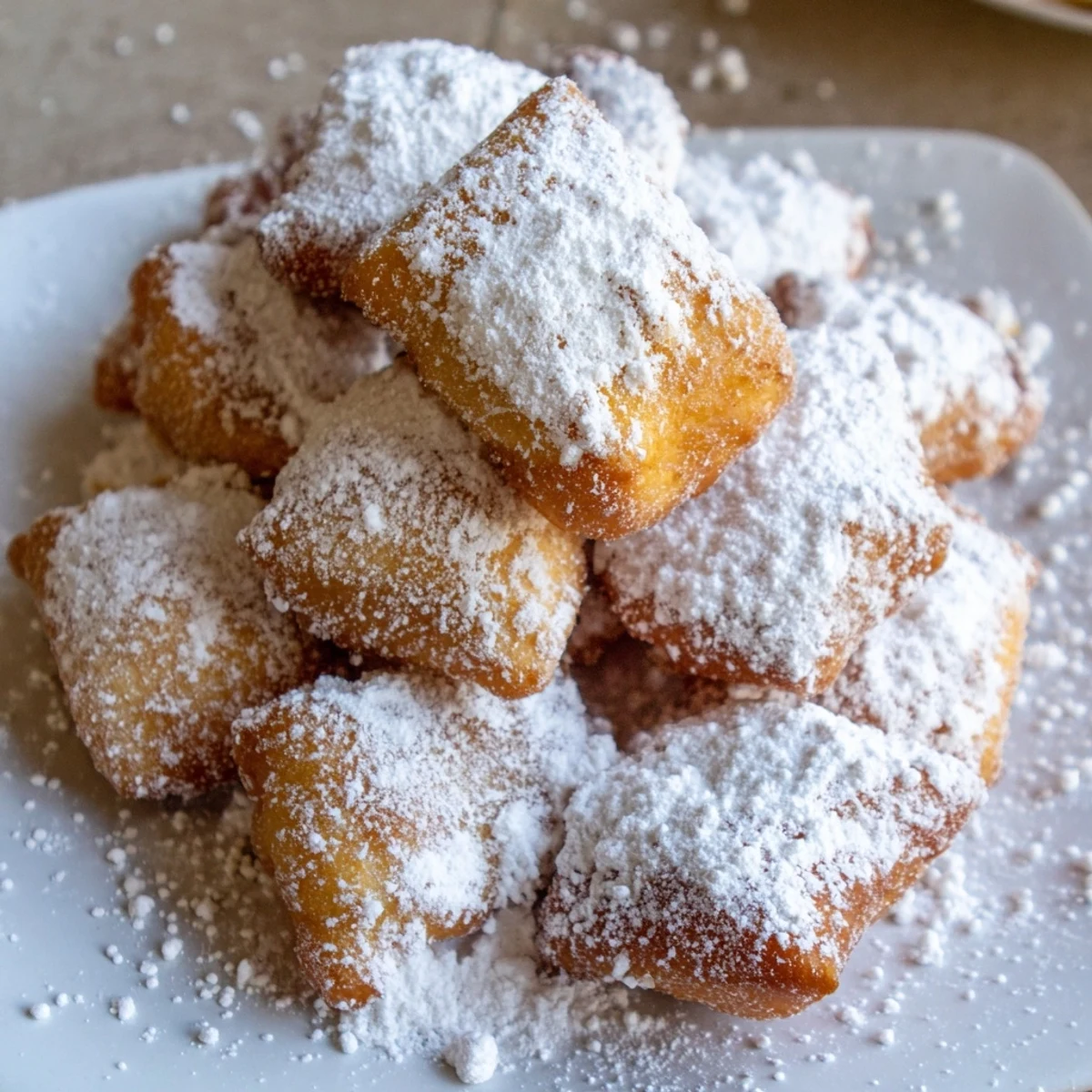
Save There is something纯粹 joyful about standing over a pot of frying beignets, dusted with sugar, and sharing them with people you love. I hope these become part of your own kitchen traditions.
Common Questions
- → What makes French beignets different from other fried doughs?
-
French beignets use a yeast-raised choux-like dough that creates an incredibly light and pillowy texture. The addition of eggs and butter enriches the dough, while the double rising process develops those characteristic air pockets inside. Unlike denser fried doughs, beignets puff up dramatically during frying, creating that signature airy interior.
- → How do I know when the oil is at the right temperature?
-
Use a kitchen thermometer to maintain 350°F (175°C). If you don't have one, test by dropping a small piece of dough into the oil—it should sizzle immediately and rise to the surface within seconds. Oil that's too cool will make greasy beignets, while oil that's too hot will burn the outside before cooking through.
- → Can I make beignet dough ahead of time?
-
Absolutely. After the first rise, you can refrigerate the dough overnight for a slow, cold fermentation. This actually enhances flavor development. Let the dough come to room temperature before rolling and cutting. You can also cut the beignets and freeze them on a baking sheet, then fry directly from frozen—just add an extra minute to the frying time.
- → Why did my beignets turn out flat instead of puffy?
-
Flat beignets usually mean underproofed dough or oil that's too cool. Ensure the dough doubles in size during both rises—don't rush this process. Also, maintain proper oil temperature throughout frying. If the oil drops below 350°F, the beignets won't puff properly. Fry in small batches to prevent the oil temperature from dropping too much.
- → What's the best way to reheat leftover beignets?
-
While beignets are undoubtedly best fresh, you can reheat them in a 350°F (175°C) oven for 3-5 minutes until warmed through. Avoid microwaving as this makes them tough. After reheating, give them another light dusting of powdered sugar to refresh their appearance. The texture won't be quite as delicate as fresh, but they'll still be delicious.
- → Can I bake beignets instead of frying them?
-
Technically yes, but the texture will be quite different—more like a bread than a traditional beignet. To bake, brush with melted butter and bake at 400°F (200°C) for 12-15 minutes, flipping halfway. They won't develop that characteristic crispy exterior or airy interior, but they're a lighter alternative if you prefer to avoid deep frying.
