
 Save
Save This moist bundt cake combines fresh lemon zest and juice with crunchy poppy seeds for a fragrant and flavorful treat. The batter blends softened butter, sugar, eggs, and buttermilk with flour, baking powder, baking soda, salt, and poppy seeds, producing a tender crumb. Baked to golden perfection, it is then finished with a bright lemon glaze made from powdered sugar, lemon juice, and zest, delivering a zesty balance. Perfect for gatherings or a sweet indulgence, this cake also pairs well with fresh berries for a summery twist.
There's something about the smell of lemon zest hitting hot butter that makes a kitchen feel less like a room and more like a moment worth remembering. I discovered this cake on a gray spring afternoon when I needed something bright to bring to a neighbor's porch—not fancy, just honest. The first time it came out of the bundt pan, golden and practically glowing, I knew I'd found something special.
I made this for my brother's birthday once, and he stood in the kitchen just eating glaze off a spoon before I could even get the cake on a plate—that's when I knew the recipe was doing its job. There's something about the balance of tartness and sweetness that catches people off guard in the best way, makes them pause and actually taste what they're eating.
Ingredients
- All-purpose flour (3 cups): The foundation that keeps the crumb tender; measuring by weight takes the guesswork out and prevents a dense cake.
- Baking powder and baking soda (2½ tsp and ½ tsp): These work together to give the cake its gentle rise—don't skip the baking soda, it balances the acidity of the buttermilk and lemon.
- Poppy seeds (2 tbsp): Toast them lightly in a dry skillet first if you want them to taste more alive and nutty.
- Unsalted butter (1 cup), softened: Room temperature is non-negotiable here; cold butter won't cream properly and you'll lose the tender crumb you're after.
- Granulated sugar (2 cups): The creaming step is where the magic happens—those 3 to 4 minutes of beating aren't wasted time, they're building the cake's foundation.
- Eggs (4 large), room temperature: Cold eggs won't incorporate smoothly and will make the batter look curdled; let them sit out while you prep everything else.
- Lemon zest and juice: Use a microplane for zest so you get the fragrant oils without the bitter white pith, and always zest before cutting the lemon in half for juice.
- Buttermilk (1 cup), room temperature: If you don't have buttermilk, mix regular milk with a splash of lemon juice or vinegar and let it sit for five minutes—it's a reliable workaround.
- Vanilla extract (2 tsp): Pure vanilla makes a noticeable difference; the imitation version leaves a slightly flat aftertaste.
- Powdered sugar (1½ cups), sifted: Sifting removes lumps that refuse to smooth out in the glaze, no matter how much you whisk.
Instructions
- Heat the oven and prepare the pan:
- Preheat to 350°F and really take time greasing and flouring the bundt pan—I use a pastry brush to get into every crevice, then tap out the excess flour. This step determines whether your cake releases cleanly or sticks stubbornly to the edges.
- Mix the dry ingredients:
- Whisk together flour, baking powder, baking soda, salt, and poppy seeds in a medium bowl. You're distributing the leavening agents evenly so every slice rises the same way.
- Cream butter and sugar:
- Beat them together on medium speed for 3 to 4 minutes until the mixture looks pale, fluffy, and feels like soft clouds under the beaters. This aerates the batter and sets up the tender crumb you're after.
- Add eggs and flavorings:
- Drop in one egg at a time, beating well after each one so the mixture stays smooth and emulsified. Then mix in the lemon zest and vanilla—the batter should smell almost perfumed at this point.
- Combine the wet mixture:
- Stir together buttermilk and lemon juice in a small bowl; they'll separate slightly, which is exactly what you want.
- Alternate wet and dry:
- Reduce the mixer to low speed and add one third of the flour mixture, then one half of the buttermilk mixture, then another third of flour, then the rest of the buttermilk, then the final flour portion. Mix just until combined—overmixing toughens the cake, and you want tender crumbs, not a tough sponge.
- Pour and bake:
- Spread the batter evenly into the prepared bundt pan and smooth the top with a rubber spatula. Bake for 40 to 45 minutes until a toothpick inserted near the center comes out clean or with just a crumb or two.
- Cool properly:
- Let the cake rest in the pan for 15 minutes—this allows it to firm up slightly—then carefully invert it onto a wire rack to cool completely. Rushing this step risks cracking or breaking the cake apart.
- Make the glaze:
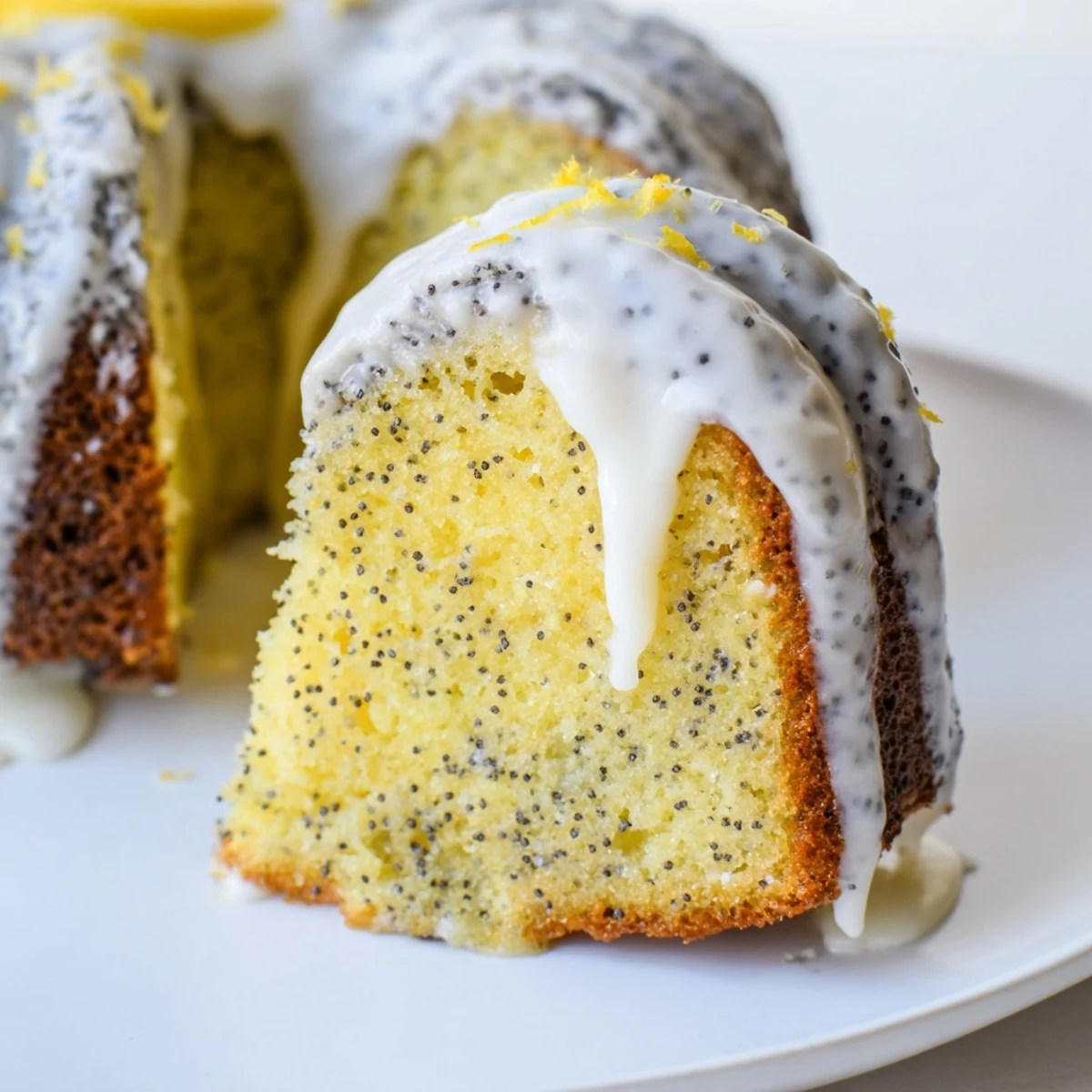
- Whisk together sifted powdered sugar, lemon juice, and zest until smooth and pourable; add more juice a teaspoon at a time if it's too thick. The glaze should flow but not run.
- Finish and set:
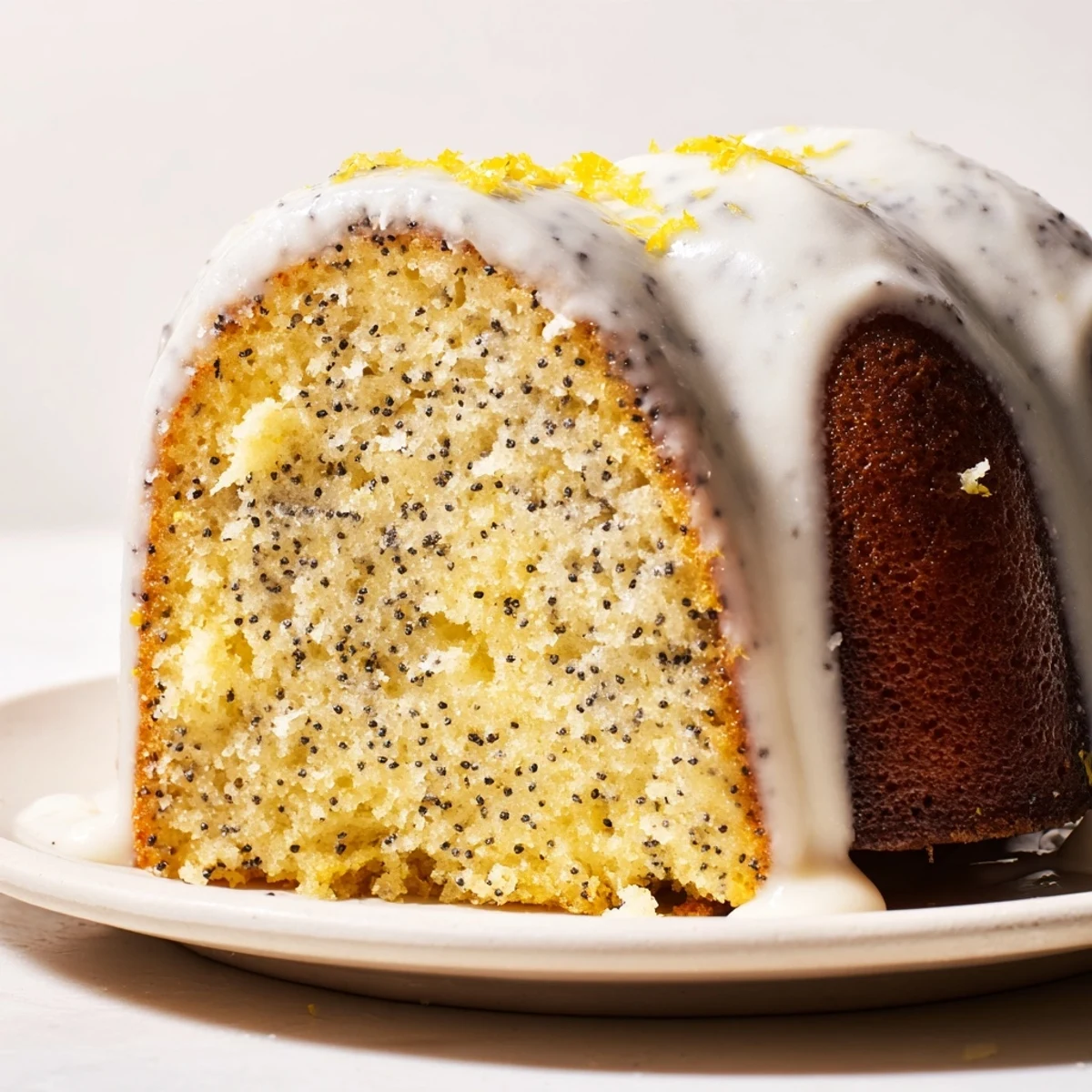
- Once the cake is fully cooled, drizzle the glaze evenly over the top and let it set for at least 30 minutes before slicing so the glaze firms up slightly.
 Save
Save I learned the value of this cake when my neighbor came over on a random Thursday with news that her test results were finally clear, and we sat on the porch eating slices still warm from the rack, talking about nothing important. Food doesn't heal, but it marks moments, and this cake has marked several.
Why the Flavor Works
Lemon is bright but not aggressive in this cake—the buttermilk and vanilla soften its edges, while the poppy seeds add an almost savory undertone that keeps the sweetness honest. The glaze ties it all together with one more hit of citrus, just enough to remind you why you made it in the first place. It's a cake that tastes like sunshine without tasting like artificial flavoring.
Storage and Keeping
Wrapped tightly at room temperature, this cake stays moist and delicious for three days, maybe four if you're careful. The flavor actually deepens on day two as the lemon juice continues to hydrate the crumb, so it's not a sacrifice to make it ahead. If you need longer, wrap it well and freeze for up to a month—thaw at room temperature and add fresh glaze if the original has cracked.
Variations and Add-Ons
The basic recipe is perfect as-is, but it's also forgiving enough to play with if you want something different—a half teaspoon of almond extract adds subtle complexity, fresh berries on the plate bring color and tang, and a touch of lavender in the glaze moves it into more elegant territory.
- If you're feeling ambitious, add a light cream cheese frosting instead of glaze for a richer cake.
- A thin layer of raspberry jam brushed on the cooled cake before glazing adds tartness and sophistication.
- Serve with whipped cream or a simple vanilla ice cream if you want to turn it into something that feels more like celebration.
 Save
Save This cake lives in the space between simple enough for a Tuesday afternoon and special enough for moments that matter. Make it, and it becomes yours.
Common Questions
- → What pan size is best for this bundt cake?
-
A 10 to 12-cup bundt pan works best to allow proper baking and shape formation.
- → Can I substitute ingredients for dietary preferences?
-
This version contains eggs and dairy; for variations, consider substitutes like plant-based butter or egg replacers but expect texture differences.
- → How do I ensure the cake doesn't stick to the pan?
-
Thoroughly grease and flour the bundt pan before pouring in the batter to help with easy removal after baking.
- → What is the best way to make the lemon glaze smooth?
-
Whisk powdered sugar, lemon juice, and zest until smooth and pourable, adjusting juice quantity to desired consistency.
- → Can the cake be stored after baking?
-
Store wrapped at room temperature for up to three days to maintain freshness and flavor.
- → Does adding almond extract affect the flavor significantly?
-
Adding ½ tsp almond extract adds a subtle nutty note that enhances the overall flavor profile without overpowering the lemon.
