
 Save
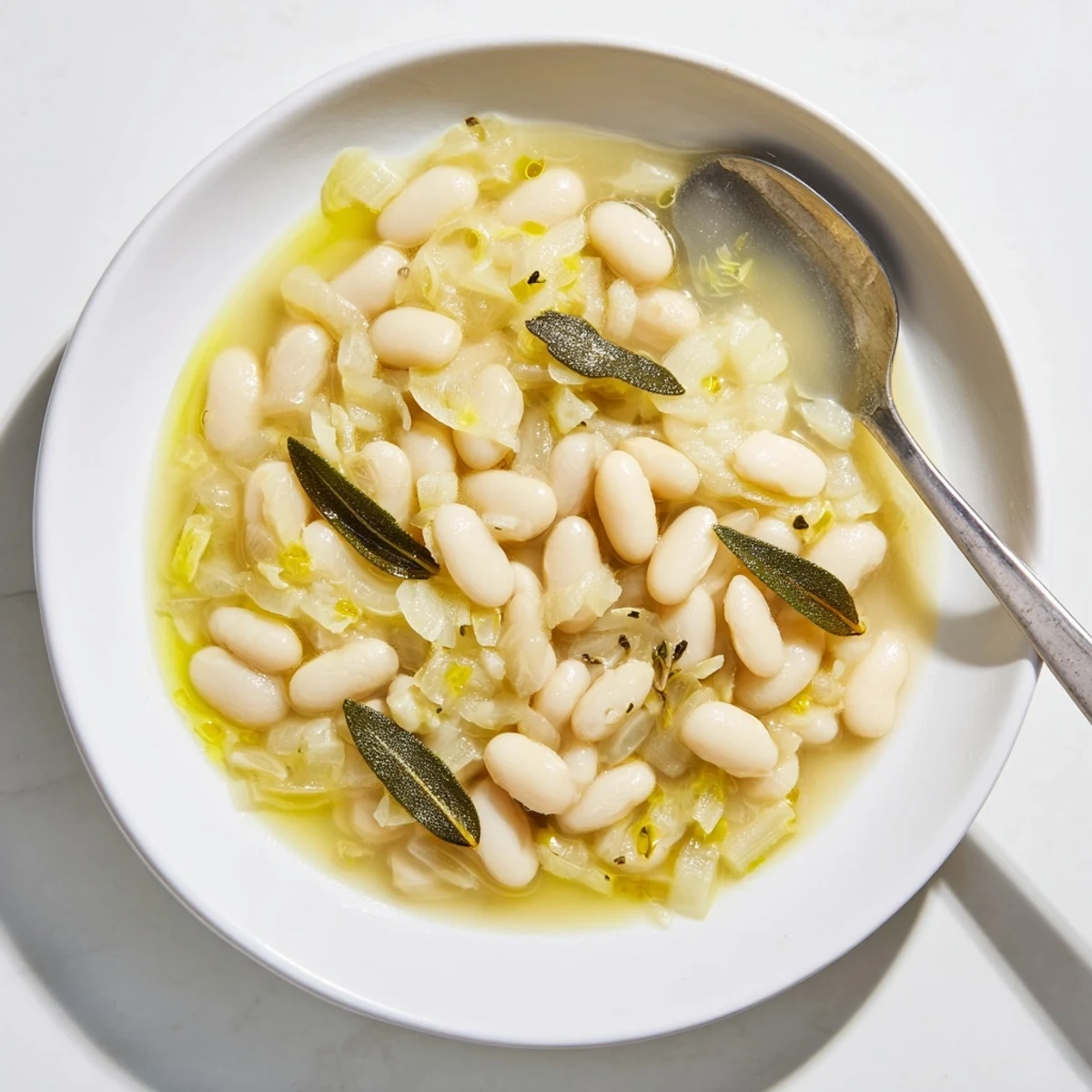
Save These Tuscan white beans deliver creamy comfort with simple ingredients. Cannellini beans simmer slowly with aromatic onions, garlic, fresh rosemary, and sage in quality olive oil and broth. The result is tender, flavorful beans perfect alongside roasted meats, spread on crusty bread, or served over sautéed greens.
Dried beans require overnight soaking and about 40 minutes of simmering to reach that ideal creamy texture. Canned beans offer a quicker 20-minute alternative without sacrificing much flavor. Either way, the aromatic base of herbs and garlic infuses every bean with rich Italian countryside essence.
The first time I had these beans was in a tiny restaurant in Florence, where the owner brought out a simple ceramic bowl and nothing else. No fanfare, no garnish, just these creamy, impossibly tender beans swimming in their own rich broth. I spent the entire meal trying to figure out what made them so extraordinary, and it turned out to be nothing more than patience and really good olive oil.
My roommate in college used to make a version of this whenever we were broke, and wed eat it standing up in the kitchen with forks directly from the pot. We thought we were being so sophisticated, eating Italian food on a Tuesday night. Now I realize she was just teaching me that the best meals dont need fancy ingredients or technique, just attention and care.
Ingredients
- 2 cups dried cannellini beans: Dried beans give you that incredibly creamy texture and control over the final dish, though canned work in a pinch
- 6 cups water: Fresh water for cooking the dried beans helps them cook evenly
- 2 tablespoons extra-virgin olive oil: This is not the place to hold back, good oil becomes part of the sauce
- 1 small yellow onion: Finely chopped so it almost melts into the beans
- 3 garlic cloves: Minced fresh, never jarred, the difference is remarkable
- 2 sprigs fresh rosemary: Whole sprigs infuse the oil without leaving tough bits to pick out later
- 4 fresh sage leaves: Fresh sage has an earthy quality that dried just cant replicate
- 2 cups vegetable or chicken broth: The foundation of that flavorful cooking liquid
- 1 teaspoon kosher salt: Start with this and adjust at the end, salt draws out moisture so timing matters
- 1/2 teaspoon freshly ground black pepper: Grind it right before adding for the best flavor
- Pinch of red pepper flakes: Just enough to make things interesting without overpowering
Instructions
- Soak your beans:
- If using dried beans, cover them with plenty of cold water and let them sit overnight, then drain and rinse before you start cooking
- Build your flavor base:
- Heat olive oil in a heavy pot over medium heat and cook the onion until it turns translucent and soft, about 4 minutes
- Wake up the aromatics:
- Stir in garlic, rosemary, and sage and let everything cook for just 1 minute until the smell fills your kitchen
- Start the simmer:
- Add the beans, broth, and fresh water if using dried, then bring everything to a gentle boil before reducing to a steady simmer
- Let them get creamy:
- Cook uncovered for 30 to 40 minutes, stirring occasionally, until the beans are tender and the liquid has thickened into a sauce
- Finish with seasonings:
- Pull out the herb sprigs and season with salt, pepper, and red pepper flakes, then drizzle with more olive oil before serving
 Save
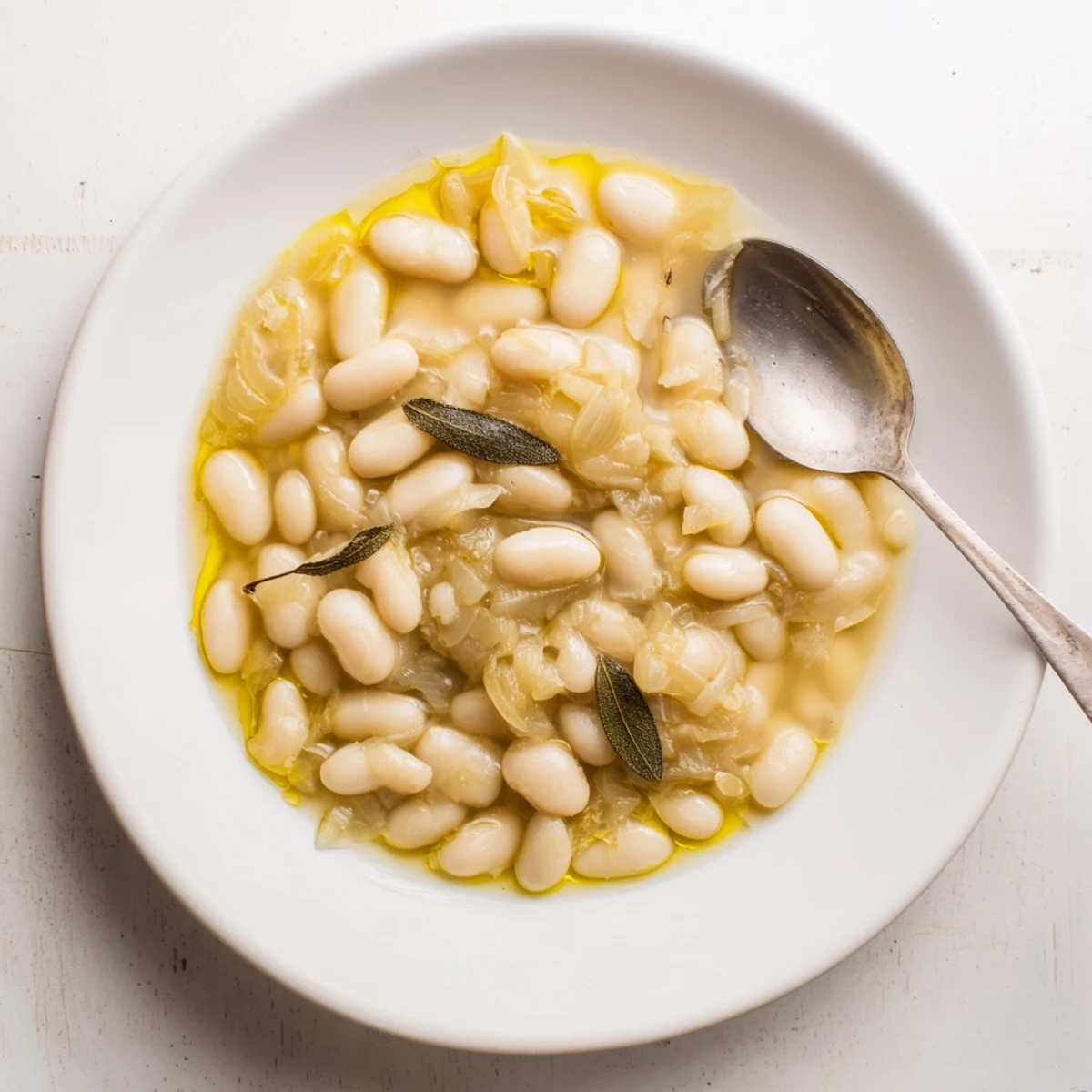
Save Last winter my neighbor came over unexpectedly while I had a batch simmering, and we ended up sitting at the counter sharing the bowl and talking for two hours. Something about the simplicity of the food made the conversation easier, like we were both reminded that good things dont have to be complicated.
Make It Your Own
Ive learned that adding a handful of chopped kale or spinach in the last ten minutes turns this into a complete meal. The greens wilt into the creamy broth and soak up all that garlicky flavor, and suddenly youve got something that feels substantial enough for dinner.
Serving Ideas
These beans are incredible spooned over toasted rustic bread that youve rubbed with raw garlic, the way they do in Florence. The bread soaks up the broth and becomes tender while still holding its crunch at the edges, and each bite is this perfect combination of creamy and crisp.
Leftovers And Storage
The beans actually taste better the next day, as if theyve had time to really get to know each other in the refrigerator. I often make a double batch just to have leftovers for lunch throughout the week.
- Reheat gently with a splash of water or broth to loosen the sauce
- Mash some of the beans to thicken the liquid if it seems too thin
- These freeze beautifully for up to three months
 Save
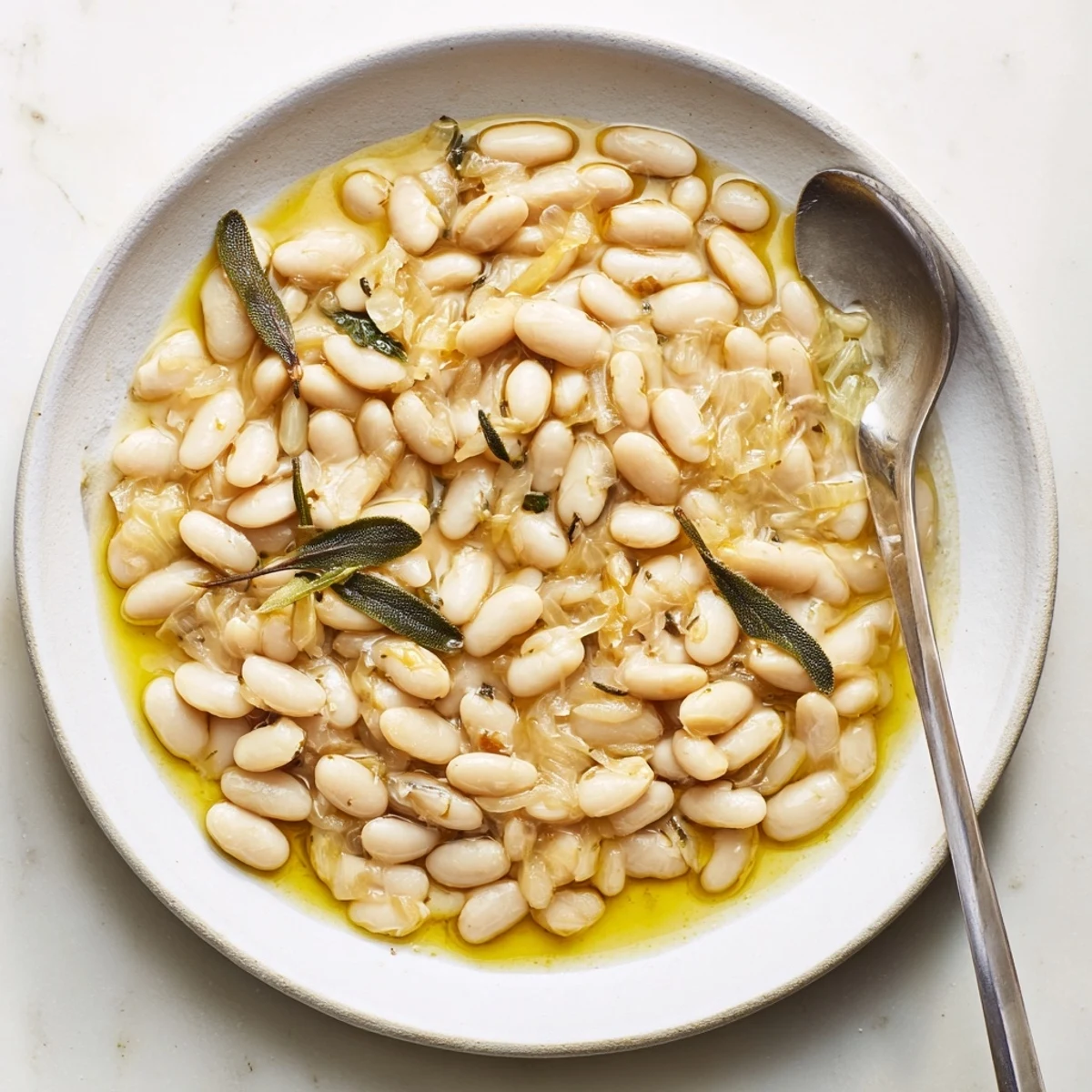
Save Theres something deeply comforting about a dish that asks for so little but gives so much in return.
Common Questions
- → Can I use canned beans instead of dried?
-
Yes, canned cannellini beans work perfectly. Use three 15-ounce cans, drained and rinsed. Reduce cooking time to 15-20 minutes since the beans are already tender.
- → How long do leftovers keep?
-
Leftovers store well in an airtight container in the refrigerator for 4-5 days. The flavors actually deepen and improve after a day or two. Reheat gently with a splash of broth or water.
- → What can I serve with these beans?
-
These beans pair beautifully with roasted chicken, grilled fish, or lamb. They're also excellent served on toasted crostini as an appetizer, spooned over sautéed kale or spinach, or enjoyed as a simple main with crusty bread.
- → Can I freeze these beans?
-
Absolutely. Cool completely, then transfer to freezer-safe containers. They'll keep for up to 3 months. Thaw overnight in the refrigerator and reheat gently on the stovetop.
- → What makes these beans Tuscan-style?
-
The combination of cannellini beans, fresh rosemary and sage, garlic, and generous olive oil is quintessentially Tuscan. This simple preparation lets quality ingredients shine without heavy sauces or complicated techniques.
- → How do I know when the beans are done?
-
Taste test a few beans—they should be tender throughout with a creamy interior, not mealy or crunchy. The cooking liquid should also thicken slightly as the beans release their starches.
