
 Save
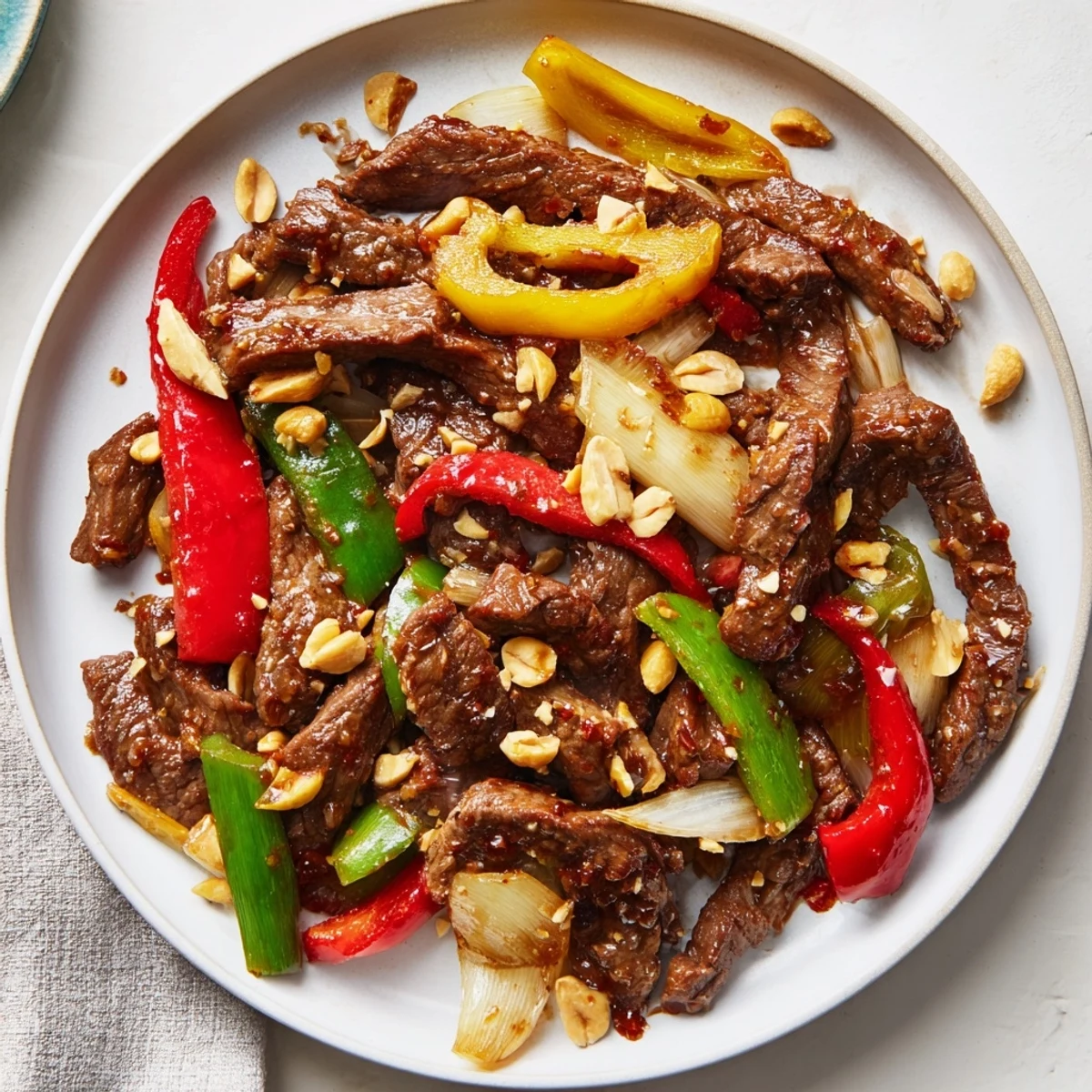
Save This dish features tender flank steak marinated and stir-fried with crisp bell peppers, spring onions, garlic, and ginger. Coated in a bold Szechuan sauce with chili bean paste, soy, and aromatic peppercorns, it delivers a spicy and flavorful experience. Quick to prepare and perfect for a weeknight meal, it can be enhanced with roasted peanuts or cashews for added crunch. Serve hot with steamed rice to balance the heat and savor the vibrant Chinese flavors.
I'll never forget the first time I tasted authentic Szechuan beef at a small restaurant in San Francisco's Chinatown. The moment those peppercorns hit my tongue, it felt like tiny fireworks dancing across my mouth—a sensation I'd never experienced before. I became obsessed with recreating that tingling, numbing heat at home, and after many late-night cooking sessions, I finally cracked the code. Now, this dish is my go-to when I want to impress friends or simply transport myself back to that magical evening.
I remember making this for my partner on a rainy Tuesday night, and watching their eyes widen at that first spoonful told me everything. They kept going back for more, asking how I managed to get the sauce so perfectly balanced between spicy, salty, and slightly sweet. That's when I realized this recipe wasn't just about flavor—it was about creating those small moments of joy in the kitchen.
Ingredients
- Flank steak, thinly sliced: Flank is perfect here because it's lean, flavorful, and becomes wonderfully tender when sliced against the grain. That grain direction matters more than you'd think—it breaks up the muscle fibers and lets the meat stay soft even with high-heat cooking.
- Light soy sauce: This is your umami backbone, the quiet hero that makes everything taste more like itself.
- Shaoxing wine: Don't skip this—it adds a subtle depth that dry sherry can approximate but never quite replicate. If you can't find it, sherry works in a pinch.
- Cornstarch: This tiny amount creates a silky coating on the beef and helps it brown beautifully without toughening.
- Sesame oil: Just a touch here prevents the marinade from feeling one-dimensional and adds a whisper of toasted complexity.
- Red and green bell peppers: Their sweetness plays beautifully against the heat, and they stay crisp-tender if you don't overcook them.
- Yellow onion: Sliced thin, it becomes almost translucent and sweet when kissed by the wok heat.
- Spring onions: These are your fresh, bright finish—never skip them, even though they seem optional.
- Garlic and ginger: Minced fine, they bloom in hot oil and perfume the entire dish within seconds.
- Chili bean paste (Doubanjiang): This is the secret ingredient that makes people ask for your recipe. It's fermented, salty, and deeply complex—absolutely non-negotiable.
- Rice vinegar: The acid that lifts everything and keeps the sauce from becoming cloying.
- Hoisin sauce: A touch of sweetness and body that rounds out the fierce heat.
- Szechuan peppercorns: Toast them yourself if you can—the difference is remarkable. That numbing, tingling sensation is what makes this dish sing.
- Red pepper flakes: For those who want their fire undeniable. Start conservative and adjust to your heat tolerance.
- Vegetable oil: Use something with a high smoke point so it doesn't burn and taste acrid in your beautiful wok.
- Peanuts or cashews: Optional, but they add textural richness and make the dish feel more complete and satisfying.
Instructions
- Prep your beef with intention:
- Slice your flank steak as thin as you possibly can, and make sure each slice goes against the grain—you'll see those lines running through the meat, and you want to cut perpendicular to them. Toss it in a bowl with the soy sauce, Shaoxing wine, cornstarch, and sesame oil. Mix it gently but thoroughly, making sure every piece gets coated. Let it sit for at least 15 minutes—this isn't wasted time, it's the beef becoming more tender and flavorful while you handle the other prep work.
- Build your sauce with care:
- Combine the light soy sauce, dark soy sauce, rice vinegar, chili bean paste, hoisin, sugar, ground Szechuan peppercorns, red pepper flakes, and water in a small bowl. Stir until the paste is fully incorporated and everything looks unified. This is your moment to taste a tiny spoonful on your finger and decide if you want more heat—better now than when everything's cooking at full speed.
- Get your wok screaming hot:
- Heat one tablespoon of oil over high heat in your largest wok or skillet until you can see the surface shimmer and almost smoke. This is the moment everything changes—the beef needs that intense heat to brown quickly without steaming.
- Sear the beef with confidence:
- Working quickly, add the marinated beef in a single layer if possible. Let it sit for 30 seconds without stirring—you want that gorgeous brown crust to form. Then stir constantly for another 30 seconds to a minute until the outside is browned but the inside remains tender. The beef cooks faster than you expect. Remove it to a clean plate and don't worry if the inside still looks slightly pink—it'll cook a bit more when it goes back in.
- Awaken your aromatics:
- Add another tablespoon of oil to the wok and turn the heat back up to high. Add your minced garlic and ginger, and stir for exactly 20 to 30 seconds—any longer and they'll taste bitter instead of fragrant. Your kitchen will suddenly smell incredible.
- Coax out the vegetables' sweetness:
- Add the sliced bell peppers, onion, and the white parts of your spring onions. Stir constantly for 2 to 3 minutes—you want them tender but still with a slight bite. If they start to look dry, splash in a tablespoon of water.
- Bring everything back together:
- Return your beef to the wok along with all those beautiful browned bits stuck to the bottom. Pour in your Szechuan sauce and stir everything together until the sauce coats every piece evenly. The sauce will look glossy and coat the back of your spoon. This should take about one minute.
- Finish with texture and final touches:
- Stir in your peanuts or cashews if using them. Cook for another minute, just until everything is hot and the sauce has thickened slightly. Add the green parts of your spring onions at the very end—they'll stay bright and fresh this way.
- Serve while the sizzle is still in the air:
- Plate immediately over steamed rice and let the sauce soak into those grains. Taste it before serving and adjust salt or heat as needed—your palate, your rules.
 Save
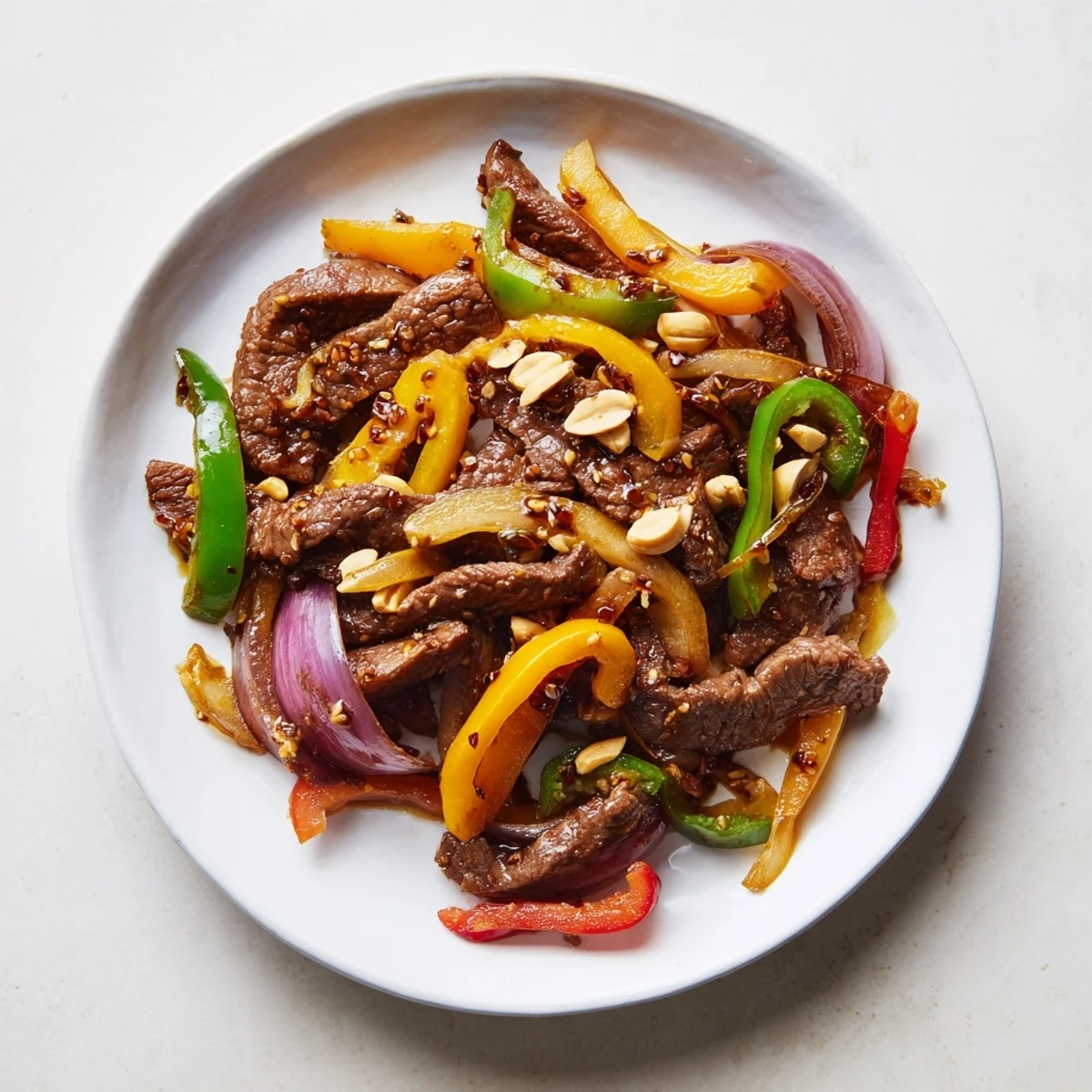
Save One of my favorite memories is cooking this for my mother, who usually avoids spicy food. She took one tentative bite, paused, and then said, 'Oh, this is different—it doesn't burn, it tingles.' Watching her face light up with understanding, experiencing that sensation for the first time, made me love this dish all over again.
The Art of the Wok
There's something almost meditative about wok cooking—the high heat, the constant motion, the way flavors build in seconds instead of minutes. When I first started making this dish, I thought I had to use a traditional carbon steel wok, but honestly, a large skillet works beautifully too. What matters is having enough surface area and high sides to keep your vegetables from flying onto the stovetop when you're stirring with enthusiasm. The key to wok mastery is not being afraid of the heat and trusting that high temperature is your friend, not your enemy.
Understanding the Szechuan Sensation
Szechuan peppercorns aren't actually peppercorns at all—they're the dried berries of a shrub, and they contain a compound called hydroxy-alpha sanshool that creates a unique numbing, tingling sensation on your tongue. This numbing feeling is called 'ma' in Chinese, and it's what separates authentic Szechuan cuisine from merely spicy food. The first time you experience it, your brain might be confused, thinking something is wrong. It's not—it's actually quite pleasurable once you understand what's happening. I used to think I didn't like spicy food until I realized the difference between painful heat and this gentle, electric tingling.
Variations and Personal Touches
Once you've mastered the basic recipe, you can play with it. Some nights I use shrimp instead of beef, cooking them for just one minute since they're so delicate. Other times I'll add cashews for richness or swap the bell peppers for snap peas and baby corn when that's what I have on hand. I've also discovered that a tiny splash of black vinegar instead of rice vinegar adds an almost smoky depth that's gorgeous. The framework is flexible—what stays constant is that balance of heat, sauce, and incredible wok energy.
- Try adding a teaspoon of black vinegar for a deeper, more complex sauce.
- Mushrooms, particularly shiitake, soak up the sauce beautifully and add umami richness.
- A sprinkle of white sesame seeds on top adds both visual appeal and a subtle, toasted flavor.
 Save
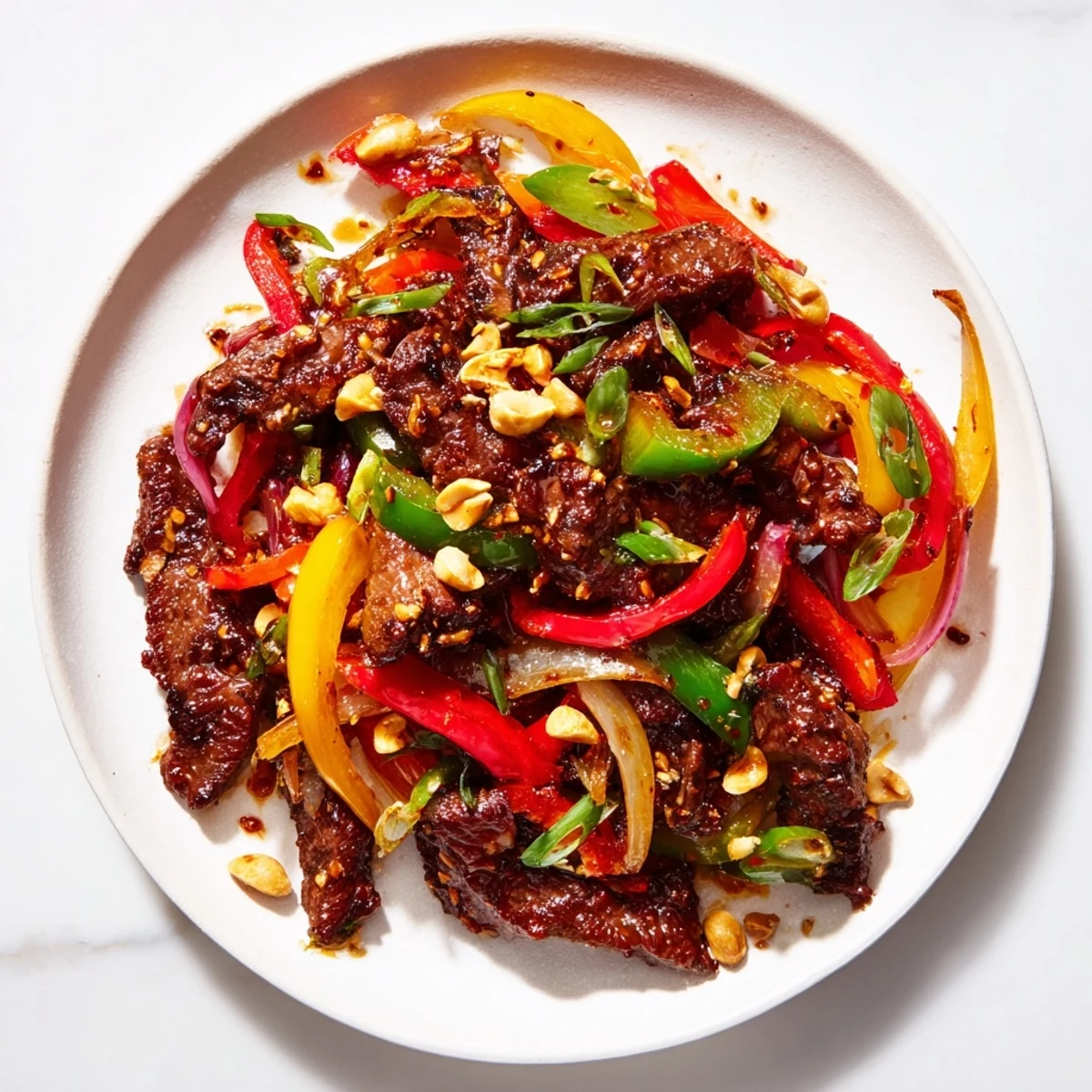
Save There's something magical about creating restaurant-quality food in your own kitchen, especially when you understand the why behind each step. This Szechuan beef taught me that cooking isn't about following rules perfectly—it's about understanding the fundamentals and making them your own.
Common Questions
- → How do I adjust the spiciness level?
-
Modify the amount of chili bean paste and crushed red pepper flakes to suit your heat preference. Start with less and add gradually.
- → Can I substitute beef with another protein?
-
Yes, chicken or firm tofu can be used as alternatives, ensuring they are sliced thinly for even cooking.
- → What is the best way to achieve tender beef strips?
-
Marinate beef with soy sauce, Shaoxing wine, sesame oil, and cornstarch to tenderize and enhance flavor before stir-frying quickly over high heat.
- → Are there gluten-free options for the sauces?
-
Use tamari instead of soy sauce and verify that chili bean paste and hoisin sauce are gluten-free to maintain flavor safely.
- → What side dishes complement this stir-fry well?
-
Steamed jasmine or basmati rice balances the spicy sauce and brings the meal together with its subtle fragrance.
