
 Save
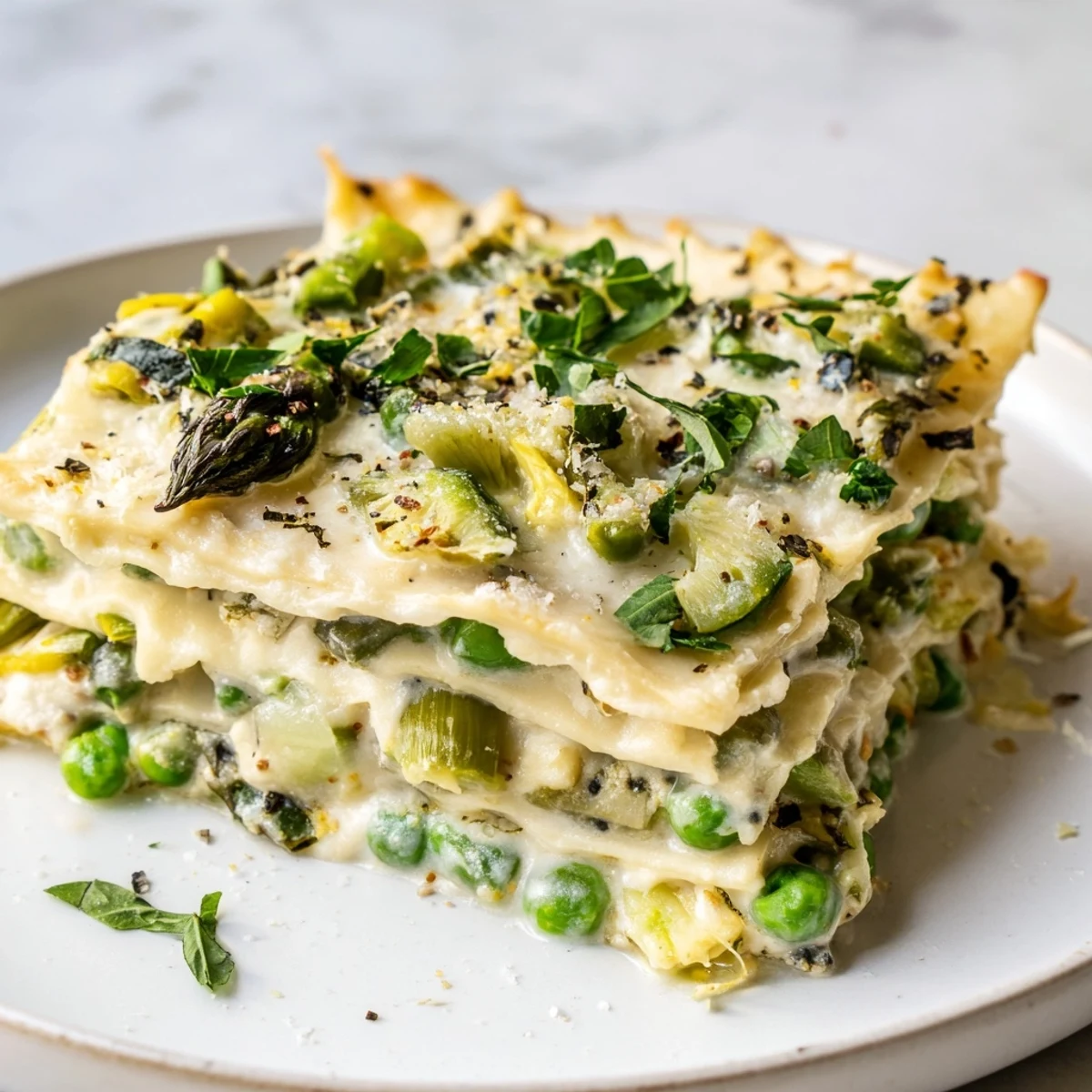
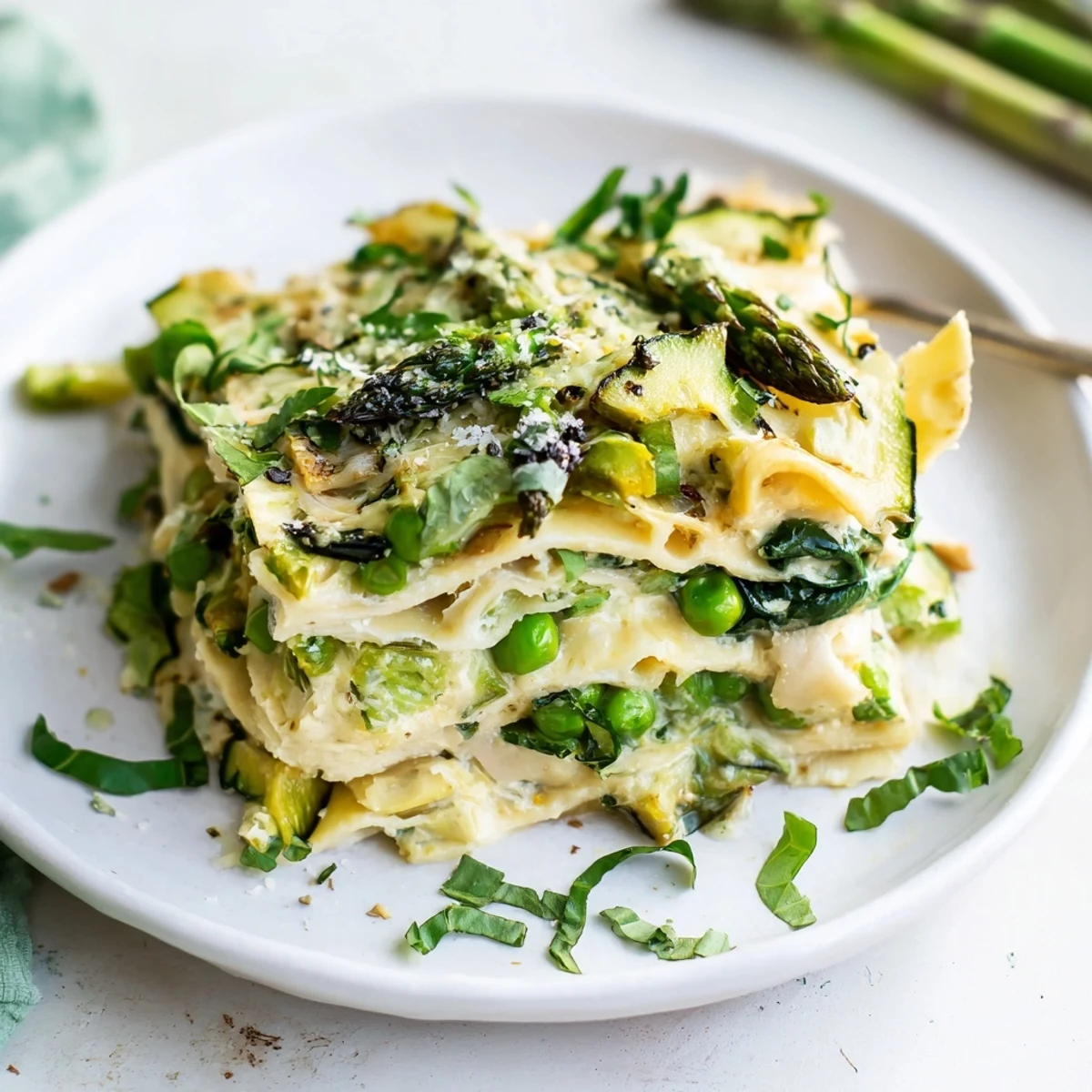
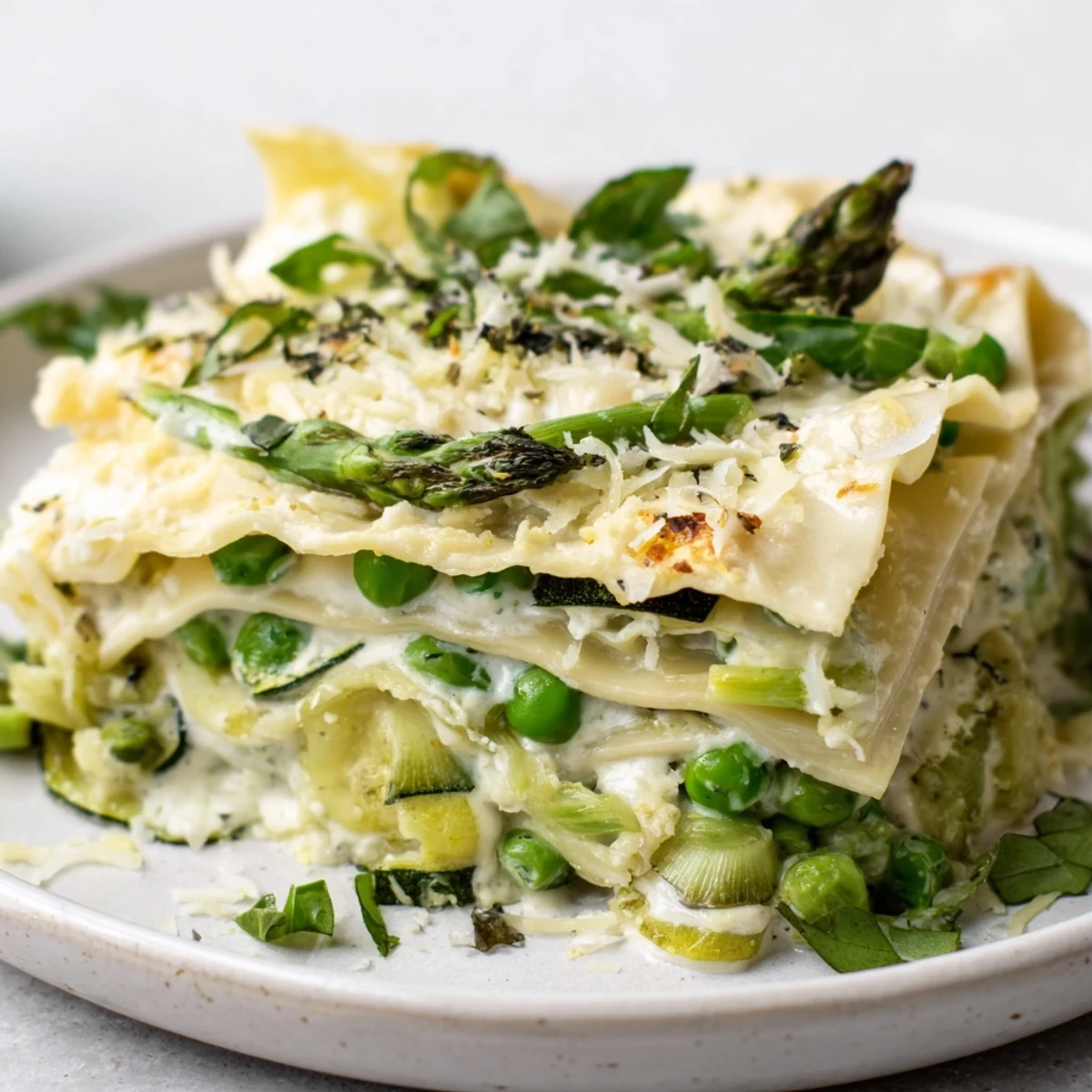
Save This lasagna highlights tender spring vegetables like asparagus, zucchini, peas, and spinach, layered with creamy béchamel and ricotta mixtures. The white sauce is smooth and lightly spiced with nutmeg and pepper, bringing a delicate richness. Fresh herbs like basil and parsley add bright notes throughout. Sautéing the vegetables before layering ensures a perfect tender bite. Baked until golden and bubbly, this dish serves as a satisfying vegetarian entrée with balanced textures and flavors.
The kitchen smelled like rain and possibility that April afternoon when I opened the fridge to find nothing but vegetables and stubborn optimism. My sister had called to say she was bringing her new boyfriend to dinner, and I had exactly ninety minutes to turn farmer's market impulse buys into something that suggested competence. The asparagus sat there like green soldiers waiting for orders, and I decided lasagna felt safer than my usual experimental chaos.
I remember spreading that first layer of béchamel while my cat watched from the counter, judging my technique with the intensity of a culinary school instructor. The boyfriend became family, and this lasagna became the dish I make when spring arrives early and I need to believe in new beginnings.
Ingredients
- Unsalted butter: The foundation of your béchamel, and using unsalted lets you control the final seasoning without guessing games.
- All-purpose flour: Creates the roux that thickens your sauce, whisk constantly or you will taste your impatience.
- Whole milk: Do not skimp here, the fat carries flavor and creates that silky texture you are chasing.
- Ground nutmeg: The whisper of warmth that makes people ask what your secret is.
- Olive oil: For sautéing vegetables until they surrender just enough.
- Asparagus: Trim the woody ends aggressively, they will not soften no matter how much you hope.
- Zucchini: Slice thin so it cooks through without turning to mush between the layers.
- Baby spinach: It wilts dramatically so do not be alarmed when two cups become two tablespoons.
- Fresh or frozen peas: Frozen work beautifully here, no shame in the shortcut.
- Garlic: Add at the end of vegetable cooking or it will burn and turn bitter.
- Scallions: Both the white and green parts bring different personalities to the dish.
- Whole-milk ricotta: The full-fat version spreads like a dream and tastes like you tried harder than you did.
- Egg: Binds the ricotta mixture so it does not ooze out when you cut.
- Parmesan cheese: Buy the block and grate it yourself, the pre-grated stuff tastes like regret.
- Mozzarella cheese: Low-moisture shredded melts evenly without drowning your layers.
- Fresh basil and parsley: Chop them just before using or they will darken and look sad.
- No-boil lasagna noodles: They absorb sauce as they bake, so do not fear if your layers look saucier than expected.
Instructions
- Make your béchamel:
- Melt butter in a medium saucepan over medium heat until it foams and smells like toasted nuts. Whisk in flour and cook for one to two minutes, stirring constantly, until the mixture turns pale golden and smells like shortbread.
- Finish the sauce:
- Gradually whisk in milk in slow streams, never stopping your arm motion, until the sauce thickens enough to coat the back of a spoon. Add nutmeg, salt, and pepper, then remove from heat before it gets too thick.
- Sauté the spring vegetables:
- Heat olive oil in a large skillet and add asparagus, zucchini, and scallions, letting them soften and take on color at the edges. After four minutes, add garlic, spinach, and peas, cooking just until the spinach wilts and the peas turn bright green.
- Mix the ricotta layer:
- Stir together ricotta, egg, half the Parmesan, chopped herbs, salt, and pepper until smooth and spreadable, tasting to adjust seasoning since this layer carries much of the flavor.
- Build your layers:
- Spread a thin layer of béchamel on the bottom of your greased baking dish, then noodles, then one-third of the ricotta, vegetables, more béchamel, and mozzarella. Repeat twice, ending with béchamel, mozzarella, and the remaining Parmesan.
- Bake until golden:
- Bake at 375°F for forty to forty-five minutes until bubbling at the edges and golden on top, broiling briefly if you want a more dramatic crust.
- Rest before serving:
- Let the lasagna sit for ten to fifteen minutes so the layers settle and you can cut clean squares instead of vegetable avalanches.
 Save
Save Last spring I made this for my neighbor after her surgery, and she texted me three days later asking for the recipe because her husband had eaten the leftovers for breakfast standing at the counter in his socks. That is when I knew this dish had crossed from recipe into ritual.
Building Flavor Without Meat
The secret to vegetarian lasagna that satisfies carnivores lives in layering textures and building depth through technique. Sautéing the vegetables until they caramelize slightly creates sweetness that mimics the richness meat usually provides, and the nutmeg in the béchamel adds an almost meaty warmth that tricks the palate into satisfaction.
The Resting Game
I learned about resting the hard way after serving a soupy mess to friends who were too polite to mention it. Now I set a timer and walk away, using those fifteen minutes to pour wine and set the table, trusting that patience rewards me with slices that hold their shape and layers that reveal themselves like geological strata.
Make Ahead and Reheat
This lasagna improves with a day in the refrigerator, as the flavors marry and the texture sets into something even more cohesive. Assemble completely, cover tightly, and refrigerate up to twenty-four hours before baking, adding ten minutes to the covered baking time.
- Individual portions reheat beautifully in a skillet with a lid and a splash of milk to restore moisture.
- Freeze wrapped portions for up to three months, thawing overnight before reheating.
- The baked lasagna keeps for four days refrigerated, though the top softens slightly.
 Save
Save However you come to this recipe, whether through garden abundance or refrigerator desperation, may it bring you the same surprising joy of turning simple things into something worth sharing. The best meals often start with what we have and where we are, not what we planned.
Common Questions
- → How do I make the white sauce smooth?
-
Start by melting butter and whisking in flour until pale golden, then gradually add warm milk while stirring constantly to avoid lumps. Simmer until thickened for a creamy béchamel.
- → Can I use frozen vegetables?
-
Yes, frozen peas or spinach work well. Thaw and drain excess water before sautéing to keep the layers from becoming soggy.
- → What cheese combination gives the best flavor?
-
A mix of ricotta, mozzarella, and Parmesan balances creaminess and sharpness, enhancing the vegetable layers without overpowering them.
- → How should I prepare the vegetables?
-
Sauté asparagus, zucchini, scallions, garlic, spinach, and peas lightly with olive oil until just tender to preserve freshness and texture.
- → Is it necessary to let the dish rest after baking?
-
Allowing it to rest 10–15 minutes helps the layers set, making it easier to slice and improving flavor melding.
