
 Save
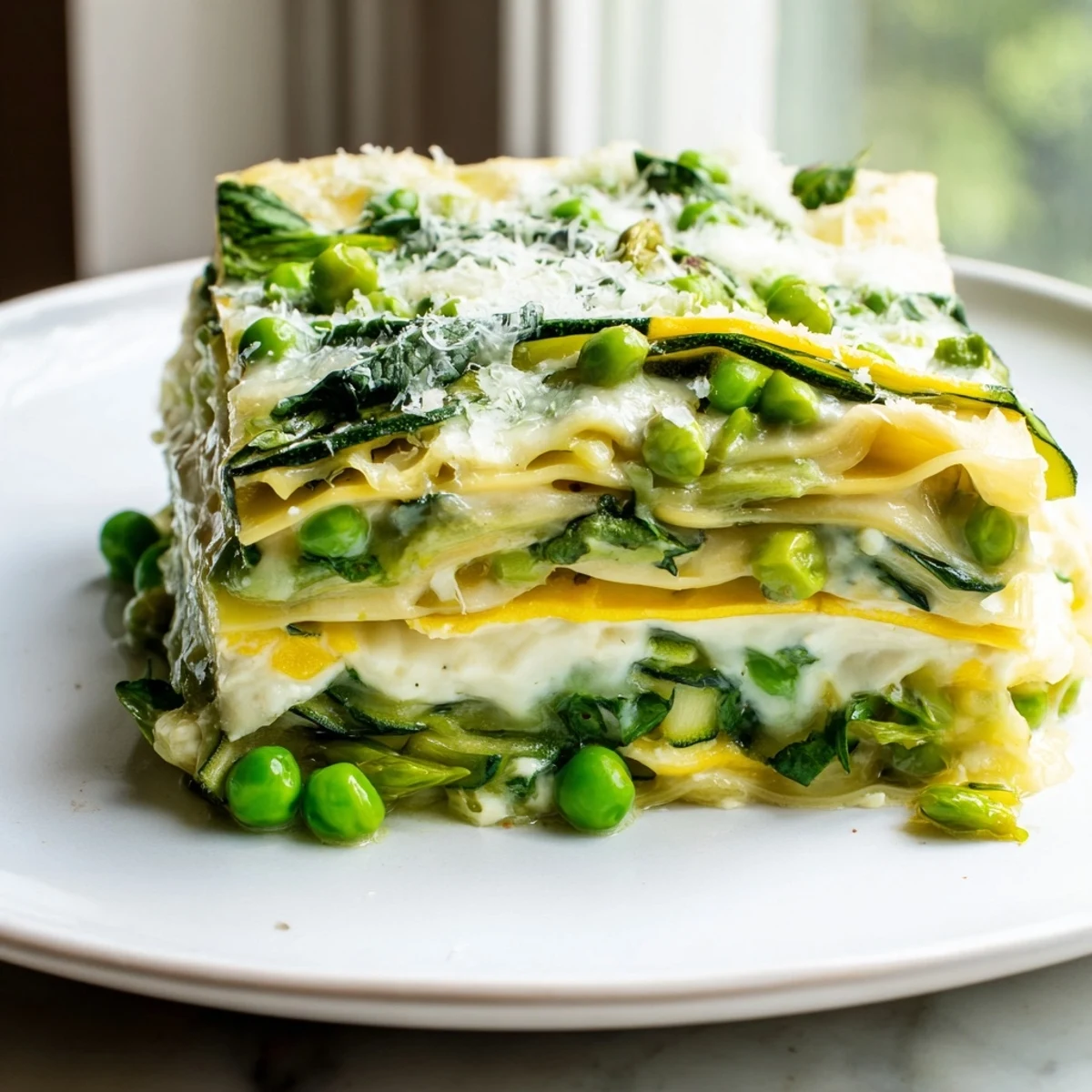
Save This spring-inspired lasagna features tender zucchini, asparagus, peas, spinach, and leeks sautéed gently before layering with silky béchamel sauce and a blend of mozzarella, Parmesan, and ricotta cheeses. The no-boil noodles simplify preparation while baking brings a golden, bubbling finish. Ideal for showcasing fresh vegetables, this dish offers balanced flavors and textures perfect for a medium-difficulty main course. Let it rest before slicing to enhance its creamy consistency and enjoy paired with a crisp white wine.
The first time I made this lasagna, it was a spur-of-the-moment decision to use up an overflowing farmers market haul. I layered everything together with my fingers crossed, and when my friend Sarah took her first bite, she actually stopped talking mid-sentence. That is when I knew this lighter, springier take on lasagna was something special.
Last Easter, my sister-in-law requested this instead of ham, and watching my usually picky nephew go back for thirds of the vegetables still makes me smile. Something about the tender squash and sweet peas together just works.
Ingredients
- 1 medium zucchini, thinly sliced: I have found that using a mandoline or very sharp knife gives you those delicate, even layers that cook through perfectly
- 1 medium yellow squash, thinly sliced: Do not skip the salt on these slices before layering, it draws out extra water so your lasagna is not soupy
- 1 cup (150 g) asparagus, trimmed and cut into 1-inch pieces: Snap off the woody ends by hand rather than cutting, the stalk will tell you exactly where it wants to break
- 1 cup (150 g) fresh or frozen peas: If using frozen, thaw them first and pat dry with paper towels
- 1 cup (100 g) baby spinach, chopped: Even though it seems like a lot, the spinach wilts down to practically nothing in the layers
- 1 medium leek, white and light green parts only, thinly sliced: Leeks can hide dirt between their layers, so slice them first then swish around in a bowl of cold water
- 2 tbsp olive oil: A gentle coating helps the vegetables soften without becoming greasy
- Salt and freshly ground black pepper, to taste: Taste your vegetables after cooking, they should be well seasoned since the pasta absorbs salt
- 1 1/2 cups (180 g) shredded mozzarella cheese: Low moisture mozzarella melts beautifully without releasing too much water
- 1 cup (100 g) grated Parmesan cheese: The salty, nutty punch here balances all the mild spring flavors
- 1 cup (250 g) ricotta cheese: Room temperature ricotta spreads more evenly, so take it out of the fridge while you prep everything else
- 9 no-boil lasagna noodles: If you can only find regular noodles, par-boil them for half the recommended time first
- 4 tbsp (60 g) unsalted butter: Unsalted butter lets you control exactly how much salt goes into your béchamel
- 1/4 cup (30 g) all-purpose flour: Whisk this into the butter until it looks like wet sand and smells slightly nutty
- 3 cups (720 ml) whole milk, warmed: Cold milk can make your sauce lumpy, so I always zap it in the microwave for about 45 seconds first
- Pinch of ground nutmeg: Just a tiny amount adds that cozy background warmth that makes béchamel taste professionally made
- Salt and white pepper, to taste: White pepper keeps the sauce pristine looking, but black pepper works fine too if you do not mind the specks
Instructions
- Get your oven ready:
- Preheat to 375°F (190°C) and move your oven rack to the middle position for even baking
- Prep the vegetables:
- Heat olive oil in a large skillet over medium heat, add leeks and cook for 2 minutes until they start to soften and smell sweet
- Add the harder vegetables:
- Toss in zucchini, yellow squash, and asparagus, sauté for 5 to 6 minutes until just tender but still holding their shape
- Finish with delicate greens:
- Stir in peas and spinach, season with salt and pepper, and cook 2 more minutes until the spinach just wilts, then set everything aside
- Start the béchamel base:
- Melt butter in a saucepan over medium heat, whisk in flour and cook for 1 minute, stirring constantly so it does not burn
- Add the milk gradually:
- Slowly whisk in warm milk about 1/2 cup at a time, letting each addition smooth out before pouring more
- Thicken the sauce:
- Cook, stirring constantly, for 6 to 8 minutes until the sauce coats the back of a spoon, then season with salt, white pepper, and nutmeg
- Begin the layers:
- Spread a thin layer of béchamel in the bottom of a 9x13-inch baking dish, then arrange 3 noodles over the sauce
- Build the first layer:
- Top with half of the vegetables, dollops of ricotta, a third of the mozzarella and Parmesan, and a quarter of the béchamel
- Repeat the layers:
- Add another 3 noodles, remaining vegetables, more ricotta dollops, another third of cheeses, and another quarter of béchamel
- Finish it off:
- Top with remaining noodles, the rest of the béchamel, and the last of the mozzarella and Parmesan
- Bake covered first:
- Cover tightly with foil and bake for 30 minutes, then remove foil and bake 10 to 15 minutes longer until golden and bubbly
- Let it rest:
- Wait 10 minutes before slicing, this gives the cheese time to set so your pieces hold together beautifully
 Save
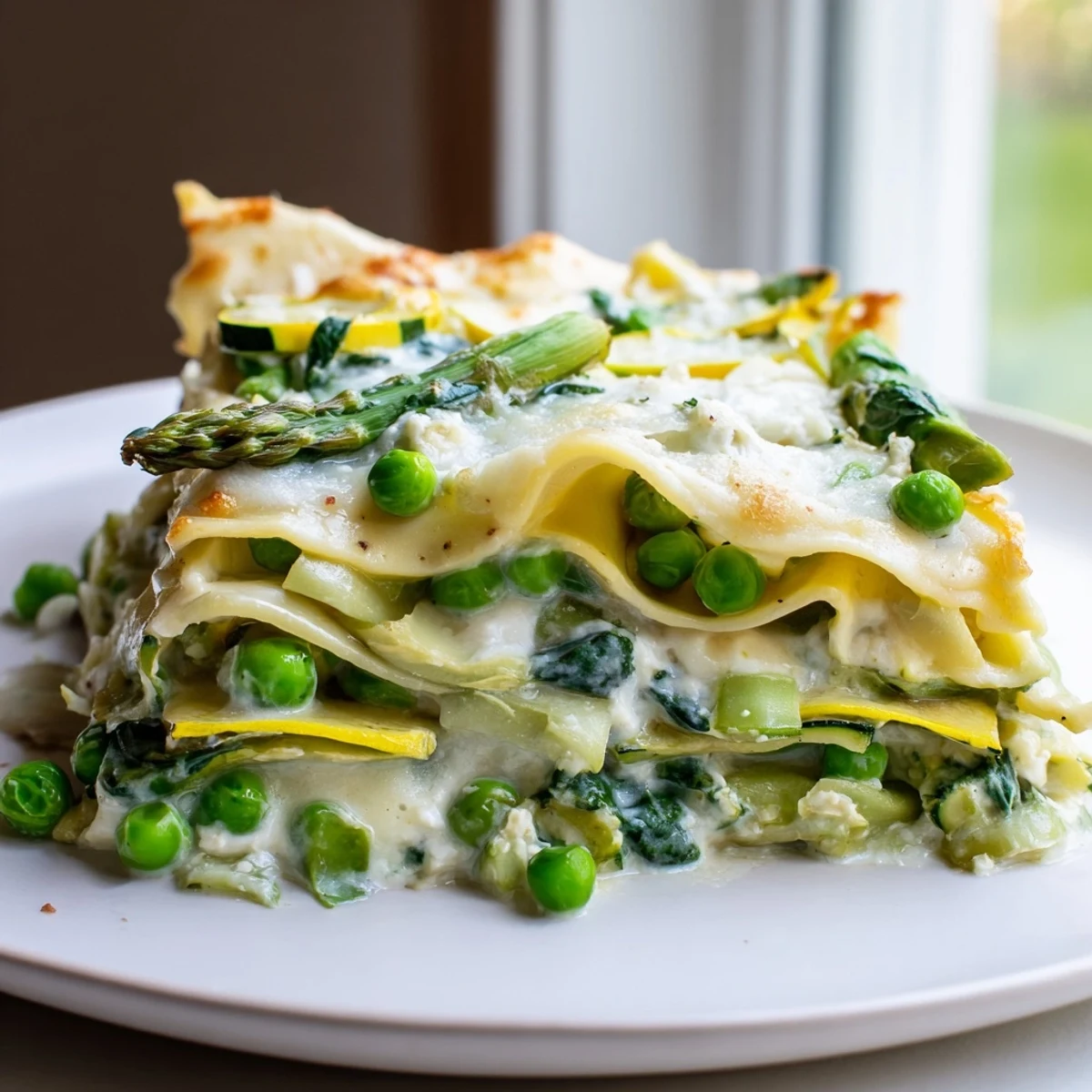
Save This recipe has become my go-to for potlucks because it transports well and always feels impressive. Last spring I brought it to a neighborhood dinner and three people asked for the recipe before we even finished eating.
Make It Ahead
You can assemble the entire lasagna up to 24 hours in advance, just cover tightly with foil and refrigerate. When you are ready to bake, add about 10 minutes to the covered baking time since everything will be cold. I have even frozen the fully assembled dish for up to a month, thawing overnight in the refrigerator before baking.
Vegetable Swaps
The beauty of this recipe is how adaptable it is to whatever looks best at the market. I have swapped in fava beans, artichoke hearts, and even thinly sliced ramps during their short season. Just keep the total vegetable quantity the same and cut everything into similar sized pieces so they cook evenly together.
Serving Suggestions
This lasagna is satisfying enough to stand alone as a main course, but a crisp green salad with a lemony vinaigrette cuts through the richness nicely. I like to serve it with crusty bread to soak up any extra sauce.
- A chilled Pinot Grigio or Sauvignon Blanc pairs beautifully with the spring vegetables
- Fresh basil or mint scattered over the top right before serving adds a bright, aromatic finish
- Leftovers reheat surprisingly well, covered with foil at 350°F for about 20 minutes
 Save
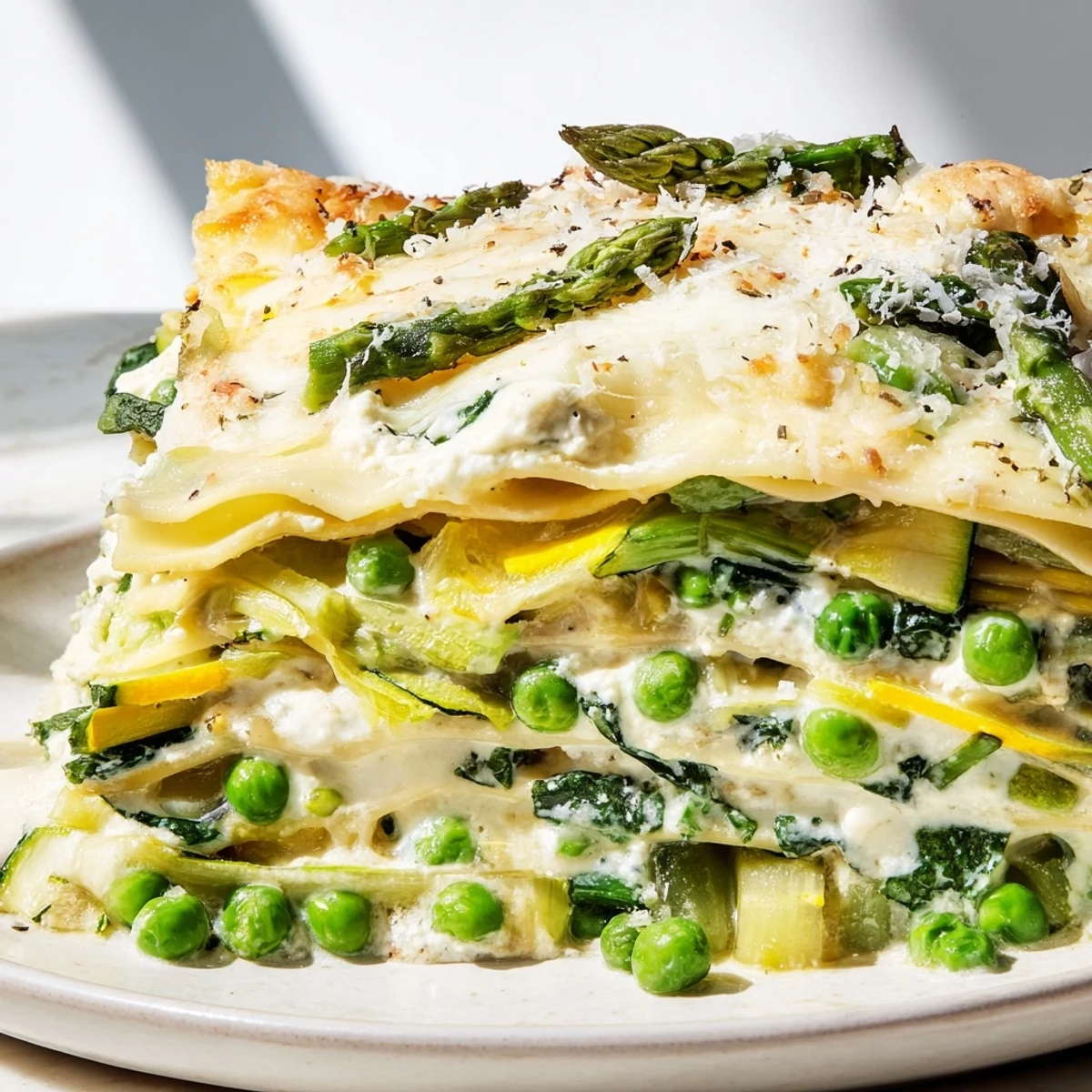
Save There is something so satisfying about turning simple seasonal vegetables into something this comforting and elegant. I hope this becomes a spring tradition in your kitchen too.
Common Questions
- → How should the vegetables be prepared for this dish?
-
Slice the zucchini and yellow squash thinly, trim and cut asparagus into 1-inch pieces, and sauté all vegetables with leeks in olive oil until just tender for optimal texture.
- → What is the purpose of the béchamel sauce?
-
The béchamel adds creamy richness and moisture, binding the layers together while balancing the freshness of the vegetables.
- → Can I use pre-cooked noodles instead of no-boil ones?
-
Yes, pre-cooked lasagna noodles can be used following package directions; ensure they are drained and slightly dried before layering.
- → How do I prevent the top from drying out during baking?
-
Cover the dish with foil for most of the baking time to retain moisture, then uncover towards the end to achieve a golden, bubbling surface.
- → What are good wine pairings for this dish?
-
Crisp white wines such as Pinot Grigio or Sauvignon Blanc complement the fresh vegetable flavors and creamy sauce nicely.
