
 Save
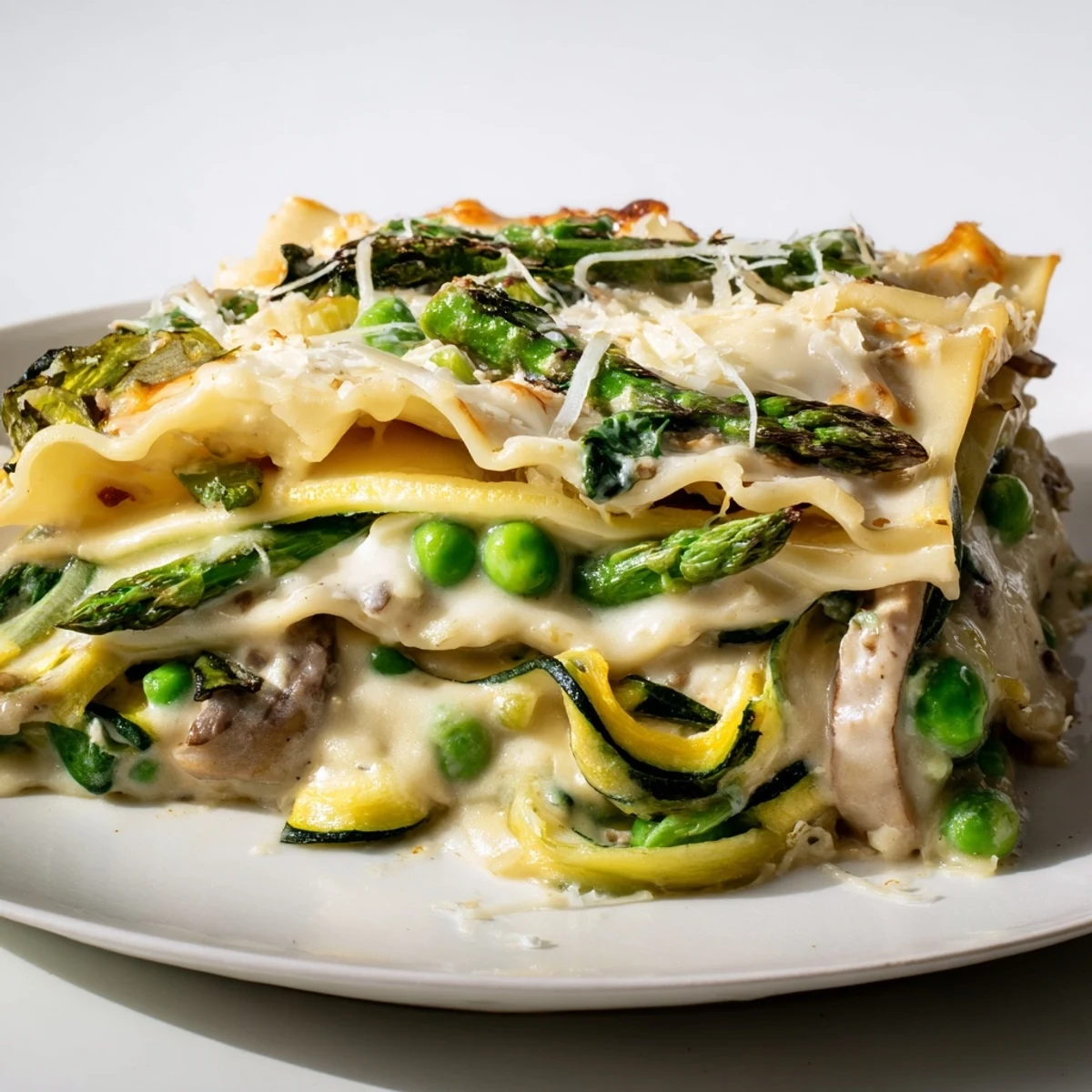
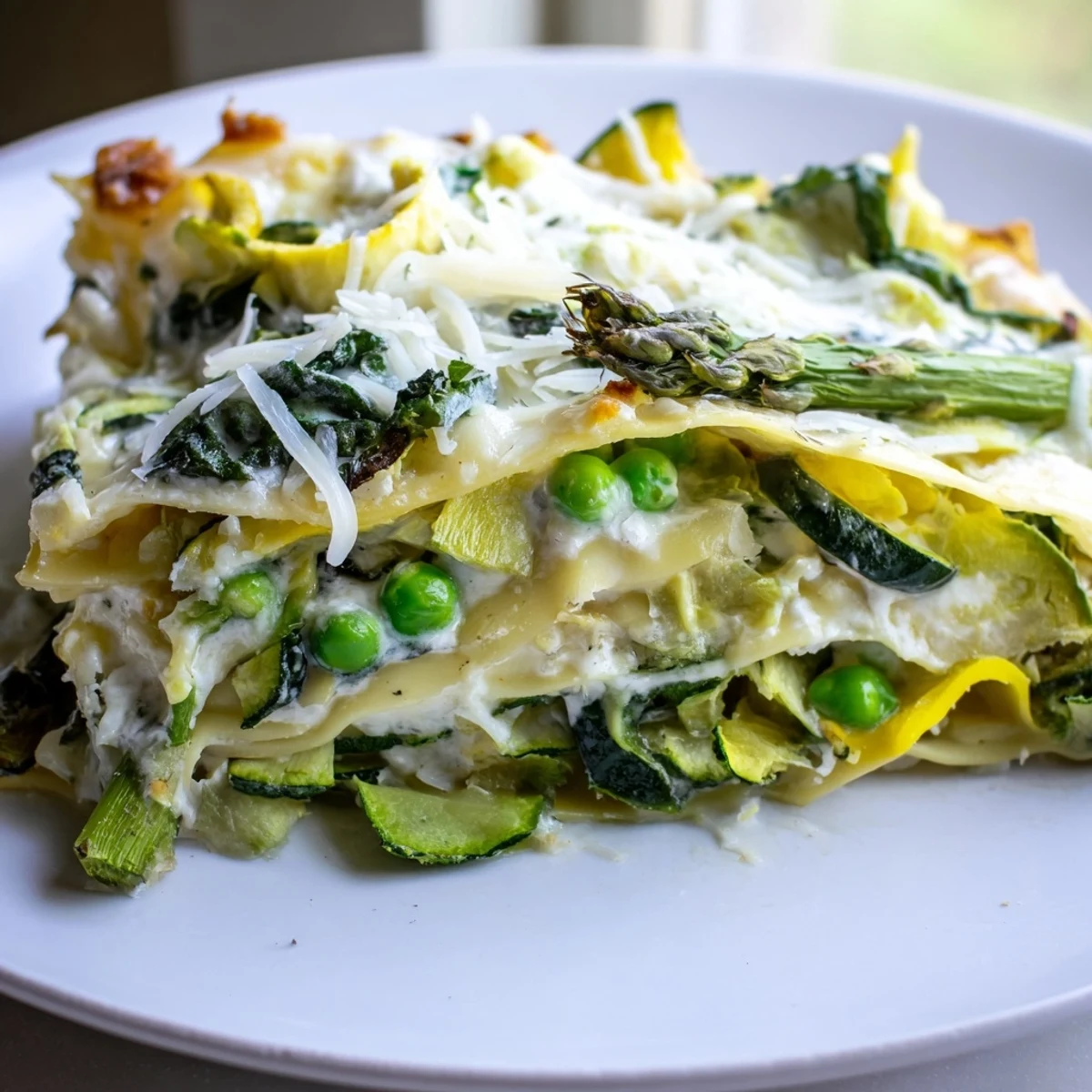
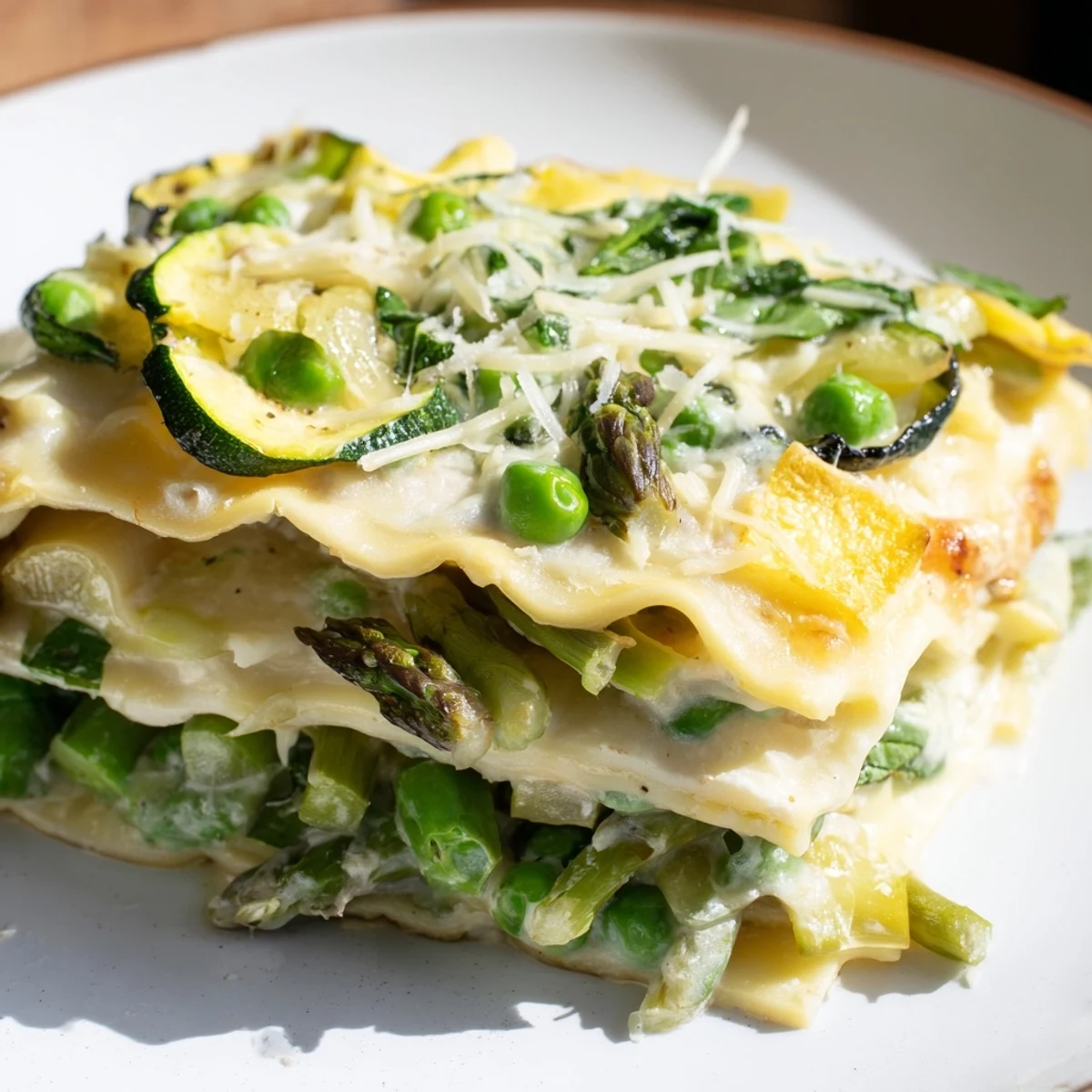
Save This dish features layers of tender pasta sheets filled with sautéed zucchini, yellow squash, asparagus, spinach, peas, and leek. A smooth béchamel sauce binds the vegetables and ricotta mixture, creating a creamy texture complemented by shredded mozzarella and Parmesan. Baked to golden perfection, it offers a delightful balance of fresh spring flavors and comforting creaminess, ideal for a light yet hearty main course.
Last spring, my neighbor dropped off a basket of vegetables from her garden and challenged me to use them before they wilted. The zucchini was tiny, the asparagus still sweet from the morning sun, and I ended up layering everything into a lasagna that disappeared so fast at dinner that my husband asked if there was a hidden second pan. Thats how this recipe became our spring tradition, a celebration of whatever the season brings us.
I once made this for a book club meeting, forgetting that two members were self-proclaimed lasagna purists who turned up their noses at anything without meat sauce. They went back for seconds, then thirds, and finally asked for the recipe before leaving. Now it is my go-to dish for proving that vegetables can hold their own in any comfort food lineup.
Ingredients
- 1 tablespoon olive oil: A gentle base for sautéing the leeks and garlic, building aromatic flavor from the bottom up
- 1 medium zucchini, thinly sliced: Thin slices melt into the layers instead of creating water pools, a lesson I learned after one soggy attempt
- 1 yellow squash, thinly sliced: Adds sweetness and color that makes every forkful feel like spring on a plate
- 1 cup asparagus, trimmed and cut into 1-inch pieces: Choose stalks that snap cleanly, avoiding woody ends that will not tenderize in the oven
- 1 cup baby spinach: Wilts down into almost nothing but adds an earthy backbone to the sweet vegetables
- 1 cup frozen peas, thawed: Little pops of sweetness that make every bite interesting and fresh
- 1 medium leek, white and light green parts only, thinly sliced: Mild onion flavor that will not overpower delicate spring vegetables, but rinse thoroughly to remove hidden grit
- 2 cloves garlic, minced: Fresh is non-negotiable here, as jarred garlic can taste metallic in such a light dish
- 2 cups ricotta cheese: Whole milk ricotta creates the creamiest layer, though part-skim works if you are watching calories
- 1 large egg: Binds the ricotta into a spreadable consistency that will not slide between the noodles
- 1 ½ cups shredded mozzarella cheese: Low-moisture part-skim melts beautifully without releasing excess water into your layers
- ½ cup grated Parmesan cheese: Adds salty depth that balances the sweetness of the vegetables
- 2 tablespoons unsalted butter: The foundation of your béchamel, creating richness that will not compete with the vegetables
- 2 tablespoons all-purpose flour: Creates the velvety thickness that transforms milk into a sauce worthy of lasagna
- 2 cups whole milk: Cold milk prevents lumps when whisked into the roux, a trick I learned from many failed attempts
- ¼ teaspoon freshly grated nutmeg: Just a pinch adds warmth that makes people ask what your secret ingredient is
- Salt and pepper, to taste: Season generously at each layer, remembering that the vegetables need as much seasoning as the sauce
- 9 no-boil lasagna noodles: These absorb excess moisture from the vegetables while becoming perfectly tender, though regular noodles work if boiled first
Instructions
- Preheat your oven to 375°F (190°C):
- This temperature allows the vegetables to cook through without burning the cheese on top
- Sauté the aromatics and vegetables:
- Heat olive oil in a large skillet over medium heat, add leeks and garlic, and sauté for 2 minutes until fragrant. Add zucchini, yellow squash, and asparagus, cooking for 4 to 5 minutes until just tender. Toss in spinach and peas, cooking until the spinach wilts. Season generously with salt and pepper, then remove from heat to cool slightly.
- Prepare the ricotta mixture:
- In a medium bowl, combine ricotta cheese with the egg, ¼ cup Parmesan, salt, and pepper. Mix until smooth and spreadable, which will make layering much easier.
- Make the béchamel sauce:
- Melt butter in a saucepan over medium heat, then stir in flour and cook for 1 minute while whisking constantly. Gradually whisk in cold milk, continuing to whisk until the sauce is smooth and thickened, about 5 minutes. Season with nutmeg, salt, and pepper, then remove from heat.
- Assemble the lasagna:
- Spread a thin layer of béchamel on the bottom of a 9x13-inch baking dish to prevent sticking. Layer 3 noodles over the sauce, then spread ⅓ of the ricotta mixture, ⅓ of the vegetables, and ⅓ of the béchamel. Sprinkle with mozzarella. Repeat the layers twice, finishing with the remaining béchamel, mozzarella, and Parmesan on top.
- Bake until golden and bubbling:
- Cover tightly with foil and bake for 30 minutes, then remove foil and bake for an additional 10 to 15 minutes until the cheese is golden brown and the sauce is bubbling around the edges.
- Let it rest before serving:
- Wait 10 minutes before slicing, which feels like torture but allows the layers to set so you get clean, beautiful portions instead of a messy slide.
 Save
Save My mother-in-law, who grew up in northern Italy, took one bite and declared it better than the version she ate in Rome last spring. I am still not sure if she was being polite or if she really meant it, but she asked for the recipe to add to her collection, which I consider the highest possible compliment.
Making It Ahead
You can assemble this lasagna up to 24 hours in advance, covering it tightly and refrigerating until you are ready to bake. Add about 10 minutes to the covered baking time if it is going into the oven cold from the refrigerator.
Vegetable Swaps
When the farmers market brings something new, throw it in. Fava beans, artichoke hearts, or even roasted peas work beautifully here. The key is keeping vegetables in bite-sized pieces that will cook through in the oven.
Serving Suggestions
A crisp white wine cuts through the richness of the béchamel while letting the vegetables shine. I like to serve this with a simple green salad dressed with lemon vinaigrette, the acidity balancing every creamy bite.
- Fresh basil leaves scattered over the top right before serving add a pop of color and brightness
- A light dusting of lemon zest elevates the spring flavors without overwhelming them
- Let leftovers come to room temperature before reheating, covered, at 325°F until warmed through
 Save
Save There is something deeply satisfying about turning a basket of humble spring vegetables into a dish that makes people pause between bites and say nothing at all.
Common Questions
- → What vegetables are used in this lasagna?
-
Zucchini, yellow squash, asparagus, baby spinach, peas, and leeks form the fresh vegetable layers.
- → How is the béchamel sauce prepared?
-
Butter is melted, flour is cooked in it, then milk is whisked in gradually until thickened and smooth, seasoned with nutmeg, salt, and pepper.
- → Can I use regular lasagna noodles instead of no-boil?
-
Yes, cook regular lasagna noodles according to package instructions before assembling the dish.
- → How long should the lasagna rest before serving?
-
Let the lasagna rest for 10 minutes after baking to help it set for easier slicing.
- → Are there any suggested herb additions?
-
Fresh basil or dill can be added to the ricotta mixture to enhance flavor.
- → What wine pairs well with this dish?
-
A crisp Sauvignon Blanc or Pinot Grigio complements the fresh, creamy flavors perfectly.
