
 Save
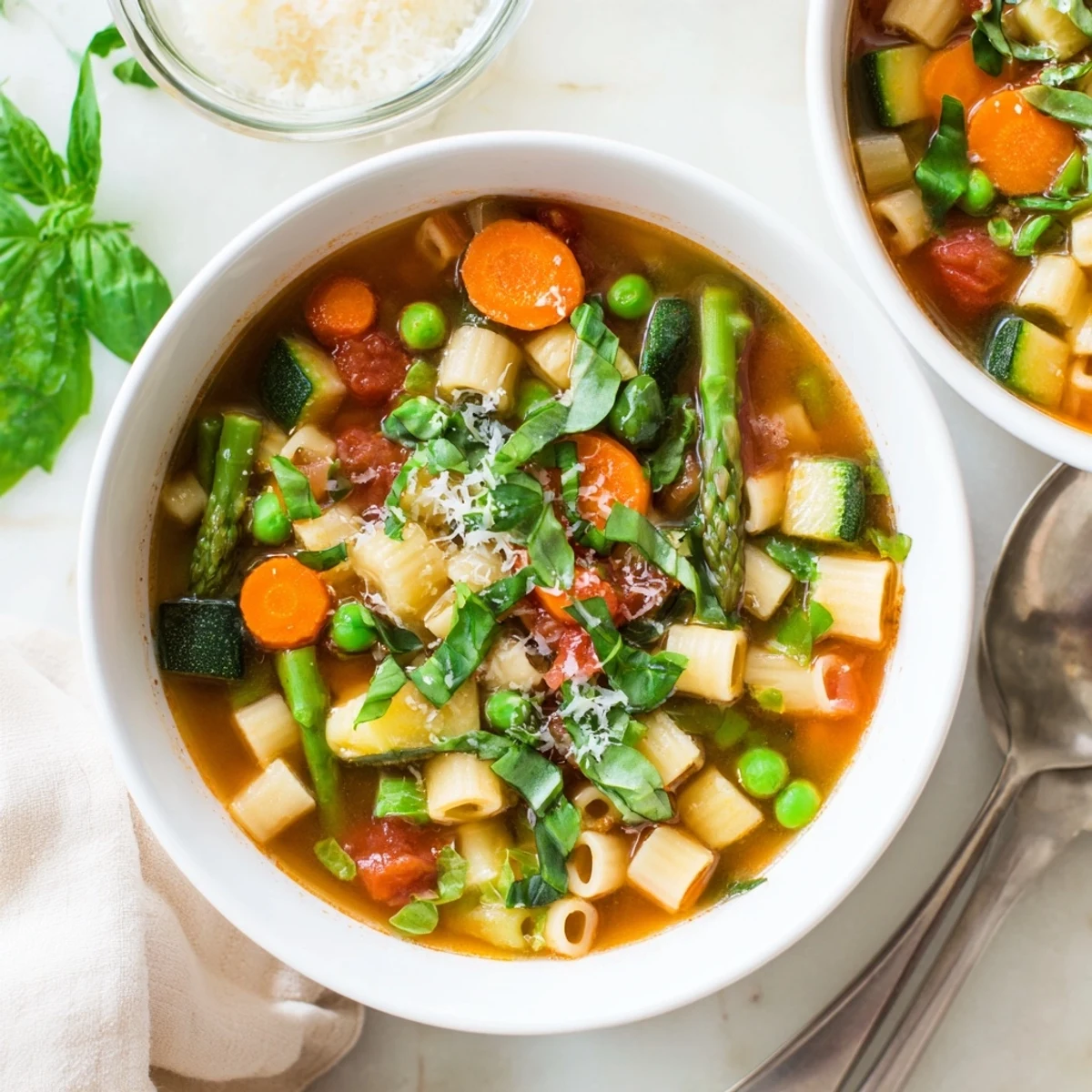
Save This light yet satisfying bowl brings together the best of spring produce—tender asparagus, sweet peas, zucchini, and baby spinach—simmered slowly in vegetable broth with small pasta and aromatic herbs. The finishing touches of fresh basil, parsley, and bright lemon juice elevate each spoonful.
Perfect for busy weeknights, this comes together in under an hour. The vegetables maintain their texture while infusing the broth with flavor. Leftovers taste even better as flavors meld.
Adapt this to whatever fresh vegetables you have on hand—green beans, fava beans, or artichoke hearts work beautifully. For a vegan version, simply skip the Parmesan or use plant-based alternatives.
Last Tuesday, I found myself at the farmers market surrounded by bunches of asparagus and baskets of fresh peas, everything screaming spring. I threw together this minestrone on a whim, not measuring much, just letting the vegetables guide me. My roommate walked in midway through, took one breath of the simmering pot, and asked if wed be having this every Tuesday night from now on.
I made a huge batch for my book club last month, thinking there might be leftovers for lunch the next day. Between seconds and someone asking to take some home for her husband, the pot was scraped clean by 9 PM. Now they request it every time we meet, regardless of the season.
Ingredients
- 1 tablespoon olive oil: Use a decent one here since its building your flavor foundation from the start
- 1 medium leek: Only use the white and light green parts, dark green gets too tough and fibrous in soup
- 2 garlic cloves, minced: Add them right after the leek softens so they dont burn and turn bitter
- 2 medium carrots, diced: Keep pieces roughly the same size as your other veggies for even cooking
- 1 medium zucchini, diced: Dont make the pieces too small or theyll disappear into the broth
- 1 cup asparagus: Trim the woody ends first, then cut into bite sized pieces that fit on your spoon
- 1 cup fresh or frozen peas: Frozen work perfectly here and save you the shelling time
- 1 cup baby spinach leaves: Add these at the very end so they stay bright and fresh
- 5 cups vegetable broth: Low sodium lets you control the salt level yourself
- 1 can diced tomatoes: Drain them first so the broth doesnt get too watery
- 2/3 cup small pasta: Ditalini or small shells hold the broth beautifully in their shapes
- 1 teaspoon dried thyme: Add this with the pasta so it has time to infuse the broth
- 1 teaspoon dried basil: Dried herbs work better in the cooking process than fresh would
- Salt and pepper: Taste at the end since the broth and cheese already have salt
- 2 tablespoons fresh parsley, chopped: Stir this in right before serving for a fresh pop
- 2 tablespoons fresh basil, thinly sliced: Roll the leaves together like a cigar before slicing for pretty ribbons
- Juice of 1/2 lemon: This is the secret that makes all the spring flavors sing
- Grated Parmesan cheese: Optional, but a little sprinkle on top adds a salty, savory finish
- Extra virgin olive oil: A drizzle over each bowl makes it feel restaurant worthy
Instructions
- Start your base:
- Heat that olive oil in a large pot over medium heat and toss in your sliced leeks, cooking for about 3 minutes until they soften and turn translucent.
- Add the aromatics:
- Stir in the minced garlic for just one minute until fragrant, then add the diced carrots and let them cook for another 2 minutes.
- Build the vegetable layers:
- Toss in the zucchini, asparagus pieces, and peas, cooking for 2 more minutes so everything starts to soften before the liquid comes in.
- Create the broth:
- Pour in the vegetable broth and those drained tomatoes, crank up the heat, and wait for that gentle bubble to form.
- Cook the pasta:
- Add the small pasta shapes with your dried thyme and basil, then lower the heat to a simmer and let it cook uncovered for 8 to 10 minutes.
- Finish with freshness:
- Stir in the baby spinach, fresh parsley, sliced basil, and that lemon juice, cooking just until the spinach wilts, about 1 or 2 minutes.
- Season and serve:
- Taste and add salt and pepper as needed, then ladle into bowls and top with Parmesan and a drizzle of your best olive oil.
 Save
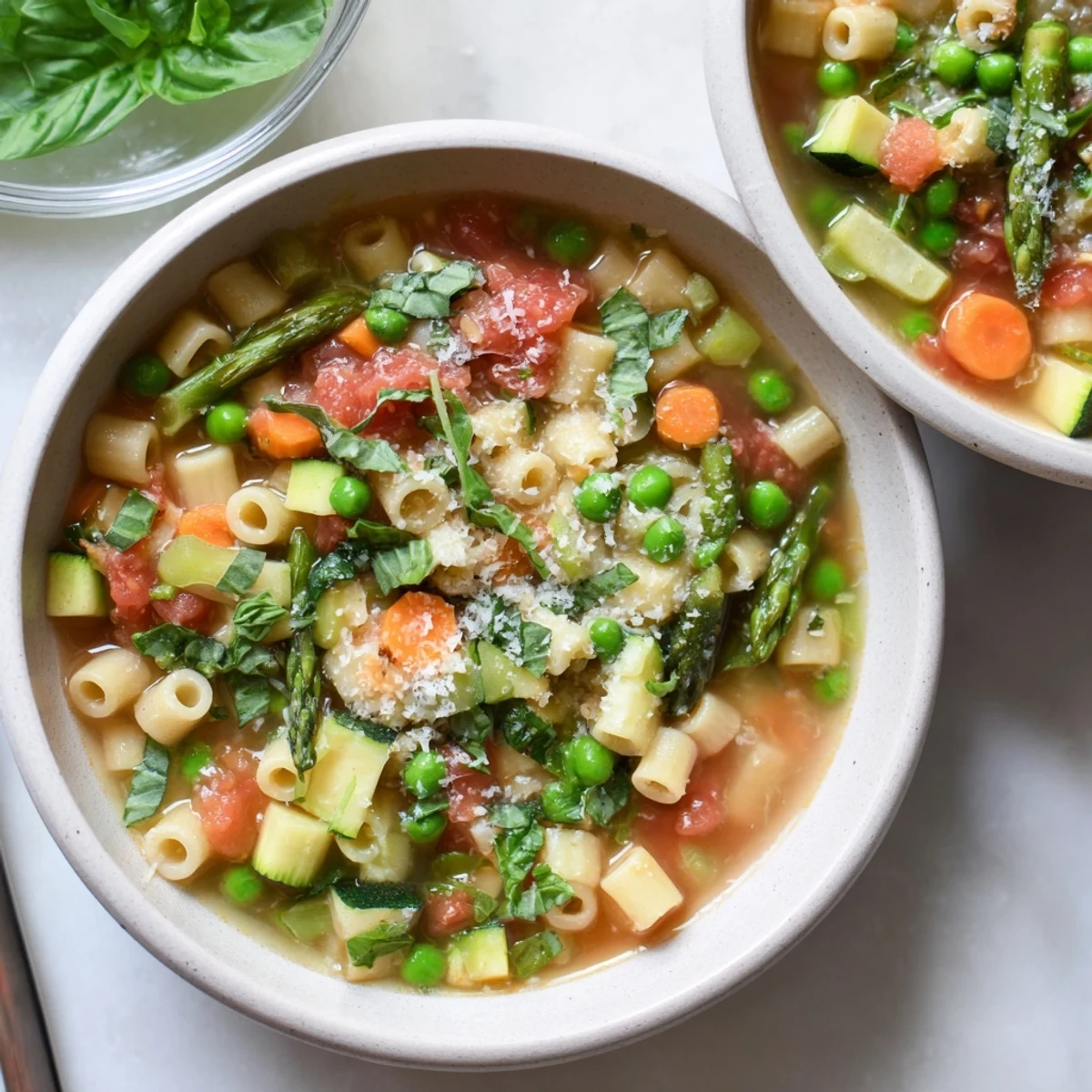
Save This soup has become my go to when I want something comforting but not heavy, especially on those rainy spring afternoons when winter is lingering but summer is promising. Something about the bright green vegetables and that hit of lemon makes everything feel possible again.
Make It Your Own
Ive swapped in green beans when asparagus felt too expensive, and once I used fava beans when I found them at the market and felt ambitious. The beauty of spring minestrone is how flexible it is, whatever looks good at the farmers market or in your produce drawer can usually find a home here.
Serving Suggestions
Crusty bread is non negotiable for me, something with a chewy crust that can stand up to being dunked in broth. Sometimes I rub garlic on the bread after toasting it, which feels fancy but takes literally ten seconds.
Storage And Meal Prep
This soup keeps beautifully in the refrigerator for up to three days, and honestly, the flavors get better after theyve had time to mingle. I often make a double batch on Sunday and portion it into glass containers for an effortless work week lunch situation.
- Let the soup cool completely before refrigerating to prevent condensation
- If taking for lunch, pack the Parmesan separately to keep it fresh
- Freezing works, but the pasta texture will change slightly
 Save
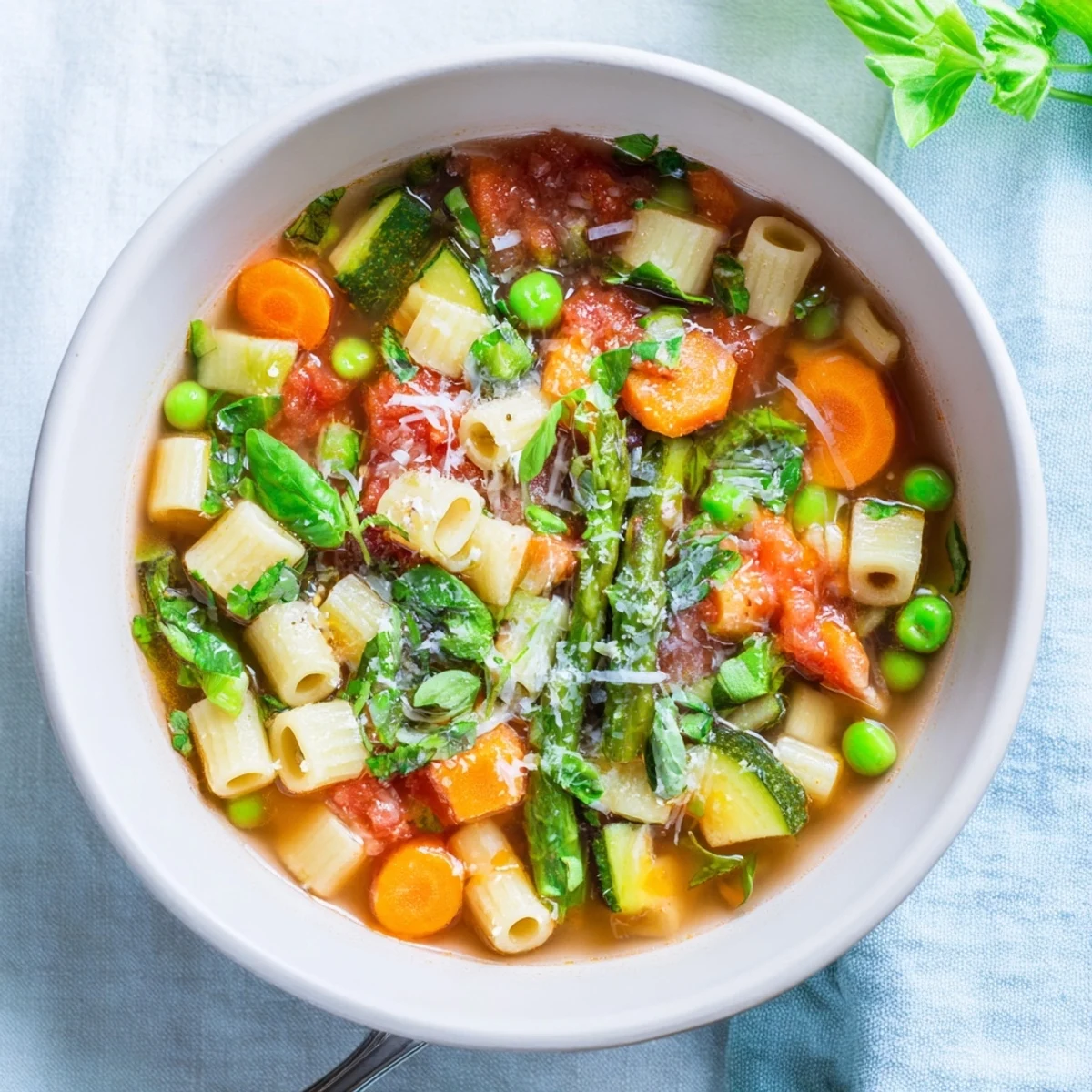
Save Theres something deeply nourishing about a bowl of vegetables that still taste like themselves, bright and present and unapologetically fresh. Hope this soup finds its way to your table on the kind of day when you need exactly that.
Common Questions
- → What vegetables work best in spring minestrone?
-
Asparagus, peas, zucchini, carrots, and baby spinach shine in this version. You can also add green beans, fava beans, or artichoke hearts depending on what's fresh and available.
- → Can I make this gluten-free?
-
Absolutely. Simply substitute the regular pasta with your favorite gluten-free pasta shape. Small shapes like ditalini, shells, or even macaroni work well for holding onto the flavorful broth.
- → How do I prevent the pasta from getting mushy?
-
Cook the pasta directly in the soup just until al dente, about 8–10 minutes. The residual heat will continue softening it slightly. If meal prepping, consider cooking pasta separately and adding when reheating to maintain texture.
- → Can I freeze spring minestrone?
-
Yes, though the pasta texture may change. For best results, freeze without the pasta and add freshly cooked pasta when reheating. The soup base freezes beautifully for up to 3 months.
- → What's the purpose of lemon juice at the end?
-
Fresh lemon juice brightens the entire dish, balancing the rich vegetables and pasta. It highlights the spring flavors and adds a refreshing finish that ties all the ingredients together.
