
 Save
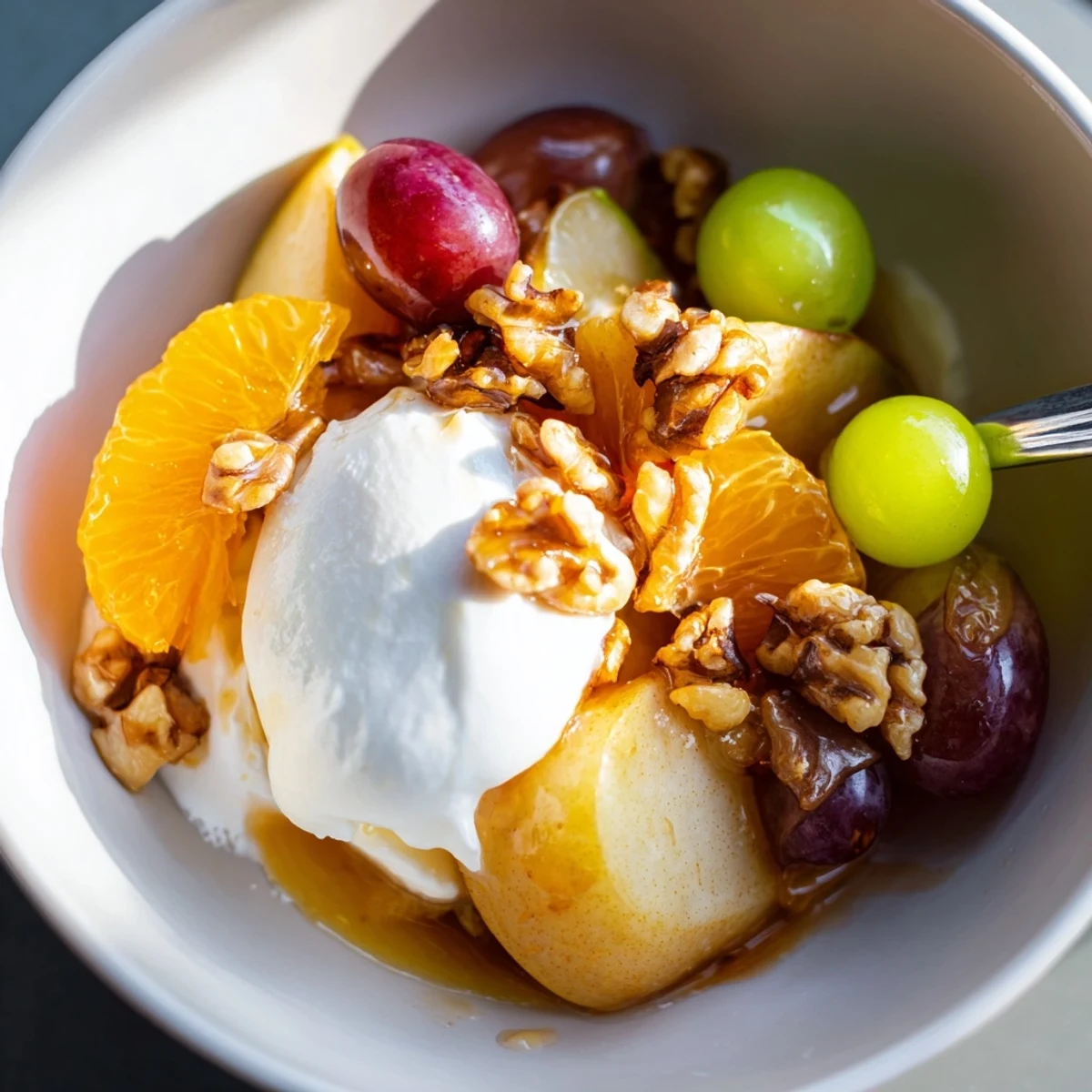
Save This comforting dish features a medley of apples, pears, grapes, and orange segments gently simmered with cinnamon sticks, cloves, star anise, and nutmeg. Sweetened naturally with honey or maple syrup and brightened with orange juice, it offers a balance of warmth and subtle spice. Cook until the fruit is tender but keeps its shape, then serve warm topped with toasted walnuts and yogurt or chilled for a refreshing treat. Seasonal fruit substitutions and vegan options make it versatile for various preferences.
There's something almost meditative about standing at the stove on a gray afternoon, watching fruit transform under a blanket of warm spices. I discovered this particular combination quite by accident—I had a fridge full of apples and pears, a craving for something both comforting and light, and just enough curiosity to see what would happen if I let cinnamon and orange juice do the heavy lifting. Twenty minutes later, the kitchen smelled like a spice market had opened in my home, and I knew I'd found something I'd make again and again.
I made this for my neighbor once when she was recovering from surgery, and she called me three days later to ask for the recipe. She'd been eating it straight from the fridge at midnight, she admitted sheepishly. That's when I realized this wasn't just a dessert—it was the kind of thing people actually crave, the kind of simple goodness that people remember.
Ingredients
- Apples: Two firm ones, peeled and cut into wedges—they hold their shape beautifully during the simmer and provide a subtle tartness that balances the sweetness.
- Pears: Use ones that are ripe but still slightly firm, so they soften gracefully without turning to mush.
- Seedless grapes: A cup halved—they add bursts of natural sweetness and keep the texture interesting.
- Orange: One whole orange, peeled and segmented—the juice goes into the cooking liquid, and the segments add brightness.
- Cinnamon sticks: Two of them, not ground—they perfume the entire pot and can be fished out at the end.
- Whole cloves: Just three, because their flavor is potent and lingering in the best way.
- Star anise: One pod for that subtle licorice note that makes people wonder what that mysterious warmth is.
- Ground nutmeg: A quarter teaspoon—it sneaks in at the very end to deepen everything.
- Honey or maple syrup: A third cup sweetens the fruit gently without overwhelming it, and maple syrup brings an earthiness that honey doesn't quite capture.
- Orange juice: Half a cup creates the cooking liquid and ties all the flavors together.
- Water: A quarter cup keeps the mixture from becoming too concentrated.
- Toasted walnuts: Optional but honestly essential if you want texture and a subtle earthiness in every spoonful.
- Greek yogurt or dairy-free alternative: A cool, creamy counterpoint to the warm spices that makes this feel both simple and special.
Instructions
- Start with your fruit foundation:
- In a large saucepan, combine your cut apples, pears, grapes, and orange segments. The fruit should pile loosely—don't pack it down or you'll bruise the delicate pieces.
- Build the aromatic base:
- Scatter the cinnamon sticks, whole cloves, and star anise over the fruit, then dust it all with ground nutmeg. Take a moment to breathe in before moving forward—that's the flavor profile you're about to create.
- Add the liquid elements:
- Pour the honey or maple syrup, orange juice, and water into the pan, then stir gently with a wooden spoon until everything is loosely combined. Don't overwork it or you'll start breaking down the fruit before it should.
- Let it simmer with intention:
- Bring the mixture to a gentle simmer over medium heat, then cover the pan and let it cook for fifteen to twenty minutes, stirring occasionally. You're watching for the moment when the fruit is tender throughout but still holds its shape—tender, not collapsed.
- Remove the whole spices:
- Once the fruit has softened to your liking, remove the pan from heat and fish out the cinnamon sticks, cloves, and star anise. They've done their job, and the flavors they've imparted are now part of the fruit itself.
- Serve or chill according to your mood:
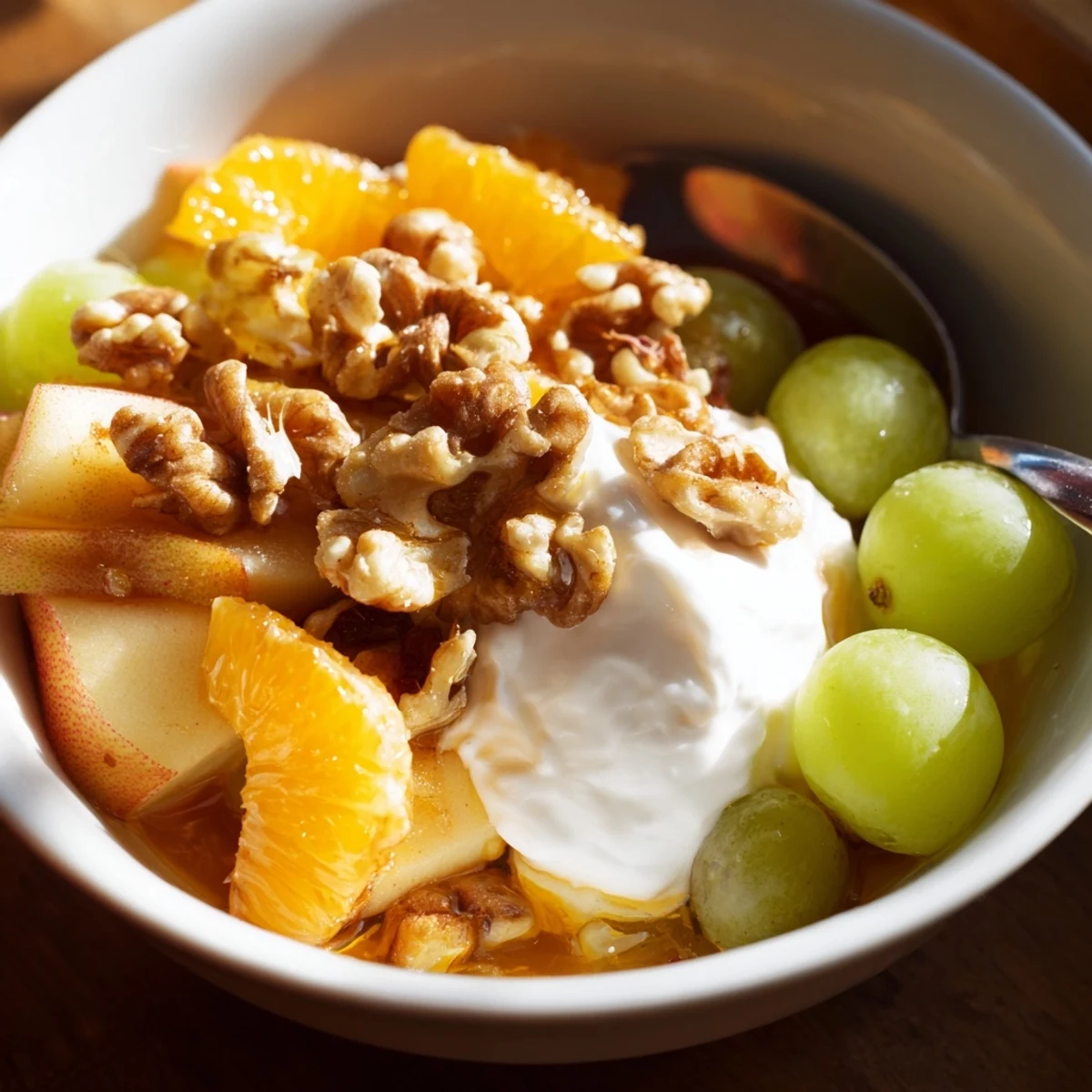
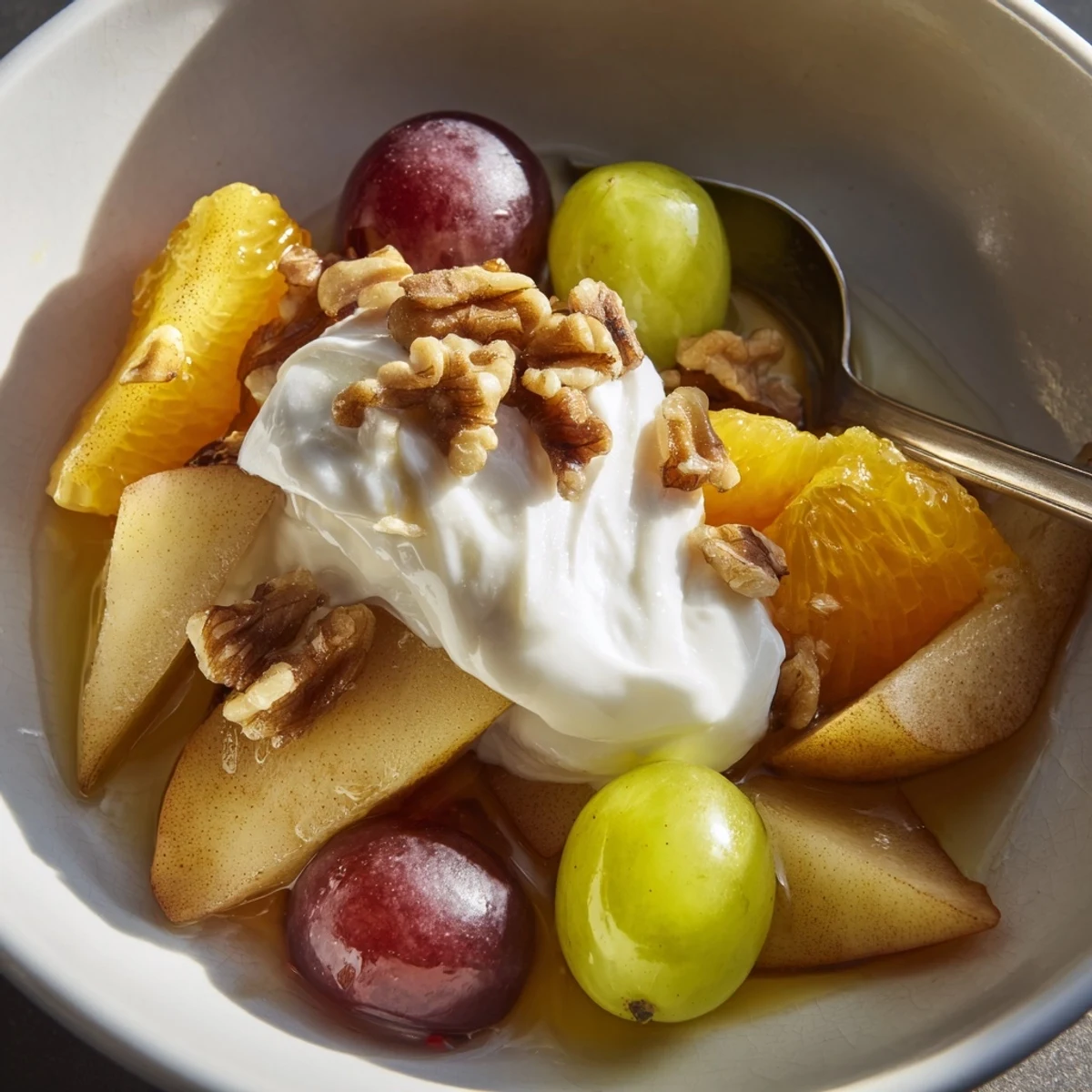
- Spoon the warm fruit and its syrupy liquid into bowls, then crown each with toasted walnuts and a dollop of yogurt if you're using it. Or pour the whole thing into a container and refrigerate it to serve cold whenever the craving strikes.
 Save
Save This dessert has a way of appearing on my table whenever the seasons shift, whenever I need something that tastes like care in a bowl. It's the kind of recipe that works equally well as an afterthought for a quiet Tuesday or as the thoughtful finale to a dinner party.
Why This Recipe Became a Favorite
Honestly, it's because it doesn't pretend to be something it's not. There's no complicated technique here, no ingredient you can't pronounce or won't find in your regular grocery store. What there is, instead, is a genuine simplicity that somehow feels luxurious when you're eating it. The spices do the heavy lifting, the fruit provides natural sweetness, and you're left with something that tastes like someone spent hours in the kitchen when you actually spent barely half an hour there.
Adapting It to What You Have
This recipe is genuinely flexible, and that's part of why I keep returning to it. If you're out of pears, use more apples or add stone fruits like peaches or plums—they'll cook down beautifully. If star anise doesn't appeal to you, substitute extra cloves or a splash of vanilla. The spice combination is just a starting point, and once you understand how they work together, you'll start trusting your own instincts about what belongs in the pot.
Serving Ideas and Timing
I've served this warm on winter nights with a spoonful of yogurt, and I've made a batch on Sunday to eat chilled all week for quick breakfasts. It keeps beautifully in the refrigerator for up to five days, and it's actually better on day two or three once all the spices have had time to truly settle into the fruit. If you're hosting, you can make this hours in advance and either reheat it gently or serve it at room temperature—it's remarkably forgiving.
- Pair it with a warm spiced beverage like chai or cinnamon tea for the complete experience.
- Use it as a topping for vanilla ice cream or yogurt if you want something that feels a bit more dessert-forward.
- Remember that the cooking liquid is liquid gold—don't discard it even if you drain the fruit.
 Save
Save This is the kind of recipe that becomes part of your regular rotation without you even planning it—one that you reach for when you want something that feels both nourishing and special. Make it once, and it will find its way back to your table again and again.
Common Questions
- → Can I substitute the fruits in this dish?
-
Yes, you can replace apples, pears, grapes, and orange with seasonal fruits like peaches, plums, or berries to suit availability and taste.
- → How do the spices affect the flavor?
-
Cinnamon, cloves, star anise, and nutmeg provide warmth and depth, enhancing the natural sweetness of the fruit with aromatic notes.
- → Is it better served warm or chilled?
-
Both options work well; warm servings bring out cozy spice flavors, while chilling offers a refreshing contrast, especially in summer.
- → Can I make this dish vegan and dairy-free?
-
Use maple syrup instead of honey and opt for plant-based yogurt to keep it vegan and free of dairy.
- → What garnishes complement this fruit mix?
-
Toasted walnuts add crunch and nuttiness, while a dollop of yogurt provides creaminess; both enhance texture and flavor.
