
 Save
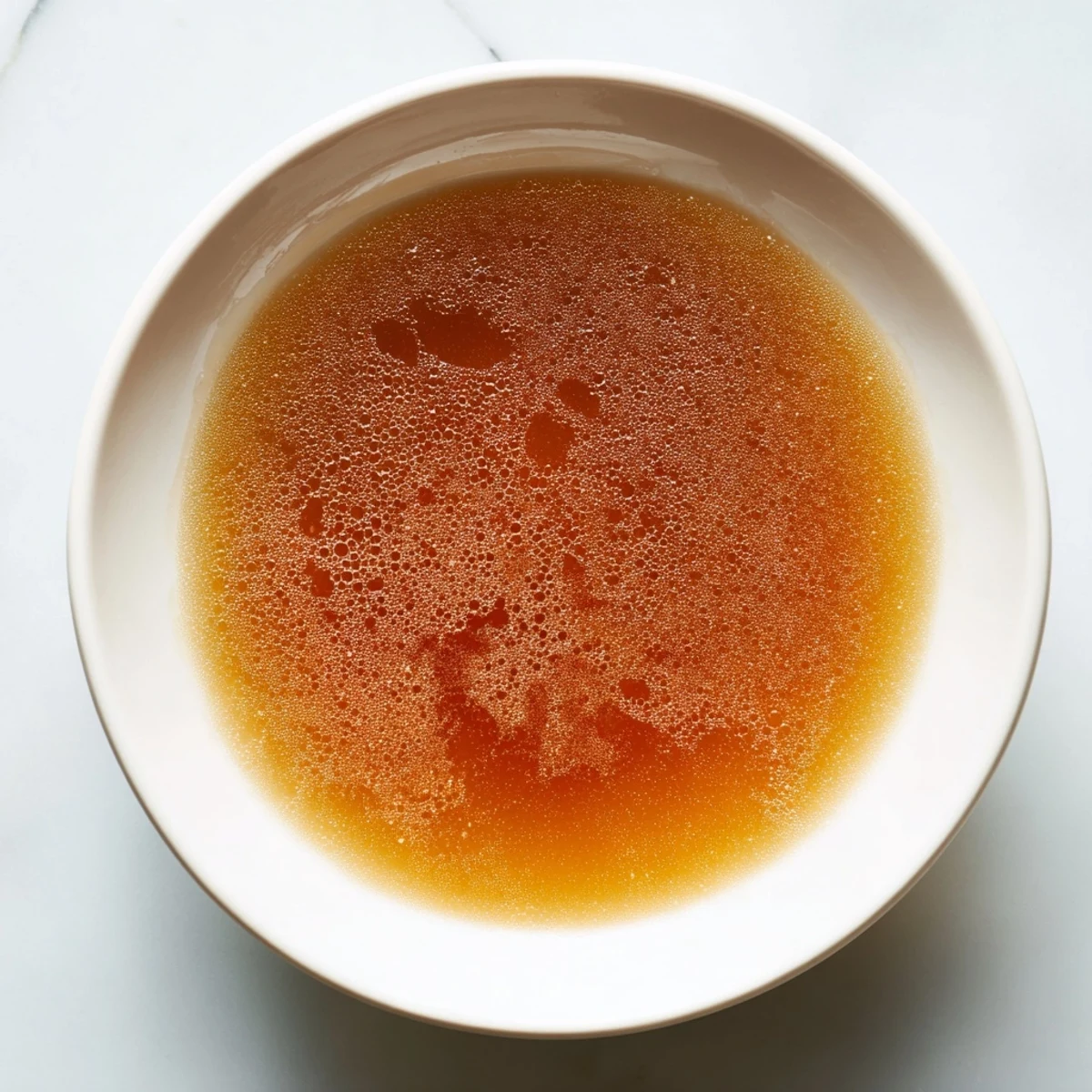
Save This rich beef stock offers a deeply savory base created by roasting beef bones and vegetables before simmering them gently with herbs and spices. The slow cooking process extracts full flavor and nutrients, resulting in a robust broth ideal for enriching soups, stews, sauces, and risottos. Careful skimming maintains clarity while optional chilling removes excess fat for a cleaner finish. Perfect for gluten-free and dairy-free diets, this versatile stock adds depth and warmth to many dishes.
Discovering how to make my own beef stock was a game changer in the kitchen. The deep, rich aroma filling the house made me look forward to cooking so many dishes from soups to risottos.
I still remember the first time unexpected guests arrived and I pulled this stock from the freezer to create a hearty stew on the fly — everyone raved about the depth of flavor.
Ingredients
- Beef bones: I always pick ones with marrow like shank or knuckle because they give the stock that gelatinous, silky mouthfeel
- Beef stew meat (optional): adds rich flavor; I use it when I want a heartier stock
- Onions: I leave the skins on for a beautiful golden color
- Carrots and celery: chopped roughly to release natural sweetness
- Leek (optional): adds a subtle aromatic note when available
- Garlic bulb: halved horizontally for gentle roasting that mellows its bite
- Bay leaves, thyme, parsley, peppercorns, cloves: fresh herbs whenever possible for vibrant flavor
- Tomato paste: roasted briefly to deepen umami
- Cold water: essential for slowly drawing out flavors during the long simmer
- Salt: best added at the end so you avoid over-seasoning
Instructions
- Roast the Bones and Vegetables:
- Preheat your oven to a hot 220°C (430°F). Spread out the beef bones and optional stew meat on a roasting pan and put them in. The smell as they brown after 40 minutes is incredible, it smells almost like steak cooking! Add in the onions, carrots, celery, leek, and garlic, roasting 15 more minutes to caramelize those veggies and release sweetness.
- Deglaze to Capture Every Flavor:
- Transfer everything to a large stockpot. Pour off or spoon away excess fat from the pan. Place the pan on medium heat and stir in tomato paste, cooking 2 minutes until fragrant. Add a little cold water and scrape the pan to loosen every browned morsel, then add all that liquid to the pot.
- Simmer Low and Slow:
- Add the rest of the cold water, then the bay leaves, thyme, parsley, peppercorns, and cloves. Bring slowly to a gentle simmer—don't let it boil as that makes the stock cloudy. Skim off foam and impurities as they rise. Let it simmer uncovered for 3 to 4 hours, topping up water if needed to keep ingredients submerged.
- Strain and Finish:
- Strain the stock through a fine-mesh sieve into a clean pot or large bowl, discarding solids. For the clearest stock, chill it so the fat solidifies on top; then skim that fat off. Finally, season with salt as you prefer just before using or storing.
 Save
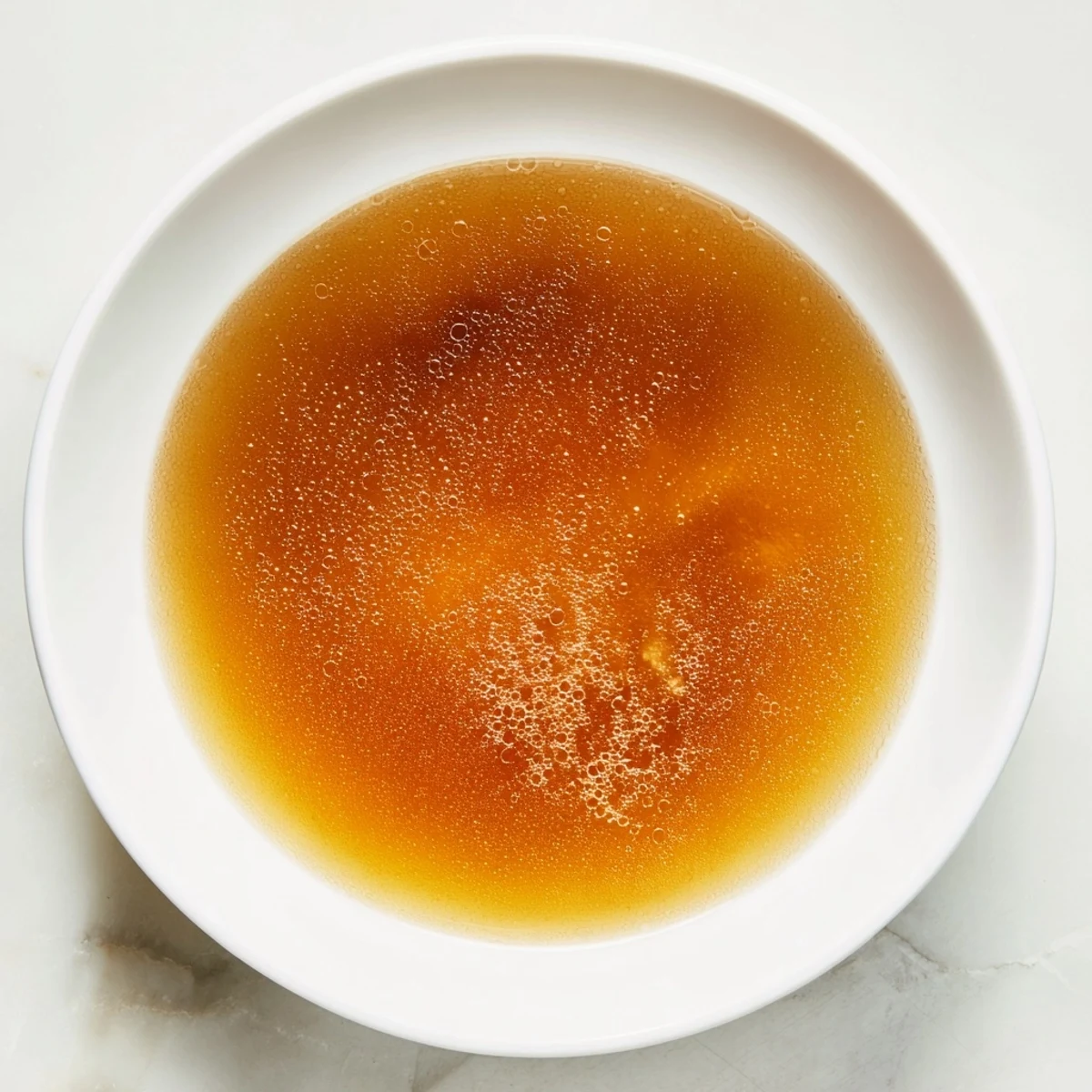
Save This stock became so much more than a base. It was a way to comfort my family on cold evenings and a base for memorable meals with friends sharing stories around the table.
Keeping It Fresh
I like to freeze the stock in portion-sized containers so I always have some ready. Just thaw or reheat for quick soups or sauces that taste homemade in no time.
Serving Ideas That Clicked
Besides soups and stews, I've used this stock as the cooking liquid for risotto and even to braise tougher cuts of meat, turning them tender and flavorful every time.
A Time This Recipe Saved the Day
When the power went out for a few hours once, I had some stock in the freezer and quickly made broth-based soup on the stove with canned ingredients — it felt like a feast rather than a simple meal.
- Remember to label your containers with date and type to avoid freezer guesswork
- If you don't have fresh herbs, dried ones work fine—just use less
- Always cool the stock quickly before storing to keep it fresh longer
 Save
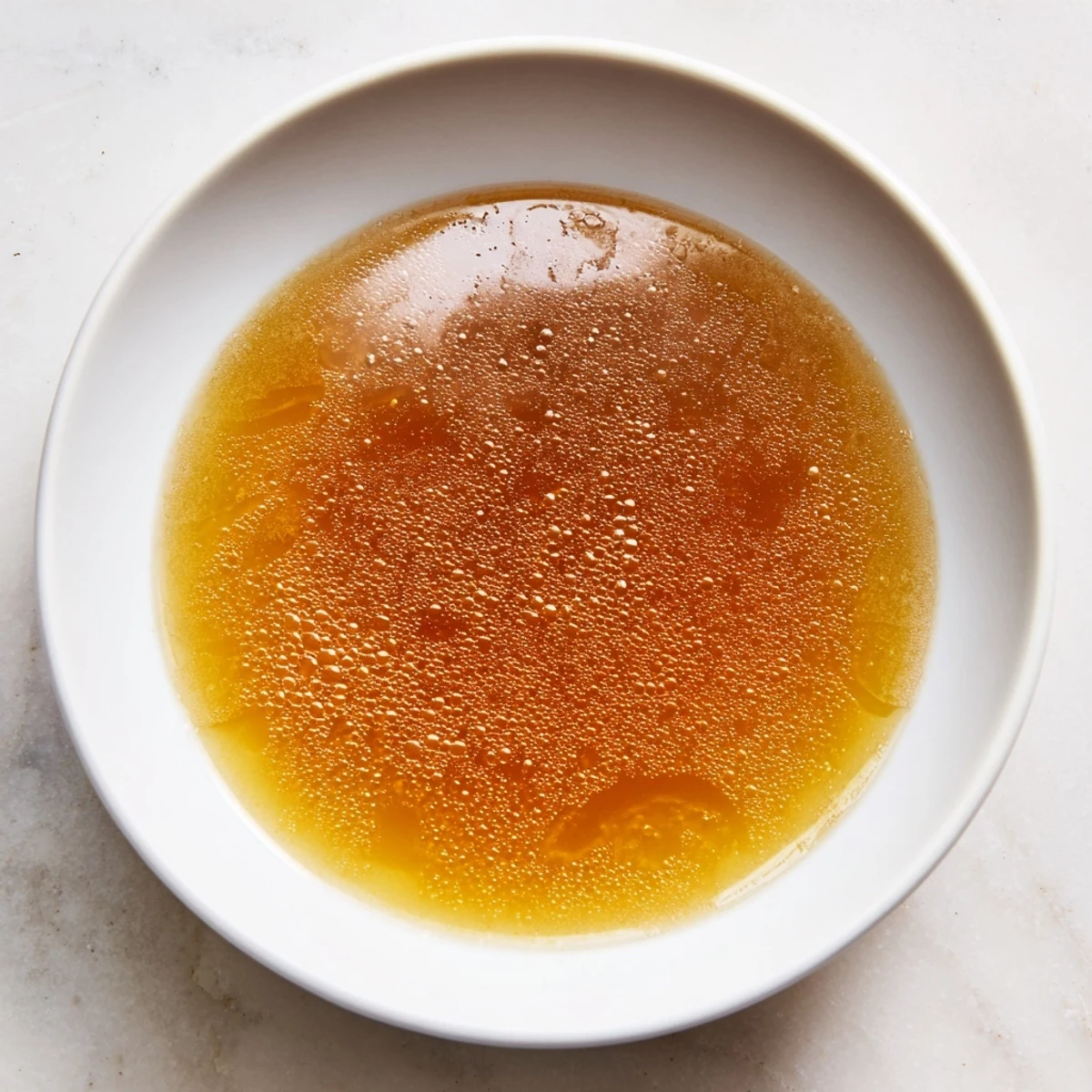
Save Thanks for spending time here and happy cooking! May your kitchen always be filled with nourishing smells and good company.
Common Questions
- → What cuts of beef are best for making this stock?
-
Use beef bones with marrow such as shank or knuckle for rich flavor, and optionally stew meat to deepen the taste.
- → Why is roasting the bones and vegetables important?
-
Roasting caramelizes the ingredients, enhancing the depth and complexity of the final stock’s flavor.
- → How long should the stock be simmered?
-
Simmer gently for 3 to 4 hours to extract maximum flavor without clouding the stock.
- → How can the stock be made clearer with less fat?
-
After chilling, fat solidifies on top and can be removed, resulting in a cleaner and less greasy stock.
- → Can this stock be frozen for later use?
-
Yes, freeze portions for up to three months to preserve its robust flavor and convenience.
