
 Save
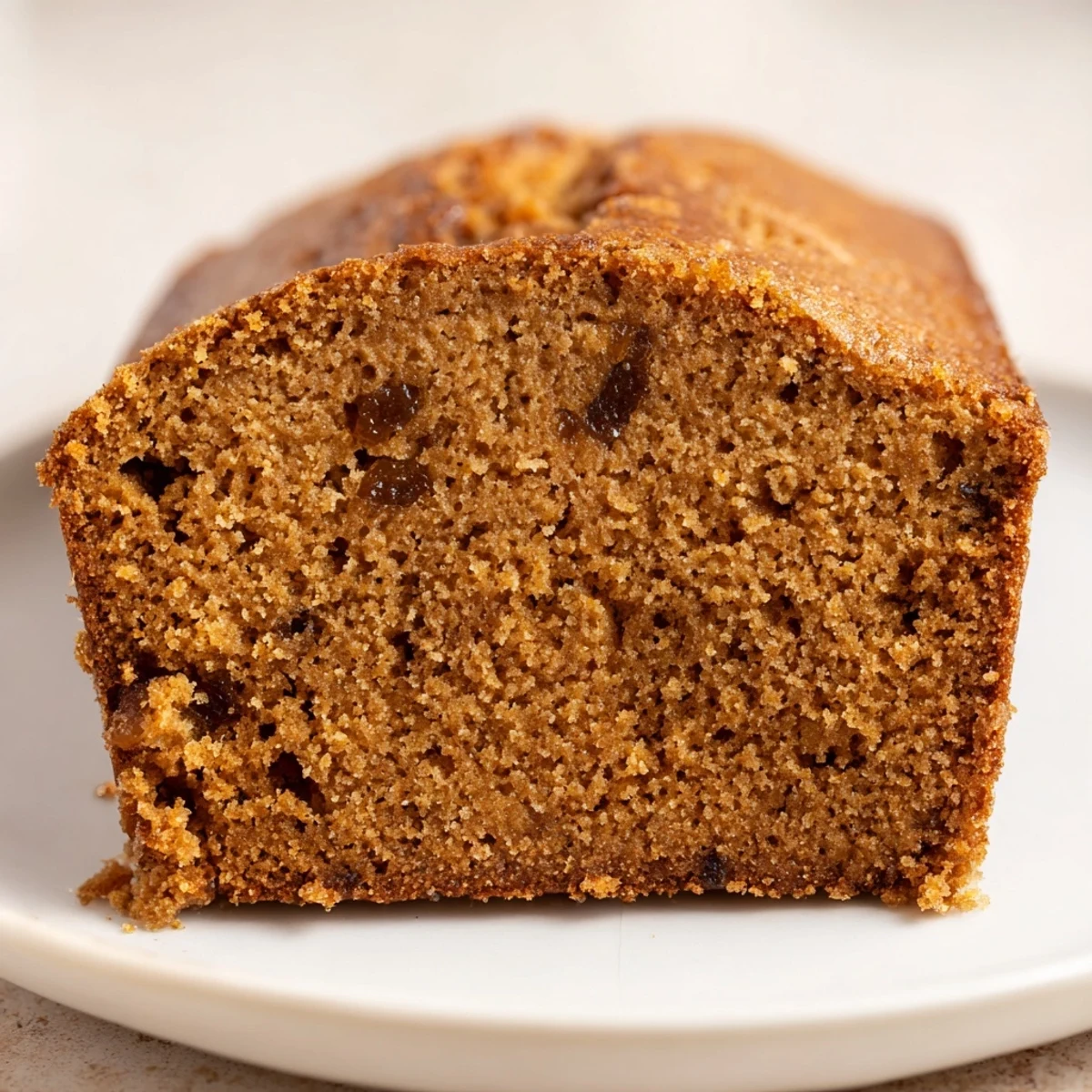
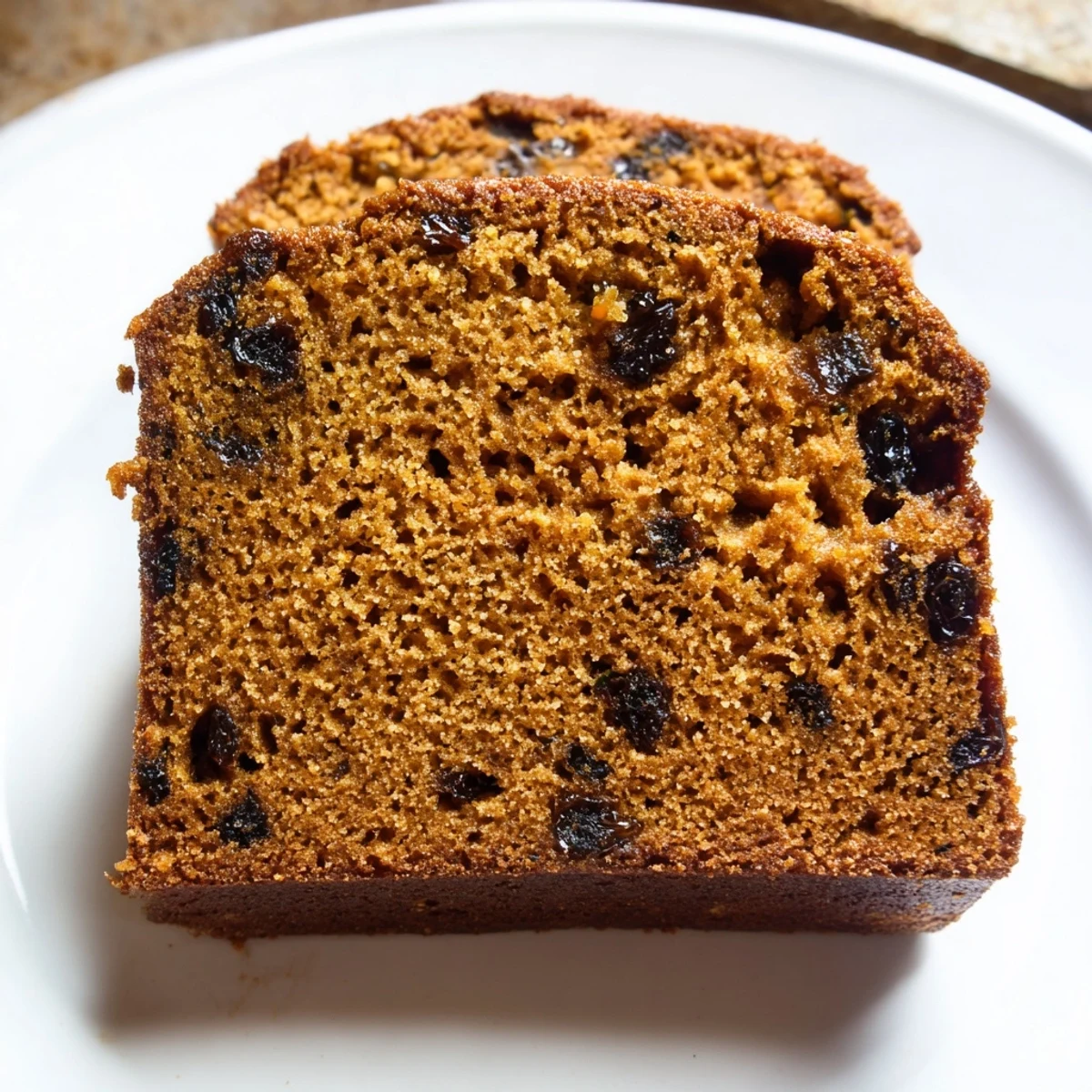
Save This moist loaf combines warm spices like ginger, cinnamon, and nutmeg with rich molasses for a tender, flavorful finish. Using a blend of wet and dry ingredients, it's baked to golden perfection and offers a comforting treat that pairs wonderfully with tea or cream cheese. Easily customized with raisins or crystallized ginger, this loaf is simple to prepare and perfect for sharing during chilly afternoons.
I'll never forget the first time I smelled gingerbread baking in my grandmother's kitchen on a crisp November morning. She had this worn recipe card, splattered with molasses from decades of use, and she'd hand it down to me with the promise that this loaf would fill any home with warmth. Now, whenever I need comfort in the kitchen, I reach for that same recipe—and it never fails to transport me back to those cozy afternoons.
I baked this for my book club last winter, and it became the unexpected star of the evening. One friend asked for the recipe that very night, and now she swears it's her secret weapon for bringing to potlucks. There's something about homemade gingerbread loaf that makes people feel genuinely cared for—it's modest enough for a quiet Tuesday but special enough for celebrations.
Ingredients
- All-purpose flour (2 cups): The foundation that gives your loaf its tender crumb. I've learned that measuring by weight is worth the effort here—it ensures your texture is perfect every single time.
- Ground ginger (1½ teaspoons): This is the soul of the recipe. Don't skip it or reduce it. This amount creates that warm, gentle heat that makes gingerbread unmistakable.
- Ground cinnamon (1 teaspoon): Adds complexity and rounds out the spice profile beautifully. It's what makes people pause and try to guess the flavors.
- Ground cloves (¼ teaspoon): Use exactly this amount—cloves are powerful, and this tiny measure adds mystery without overwhelming.
- Ground nutmeg (½ teaspoon): The subtle thread that ties all the warm spices together. Fresh nutmeg, if you have it, makes a noticeable difference.
- Baking soda (1 teaspoon): Essential for leavening and helping the loaf rise evenly. It also reacts with the molasses to create a tender crumb.
- Salt (½ teaspoon): Never skip this. It heightens all the spice flavors and prevents the sweetness from becoming one-dimensional.
- Vegetable oil (½ cup): Keeps the loaf incredibly moist. Butter would be lovely, but oil is the secret to that signature tender texture that stays fresh longer.
- Packed dark brown sugar (½ cup): Press it into your measuring cup so you get the full molasses notes. This is where deep flavor comes from.
- Large eggs at room temperature (2): Room temperature eggs incorporate more smoothly and create a better emulsion with the oil and molasses.
- Unsulfured molasses (½ cup): The heart of this recipe. That thick, dark molasses brings richness and moisture that you simply cannot replicate with anything else.
- Buttermilk (¾ cup): Or plain yogurt if you prefer. This adds tang and tenderness. If you only have milk, add 1 teaspoon lemon juice and let it sit for five minutes.
- Raisins or crystallized ginger (½ cup, optional): I love using crystallized ginger for bursts of concentrated flavor, but raisins add a gentle sweetness that's lovely too.
Instructions
- Prepare your stage:
- Preheat your oven to 350°F (175°C). While it's warming, grease a 9x5-inch loaf pan generously with butter or oil, then line it with parchment paper. This step might seem fussy, but it makes unmolding effortless and prevents those frustrating stuck edges.
- Combine the dry elements:
- In a large mixing bowl, whisk together the flour, ground ginger, cinnamon, cloves, nutmeg, baking soda, and salt. Take your time here—whisking aerates the flour and distributes all those precious spices evenly. You want every bite to taste the same.
- Build the wet base:
- In a separate medium bowl, whisk the vegetable oil, packed brown sugar, and eggs together until the mixture is smooth and pale. This takes about a minute of steady whisking. You're creating an emulsion that will keep your loaf tender and moist.
- Marry the molasses and buttermilk:
- Stir the molasses and buttermilk into the wet mixture. The molasses might seem thick at first, but gentle stirring incorporates it completely. You'll notice the batter taking on that beautiful deep brown color.
- Bring it together gently:
- Pour the wet ingredients into the dry ingredients and fold together with a spatula or wooden spoon. Mix just until you don't see any dry flour streaks. This is crucial—overmixing develops gluten, which makes the loaf tough and dense. A few lumps are your friend here.
- Add your special touches:
- If you're using raisins or crystallized ginger, fold them in gently at the end. Let them distribute naturally throughout the batter.
- Transfer to the pan:
- Pour the batter into your prepared loaf pan and smooth the top with a spatula. The batter will be thick and rich-looking, almost like pudding.
- Let the oven work its magic:
- Bake for 50 to 55 minutes. The loaf is done when a toothpick inserted into the center comes out clean or with just a few moist crumbs clinging to it. The top should be set and slightly domed. Your kitchen will smell absolutely incredible.
- Cool with patience:
- Let the loaf rest in the pan for 10 minutes. This allows the structure to set so it won't fall apart when you unmold it. Then turn it out onto a wire rack and let it cool completely. I know it's tempting to slice into warm gingerbread, but waiting allows the flavors to deepen and settle.
 Save
Save There was one evening when I served this gingerbread loaf to my neighbor who was going through a difficult time. She came back three days later, empty plate in hand, just to tell me that something about that simple loaf had brought her comfort when she needed it most. That's when I understood that these recipes we pass down aren't really about technique—they're about love.
Storage and Longevity
One of my favorite things about this loaf is how well it keeps. Wrapped tightly in plastic wrap or stored in an airtight container, it stays moist and delicious at room temperature for up to four days. The flavor actually deepens as it sits, so it's one of those rare baked goods that tastes even better the next day. For longer storage, wrap it well and freeze for up to two months. Thaw it at room temperature, wrapped, and it tastes just-baked again.
Serving Suggestions
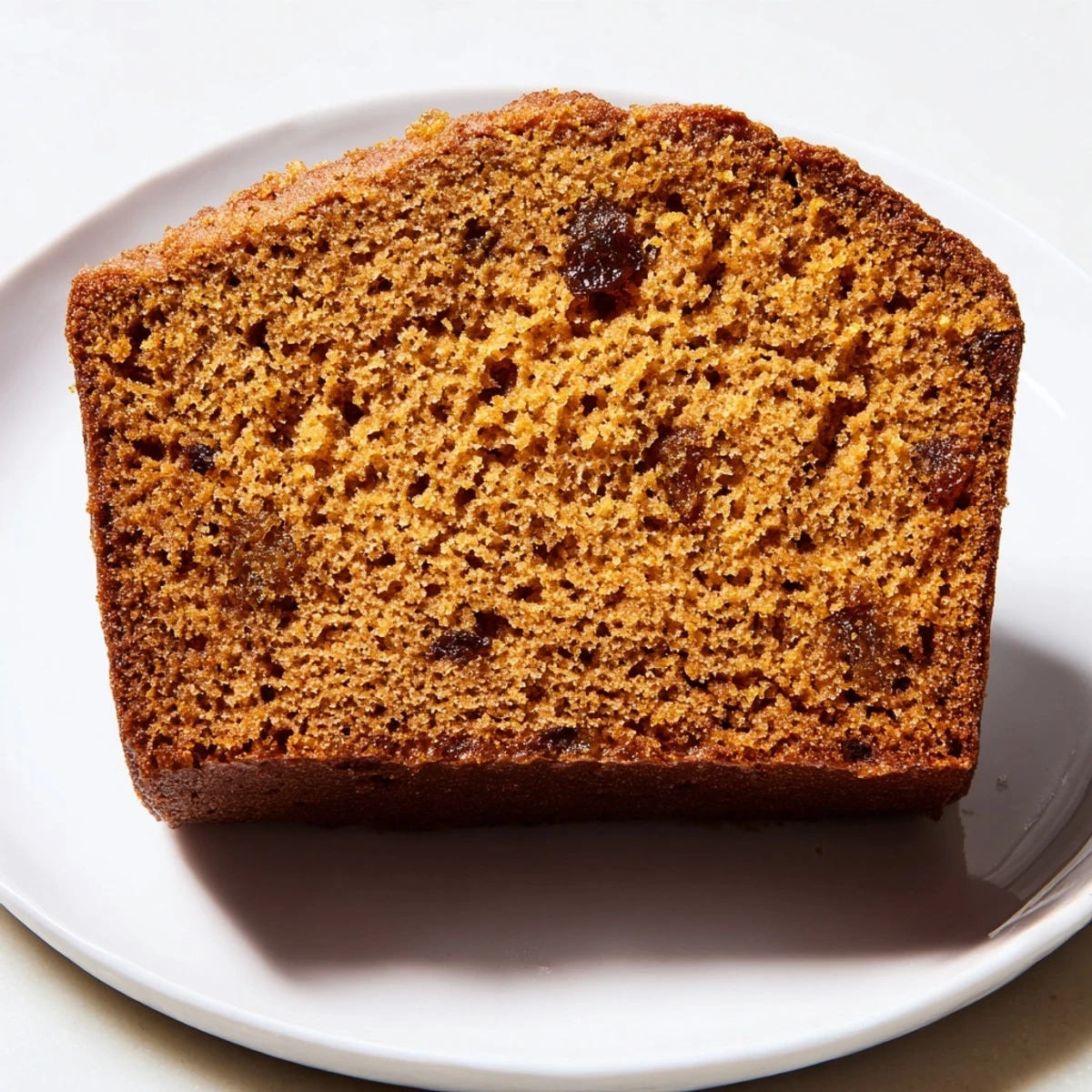
I've learned that how you serve this loaf matters. A thin slice with a smear of softened butter or cream cheese is my favorite way—the richness of the butter complements the spices beautifully. But I've also warmed it slightly and served it as a dessert alongside vanilla ice cream on cold evenings, and the contrast of warm spice and cold cream is unforgettable. It pairs wonderfully with hot tea in the afternoon or with mulled wine after dinner when you want something substantial but not too heavy.
Adaptations and Variations
This recipe is more flexible than it might seem at first. I've made it dairy-free by substituting the buttermilk with plant-based milk mixed with a teaspoon of lemon juice, and it turns out just as moist and delicious. For extra ginger intensity, stir an additional tablespoon of freshly grated ginger into the wet ingredients—this is for when you want that fresh, bright ginger note alongside the warm spice. Some years I use all crystallized ginger instead of raisins, and other years I add both. The beauty of this recipe is that it welcomes your personal touches.
- For a spice-forward version, increase the cinnamon to 1½ teaspoons and add a pinch of black pepper
- Dairy-free substitution: Use plant-based milk plus 1 teaspoon vinegar or lemon juice instead of buttermilk
- For the freshest ginger flavor, grate a whole piece of ginger root into the wet ingredients and reduce ground ginger slightly
 Save
Save This gingerbread loaf has become my quiet kitchen language—the way I say hello to people I care about, the way I celebrate the turning of seasons, the way I remember my grandmother's hands guiding mine through this recipe. I hope it becomes that for you too.
Common Questions
- → What spices give this loaf its warm flavor?
-
The warm flavor comes from ground ginger, cinnamon, cloves, and nutmeg, creating a harmonious spice blend.
- → Can I substitute buttermilk in this loaf?
-
Yes, plain yogurt or a plant-based milk mixed with a teaspoon of vinegar or lemon juice works well as a buttermilk substitute.
- → How do I ensure the loaf stays moist?
-
Using molasses and buttermilk in the batter adds moisture and richness to keep the loaf tender.
- → Are there options to enhance texture or flavor?
-
Adding raisins or chopped crystallized ginger introduces extra texture and bursts of sweetness.
- → What is the best way to store the loaf?
-
Wrap it tightly and store at room temperature for up to four days or freeze for up to two months.
