
 Save
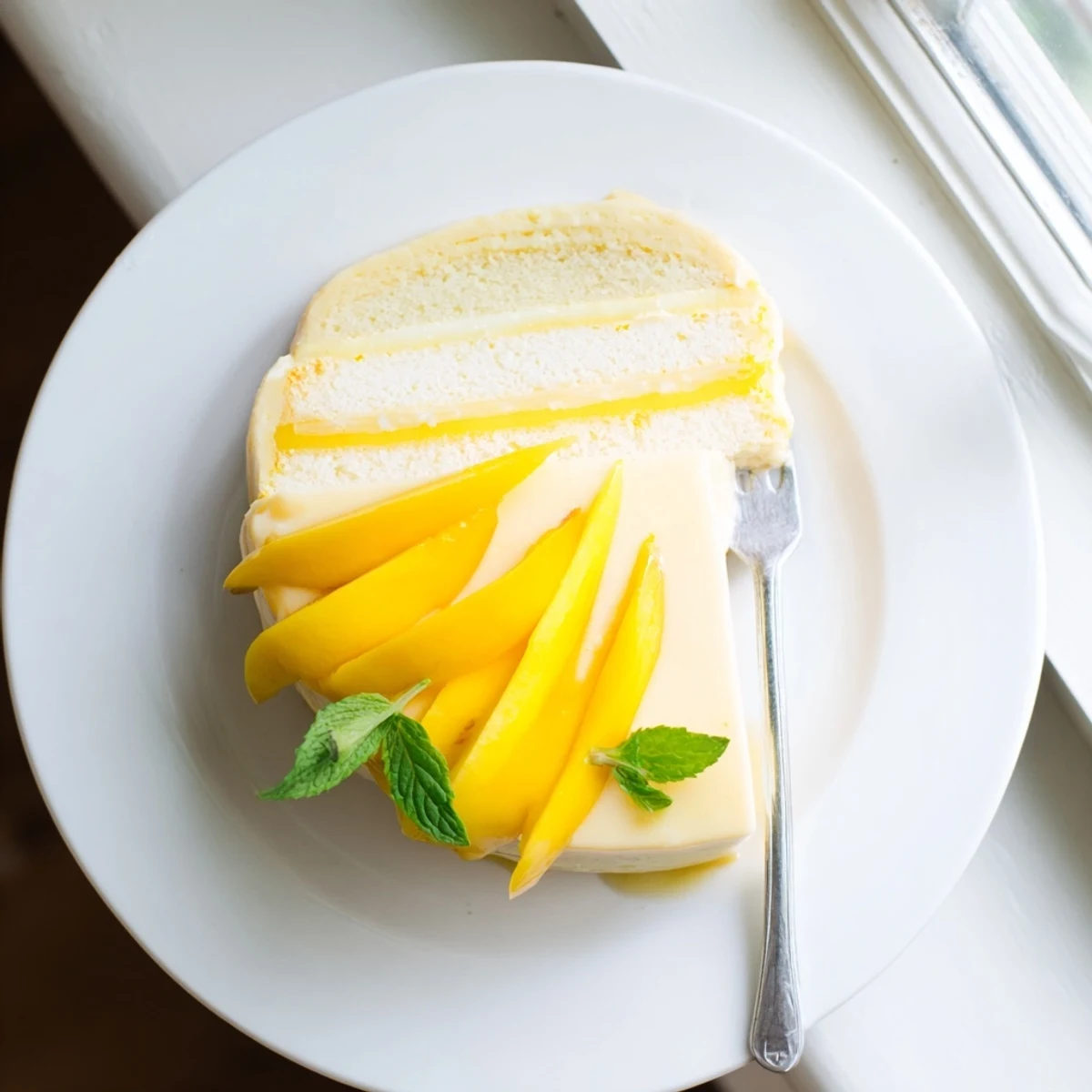
Save This elegant mango mousse cake combines three delightful layers: a tender vanilla sponge base, a light and airy mango mousse filling, and a glossy mango glaze topping. The tropical sweetness of ripe mangoes shines through each component, creating a refreshing dessert that's perfect for warm weather gatherings and special occasions.
Preparation involves baking a simple sponge, setting the mousse layer with gelatin, and finishing with a mirror-like glaze. While chilling time is required, the active preparation is straightforward and achievable for home bakers.
The result is a stunning showstopper that balances sweetness with the natural tang of mangoes and lemon. Serve chilled for the best texture and flavor experience.
The humidity was clinging to everything that July afternoon when my grandmother pulled a chilled mango from her fridge, its skin blushing with sunset colors. She taught me that the best mangoes give slightly when pressed, like a perfectly ripe peach. We spent hours blending and folding, watching clouds of cream turn into something that tasted like pure sunshine. That day in her tiny kitchen, with the fan whirring overhead and mango sticky on our fingers, I understood why some desserts feel like edible happiness.
I made this for my sister's birthday last summer, and the way her eyes lit up when I carried it to the table was better than any candlelit restaurant dessert. We ate it on the back porch as fireflies started blinking in the garden, forks clinking against china, someone reaching for seconds before anyone else had finished their first slice. The cake disappeared in ten minutes flat, and my brother-in-law still asks about it every time mangoes go on sale.
Ingredients
- 3 large eggs: Room temperature eggs whip up dramatically higher and more stable, creating that signature sponge that practically floats off the plate
- 90 g granulated sugar: I learned the hard way that reducing sugar makes the sponge dense—trust the ratio here for proper structure
- 90 g all-purpose flour: Sift it twice if you can, even though it feels like extra work, for a crumb that melts instead of chewy bits
- 1/2 tsp vanilla extract: Pure vanilla only, never imitation, because the artificial taste cuts through delicate mango flavor like plastic
- Pinch of salt: Just enough to wake up the mango without anyone guessing what makes it taste so complete
- 400 g ripe mango flesh: Champagne or Ataulfo mangoes work best because theyre less fibrous and somehow more intensely floral than the common Tommy Atkins variety
- 60 g granulated sugar: Adjust based on mango sweetness—some summer mangoes need barely any, while winter ones might beg for the full amount
- 2 tbsp lemon juice: This prevents the mango from oxidizing into that muddy brown color and adds brightness that cuts through the rich cream
- 1 tbsp unflavored gelatin powder: Sprinkle it gently over cold water and let it bloom like flowers, or youll end up with grainy pockets that ruin the silkiness
- 300 ml heavy cream: Cold cream whips faster and holds air better, so pop the bowl and whisk in the freezer for ten minutes before starting
- 150 g mango puree: Strain it through a fine mesh sieve if you want that mirror finish to look absolutely professional, removing every last fibrous bit
- 1 tbsp lemon juice: The glaze needs this acid too, balancing all that sugar so it tastes refreshing rather than cloying
- 1 tbsp granulated sugar: Barely any because the glaze should be a subtle finish, not a candy coating that overpowers everything below
- 1.5 tsp unflavored gelatin powder: This amount creates glaze that sets firm but still yields willingly to a fork without cracking or shattering
- Fresh mango slices: Cut them just before serving or theyll weep onto your perfect glaze and create those frustrating watery puddles
Instructions
- Bake the Foundation:
- Preheat your oven to 180°C and line a 23 cm springform pan with parchment paper, pressing it into the bottom crease like youre tucking in sheets. Beat eggs and sugar until theyve tripled in volume and look like pale yellow clouds that leave ribbons when you lift the beaters—this usually takes about five full minutes of patience. Fold in the flour, salt, and vanilla with a rubber spatula, using gentle sweeping motions rather than stirring, or youll deflate all that precious air. Pour into your prepared pan and bake for 12 to 15 minutes until the center springs back when touched and smells like vanilla comfort. Let it cool completely right in the pan, fighting the urge to remove it while still warm.
- Create the Mango Mousse:
- Sprinkle gelatin over three tablespoons of cold water and walk away for five full minutes, letting it absorb the liquid and transform into soft translucent sheets. Gently heat the bloomed gelatin until it dissolves completely, watching closely like a hawk because boiled gelatin loses its setting power forever. Blend your mango puree with sugar and lemon juice until its perfectly smooth, then stir in that liquid gelatin while both are still warm enough to combine seamlessly. Whip your heavy cream in that chilled bowl until soft peaks form—when you lift the whisk, the cream should droop over slightly rather than stand at strict attention. Fold the whipped cream into the mango mixture in three additions, treating it like something fragile that needs coaxing rather than aggressive mixing.
- Assemble the First Layer:
- Pour that beautiful coral mousse over your completely cooled sponge base, using an offset spatula to smooth the top into something perfectly level. Give the pan a couple of gentle taps on the counter to release any trapped air bubbles that would mar your finish later. Refrigerate for at least two hours, though three is better, until the mousse is set enough that a gentle touch leaves no impression.
- Prepare the Mirror Glaze:
- Bloom your gelatin in two tablespoons cold water, then heat until dissolved just like before, keeping the temperature low and your patience high. Mix mango puree, lemon juice, and sugar in a bowl until the sugar disappears completely. Stir in the dissolved gelatin, then let this mixture cool to room temperature—it should feel barely cool to the touch, like bathwater for a baby, before you pour it over anything.
- Add the Glaze and Finish:
- Pour the room temperature glaze over your set mousse layer, working quickly and tilting the pan gently to help it spread into an even, glossy sheet. Chill for another two hours minimum, though overnight is even better for clean slicing. Run a thin knife around the edge of the pan before releasing the springform, then admire your handiwork before decorating with fresh mango slices and mint leaves if you feel like showing off.
 Save
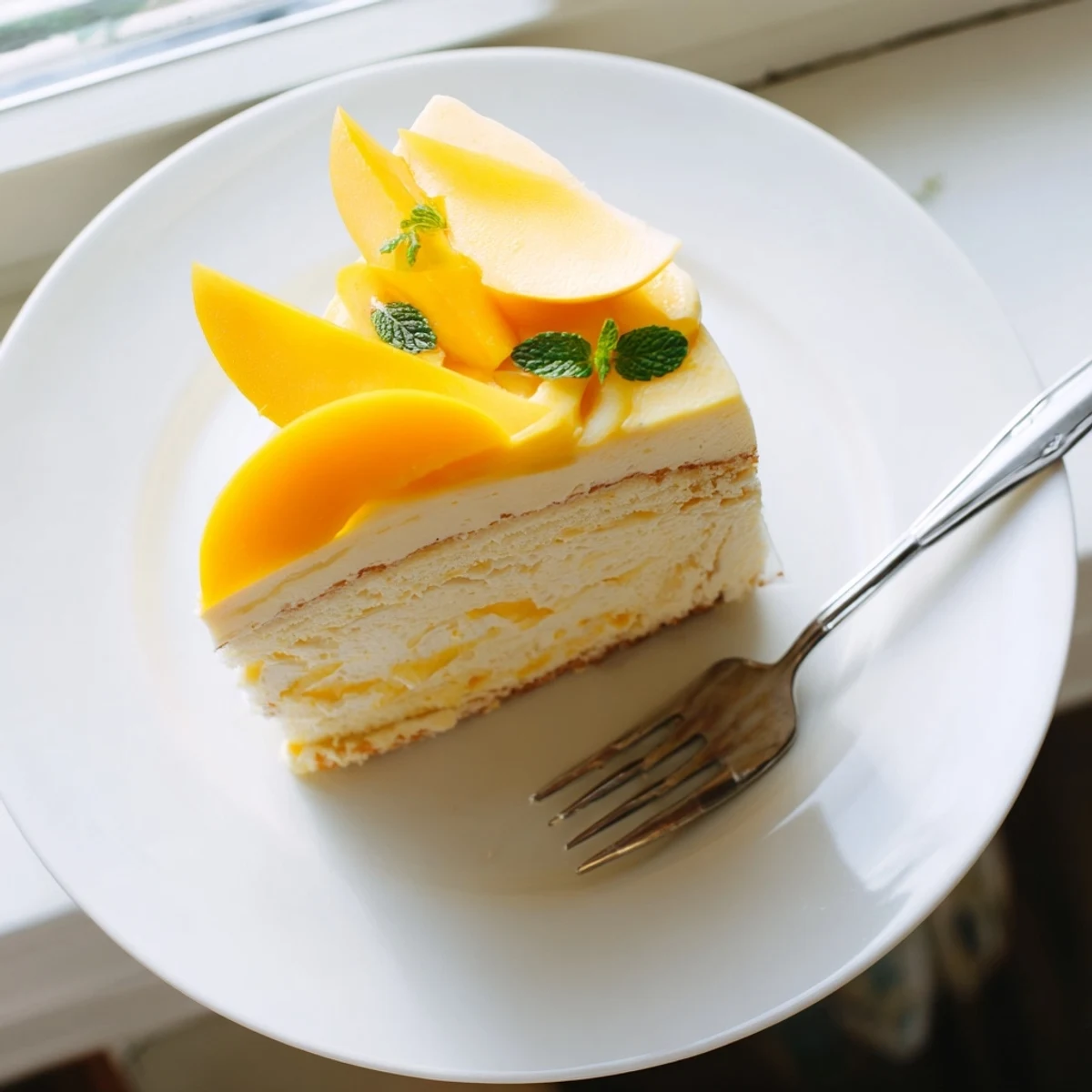
Save There's something almost meditative about making a cake that requires patience, about respecting each step enough to wait rather than rushing. My daughter helped me make this last weekend, and watching her carefully fold the cream into the mango, her tongue sticking out in concentration, reminded me why cooking connects us across generations. We ate slices on the front steps with bare feet, letting the glaze melt on our tongues, agreeing that some things are worth every minute of waiting.
Making It Your Own
Once you master the basic technique, the flavor variations are endless. Ive tried passion fruit mousse with the same mango glaze, and the tropical combination was absolutely stunning. Coconut milk can replace some of the cream for a lighter version, though the texture changes slightly—still delicious, just different.
Serving Suggestions
This cake shines brightest when served chilled but not refrigerator cold, so let it sit on the counter for about ten minutes before slicing. A sharp knife dipped in hot water and wiped clean between cuts creates those picture perfect restaurant style slices. The contrast between cool creamy mousse and fresh mango slices is pure magic.
Storage and Make Ahead Tips
The assembled cake keeps beautifully in the refrigerator for up to three days, though the glaze may start to weep slightly after day two. For parties, I make everything except the final glaze the day before, then add that glossy top layer the morning of serving for maximum freshness and shine.
- Wrap the springform pan tightly with plastic wrap during chilling to prevent any fridge flavors from absorbing into the mousse
- Frozen mango works surprisingly well in a pinch, just thaw completely and drain excess liquid before pureeing
- The sponge base can be baked ahead, wrapped well, and frozen for up to a month before using
 Save
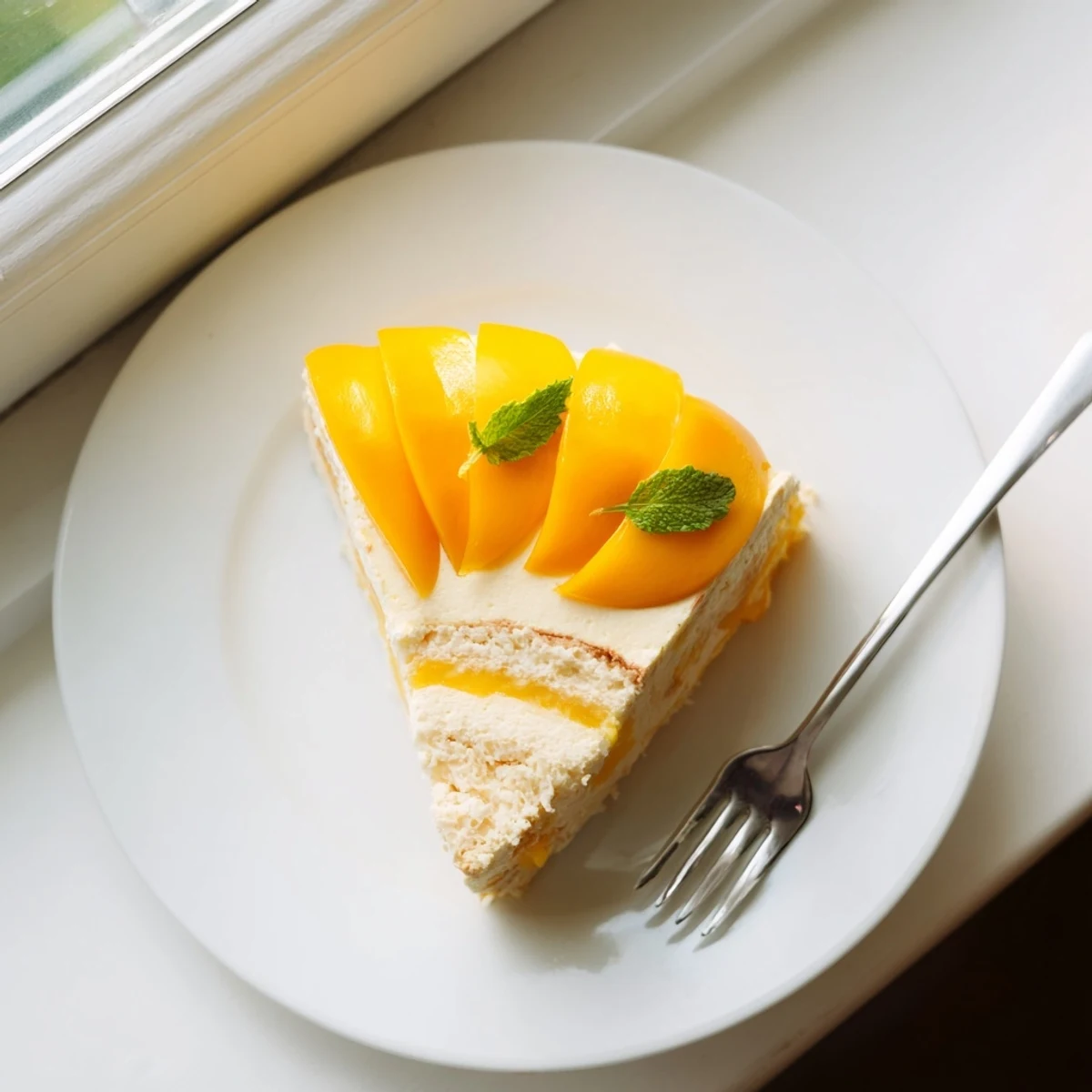
Save There's something deeply satisfying about slicing into a cake that looks like it came from a fancy patisserie window, knowing you created it in your own kitchen. The first bite always brings that moment of quiet pride, followed quickly by everyone asking for seconds.
Common Questions
- → How long does mango mousse cake need to chill?
-
The mango mousse layer requires at least 2 hours to set properly in the refrigerator. After adding the mango glaze, the cake needs an additional 2 hours of chilling time until the glaze is firm. For best results, you can make this dessert a day ahead and keep it refrigerated overnight.
- → Can I use frozen mangoes for this mousse cake?
-
Yes, you can use high-quality frozen mango chunks when fresh mangoes are unavailable. Thaw the frozen mango completely and drain any excess liquid before pureeing. This ensures the mousse maintains the proper consistency and doesn't become too watery.
- → What can I substitute for gelatin in this mango cake?
-
For a vegetarian alternative, you can use agar-agar powder instead of gelatin. Use approximately 1 teaspoon of agar-agar powder for each tablespoon of gelatin called for in the mousse and glaze. Dissolve the agar-agar in the liquid mixture and bring it to a brief boil to activate properly before combining with other ingredients.
- → How do I store mango mousse cake and how long does it last?
-
Store the mango mousse cake in the refrigerator, covered loosely with plastic wrap or in an airtight container. It will keep well for 3-4 days when properly chilled. The texture is best served cold, and the glaze remains glossy and firm when refrigerated consistently.
- → Can I make this mango cake gluten-free?
-
Absolutely! Simply substitute the all-purpose flour in the sponge base with an equal amount of gluten-free flour blend. Ensure other ingredients, particularly the gelatin, are certified gluten-free if you have severe gluten sensitivity. The texture remains excellent with this substitution.
- → Why is my mango mousse not setting properly?
-
If the mousse isn't setting, the gelatin may not have been dissolved properly or the ratio might be off. Ensure the bloomed gelatin is gently heated until completely dissolved before incorporating. Also, make sure the heavy cream is whipped to soft peaks—not too stiff or too soft—before folding into the mango mixture. Temperature matters too; warm ingredients can prevent proper setting.
