
 Save
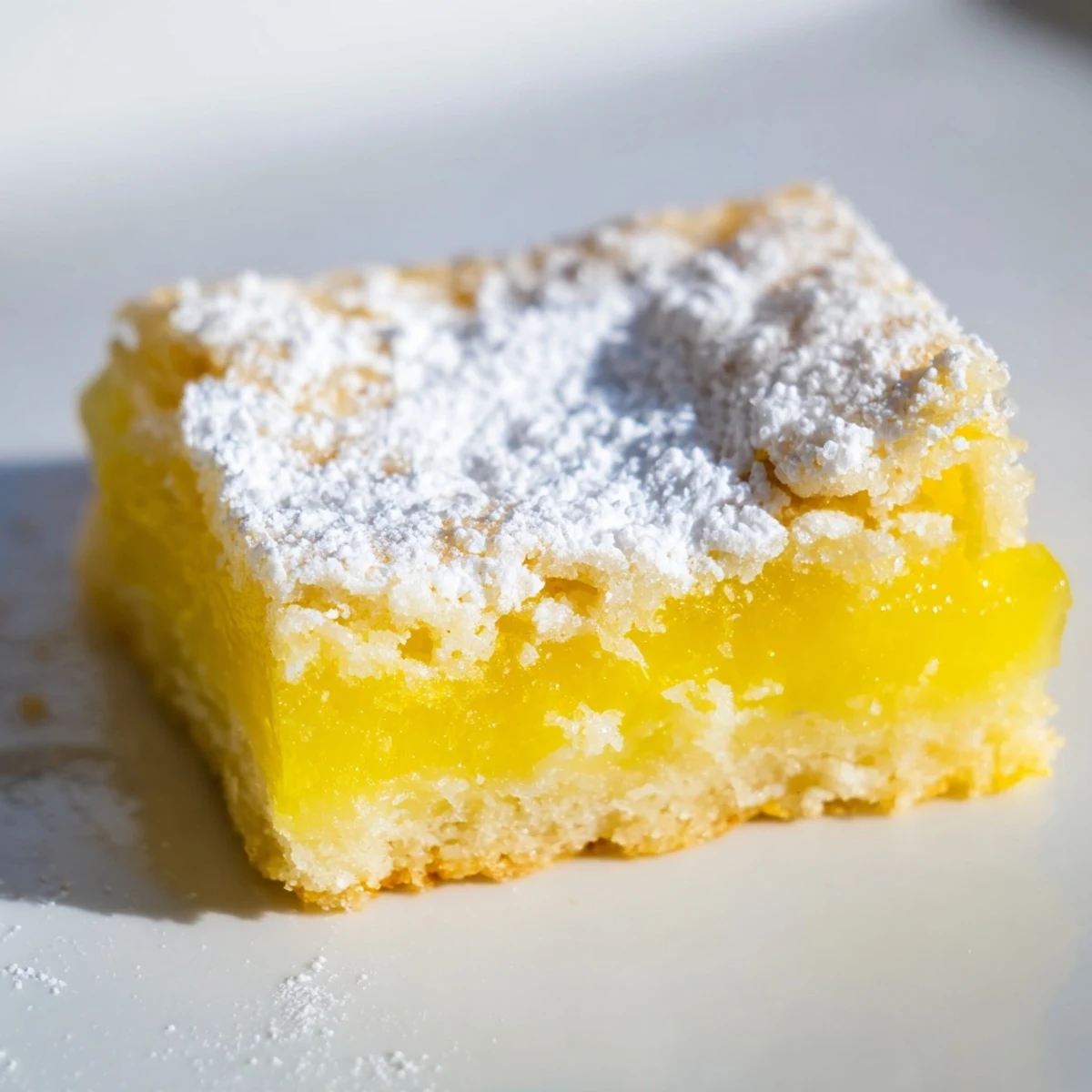
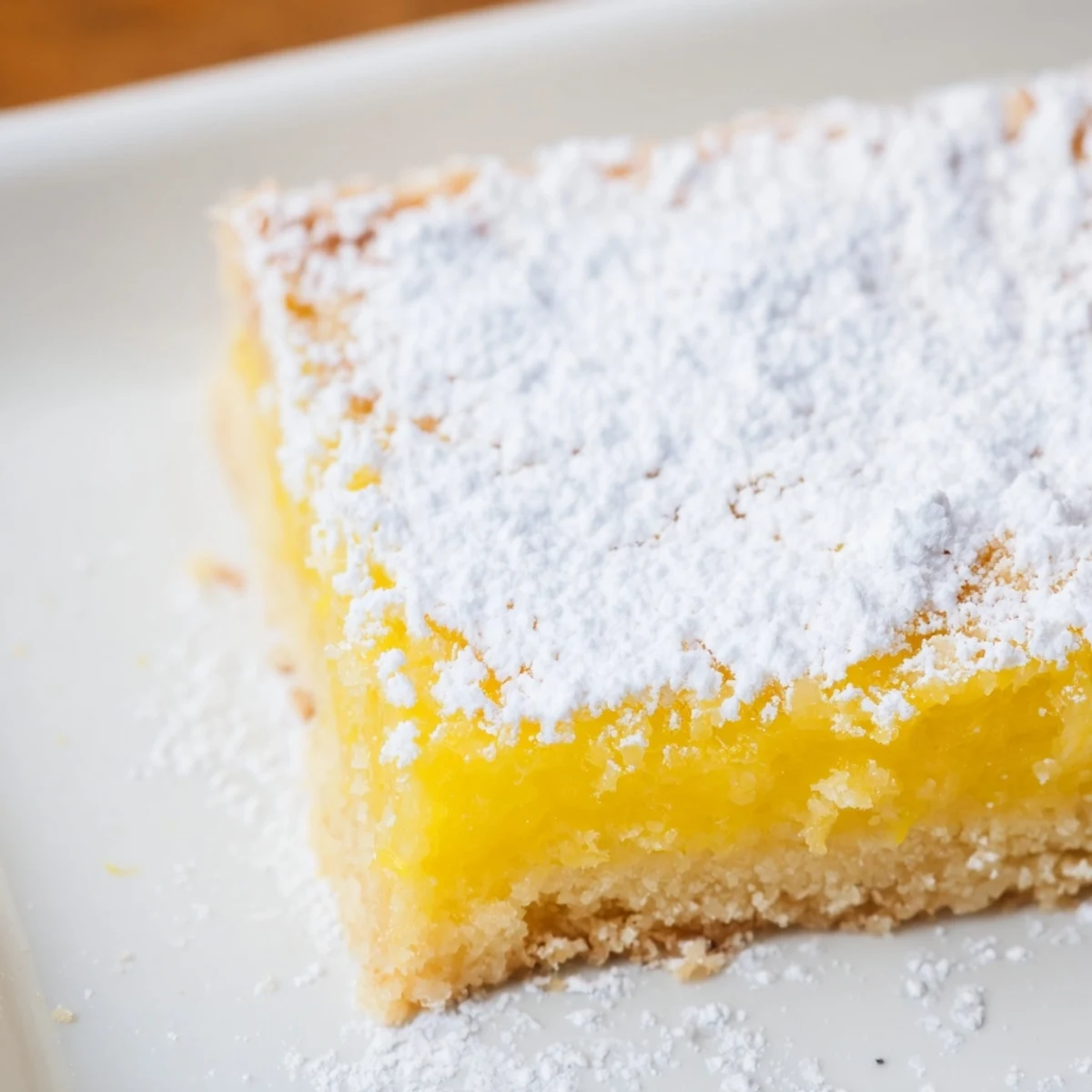
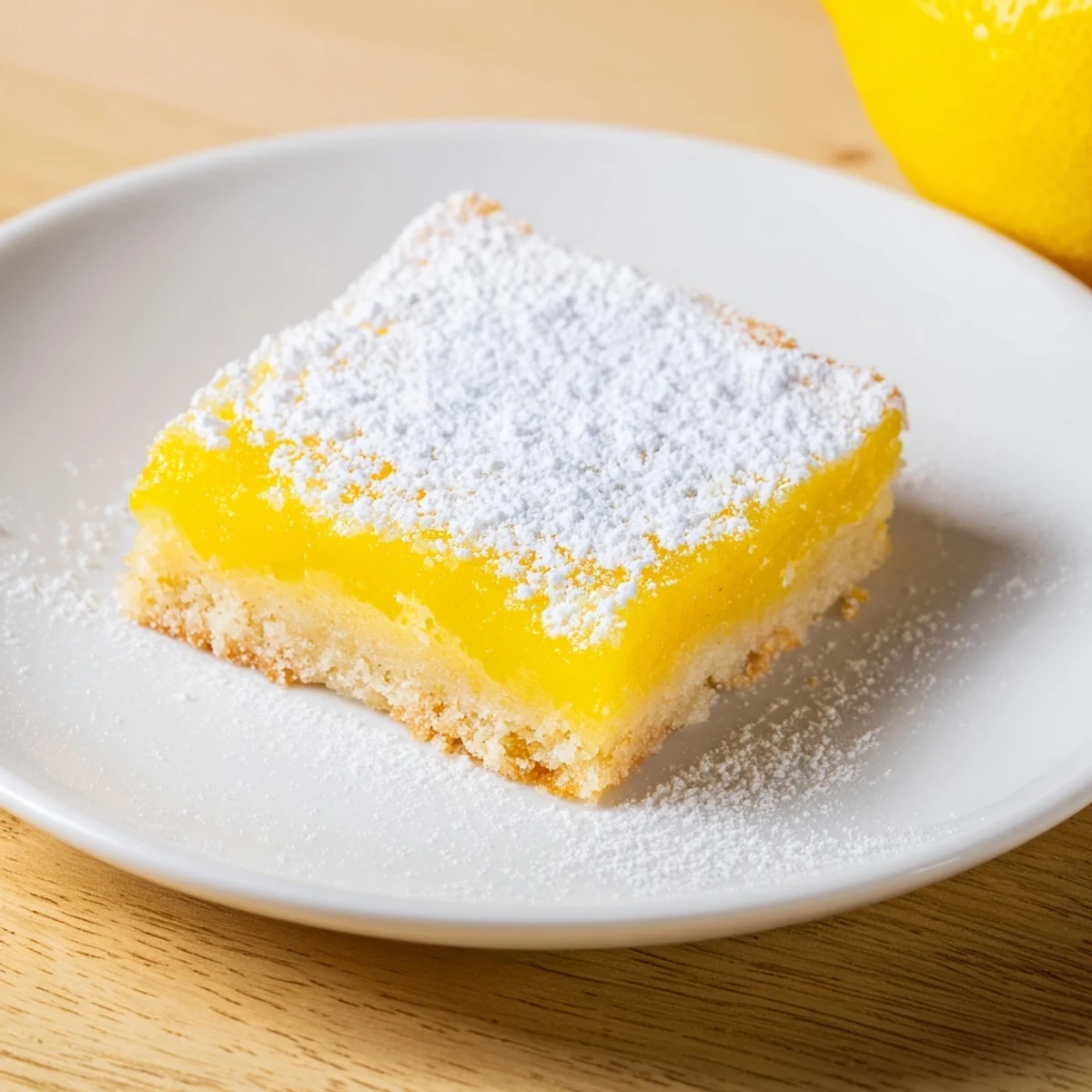
Save These bright lemon bars offer a delightful balance of tangy citrus filling atop a buttery shortbread crust. The crust is baked golden and topped with a smooth lemon mixture flavored with fresh lemon juice and zest. After baking, chilling ensures clean slicing and the bars are finished with a dusting of powdered sugar for extra sweetness. Perfect for dessert or a tea-time indulgence, they are easy to prepare and serve.
There's something about the smell of lemon bars cooling on the counter that stops you mid-afternoon—bright, sharp, almost demanding your full attention. I first made these on a whim when a friend mentioned she'd never had homemade lemon bars, just the dense, overly sweet grocery store kind, and I thought, why not show her what they're supposed to taste like? That first batch taught me that the magic isn't in complexity; it's in the contrast between a buttery, crumbly crust and that silky, puckering filling that makes your mouth water.
I remember bringing a batch to work one Friday and watching my coworker take one bite, pause, and then immediately go back for another—no small talk, just pure satisfaction. That's when I realized these bars weren't just dessert; they were a moment of brightness in someone's day, the kind of thing people ask you to make again and again.
Ingredients
- Unsalted butter, softened: Softened butter creams smoothly into the sugar, building air pockets that give the crust its tender crumb—cold butter just won't do the job.
- Granulated sugar (1/2 cup for crust): This modest amount lets the buttery flavor shine without overwhelming the filling later.
- All-purpose flour: Two cups for the crust, 1/4 cup for the filling; the filling flour helps set the custard-like texture without making it dense.
- Salt: A small pinch that you barely notice but absolutely need; it balances the sweetness and brightens the lemon.
- Eggs: Four large eggs bind the filling and create that silky, almost creamy texture when baked low and slow.
- Freshly squeezed lemon juice: This is non-negotiable—bottled juice tastes tinny and flat compared to fresh, and you'll taste the difference immediately.
- Lemon zest: Finely grated zest holds the bright oils that make people say, 'Wow, that's lemony,' in the best way.
- Powdered sugar for dusting: A generous coating at the end looks beautiful and adds a sweet buffer against the tartness of the filling.
Instructions
- Prepare your pan and preheat:
- Line a 9x13-inch pan with parchment paper, letting it hang over the edges like a little sling—this is your magic trick for lifting bars out cleanly later. Set your oven to 350°F.
- Make the crust:
- Cream softened butter and sugar together until it looks pale and fluffy, about 2-3 minutes with an electric mixer. Add the flour and salt, mixing just until no dry streaks remain; overmixing makes a tough crust.
- Blind bake the crust:
- Press the mixture firmly and evenly into the bottom of the pan—use the bottom of a measuring cup to make it smooth and level. Bake for 18-20 minutes until the edges turn light golden; you want it set but not brown.
- Whisk the filling:
- While the crust bakes, whisk together sugar and flour in a large bowl, then add eggs one at a time, whisking well after each addition. Pour in the lemon juice and zest, whisking until completely smooth with no lumps.
- Layer and bake:
- Pour the filling directly onto the hot crust—the warmth helps it bake evenly. Bake for 15-18 minutes until the filling is just barely jiggly in the very center when you gently shake the pan.
- Cool with patience:
- Let the bars cool completely on a wire rack, then refrigerate for at least 2 hours; cold bars slice cleanly and taste even more vibrant. The chill time also lets the flavors marry and settle.
- Cut and dust:
- Lift the whole block out using the parchment overhang, then cut into 16 squares with a sharp knife, wiping the blade between cuts. Dust heavily with powdered sugar right before serving.
 Save
Save There was an evening when I pulled a batch out of the oven too early, and the filling was almost liquid in the center—I thought it was ruined until it chilled and became the most luxurious, custardy version I'd ever made. Sometimes mistakes teach you what perfection actually looks like.
Why Fresh Lemon Matters
Bottled lemon juice has a chemical edge that lingers on your palate, but fresh juice has this complexity—sweet notes underneath the tartness, almost floral. When you squeeze a lemon yourself, you also get the aromatic oils from the zest that make the bars taste alive. I learned this the hard way, and now I won't make them any other way.
Storage and Make-Ahead Tricks
These bars actually improve over the first day as the flavors settle and become rounder. They keep in an airtight container in the refrigerator for up to 4 days, and you can even freeze them for up to a month—though honestly, they never last that long in my house. Room temperature slices are delicious, but they're equally good straight from the cold, almost like a lemon custard treat.
Variations and Creativity in the Kitchen
Once you nail the basic recipe, the fun begins—I've played with extra zest for people who love intense citrus, switched in lime or orange juice for a different flavor profile, and even added a touch of vanilla extract to the filling for subtle depth. The structure is forgiving enough that you can experiment without the whole thing falling apart. These bars have taught me that classic recipes are classics for a reason, but they're also invitations to make them your own.
- For ultra-lemony bars, increase zest to 2 tablespoons and add an extra tablespoon of lemon juice.
- Lime or orange juice creates a different citrus personality while keeping the same technique.
- A pinch of turmeric in the filling adds warmth without changing the essential lemon flavor.
 Save
Save Lemon bars are the dessert that feels both simple and indulgent, the kind of thing that makes people feel cared for. Once you've made them once, they become part of your arsenal forever.
Common Questions
- → What makes the crust buttery and crisp?
-
The crust combines softened unsalted butter with granulated sugar and flour, creating a tender yet crisp shortbread base when baked.
- → How is the lemon filling achieved?
-
Freshly squeezed lemon juice, lemon zest, sugar, eggs, and a touch of flour are whisked into a smooth, tangy filling that sets firmly after baking.
- → Can other citrus fruits be used instead of lemon?
-
Yes, lime or orange juice can replace lemon juice for a different citrus twist while maintaining a bright flavor profile.
- → Why is chilling recommended before cutting?
-
Chilling allows the filling to fully set, resulting in clean, neat slices without crumbling or sticking.
- → How should these bars be stored?
-
Store in an airtight container in the refrigerator for up to four days to maintain freshness and texture.
- → What tools are needed to prepare them?
-
A baking pan lined with parchment, mixing bowls, a whisk, and optionally an electric mixer are useful for smooth preparation.
