
 Save
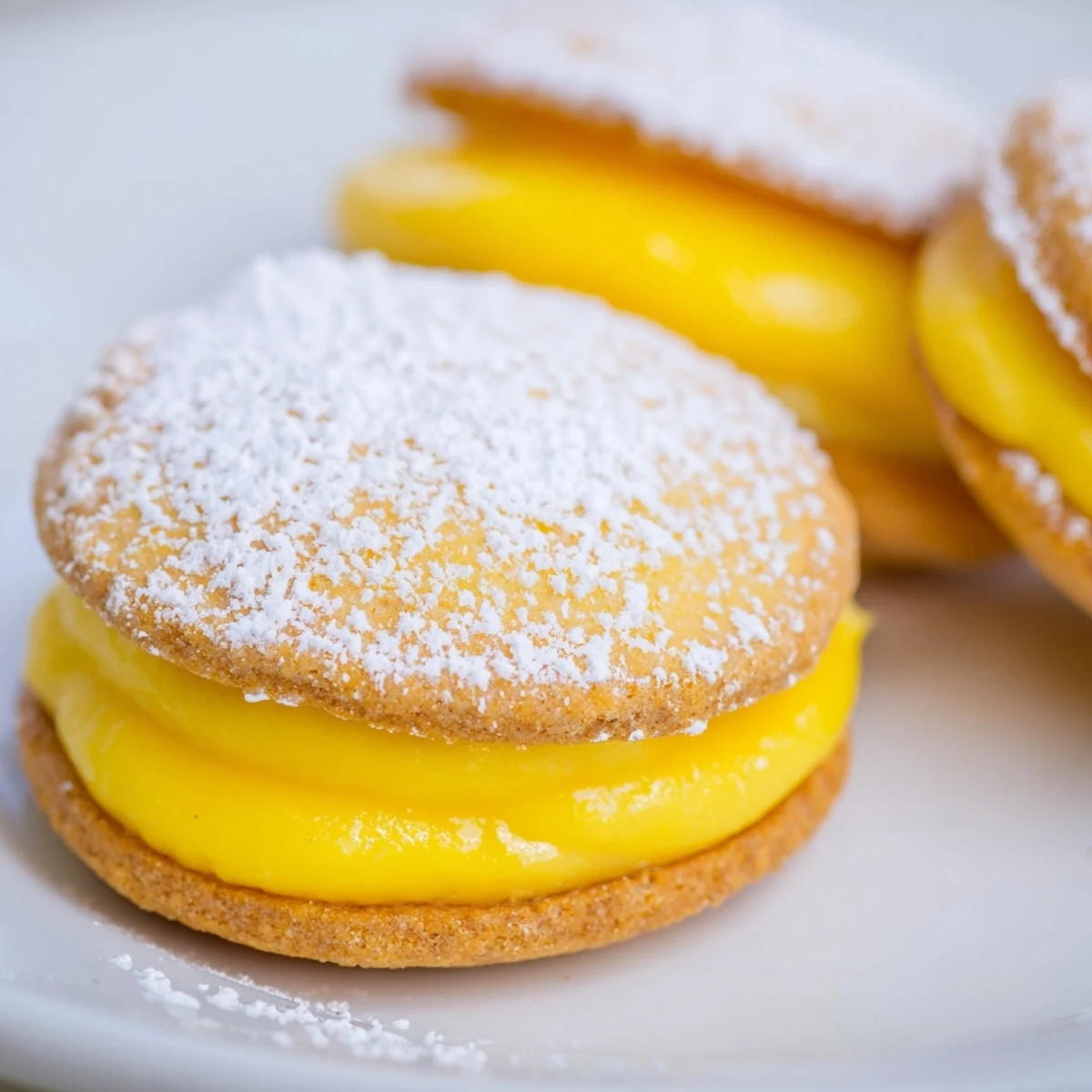
Save These delicate sandwich cookies feature buttery, zesty rounds filled with vibrant homemade vegan lemon curd. The gluten-free dough bakes to golden perfection, creating tender cookies that balance sweetness with bright citrus flavor. Perfect for teatime gatherings, afternoon treats, or elegant desserts.
The first time I made vegan lemon curd, I stood over the stove watching it transform from cloudy yellow to this impossibly glossy, sunshine colored pudding. My kitchen smelled like lemon zest and anticipation, and I kept dipping a spoon in just to make sure it was actually working. When that first sandwich cookie came together with its buttery gluten free shell and tangy bright center, I realized plant based baking had absolutely nothing to prove. These cookies have become my go to when I need something that feels fancy but comes together on a quiet afternoon.
I brought a platter of these to my sisters tea themed birthday last spring and watched my typically skeptical father-in-law eat three while pretending not to be impressed. The way the bright curd cuts through the buttery cookie creates this perfect balance that keeps people reaching for just one more. Now every time someone asks what to bring to a brunch gathering, this is the recipe I text them immediately.
Ingredients
- Gluten-free all-purpose flour blend: This creates the tender crumb of traditional shortbread without the wheat. I have tested several brands and the ones with added xanthan gum give the best results for cookies that hold their shape.
- Almond flour: Adds subtle richness and helps bind the dough without eggs. The slight nuttiness plays beautifully with the bright lemon flavors.
- Cornstarch: The secret to that delicate melt in your mouth texture. Do not skip this or substitute with other starches unless you have tested them first.
- Solid coconut oil: Must be solid but not rock hard for proper creaming. Leave it at room temperature for 15 to 20 minutes before starting.
- Organic cane sugar: Provides just enough sweetness without overpowering the citrus. The coarse crystals help create pockets of tenderness in the final cookie.
- Fresh lemon zest: This is where all the aromatic lemon oil lives. Zest your lemons before juicing them and press the zest into the sugar to release those essential oils.
- Fine sea salt: Enhances all the flavors and keeps the cookies from tasting flat. A pinch makes the lemon taste more lemon somehow.
- Baking soda: Just enough to give the cookies a slight lift so they are not too dense. This tiny amount creates the perfect tender structure.
- Unsweetened applesauce: Replaces eggs for moisture and binding. The subtle fruit sweetness complements the lemon without competing with it.
- Fresh lemon juice: Use freshly squeezed juice only. Bottled juice can have a metallic aftertaste that becomes pronounced in baking.
- Pure vanilla extract: Rounds out the sharp citrus notes and adds warmth. Pure extract makes a noticeable difference in the final flavor.
- Fresh lemon juice for curd: About 3 to 4 large lemons should give you enough juice for both the dough and the curd. Roll them on the counter before cutting to maximize juice yield.
- Lemon zest for curd: More zest means more aromatic lemon flavor in the filling. Take your time and avoid getting the bitter white pith.
- Organic cane sugar for curd: Sweetens and helps thicken the curd as it cooks. The amount balances the tartness without making it cloyingly sweet.
- Cornstarch for curd: This is what thickens the lemon juice into a spreadable curd. Whisk it thoroughly with the sugar before adding liquid to prevent lumps.
- Coconut cream: Adds richness and helps create that silky curd texture. The thick cream from the top of a refrigerated can works best here.
- Turmeric: Just a pinch gives the curd that gorgeous golden yellow color without changing the flavor. Your friends will never guess the secret ingredient.
- Pinch of salt: Essential for balancing the intense lemon flavor. A little salt makes everything taste more complete.
Instructions
- Whisk together your curd ingredients:
- In a small saucepan, combine lemon juice, lemon zest, sugar, cornstarch, coconut cream, turmeric if using, and salt. Whisk vigorously until the cornstarch is completely dissolved and the mixture is smooth.
- Cook until thickened:
- Place the saucepan over medium heat and whisk constantly for 3 to 4 minutes. The mixture will suddenly transform from thin to glossy and thick. As soon as you see the first bubble, remove it from heat immediately.
- Cool completely:
- Transfer the curd to a clean bowl and press a piece of plastic wrap directly onto the surface to prevent a skin from forming. Refrigerate for at least 1 hour until it is completely cold and spreadable.
- Cream your coconut oil:
- In a large bowl, beat the solid coconut oil and sugar together until light and fluffy. This takes about 3 minutes with an electric mixer and creates air pockets that make the cookies tender.
- Add wet ingredients:
- Pour in applesauce, lemon zest, lemon juice, and vanilla extract. Mix until everything is incorporated and the mixture looks smooth and creamy.
- Whisk dry ingredients:
- In a separate bowl, combine gluten free flour, almond flour, cornstarch, salt, and baking soda. Whisk well to evenly distribute all the ingredients and prevent any lumps.
- Form the dough:
- Gradually add the dry ingredients to the wet mixture, mixing on low speed until a soft dough forms. It should be pliable but not sticky.
- Chill the dough:
- Divide dough in half and shape each piece into a disc. Wrap in parchment paper and refrigerate for 30 minutes. This step is crucial for cookies that hold their shape while baking.
- Preheat oven:
- Set your oven to 350°F and line two baking sheets with parchment paper. Prepare now so you are ready to bake as soon as the dough is rolled out.
- Roll and cut:
- On a lightly floured surface, roll one disc of dough to 1/4 inch thickness. Cut into 2 inch rounds and transfer to prepared baking sheets, leaving 1 inch of space between cookies.
- Bake until golden:
- Bake for 10 to 12 minutes until the edges are just barely golden. They will look slightly underbaked but that is exactly what gives them their tender texture.
- Cool completely:
- Let cookies rest on baking sheets for 5 minutes before transferring to wire racks. They must be completely cool before filling or the curd will melt right off.
- Assemble the sandwiches:
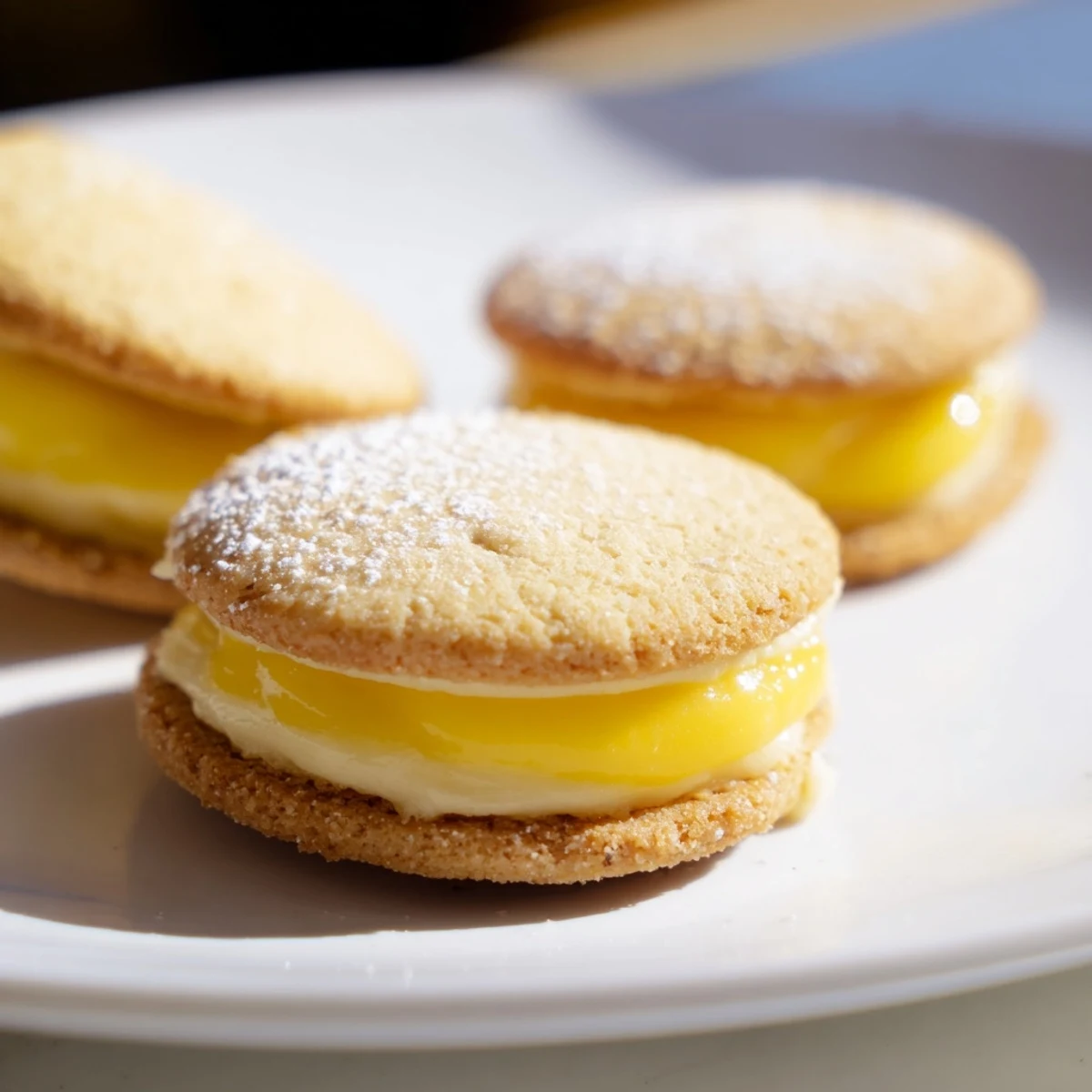
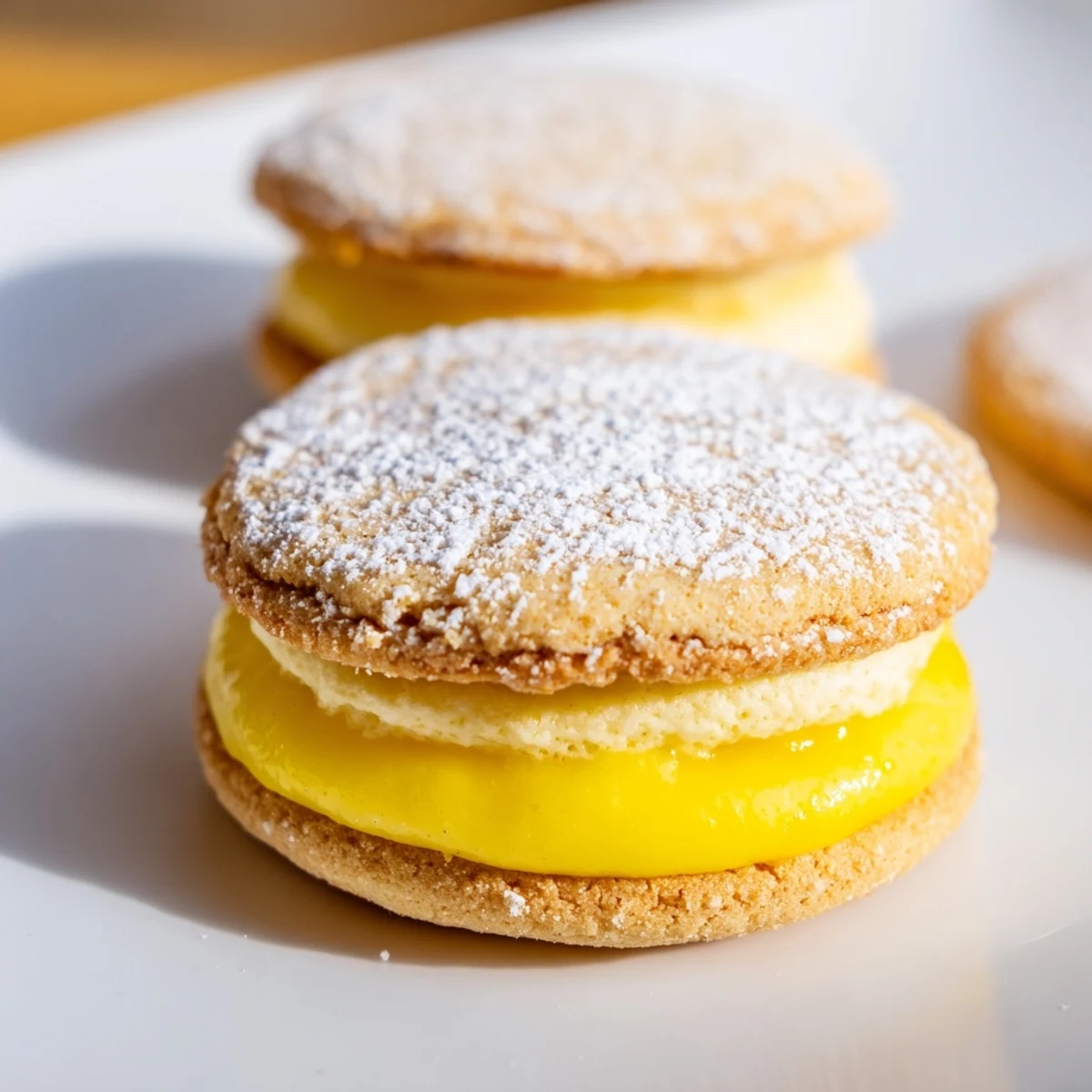
- Spread 1 to 2 teaspoons of chilled lemon curd on the flat side of half the cookies. Top with remaining cookies and press gently to distribute the filling.
- Optional finishing touch:
- Dust the assembled cookies lightly with powdered sugar for a pretty presentation. This step is purely aesthetic but makes them look bakery beautiful.
 Save
Save My neighbor texted me at 11 pm one night after trying these, demanding the recipe for her daughters birthday party the next weekend. Something about that combination of buttery cookie and bright curd makes people slightly obsessed in the best possible way. Now I keep a batch of baked shells in the freezer just in case lemon curd emergencies strike.
Making Lemon Curd That Actually Sets
The key to thick curd is patience and constant whisking. If you walk away from the stove even for 30 seconds, you risk scrambled eggs or lumps. That turmeric might seem odd but everyone will comment on the beautiful yellow color without ever guessing the secret ingredient. The curd continues to thicken as it cools so do not panic if it looks slightly thin in the saucepan.
Working With Gluten-Free Cookie Dough
Gluten free dough behaves differently than wheat dough and requires some adjustments to your technique. Chill your dough thoroughly and work quickly because the lack of gluten means it gets soft faster at room temperature. If the dough cracks while rolling, let it warm for just 2 to 3 minutes and try again. The extra almond flour helps create structure without making the cookies gritty.
Storage and Make-Ahead Tips
The filled cookies are best within 2 days but the unfilled shells freeze beautifully for up to a month. Lemon curd keeps in the refrigerator for about a week and actually tastes better on day two after flavors have melded. For the freshest experience, fill cookies only a few hours before serving.
- Store filled cookies in the refrigerator to keep the curd stable
- Bring filled cookies to room temperature for 20 minutes before serving for best texture
- Freeze unfilled cookie shells between layers of parchment paper for quick assembly later
 Save
Save There is something deeply satisfying about serving these to people who assume vegan and gluten free means dry and disappointing. Watching that moment of surprise when they take the first bite never gets old. These cookies have converted more skeptics than I can count.
Common Questions
- → How long do these cookies stay fresh?
-
Store assembled cookies in an airtight container in the refrigerator for up to 3 days. The filling may soften the cookies slightly over time, so they're best enjoyed within the first day or two.
- → Can I make the lemon curd ahead of time?
-
Yes, prepare the vegan lemon curd up to 3 days in advance and keep it refrigerated. It actually thickens and develops more flavor after chilling, making it perfect for meal prep.
- → What's the purpose of turmeric in the curd?
-
Turmeric adds a natural golden-yellow color to mimic traditional egg-based lemon curd. It's completely optional and won't affect the flavor—your curd will taste just as vibrant without it.
- → Can I freeze these sandwich cookies?
-
Freeze unfilled cookies for up to 2 months in a freezer-safe container. Thaw at room temperature before assembling with fresh curd. Assembled cookies don't freeze well due to the creamy filling.
- → What can I use instead of coconut oil?
-
Vegan butter sticks work as a 1:1 substitute for solid coconut oil. Ensure whichever fat you use is chilled and solid, not melted, for the best cookie texture.
- → Why does the dough need chilling?
-
Chilling for 30 minutes firms the coconut oil and prevents cookies from spreading too thin while baking. This step is essential for achieving uniform, bakery-style rounds.
