
 Save
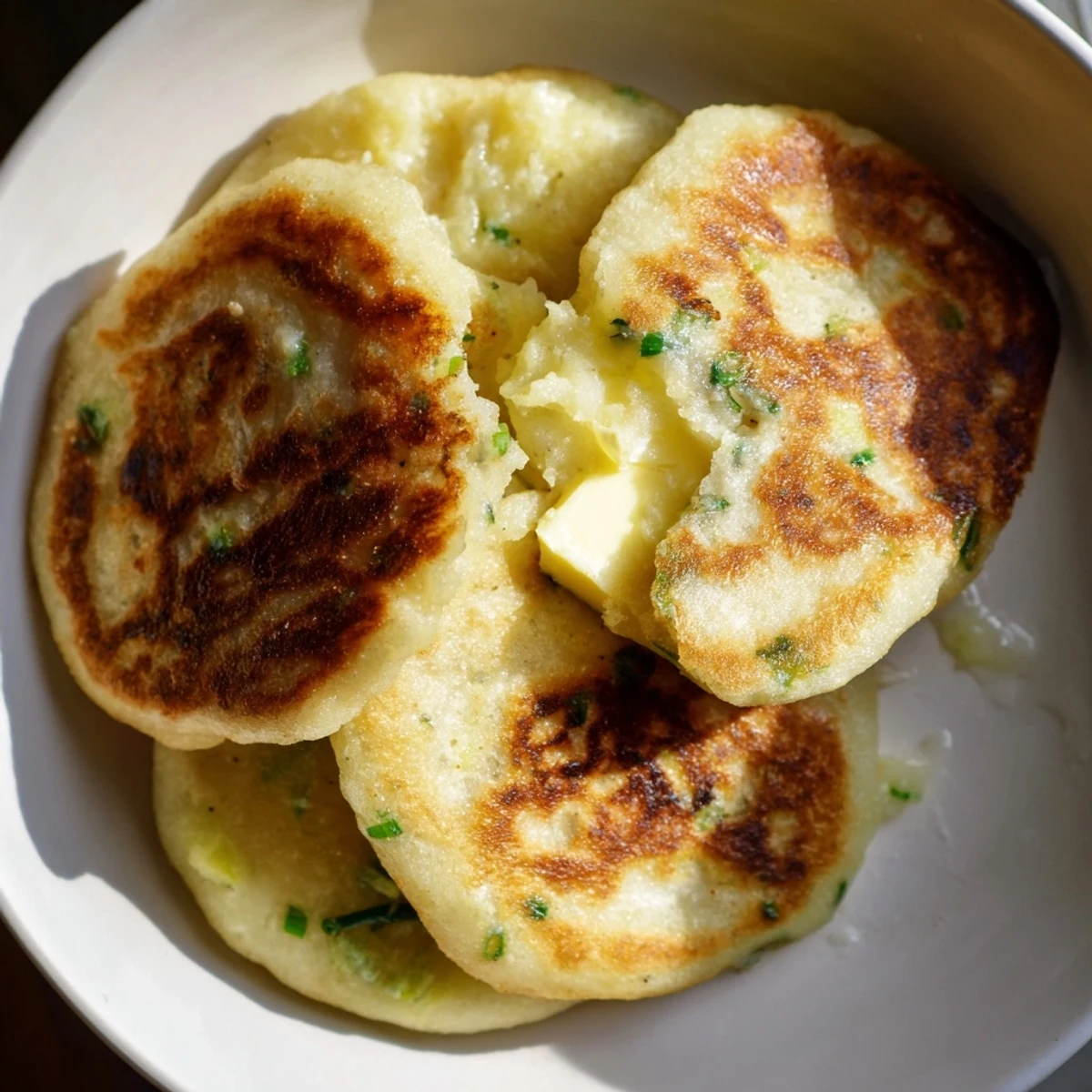
Save These Irish potato bread farls use peeled, boiled potatoes blended with butter and flour to make a soft dough. Cut into quarters and pan-fried until golden, they offer a crispy exterior with a tender inside. Perfect warm with butter or alongside savory dishes, they bring a comforting, traditional touch to meals. Simple techniques ensure a light, fluffy texture that pairs beautifully with breakfast or as a hearty side.
There's something deeply satisfying about transforming leftover mashed potatoes into breakfast. My grandmother never wasted anything, and these farls were her brilliant solution to extra potatoes from Sunday dinner. The smell of them hitting the hot pan still takes me back to her tiny kitchen in County Cork, where butter and patience were the only secret ingredients.
I made these for my roommates during our first apartment-sharing experiment, when grocery money was tight and creativity was essential. We ate them standing around the stove, burning fingers on steaming-hot farls, debating whether they were better with butter or jam. They became our weekend tradition, a little bit of Irish comfort in a cramped city kitchen.
Ingredients
- Floury potatoes: Maris Piper or Russet potatoes work best because they absorb flour without becoming gluey. The starch content is crucial for that tender interior.
- Unsalted butter: You want control over the salt level, plus unsalted butter lets the potato flavor shine. Save some extra for the pan.
- Plain flour: Just enough to bind everything together without making the bread heavy. All-purpose flour creates the perfect structure.
- Fine sea salt: Enhances the natural sweetness of the potatoes. If using salted butter, reduce this by half.
Instructions
- Start with perfectly cooked potatoes:
- Boil your peeled chunks in cold water until they fall apart when pierced. Drain thoroughly and mash until absolutely smooth. Any lumps will show up in your final bread.
- Create the dough:
- While potatoes are still warm, work in the butter and salt until melted and combined. Gently fold in the sifted flour until you have a soft, slightly sticky dough that holds together.
- Shape and portion:
- On a floured surface, pat the dough into a round about 1cm thick. Use a knife to cut it into four quarters—these traditional triangular shapes are what make them farls.
- Cook to golden perfection:
- Heat your skillet over medium-low heat with a generous knob of butter. Cook each farl for 3-4 minutes per side until they're golden brown and sound hollow when tapped.
 Save
Save These farls saved a rainy morning when my sister and her kids surprised visited. With nothing in the fridge but leftover mashed potatoes and flour, I panicked until I remembered this recipe. We ate them hot from the pan with scrambled eggs, and the kids asked if I could make them every weekend. Sometimes the simplest recipes create the most lasting memories.
Perfecting the Texture
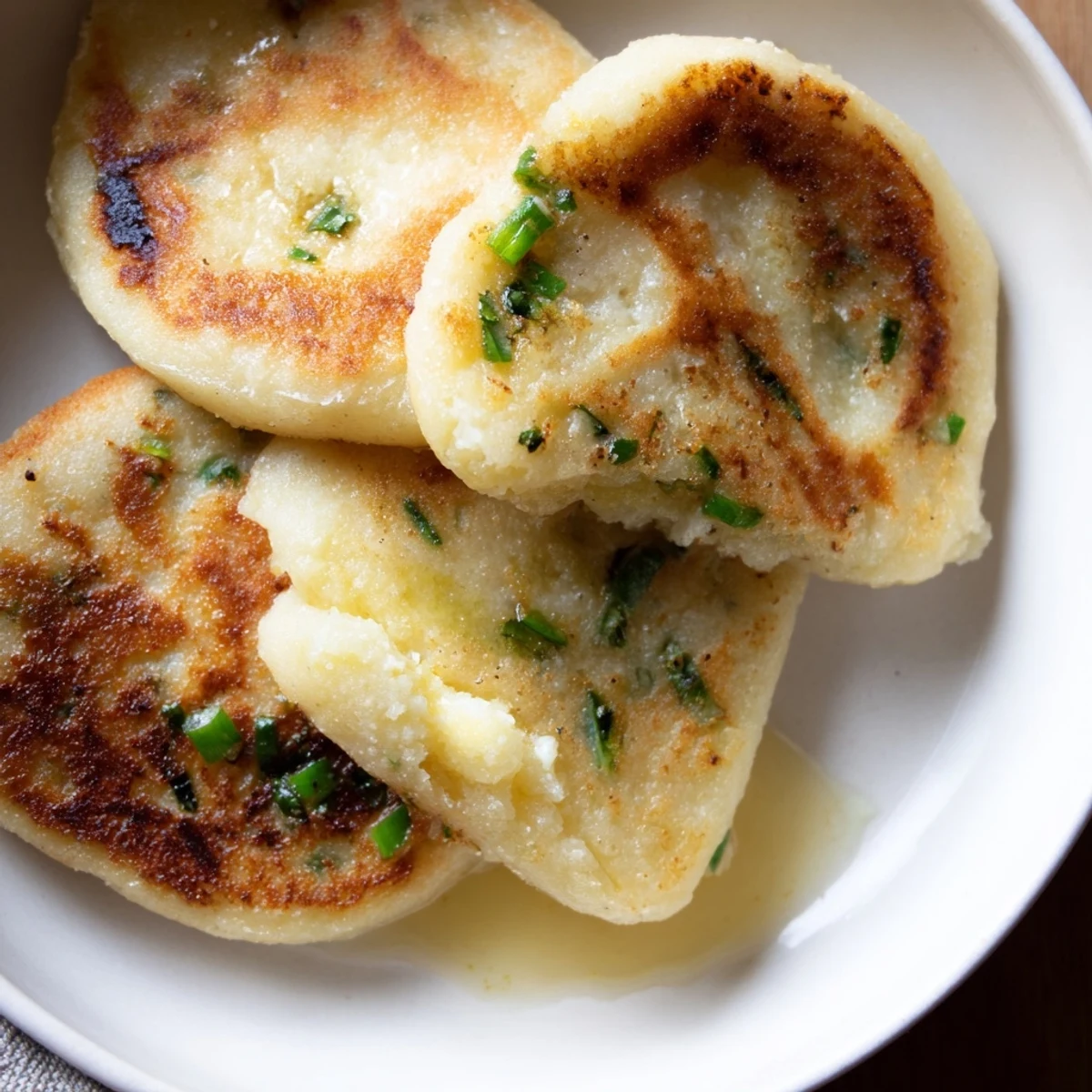
The key to that restaurant-quality texture lies in not overcomplicating things. Mix the flour in gently, barely enough to combine, and resist the urge to add more. The dough should feel barely manageable, bordering on too soft. That slight stickiness translates to the most tender crumb once cooked.
Serving Possibilities
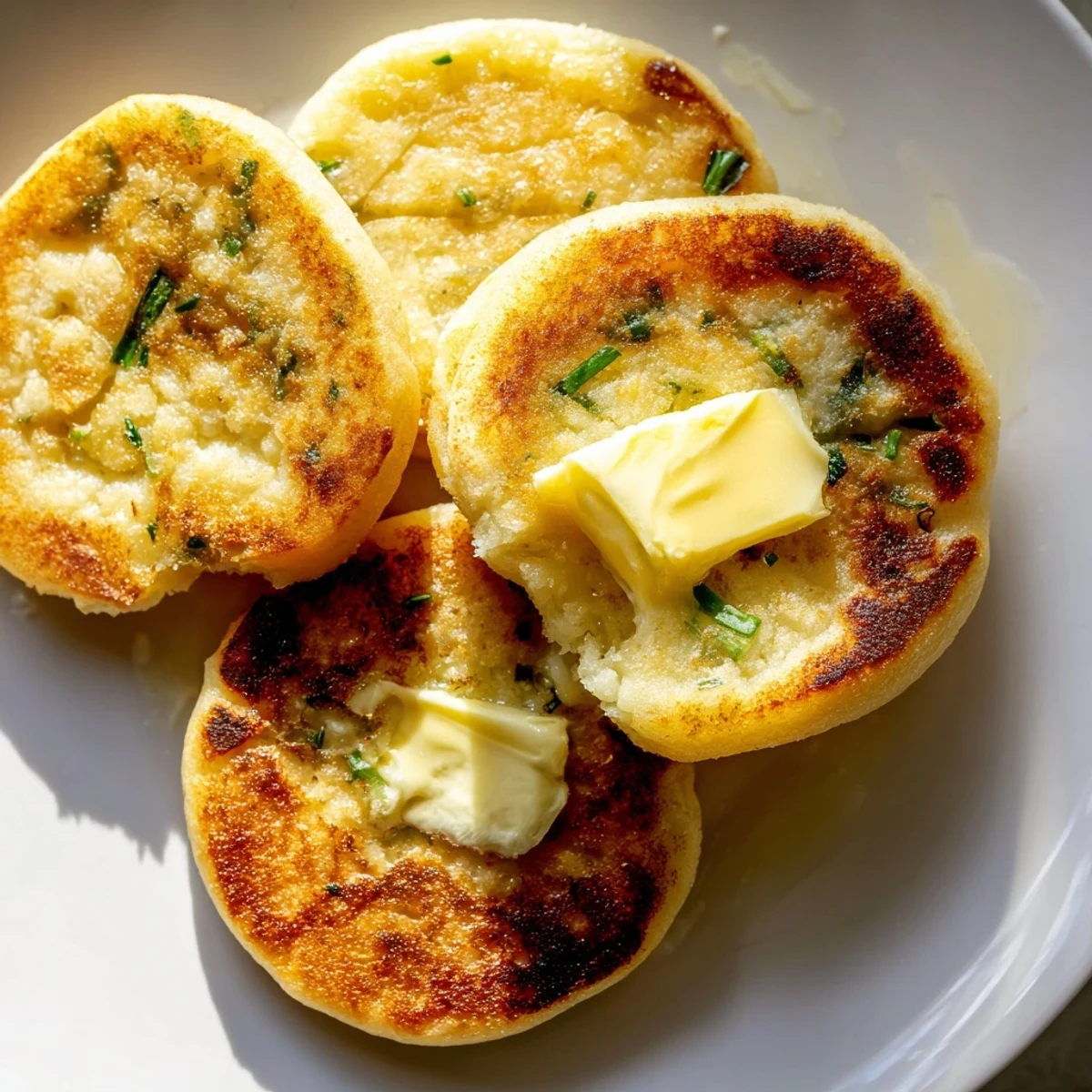
While butter is the classic choice, these farls shine in so many ways. They soak up egg yolks beautifully, provide the perfect base for smoked salmon and cream cheese, or even work as a side to a hearty stew. My personal favorite is splitting them and toasting until extra crispy, then slathering with orange marmalade.
Make Ahead Wisdom
Farls are undoubtedly best fresh, but they reheat surprisingly well. Cook a big batch, cool completely, then wrap individually and freeze. Pop them in the toaster straight from frozen for a quick breakfast that tastes almost as good as the day you made them.
- Cook once, eat all week with proper freezing
- A toaster refreshes them better than a microwave
- They freeze for up to a month without losing quality
 Save
Save There's comfort in food that connects us to generations of cooks who made something from nothing. These farls are more than bread. They're a reminder that simple ingredients, treated with respect, can become something extraordinary.
Common Questions
- → What type of potatoes work best for farls?
-
Floury potatoes like Maris Piper or Russet yield a soft, fluffy dough ideal for crisp, tender farls.
- → Can I add herbs or other flavors?
-
Yes, finely chopped scallions or fresh herbs can be mixed into the dough to enhance the taste.
- → How do you know when farls are cooked properly?
-
Cook farls until golden brown on each side, typically 3–4 minutes per side, ensuring a cooked-through interior.
- → What’s the best way to fry the farls?
-
Use a nonstick skillet over medium-low heat with butter to achieve a crisp exterior without burning.
- → Can farls be reheated later?
-
Yes, they reheat well in a toaster or dry pan, maintaining their crispness and soft center.
