
 Save
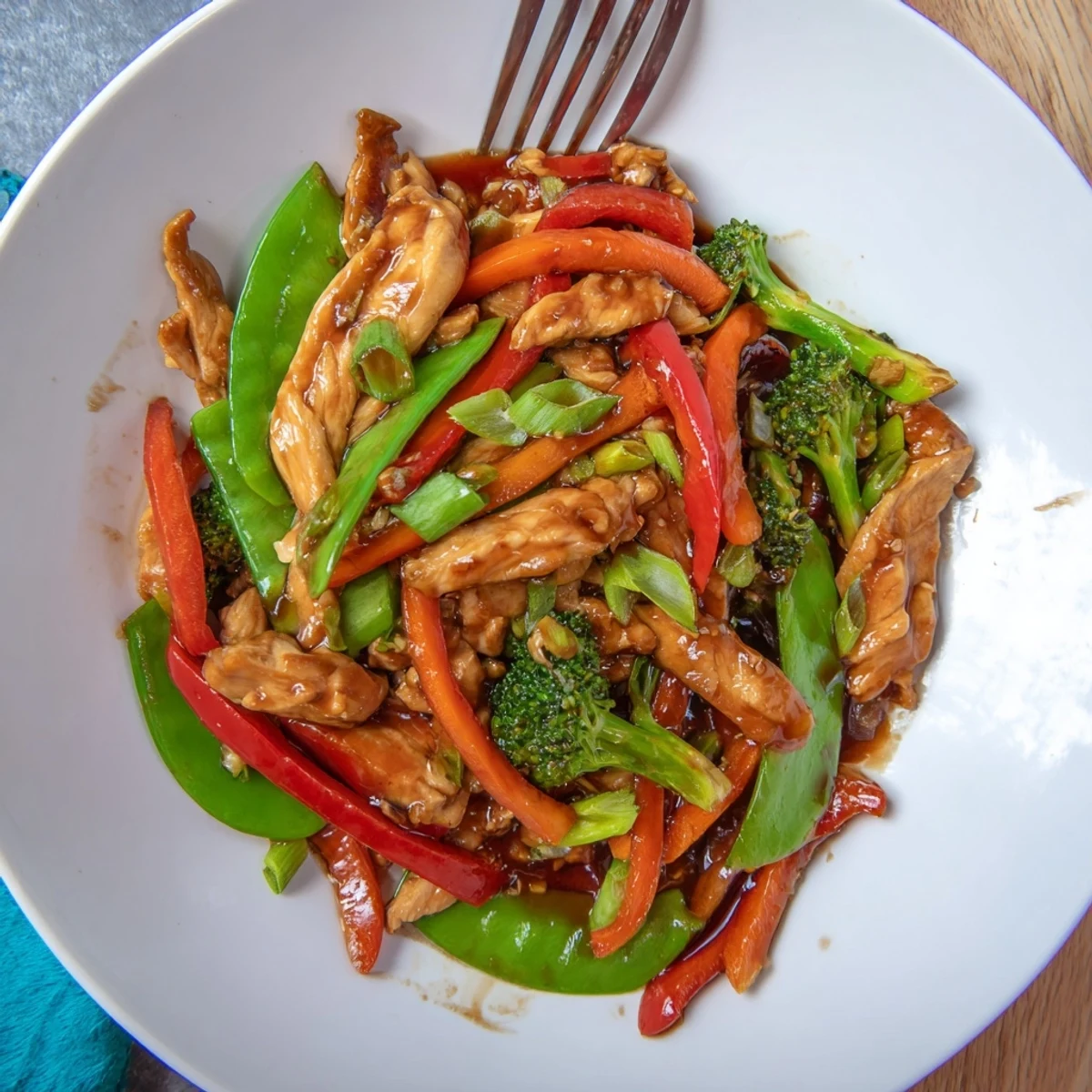
Save Hunan Chicken is a fiery Chinese stir-fry that brings together thinly sliced chicken breast and a colorful mix of bell peppers, broccoli, snow peas, and carrots. The dish gets its signature heat from chili paste balanced by savory soy sauce, oyster sauce, and a touch of rice vinegar.
The chicken is briefly marinated in soy sauce, Shaoxing wine, and cornstarch for extra tenderness, then seared in a hot wok before being combined with the crisp-tender vegetables and a thick, glossy sauce that clings to every bite.
Ready in just 35 minutes, it pairs perfectly with steamed jasmine rice for a satisfying weeknight dinner that feeds four.
The sizzle of chicken hitting a smoking wok is one of those sounds that instantly pulls me into the kitchen, elbow deep in prep, completely absorbed. Hunan chicken became my weeknight obsession during a phase when takeout menus were piling up and my wallet was thinning out. That bold, garlicky chili sauce clings to every strip of chicken and crunch of pepper like it was always meant to be there. Thirty five minutes later, you have something that rivals any restaurant plate.
My neighbor Dave knocked on my door one Tuesday evening asking if I had any soy sauce, and ended up staying for dinner because the smell drifting through the hallway was impossible to ignore. He now requests this dish every time he helps me move furniture.
Ingredients
- 500 g boneless skinless chicken breast, thinly sliced: Slice against the grain on a slight bias for the most tender bites.
- 1 tbsp soy sauce, 1 tbsp Shaoxing wine, 1 tsp cornstarch (marinade): This quick marinade is the difference between dry and silky chicken.
- 1 red bell pepper, 1 green bell pepper, 100 g broccoli florets, 100 g snow peas, 1 carrot, 2 spring onions, 2 cloves garlic, 1 tsp ginger: A colorful mix ensures crunch and visual appeal in every forkful.
- 2 tbsp soy sauce, 1 tbsp oyster sauce, 1 tbsp rice vinegar, 1 tsp sugar, 2 tsp chili paste, 2 tbsp chicken stock, 1 tsp cornstarch in 1 tbsp water (sauce): Mix everything except the cornstarch slurry together so you can pour it in one confident motion.
- 2 to 3 tbsp vegetable oil: Use an oil with a high smoke point since the wok needs to be screaming hot.
Instructions
- Marinate the chicken:
- Toss the sliced chicken with soy sauce, Shaoxing wine, and cornstarch in a bowl. Let it sit for ten minutes while you prep everything else.
- Build the sauce:
- Whisk together the soy sauce, oyster sauce, rice vinegar, sugar, chili paste, and stock in a separate bowl. Keep the cornstarch slurry nearby for later.
- Sear the chicken:
- Heat one tablespoon of oil in a wok over high heat until it shimmers. Spread the chicken in a single layer, let it sear without stirring for a minute, then toss until just cooked through and golden in spots.
- Bloom the aromatics:
- Add another tablespoon of oil and throw in the garlic, ginger, and spring onion whites. Stir furiously for about thirty seconds until your kitchen smells incredible.
- Stir fry the vegetables:
- Add all the vegetables at once and keep them moving for two to three minutes. You want them bright, barely tender, and still snapping when you bite.
- Bring it all together:
- Return the chicken to the wok, pour in the sauce, and toss to coat everything evenly. Add the cornstarch slurry and stir for one to two minutes until the sauce turns glossy and thick enough to cling.
- Serve immediately:
- Pile it onto plates with steamed jasmine rice and scatter the remaining spring onion greens on top.
 Save
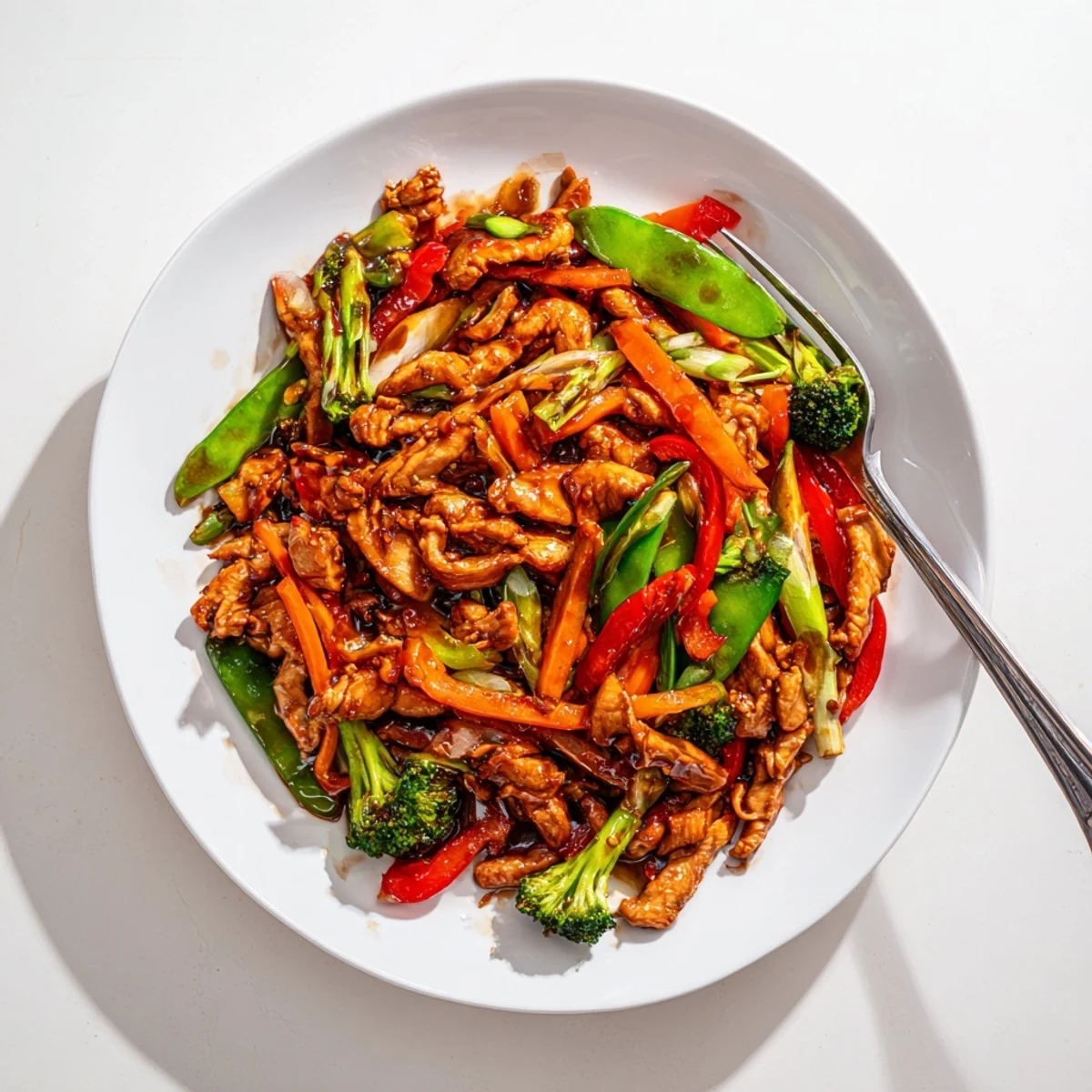
Save There is something about the way the glossy sauce coats each piece of chicken and the vegetables stay bright and snappy that makes this dish feel like a small victory on a random Tuesday.
Getting the Wok Hot Enough
Home stoves rarely match restaurant burner power, so let your wok sit over high heat for a full two minutes before adding oil. A drop of water should vaporize on contact before you even think about adding ingredients.
Taming or Ramping Up the Heat
The two teaspoons of chili paste give you a solid medium spice that builds slowly. If you want serious fire, add dried red chilies with the aromatics or double the chili paste without fear.
Storage and Reheating
This dish reheats surprisingly well if you store the rice and chicken separately in airtight containers. The vegetables soften a bit overnight but the flavors actually deepen and improve by lunch the next day.
- A quick splash of water in the pan during reheating brings the sauce back to life.
- Skip the microwave and use a hot skillet for the best texture on the chicken.
- Consume any leftovers within two days for peak flavor and safety.
 Save
Save Keep this recipe in your back pocket for any night when you want something fast, bold, and deeply satisfying. It never disappoints.
Common Questions
- → What makes Hunan chicken different from Szechuan chicken?
-
Hunan chicken features a simpler, more straightforward chili heat with garlic and fermented chili paste as its base. Szechuan chicken relies on Szechuan peppercorns that create a distinctive numbing sensation alongside the heat.
- → Can I use chicken thighs instead of breast?
-
Yes, boneless skinless chicken thighs work well and stay juicier during the high-heat stir-frying process. Slice them thinly just like you would breast meat for even cooking.
- → How do I keep the vegetables crisp in this stir-fry?
-
Cook the vegetables over high heat for just 2 to 3 minutes, tossing constantly. Avoid overcrowding the wok, which creates steam and makes vegetables soggy instead of staying tender-crisp.
- → What can I substitute for Shaoxing wine?
-
Dry sherry is the closest substitute. You can also use mirin, though it will add a slightly sweeter note. In a pinch, a mix of rice vinegar and water works as well.
- → Is there a way to make this dish less spicy?
-
Reduce the chili paste to half a teaspoon or omit it entirely, relying on the garlic and ginger for flavor. You can also add a bit more sugar to balance any remaining heat.
- → What is the best oil for stir-frying Hunan chicken?
-
Use a neutral high-smoke-point oil like vegetable, canola, or peanut oil. Peanut oil is traditional in Chinese cooking and adds a subtle nutty flavor that complements the dish beautifully.
