
 Save
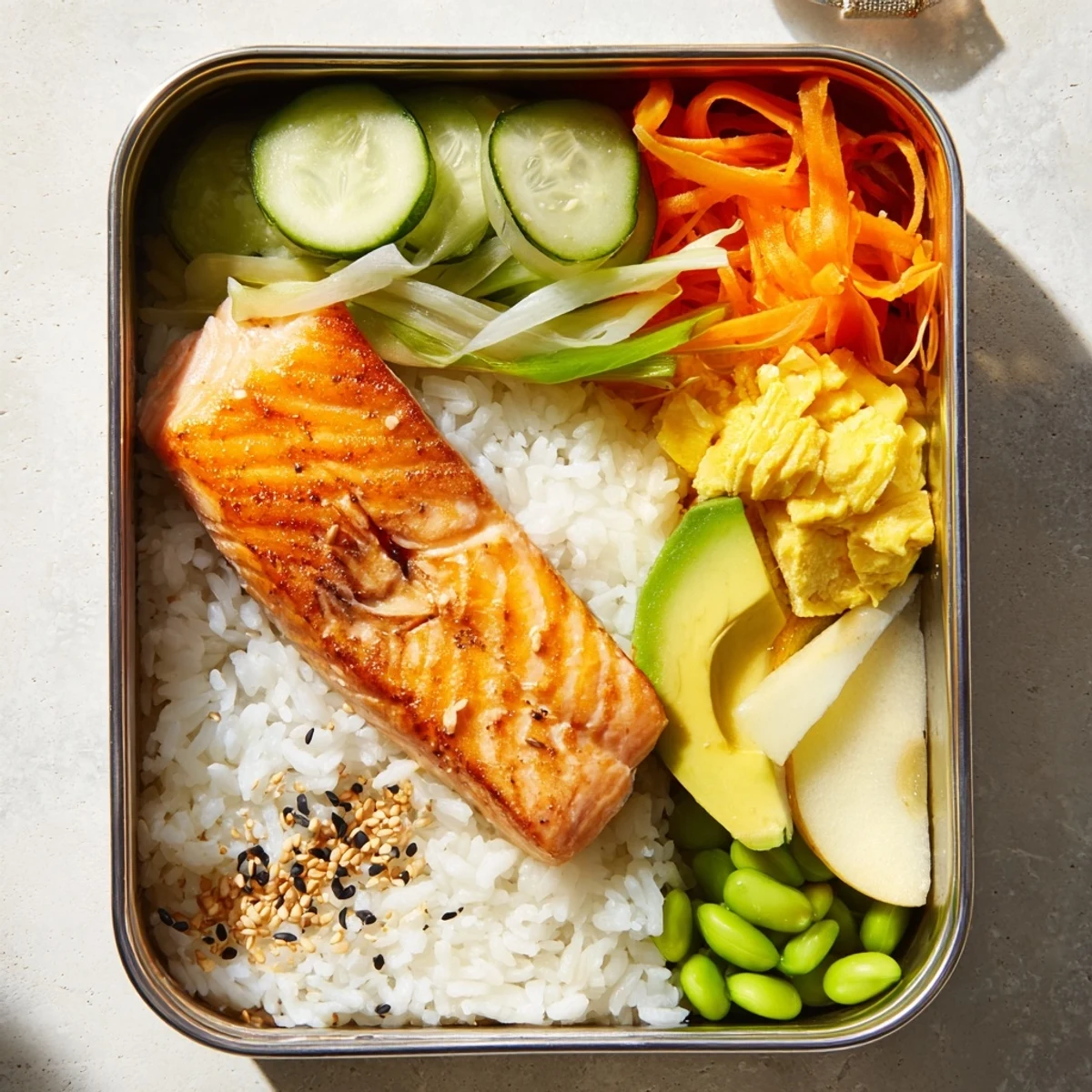
Save This traditional Japanese breakfast combines protein-rich grilled salmon or mackerel with fluffy short-grain rice, tangy quick-pickled vegetables, and wholesome sides like avocado, edamame, and seasonal fruit. Perfect for meal prep and portable mornings, each bento box delivers complete nutrition with Japanese flavors.
The morning light hits my kitchen counter just as I'm packing these bento boxes, and I'm transported back to that tiny ryokan in Kyoto where breakfast became an event, not a chore. The owner there taught me that Japanese breakfast isn't really about following strict rules, but about balancing colors and textures so your whole body wakes up. Now I find myself reaching for fish and rice at 7am, something my past self would find completely absurd.
My roommate walked into the kitchen last week, saw me arranging fish and pickles at dawn, and asked if I was okay. I explained how much better I feel starting the day with warm rice and fresh vegetables instead of cold cereal. By Wednesday, she was asking if I could make enough for two.
Ingredients
- 2 small fillets salmon or mackerel: I've learned that slightly fatty fish like salmon holds up better to morning reheating and doesn't dry out like white fish can
- 1 tsp soy sauce and 1 tsp mirin: This simple glaze creates that restaurant quality sheen without overwhelming the fish's natural flavor
- 1 cup short grain Japanese rice: Trust me, regular long grain rice won't give you that sticky, satisfying texture that makes bento feel special
- 1 1/4 cups water: The exact ratio matters, but you'll learn your rice cooker's personality after a few tries
- 1/2 cup thinly sliced cucumber and 1/2 cup julienned carrots: These pickled vegetables add the bright crunch that cuts through rich fish and rice
- 2 tbsp rice vinegar: Rice vinegar has a gentler sweetness that won't overpower delicate vegetables like other vinegars do
- 2 large eggs: Beaten with just a touch of soy sauce, these become the savory protein that holds everything together
- 1/2 avocado and 1/2 cup steamed edamame: The creaminess of avocado against the pop of edamame creates this perfect textural contrast I didn't know I needed
- Seasonal fruit: Whatever looks good at the market works, but I'm partial to crisp apple slices or juicy orange segments
Instructions
- Get that rice going first:
- Rinse your rice until the water runs clear, then cook it with the water. If you're using a pot, bring it to a boil, cover, and reduce to low for exactly 15 minutes. Let it steam for another 10 minutes off the heat, untouched.
- Pickle your vegetables while the rice cooks:
- Whisk together rice vinegar, sugar, and salt until dissolved. Toss in your cucumber and carrots, making sure everything gets coated in the brine. Let them sit for at least 15 minutes while you prep everything else.
- Grill the fish to perfection:
- Pat your fish fillets completely dry, then brush them with soy sauce and mirin. Heat oil in a nonstick skillet over medium heat and cook the fish skin side down for 3 to 4 minutes. Flip carefully and cook another 3 to 4 minutes until the fish is just opaque and golden brown.
- Make those savory scrambled eggs:
- Beat eggs with a teaspoon of soy sauce and cook them in your nonstick pan, either as soft scrambled curds or a thin omelet you'll slice into strips. Both ways work beautifully in bento.
- Assemble like you mean it:
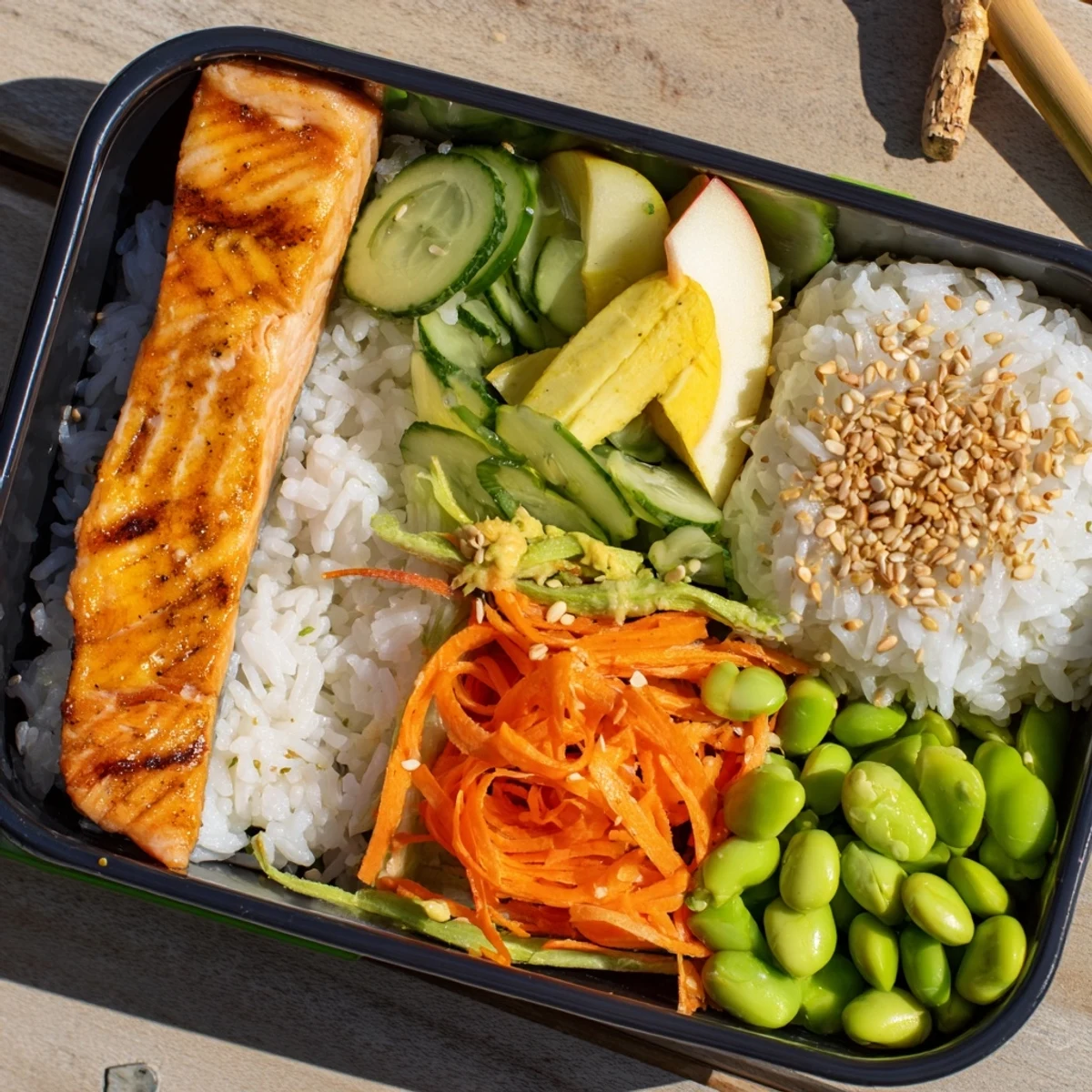
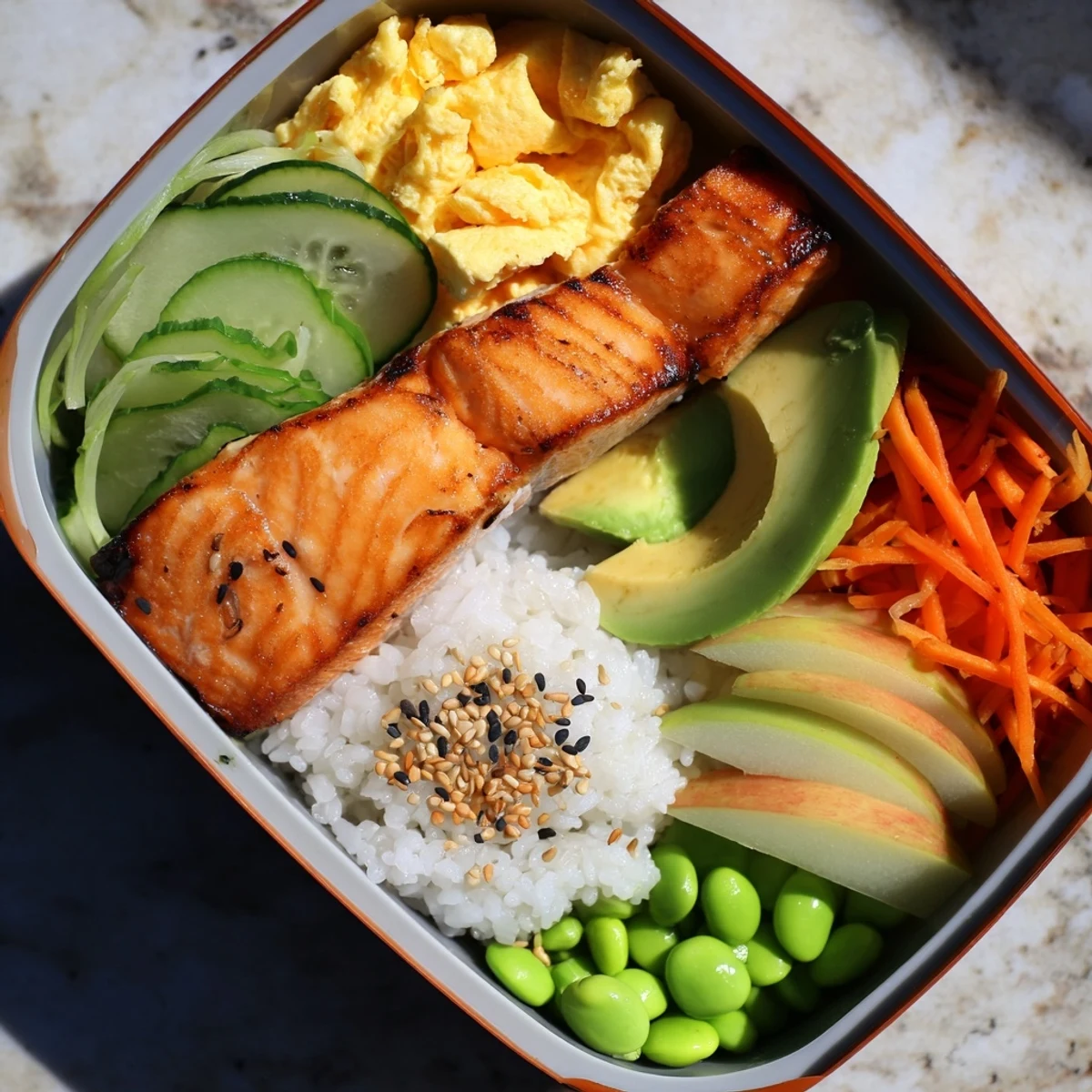
- Divide the warm rice between two bento boxes or shallow bowls. Arrange your grilled fish, pickled vegetables, eggs, sliced avocado, edamame, and fruit in sections. Sprinkle sesame seeds and nori strips over the rice.
 Save
Save There's something meditative about arranging these little compartments of food, each color and texture considered. It's become my Sunday evening ritual, packing two containers for the week ahead while my tea steeps nearby.
Timing Your Morning
The rice takes the longest, so start that first. While it cooks and rests, you can easily prep everything else without rushing. I've found that if the rice is done before the fish, it actually holds its temperature better than the other way around.
Fruit Selection Strategy
Sturdier fruits like apples and citrus survive overnight storage better than delicate berries or melon. If you're packing this ahead, choose fruit that won't release excess moisture into your bento box.
Make Ahead Magic
Everything except the eggs can be prepped the night before and stored separately. The pickled vegetables actually get better after a few hours in the fridge, and the fish reheats beautifully in the morning.
- Reheat the rice with a splash of water to refresh it
- Pack the pickles in a small container if you prefer them extra crisp
- Keep the nori separate until you're ready to eat so it stays crunchy
 Save
Save Some mornings I still can't believe I'm the person who wakes up excited about fish for breakfast. But then I take that first bite of warm rice, pickled vegetables, and perfectly grilled fish, and I understand why Japanese breakfast culture has lasted centuries.
Common Questions
- → Can I make this breakfast ahead of time?
-
Yes, bento boxes are ideal for meal prep. Prepare all components the night before, let them cool completely, then store in airtight containers in the refrigerator. Assemble in the morning or pack directly into your bento box for a grab-and-go breakfast.
- → What type of fish works best for this bento?
-
Salmon and mackerel are traditional choices, but any firm white fish like cod, halibut, or sea bass works beautifully. The key is choosing fish that holds its shape when grilled and complements the mild rice and pickled vegetables.
- → Is short-grain rice necessary for this breakfast?
-
Short-grain Japanese rice provides the authentic sticky texture and mild sweetness that balances the grilled fish and pickles. However, you can substitute with medium-grain rice or brown rice for added fiber, adjusting the water ratio accordingly.
- → How long do pickled vegetables stay fresh?
-
These quick-pickled vegetables taste best within 2-3 days when stored in the refrigerator. The vinegar marinade preserves the crunch while infusing flavor. Make extra to enjoy throughout the week in other meals or as a healthy snack.
- → Can I customize the vegetable sides?
-
Absolutely. Traditional Japanese breakfasts often include seasonal vegetables. Try steamed broccoli, blanched spinach with sesame dressing, simmered kabocha squash, or fresh cucumber slices. The goal is incorporating colorful, nutrient-dense vegetables that complement the fish and rice.
- → What can I use instead of eggs?
-
If you prefer egg-free options, substitute with extra protein like additional grilled fish, steamed shrimp, or tofu prepared in various ways such as agedashi (fried) or simmered in dashi broth for authentic Japanese flavors.
