
 Save
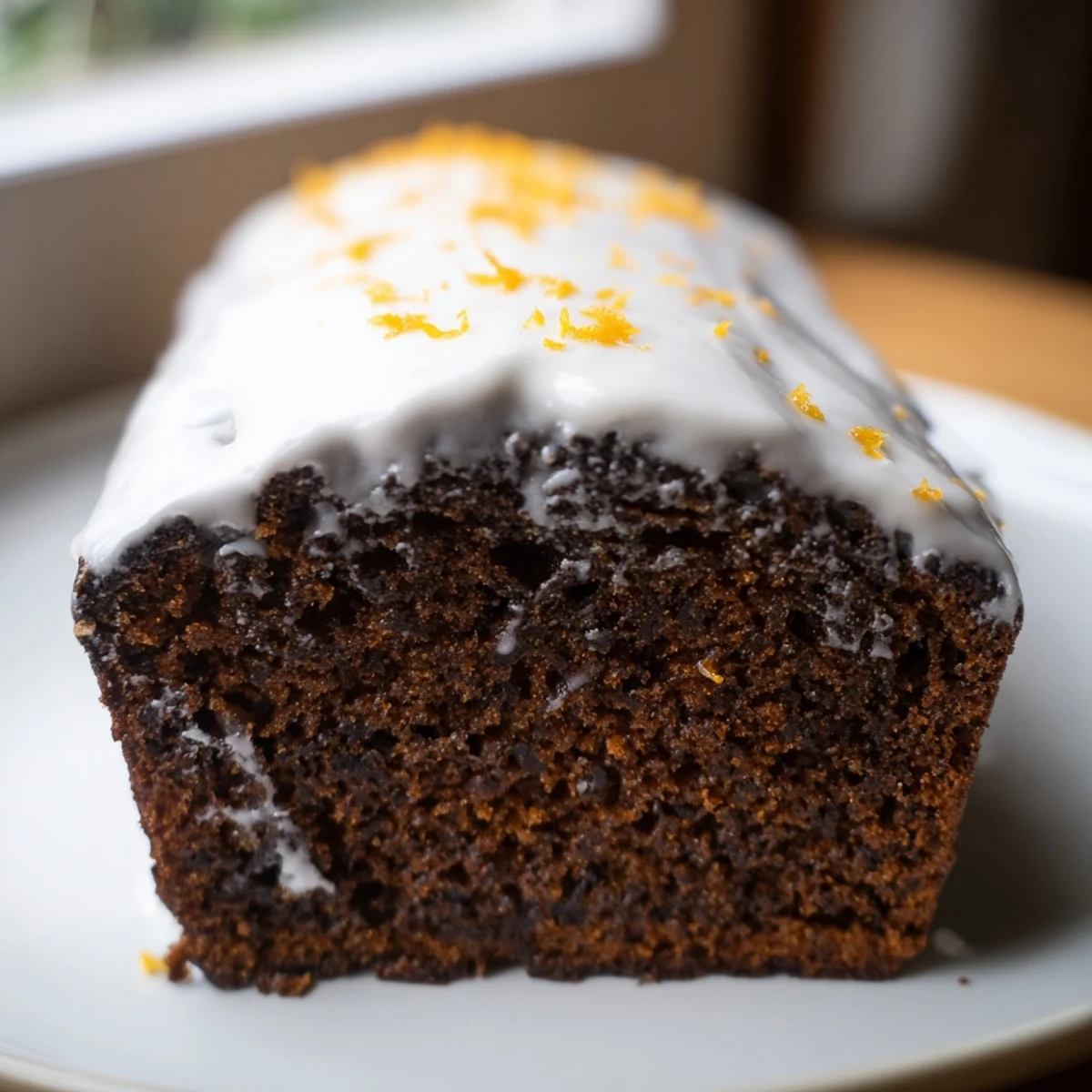
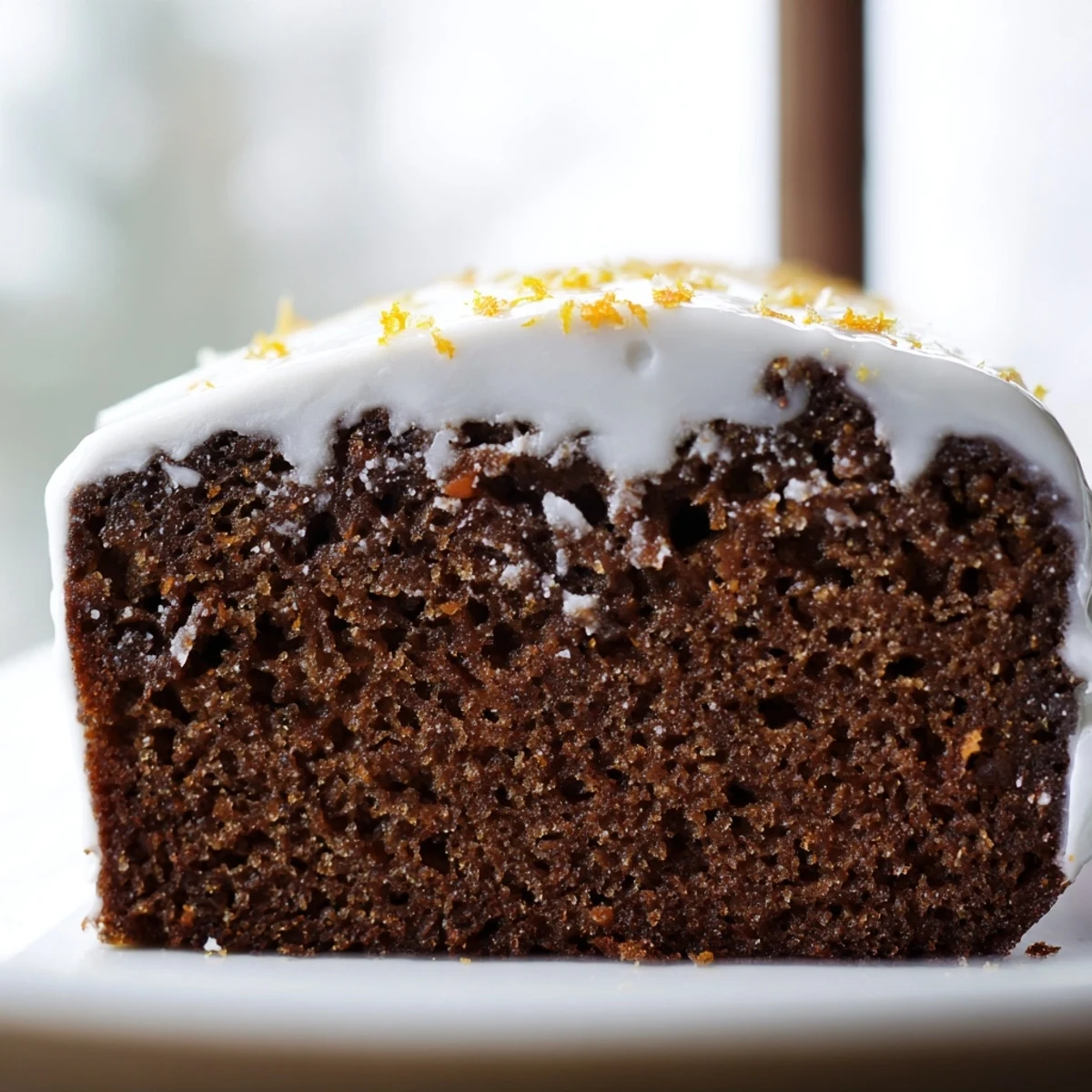
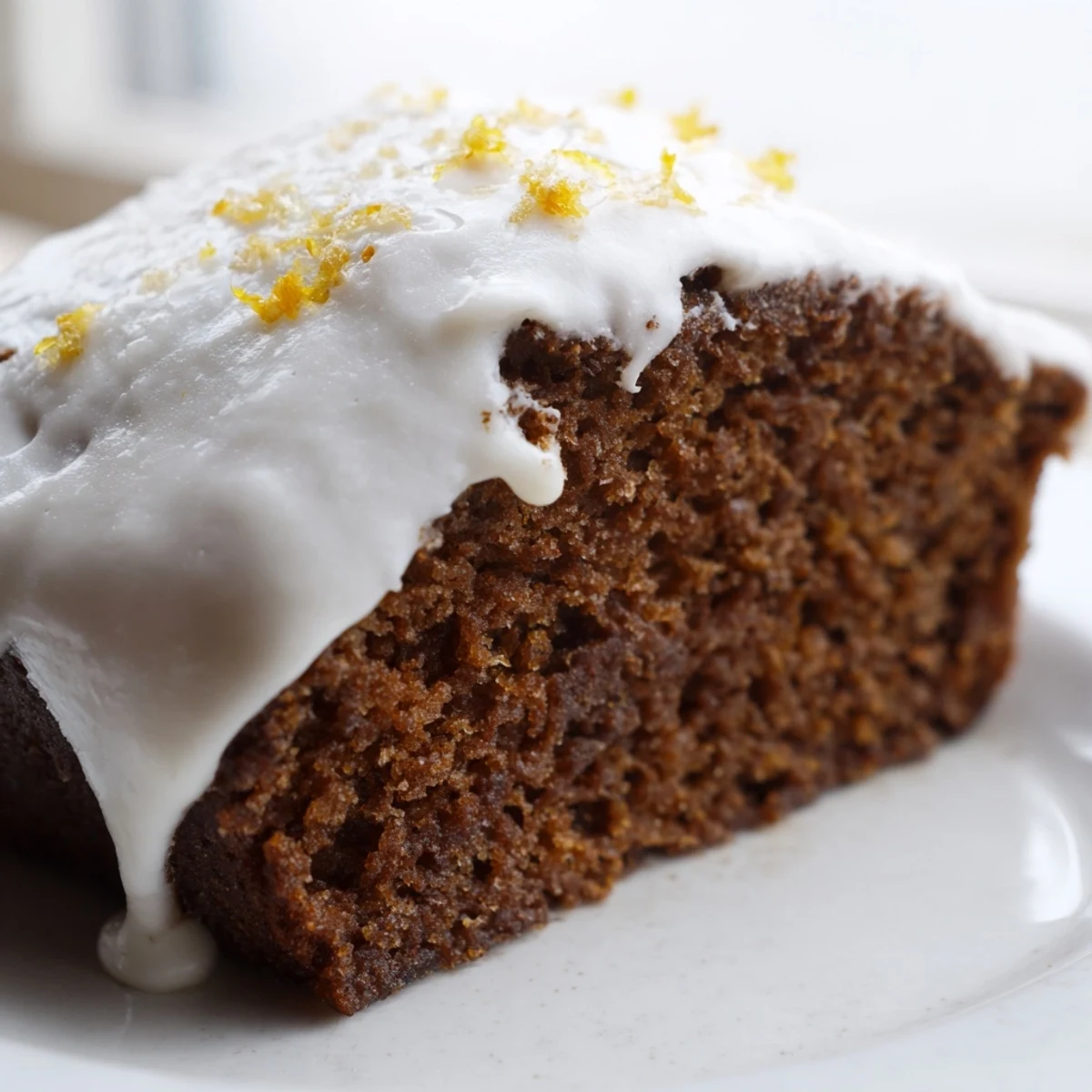
Save This gingerbread loaf combines warm spices like ginger, cinnamon, and cloves with a moist texture from molasses and butter. After baking, it's topped with a smooth, tangy orange icing made from fresh juice and zest, adding bright citrus notes. Ideal for holiday or winter get-togethers, it's simple to prepare and yields about 10 slices. Complement it with black tea or mulled wine for a cozy serving experience.
There's something about the smell of ginger and molasses that instantly turns a kitchen into a haven on gray December afternoons. I discovered this gingerbread loaf years ago, not from a fancy cookbook, but from a handwritten recipe tucked in my grandmother's old recipe box—the margins crowded with her notes about what worked best. The first time I made it, my whole apartment filled with warmth and spice, and I realized this wasn't just another holiday dessert; it was the kind of cake that makes people linger in the kitchen long after eating.
I remember bringing this to a neighbor's holiday party last winter, and watching someone take a bite, close their eyes, and just smile silently—that's when I knew this recipe was something worth keeping close. She asked for it three times over the season, and now whenever December rolls around, I make at least two loaves because I know exactly where they're going.
Ingredients
- All-purpose flour (1½ cups): This is your structure; don't skip sifting it with the dry spices, as it helps distribute the ginger and cinnamon evenly throughout the loaf.
- Baking soda (1 tsp): This works with the molasses to create that tender, slightly dense crumb that makes gingerbread so satisfying.
- Salt (¼ tsp): A small pinch that makes the spices sing without making anything taste salty.
- Ground ginger (1½ tsp): Use fresh ground if possible; it makes a noticeable difference in brightness and warmth.
- Ground cinnamon (1 tsp): This is the backbone of the flavor—don't be shy with it.
- Ground cloves (¼ tsp) and nutmeg (¼ tsp): These are subtle but essential; they add depth and prevent the cake from tasting one-note.
- Unsalted butter (½ cup), softened: Room temperature butter creams properly, giving you that light, fluffy base that makes the whole cake tender.
- Brown sugar (½ cup, packed): The molasses content in brown sugar deepens the flavor in ways white sugar never could.
- Large eggs (2): Room temperature eggs incorporate smoothly and create a better crumb.
- Molasses (½ cup): This is the soul of the loaf—it brings moisture, richness, and that characteristic dark sweetness.
- Milk (½ cup): This keeps the cake moist and tender, balancing the density of the molasses.
- Vanilla extract (1 tsp): A small amount that rounds out the spices without announcing itself.
- Powdered sugar (1 cup, sifted): Sift it before mixing with juice to avoid lumps in your icing.
- Fresh orange juice (2–3 tbsp): Freshly squeezed makes all the difference; bottled juice won't give you that bright, living quality.
- Orange zest (1 tsp, finely grated): This is where the icing gets its personality—don't skip it or rush it.
Instructions
- Prep and heat your oven:
- Preheat to 350°F and grease your loaf pan generously, then line it with parchment paper so the finished cake releases like a dream. This small step saves you heartbreak later.
- Combine the dry ingredients:
- Whisk together flour, baking soda, salt, and all your spices in a medium bowl. When you whisk, you're aerating and distributing those spices evenly—this is not the time to skip steps.
- Cream butter and sugar:
- Beat them together until the mixture is pale, fluffy, and almost cloud-like—this takes about 2–3 minutes with an electric mixer. You're incorporating air, which is what makes the cake tender.
- Add eggs one at a time:
- After each egg, make sure it's fully incorporated before adding the next one. This ensures even distribution and prevents the batter from looking curdled or separated.
- Stir in the molasses, milk, and vanilla:
- Mix until everything is smooth and combined. The batter will look rich and glossy at this point—that's exactly what you want.
- Gently fold in the dry ingredients:
- Add them in two additions, stirring just until no flour streaks remain. Overmixing develops gluten and makes the cake tough, which is the enemy here.
- Pour and bake:
- Spread the batter evenly in your prepared pan and bake for 45–55 minutes, until a toothpick inserted in the center comes out clean. Every oven is different, so start checking around 45 minutes.
- Cool with patience:
- Let it rest in the pan for 10 minutes before turning it out onto a wire rack to cool completely. This prevents it from breaking apart while it's still too warm to handle.
- Make the orange icing:
- Whisk sifted powdered sugar with fresh orange juice and zest until smooth and pourable. If it's too thick, add juice a little at a time until it drizzles beautifully.
- Top and set:
- Drizzle the icing over the cooled loaf in whatever pattern feels right to you. Let it set for at least 20 minutes before slicing so it firms up slightly.
 Save
Save I'll never forget the year I made this for a friend going through a rough season, and she said it was the first thing in weeks that made her feel like someone had slowed down just for her. That's when I understood that a good recipe isn't just about ingredients and technique—it's about showing up with something warm and real.
Why Gingerbread Matters
Gingerbread is one of those desserts that carries history in every bite—it shows up in fairy tales, in medieval markets, in holiday traditions that stretch back centuries. What I love most is that it doesn't need to be fancy or complicated to feel special; it just needs to be honest and made with attention. When you bite into a piece of this loaf, you're tasting generations of bakers who figured out exactly how much spice, how much sweetness, and how much molasses it takes to create something that feels like home.
Making It Your Own
This recipe is flexible enough to bend to your preferences without breaking. Some winters I add a tablespoon of chopped crystallized ginger for extra spice and texture; other times I substitute whole wheat flour for half the all-purpose to give it an earthier, nuttier undertone. You could even swap the orange icing for a cream cheese frosting if citrus isn't your thing, or skip the icing entirely and dust the cooled loaf with cinnamon sugar.
Serving Suggestions and Storage
This loaf is at its best served still slightly warm with strong black tea or a mug of mulled wine—the spices in both seem to amplify each other. It keeps beautifully wrapped in plastic wrap at room temperature for several days, and honestly, it slices cleaner after it's been sitting overnight.
- Try pairing slices with whipped cream or a dollop of Greek yogurt for something unexpected.
- This loaf freezes incredibly well; wrap it tightly and it will keep for up to two months.
- If you're bringing it to someone, leave the icing off until you arrive so it stays pristine and fresh-looking.
 Save
Save This gingerbread loaf has become my answer to so many moments—when I need to show someone I care, when winter feels too long, when I want to fill the house with something that smells like comfort. Make it once and you'll understand why.
Common Questions
- → What spices enhance the flavor of this gingerbread loaf?
-
The loaf features ground ginger, cinnamon, cloves, and nutmeg for a warm, spiced profile.
- → How is the orange icing prepared?
-
Powdered sugar is mixed with fresh orange juice and finely grated zest until smooth and pourable.
- → Can I add extra texture or flavor to the loaf?
-
Yes, finely chopped crystallized ginger can be added to the batter for extra zing and texture.
- → What baking pan size is recommended?
-
A standard 9x5 inch loaf pan is ideal to achieve the desired shape and even baking.
- → How can I make the loaf nuttier?
-
Replace half of the all-purpose flour with whole wheat flour to add a nuttier flavor.
