
 Save
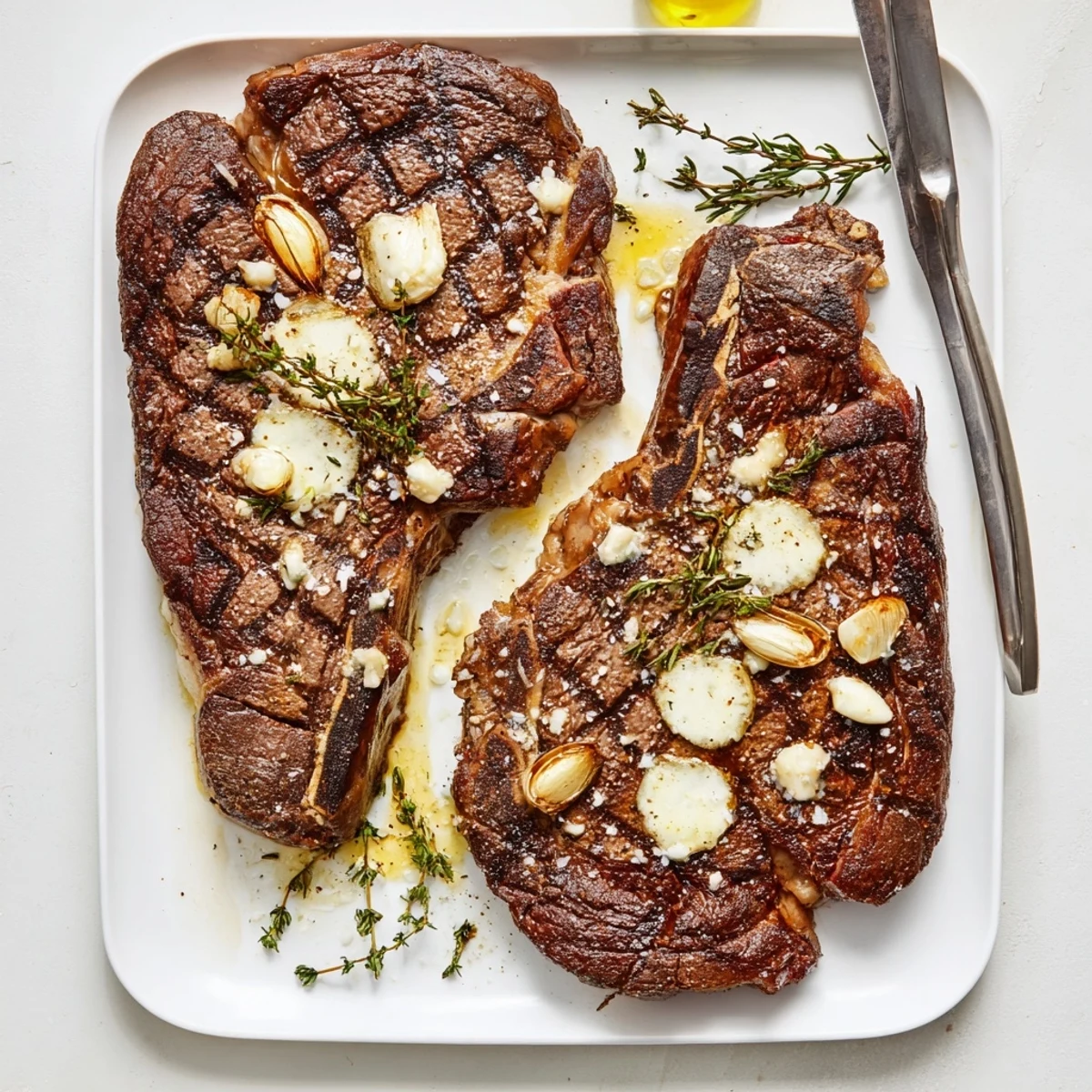
Save Experience restaurant-quality ribeye steak with a golden garlic butter crust. This cast iron method delivers a perfectly caramelized exterior while keeping the interior juicy and tender. The aromatic butter infusion with fresh thyme and rosemary elevates every bite, making this an impressive yet simple main dish ready in just 20 minutes.
The first time I made steak at home, I was terrified of ruining an expensive cut of meat. My dad had always grilled steaks outdoors, and I thought that was the only way to get restaurant quality results. Then a friend showed me the cast iron method, and honestly, it changed everything about weeknight dinners. There is something deeply satisfying about standing at the stove, listening to that sizzle, and knowing dinner will be incredible in ten minutes.
I made this for my anniversary last year because going to a restaurant felt overwhelming. We stood at the stove together, basting the steaks with that fragrant butter, talking about nothing and everything. Something about cooking a really good steak at home makes the evening feel special, intimate, in a way that even the best restaurant cannot quite capture.
Ingredients
- 2 ribeye steaks (12 oz each, 1 to 1.5 inches thick): The thickness matters because thinner steaks overcook before developing that gorgeous crust we are after
- 1 ½ teaspoons kosher salt: Season generously because salt is what actually creates the flavorful sear
- 1 teaspoon freshly ground black pepper: Freshly cracked makes such a difference in depth of flavor
- 3 tablespoons unsalted butter: Unsalted lets you control the seasoning exactly
- 3 cloves garlic, crushed: Crushing releases more oils than mincing for better butter infusion
- 2 sprigs fresh thyme and 1 sprig rosemary: These herbs with the butter create that classic steakhouse aroma
- 1 tablespoon olive oil: High smoke point makes it perfect for the initial sear
- Flaky sea salt: The finishing touch that adds texture and bright pops of saltiness
Instructions
- Bring the steaks to room temperature:
- Pull them from the fridge thirty minutes before cooking and pat them thoroughly dry with paper towels. This step is crucial because cold steaks cook unevenly and wet meat steams instead of sears.
- Season liberally:
- Sprinkle salt and pepper over both sides of each steak, pressing gently to help it adhere. Do not be shy with the seasoning because much of it will stay in the pan, not on the meat.
- Get the pan screaming hot:
- Heat your cast iron skillet over high heat for three to five minutes until it is visibly radiating heat. A properly preheated pan is what creates that beautiful caramelized crust.
- Sear the first side:
- Add the olive oil, swirl to coat the bottom, then lay the steaks in the hot pan. Let them sear undisturbed for two to three minutes until a deep brown crust forms.
- Flip and add the butter:
- Turn the steaks over and immediately toss in the butter, crushed garlic, and herbs. The pan will sizzle enthusiastically as the butter melts.
- Baste continuously:
- Tilt the pan slightly so the butter pools, then spoon it over the steaks repeatedly for two to three minutes. This technique infuses the meat with all that garlic herb flavor while helping it cook evenly.
- Check for doneness:
- Use a meat thermometer to aim for 125°F for medium rare, remembering the temperature will rise while resting. If you do not have a thermometer, the firmness test works too.
- Rest before serving:
- Move the steaks to a plate and tent loosely with foil for five minutes. This rest period lets the juices redistribute so every bite stays incredibly moist.
 Save
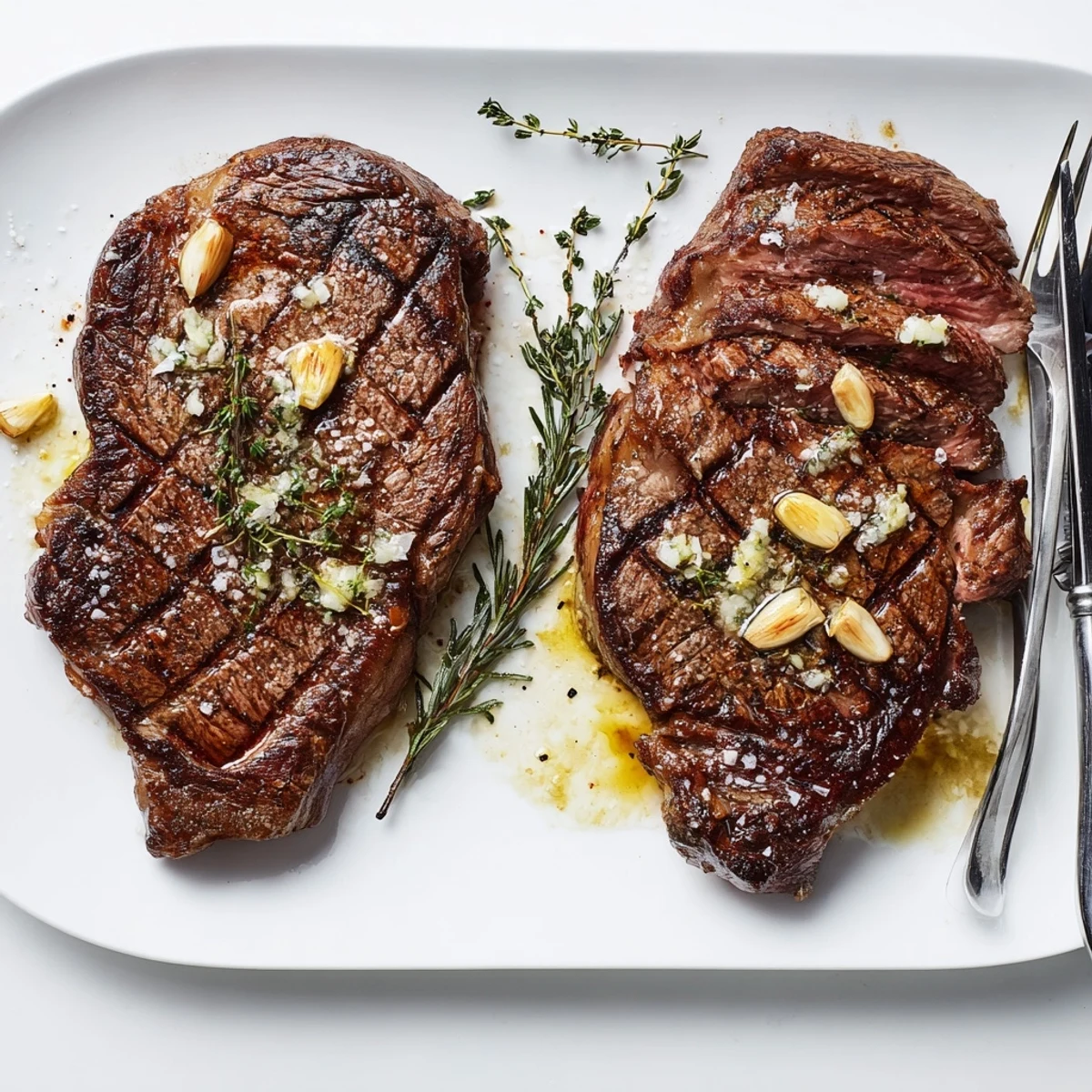
Save This recipe has become our go to for celebrating small victories at home. There is something about standing at the stove, spooning that aromatic butter over sizzling meat, that makes even a Tuesday night feel like an occasion worth savoring.
Choosing The Right Steak
Look for steaks with good marbling throughout, which is those white streaks of fat that melt during cooking and keep everything juicy. I have learned that prime beef is worth the splurge for special occasions, but choice still works beautifully with this method. The thickness really does matter, so ask your butcher to cut them at least an inch thick if you can.
Getting That Perfect Crust
The secret is patience during that initial sear, resisting the urge to peek or move the steaks around. I used to fuss with them constantly, wondering if they were burning, but I finally learned to trust the process. A properly hot cast iron creates that caramelized exterior almost effortlessly, as long as you leave it alone to work its magic.
Serving Suggestions
Keep the sides simple because the steak is absolutely the star here. A crisp green salad with vinaigrette cuts through the richness beautifully. Roasted potatoes or asparagus work perfectly alongside.
- Slice against the grain for the most tender bite
- Spoon that remaining garlic butter from the pan over everything
- A glass of bold red wine never hurts
 Save
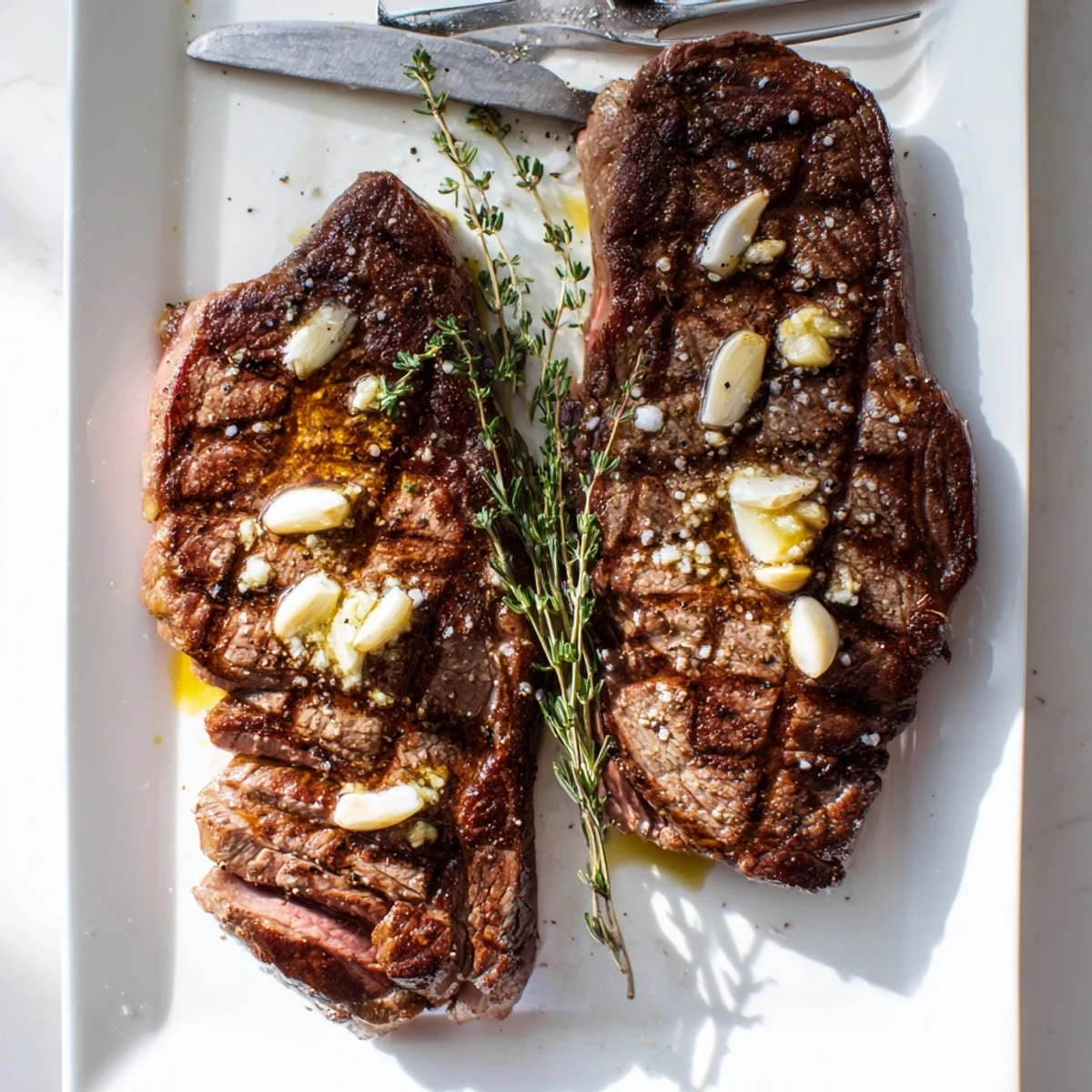
Save There is something deeply satisfying about cooking a perfect steak at home, and I hope this recipe becomes one of those reliable favorites you return to again and again.
Common Questions
- → What thickness should the ribeye steaks be?
-
Ribeye steaks should be at least 1–1.5 inches thick for optimal searing and juicy results. Thicker cuts allow for a beautiful crust without overcooking the interior.
- → Why bring steaks to room temperature before cooking?
-
Room temperature steaks cook more evenly and develop a better sear. Letting them sit for 30 minutes ensures the center reaches your desired doneness without burning the exterior.
- → How do I know when the steak is done?
-
Use a meat thermometer for accuracy. Medium-rare reaches 125°F/52°C. For medium, aim for 130°F/54°C. The touch test also works—medium-rare feels like the fleshy part of your palm.
- → Can I use dried herbs instead of fresh?
-
Fresh thyme and rosemary provide superior flavor, but dried herbs work in a pinch. Use one-third the amount of dried herbs compared to fresh, adding them with the butter.
- → What's the purpose of basting with butter?
-
Basting coats the steak in aromatic garlic butter, enhancing flavor and keeping the meat moist. The continuous spooning helps cook the top while building layers of savory richness.
