
 Save
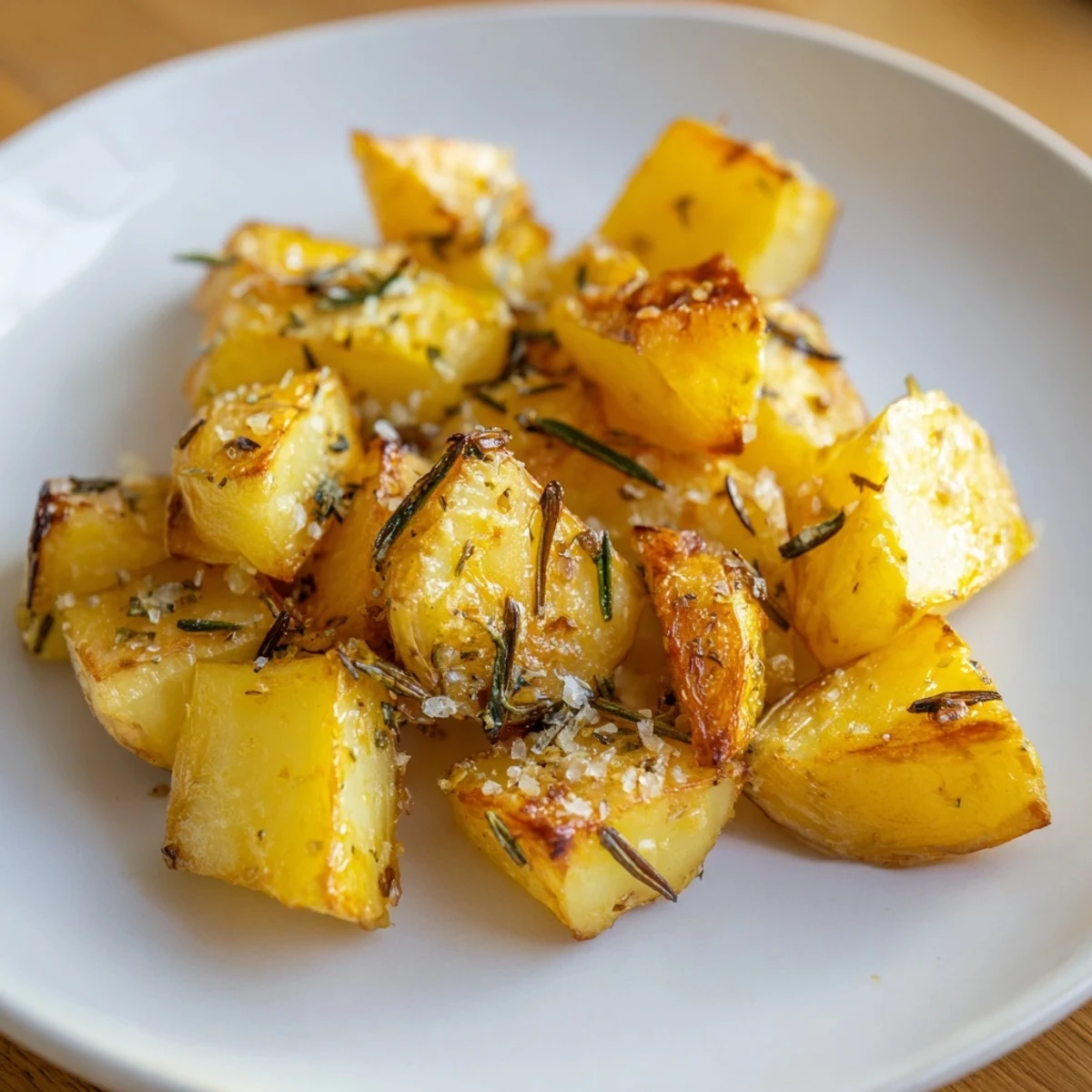
Save These golden potatoes are roasted to perfection in decadent duck fat, offering a crisp exterior and tender interior. The method involves boiling the potatoes briefly, drying them to enhance texture, and roasting in hot duck fat with optional garlic and rosemary for aromatic depth. A sprinkle of sea salt and black pepper finishes the dish, creating a rich, savory treat ideal for special meals or comforting roasts.
I still remember the first time I tasted properly made duck fat potatoes at a small bistro near Lyon. The crispy exterior gave way to a creamy center, and I was absolutely captivated. Years later, I finally worked up the courage to make them at home, convinced they'd be impossibly complicated. But that first batch, when I pulled them from the oven golden and crackling, proved that sometimes the most luxurious dishes are born from simple technique and the right ingredient. Now, whenever I have guests for a special meal, these are the potatoes that make everyone lean back and ask for the secret.
I'll never forget the Christmas when my sister brought these to her partner's family dinner. His mother, a classically trained cook, took one bite and immediately asked for the recipe. Watching someone who intimidated me with her culinary credentials ask me for my secrets felt like winning an Olympic gold medal. That's when I truly understood that technique matters far less than respecting your ingredients and treating them with intention.
Ingredients
- Yukon Gold or Maris Piper potatoes, 1.5 lbs (700 g), peeled and cut into 2-inch chunks: These varieties have the perfect starch-to-moisture ratio. Yukon Golds give you a naturally buttery flavor, while Maris Pipers are the British standard for roasting. Don't use russets—they'll fall apart. Don't peel them too far in advance or they'll oxidize and discolor.
- Duck fat, 1/3 cup (75 g): This is the soul of the dish. It has a higher smoke point than butter and renders at a lower temperature, creating that incomparable crispy exterior. Save it after cooking to use again and again.
- Sea salt, 1 ½ tsp, divided: Split your salt between the boiling water and the final seasoning. This double-salting technique ensures flavor penetrates all the way through.
- Freshly ground black pepper, ½ tsp: Always grind it fresh. Pre-ground pepper has lost its volatile oils and won't give you that sharp, bright finish.
- Fresh rosemary, 2 tbsp, finely chopped (optional): Rosemary and potatoes in duck fat is a combination that feels almost inevitable once you taste it. The herb oils infuse the fat and cling to every edge.
- Garlic cloves, 2, smashed (optional): Smashing rather than mincing releases more of the aromatic compounds. The potatoes will protect the garlic from burning while it perfumes everything.
Instructions
- Set your stage:
- Preheat your oven to 425°F (220°C). This high heat is essential for that golden, shattering crust. Your oven should be fully up to temperature before the potatoes go in, so do this first thing.
- Prepare the potatoes:
- Cut your potatoes into roughly 2-inch chunks—aim for consistency so they cook evenly. Place them in a large pot and cover completely with cold, salted water. This cold start is crucial because it allows the insides to cook gently and fully before the outside begins to set.
- Parboil with intention:
- Bring the pot to a boil and then reduce to a gentle simmer. You're looking for 8 to 10 minutes until the potatoes are just tender when pierced with a fork. They should still hold their shape firmly—this isn't about cooking them through, it's about jump-starting the process.
- Create the rough edges:
- Drain the potatoes into a colander and let them steam in their own heat for 2 minutes. This dries them slightly on the surface. Now comes the trick that changes everything: gently shake the pot or toss the potatoes with the colander still in place. This roughens the edges, creating hundreds of tiny surfaces for the duck fat to cling to and crisp up. These rough edges are where the magic happens.
- Heat the fat properly:
- While the potatoes are steaming, place your duck fat in a large roasting pan and slide it into your preheated oven for about 5 minutes. The fat should shimmer and move slightly when you tilt the pan. It should smell inviting but not burnt. This crucial step ensures the potatoes will sizzle immediately when they hit the pan.
- The sizzle:
- Very carefully add the warm potatoes to the hot fat. You'll hear a satisfying sizzle. Using tongs, gently turn each piece to coat it evenly in the shimmering fat. Now scatter your smashed garlic and chopped rosemary over everything, if using. The heat will bring out their essential oils and marry them with the duck fat.
- Roast to golden perfection:
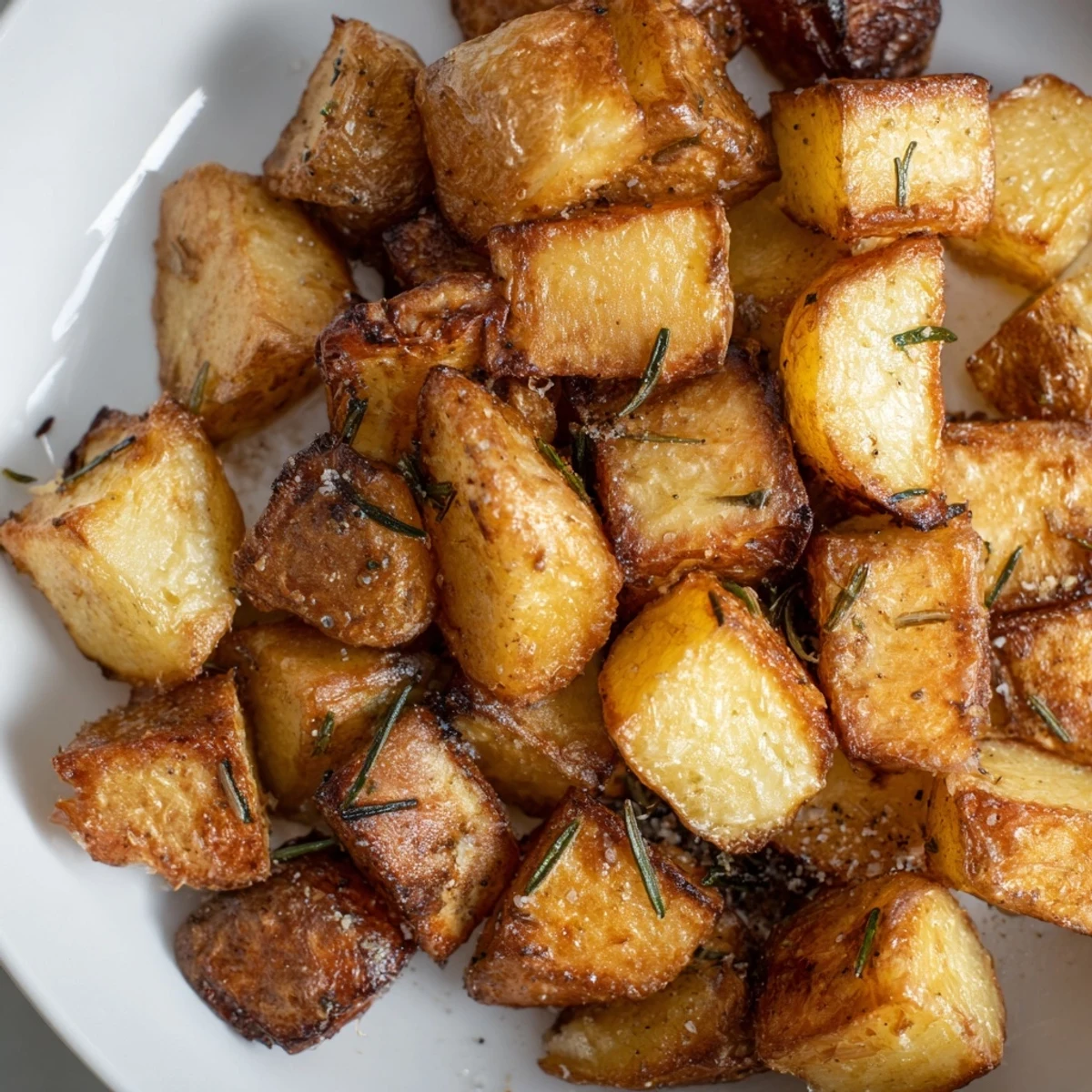
- Slide the pan back into the oven for 40 minutes. At the 20-minute mark, stir and turn the potatoes with tongs, making sure every piece spends time on the bottom where it makes contact with the hot pan. Keep an eye on them in the last 10 minutes—you want deep golden brown, not burnt. When they're done, they should sound almost hollow when you tap them lightly.
- The final flourish:
- Remove from the oven and immediately sprinkle with the remaining salt and freshly ground pepper while they're still steaming. This is when the seasoning adheres best to the hot surface and penetrates the warm interior.
 Save
Save There's something almost sacred about watching someone you love taste something you've made with care. My daughter, who was skeptical about eating potatoes cooked in fat, took one bite and her entire face changed. In that moment, I understood that cooking isn't about impressing people with complexity—it's about creating experiences that feel special. These potatoes have become our tradition.
The Magic of Duck Fat
Duck fat is one of those ingredients that feels luxurious but is actually quite practical. It has a smoke point of around 375°F (190°C), which is higher than butter but lower than vegetable oil, making it ideal for high-heat roasting. The flavor is subtle but unmistakable—it's rich and slightly savory without being meaty. Once you use it, you'll find yourself seeking it out for other applications. Render it yourself by slowly cooking duck skin in a low oven, or buy it prepared from a good butcher or specialty store. After cooking, strain it through fine mesh or cheesecloth and store it in the refrigerator where it will keep for months.
Serving and Pairing
These potatoes are the ultimate supporting player in any elegant meal. They pair naturally with roast chicken, duck, or beef, but they're equally stunning alongside roasted vegetables, grilled fish, or hearty vegetarian mains. They're best served immediately while they're still crispy and warm. If you need to make them ahead, you can reheat them in a 350°F (175°C) oven for about 10 minutes to restore some of their crispness, though nothing quite matches them fresh from the pan.
Variations and Substitutions
While duck fat is the traditional choice, you do have options depending on what you have available or prefer. Goose fat works beautifully and has a similar flavor profile. For a lighter version, use good quality extra-virgin olive oil, though be aware that the crust won't be quite as shattering and the flavor will be more delicate. Some cooks use a mixture of duck fat and olive oil as a compromise. If you want to add more herbs, thyme, sage, or parsley all work wonderfully. Smoked paprika adds a subtle smokiness that some find irresistible. A whisper of Dijon mustard tossed in at the very end adds an unexpected brightness that makes people pause and wonder what the secret ingredient is.
- For extra crispness, don't skip the roughing-up step after parboiling
- Reserve your duck fat for future use—it's liquid gold in the kitchen
- These keep for three days in the refrigerator but are best eaten within 24 hours
 Save
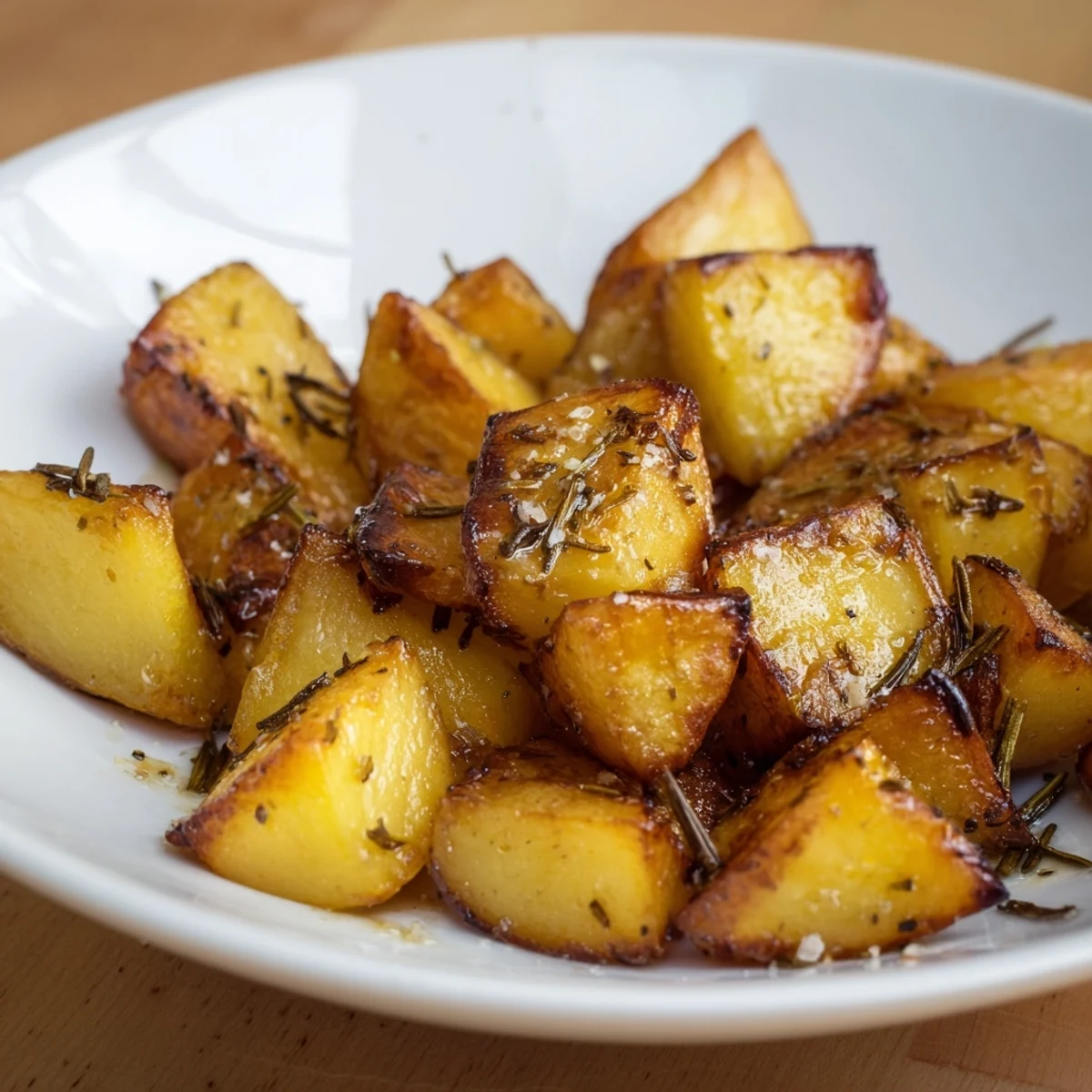
Save These crispy duck fat potatoes remind me that the most meaningful meals aren't about complicated techniques or exotic ingredients. They're about taking something simple and treating it with respect and intention. Every time I make them, I'm reminded that cooking is a love language, spoken in sizzles and aromas and golden edges.
Common Questions
- → Why use duck fat instead of other fats?
-
Duck fat imparts a rich, silky flavor and helps achieve a crisp, golden crust that’s difficult to replicate with other fats.
- → Can I use different potatoes for this method?
-
Yes, Yukon Gold or Maris Piper potatoes work best due to their texture, but other waxy varieties can be substituted.
- → What is the purpose of boiling the potatoes before roasting?
-
Parboiling ensures the potatoes are tender inside while the roasting step creates the crispy exterior.
- → How does shaking the potatoes after boiling help?
-
Shaking roughens the edges, increasing surface area to create more crispy bits when roasted.
- → Are there alternatives to duck fat for roasting?
-
Goose fat or high-quality olive oil can be used, though the flavor and crispiness may vary.
