
 Save
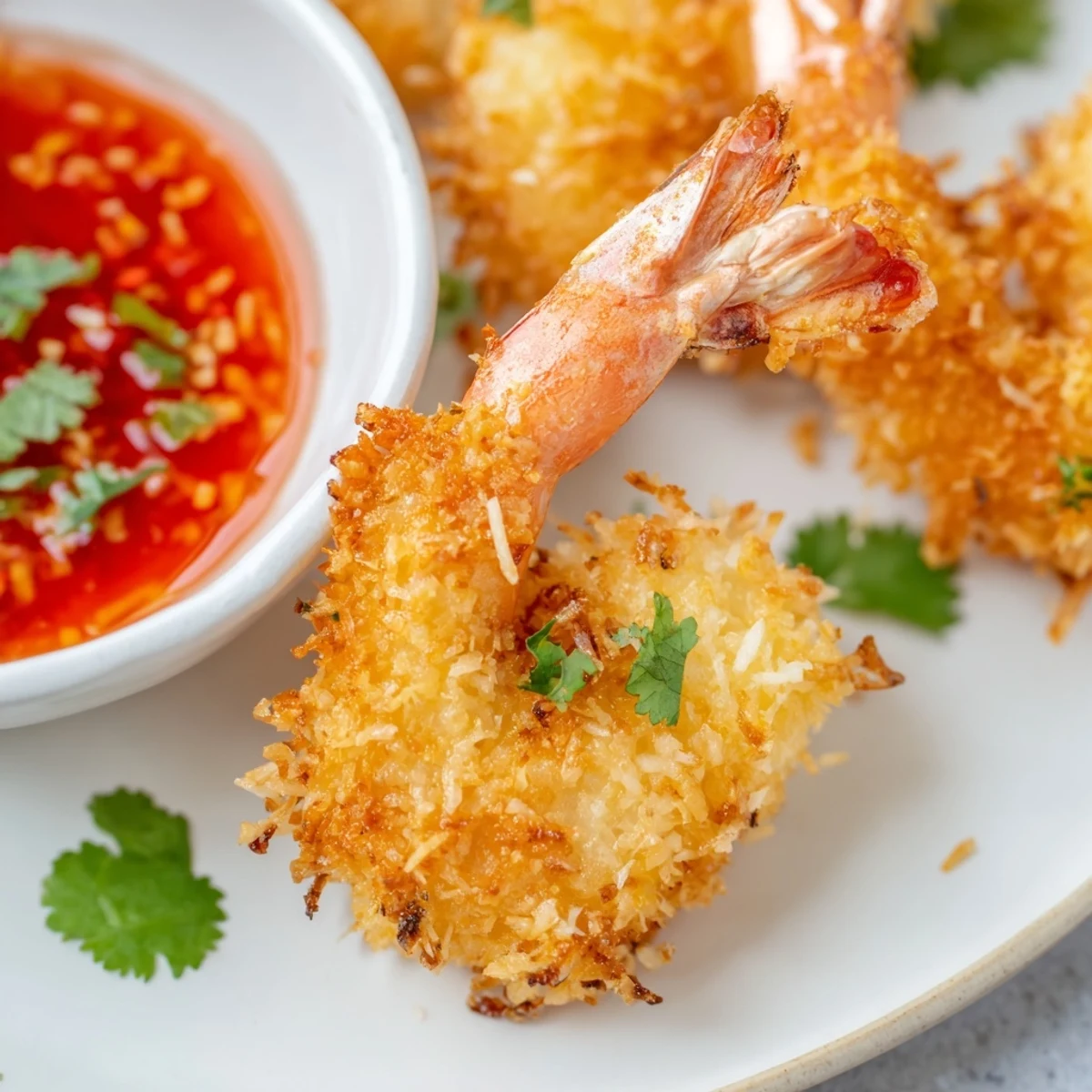
Save Succulent shrimp are seasoned and coated in a crunchy blend of shredded coconut and panko breadcrumbs, then fried until golden and crispy. Paired with a tangy sweet chili dipping sauce enhanced by lime juice and fresh cilantro, this dish offers a delightful balance of flavors and textures. Simple to prepare and quick to cook, it works wonderfully as an appetizer or party snack, bringing vibrant Asian fusion notes to the table.
The sizzle hit first, then the smell of toasted coconut filled the kitchen so fast I had to crack a window. I was testing a new coating method, convinced panko alone wasn't enough, and the moment that first shrimp turned golden in the oil, I knew I'd stumbled onto something worth keeping.
I made these for a birthday gathering once, and they disappeared so fast I barely got two for myself. My friend still asks if I'm bringing the coconut shrimp whenever she hears I'm coming over, and I've learned to double the batch just to avoid disappointment.
Ingredients
- Large raw shrimp (500 g, tails on): Tails give you something to hold while dipping, and they look better on the plate. Pat them very dry or the coating slides right off.
- Salt and black pepper (1/2 tsp, 1/4 tsp): Season the shrimp directly so every bite has flavor, not just the crust.
- All-purpose flour (80 g): The first layer creates a dry surface that helps the egg stick, which is the glue for everything else.
- Eggs and water (2 eggs, 2 tbsp): Thinning the egg with water makes it coat more evenly without clumping.
- Unsweetened shredded coconut (100 g): Sweetened coconut will burn before the shrimp cooks through, so double-check the label.
- Panko breadcrumbs (50 g): Panko gives structure and crunch, keeping the coconut from getting too oily or dense.
- Vegetable oil (500 ml): You need enough depth for the shrimp to float and fry evenly on all sides.
- Thai sweet chili sauce (120 ml): Store-bought is perfectly fine here and saves you from making yet another component from scratch.
- Lime juice (1 tbsp): Brightens the sauce and cuts through the richness of the fried coating.
- Fresh cilantro (1 tsp, optional): A little green adds freshness, but skip it if you're in the cilantro-tastes-like-soap camp.
Instructions
- Prep the shrimp:
- Pat each shrimp completely dry with paper towels, then season with salt and pepper. Any moisture left on the surface will make the breading slip off during frying.
- Set up your breading station:
- Line up three shallow bowls: flour in the first, beaten eggs mixed with water in the second, and coconut combined with panko in the third. This assembly line keeps things moving and your hands from turning into breaded mittens.
- Coat each shrimp:
- Hold the shrimp by the tail, dredge it in flour and shake off the excess, dip it through the egg wash, then press it into the coconut-panko mixture on both sides. Gently squeeze the coating so it sticks.
- Heat the oil:
- Pour oil into a deep skillet or saucepan and heat to 180°C (350°F). Drop in a pinch of panko to test; it should sizzle immediately and turn golden within seconds.
- Fry in batches:
- Add 4 to 5 shrimp at a time, making sure not to crowd the pan, and fry for 1 to 2 minutes per side until the coating is deep golden and crispy. Lift them out with a slotted spoon and drain on paper towels.
- Make the dipping sauce:
- Stir together the sweet chili sauce, lime juice, and chopped cilantro in a small bowl. Taste and add more lime if you want it brighter.
- Serve immediately:
- Arrange the hot shrimp on a platter with the sauce in a small dish on the side. They're best eaten right away while the crust is still crackling.
 Save
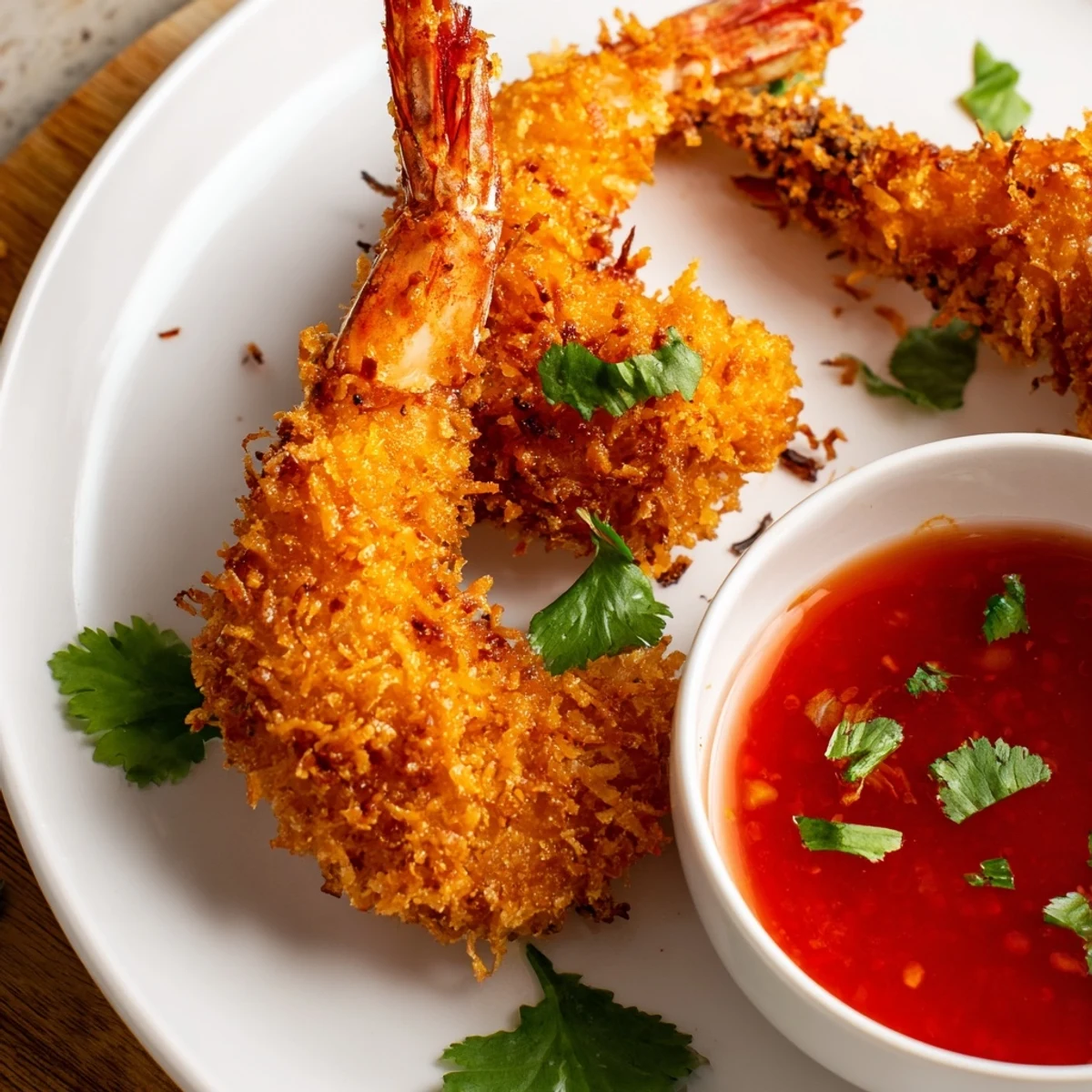
Save There's something about the contrast of sweet, spicy, and crunchy that turns a simple plate of shrimp into the thing people remember about the night. I've served these at casual dinners and fancier gatherings, and they always feel like a small celebration on their own.
How to Avoid Greasy Shrimp
The oil temperature is everything. I used to rush and drop shrimp into oil that wasn't hot enough, and they'd come out heavy and slick instead of light and crisp. Now I wait for that steady 180°C and test with a scrap of panko before committing a whole batch.
Baking Option
If you want to skip the frying, arrange the breaded shrimp on a wire rack set over a baking sheet, spray them lightly with oil, and bake at 220°C (425°F) for 12 to 15 minutes. They won't be quite as crispy, but they're still really good and much less messy to clean up after.
Serving and Pairing Ideas
These shrimp work as an appetizer, a party snack, or even a light main course if you serve them over greens or rice. A cold Sauvignon Blanc is my go-to pairing, crisp and citrusy enough to match the lime and chili without competing with the coconut.
- Serve with extra lime wedges on the side for squeezing.
- Add a small bowl of sriracha mayo if you want a creamy, spicy dip option.
- Leftovers (if there are any) can be reheated in the oven at 200°C for a few minutes to crisp up again.
 Save
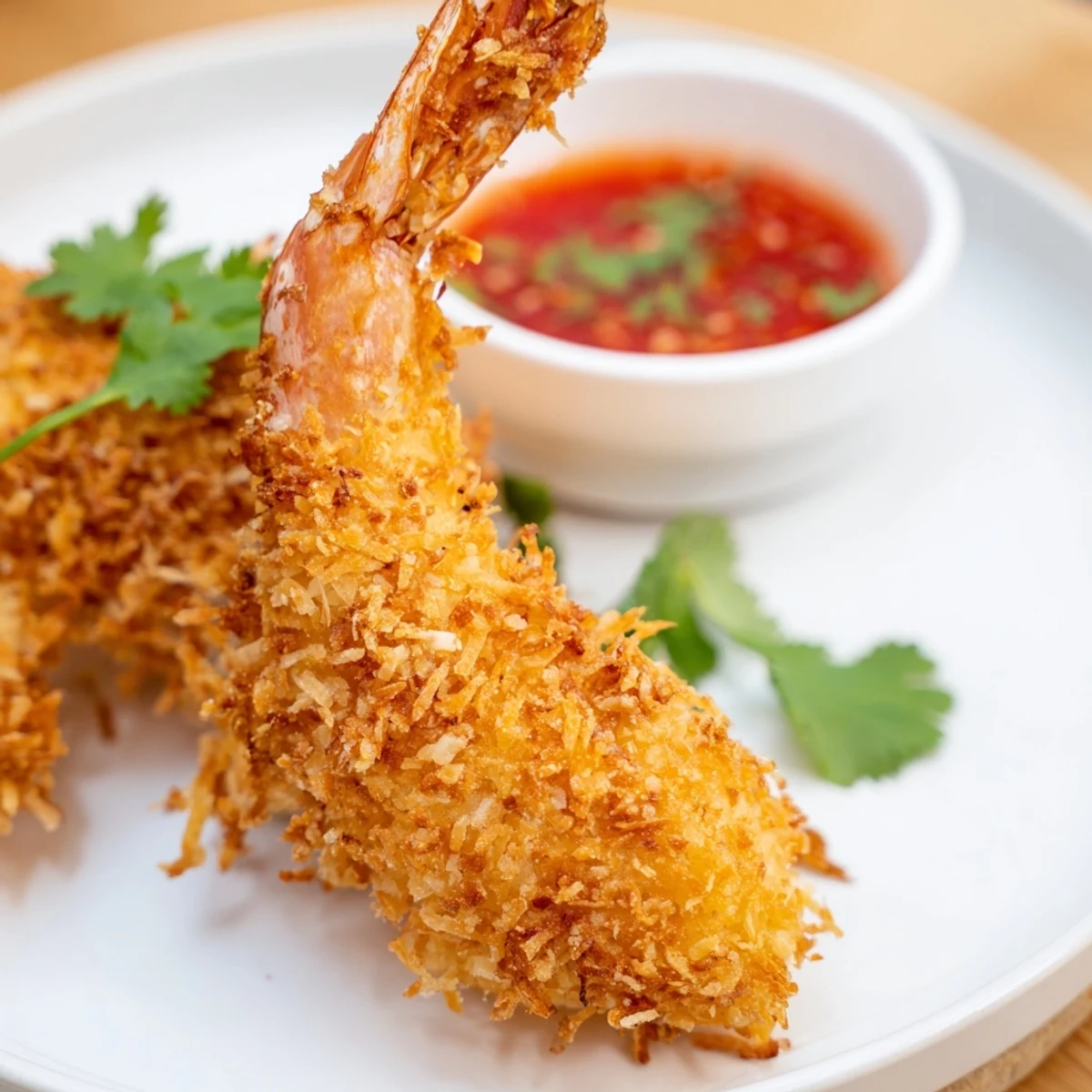
Save Once you get the rhythm of the breading station down, these come together faster than you'd think. They're the kind of recipe that makes you look like you went to more trouble than you actually did, and honestly, that's my favorite kind.
Common Questions
- → How do I get the shrimp extra crispy?
-
Ensure shrimp are well-coated with the coconut-panko mixture and fry in hot oil (around 180°C/350°F) without overcrowding the pan to maintain crispiness.
- → Can I bake the coconut-coated shrimp instead of frying?
-
Yes, place coated shrimp on a wire rack over a baking tray, lightly spray with oil, and bake at 220°C (425°F) for 12–15 minutes for a crispy texture.
- → What can I add to the breading mix for extra flavor?
-
A pinch of cayenne pepper added to the flour enhances the breading with a subtle spicy kick without overpowering the dish.
- → Is there a suggested wine pairing for this dish?
-
A crisp white wine, such as Sauvignon Blanc, complements the bright, tangy flavors and the crunchy texture perfectly.
- → Can I prepare the dipping sauce ahead of time?
-
Yes, the sweet chili sauce mixed with lime juice and cilantro can be made in advance and refrigerated to allow flavors to meld.
