
 Save
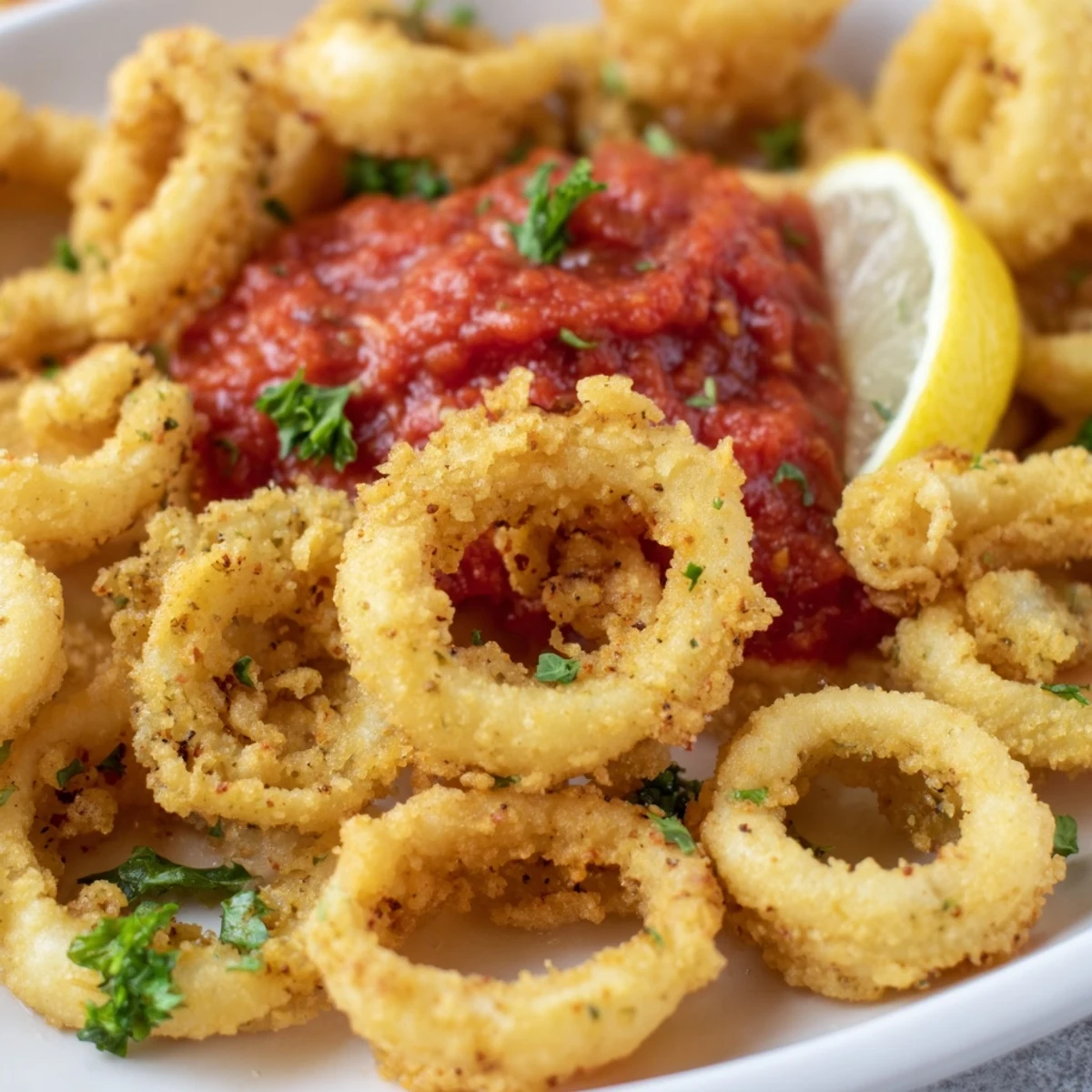
Save This dish features tender calamari rings coated in a light, crisp batter and fried to golden perfection. The calamari is briefly soaked in buttermilk for extra tenderness before being dredged in a seasoned flour and cornmeal mixture. Accompanying the calamari is a warm, zesty marinara sauce made from tomatoes, garlic, and aromatic herbs. Garnished with lemon wedges and fresh parsley, it creates a delightful balance of textures and flavors, perfect for sharing as a starter or snack.
The first time I really understood calamari was at a tiny seaside trattoria where the owner's grandmother still came in to oversee the frying. She showed me how the rings needed that particular golden moment—not pale, not burnt—and suddenly what seemed intimidating became pure joy. Now whenever I make this at home, I chase that same crispy-tender balance she demonstrated, and somehow it always brings back that salty sea air and her knowing smile.
I made this for a casual dinner party last summer when a friend mentioned she'd never tried calamari before. Watching her face when she bit into that first crispy ring—the way her eyes widened—reminded me why I love cooking with friends. Now she requests it every time she visits, and honestly, that's become the real reward.
Ingredients
- Fresh calamari, cleaned and sliced into rings: 500 g (1.1 lbs) whole, cleaned calamari becomes your blank canvas—buy from a fishmonger if possible, as they'll clean it fresh, and you'll notice the difference in both texture and flavor immediately.
- Buttermilk: 120 ml (1/2 cup) acts as a tenderizer and helps the breading stick, creating that crucial textural contrast between crispy outside and yielding inside.
- Salt and pepper: to taste for seasoning the calamari before breading.
- All-purpose flour: 100 g (3/4 cup) forms the base of your coating and helps create structure.
- Fine cornmeal: 50 g (1/3 cup) is the secret to extra crunch—don't skip it or use polenta, the texture matters.
- Paprika: 1 tsp brings warmth and a whisper of smokiness that rounds out the spices.
- Garlic powder: 1/2 tsp adds depth without making the breading wet or clumpy.
- Cayenne pepper: 1/2 tsp optional, but if you like heat, this is where it belongs.
- Olive oil: 1 tbsp for sautéing garlic—use good quality here since you'll taste it directly in the sauce.
- Garlic cloves, minced: 2 cloves fresh garlic transforms everything once it hits hot oil, so don't be tempted to use pre-minced.
- Canned crushed tomatoes: 400 g (14 oz) your sauce foundation—San Marzano is worth seeking out if your budget allows.
- Dried oregano: 1 tsp brings that essential Italian backbone to the sauce.
- Dried basil: 1/2 tsp rounds out the herb profile with subtle sweetness.
- Sugar: 1/2 tsp balances acidity in the tomatoes, making the sauce taste more polished and less sharp.
- Vegetable oil for frying: you'll need enough to submerge the rings, so have more on hand than you think—use neutral oil like canola or peanut oil.
- Lemon wedges: for garnish and serving, choose lemons that feel heavy for their size as they'll have more juice.
- Fresh parsley, chopped: adds a bright green finish and a subtle fresh note that cuts through the richness.
Instructions
- Prepare and soak the calamari:
- Pat your calamari rings completely dry with paper towels—this is more important than it sounds, as excess moisture will steam rather than fry and make everything soggy. Toss them in buttermilk with salt and pepper, then set them aside for exactly 10 minutes while you make everything else.
- Build the marinara sauce:
- Heat olive oil in a small saucepan over medium heat, then add minced garlic and listen for that immediate sizzle and fragrant bloom—it takes maybe 30 seconds. Pour in crushed tomatoes, oregano, basil, sugar, salt, and pepper, then let it simmer gently uncovered for 10 to 15 minutes, stirring occasionally, until it thickens slightly and the flavors deepen into something richer than when you started.
- Mix the breading blend:
- In a shallow bowl, combine flour, cornmeal, paprika, garlic powder, and cayenne if using. The cornmeal is what gives you that signature crunch, so don't rush blending—mix until evenly distributed.
- Bread each ring individually:
- Working with one piece at a time, lift a calamari ring from the buttermilk, let the excess drip back into the bowl, then dredge it thoroughly in the flour mixture, making sure every surface gets coated. Shake off any excess breading that wants to clump—you want an even, thin coat, not a thick armor.
- Fry in batches until golden:
- Heat your oil to 180°C (350°F)—use a thermometer if you have one, as temperature matters enormously here. Working in small batches so the oil stays hot, gently lower the calamari in and fry for just 1 to 2 minutes until they turn golden and float to the surface, then fish them out with a slotted spoon and spread them on paper towels immediately.
- Serve while still warm and crackling:
- Arrange your fried calamari on a platter, scatter lemon wedges and fresh parsley over them, and serve immediately alongside the warm marinara sauce for dipping. The entire magic of this dish lives in that moment when it's still crisp and hot.
 Save
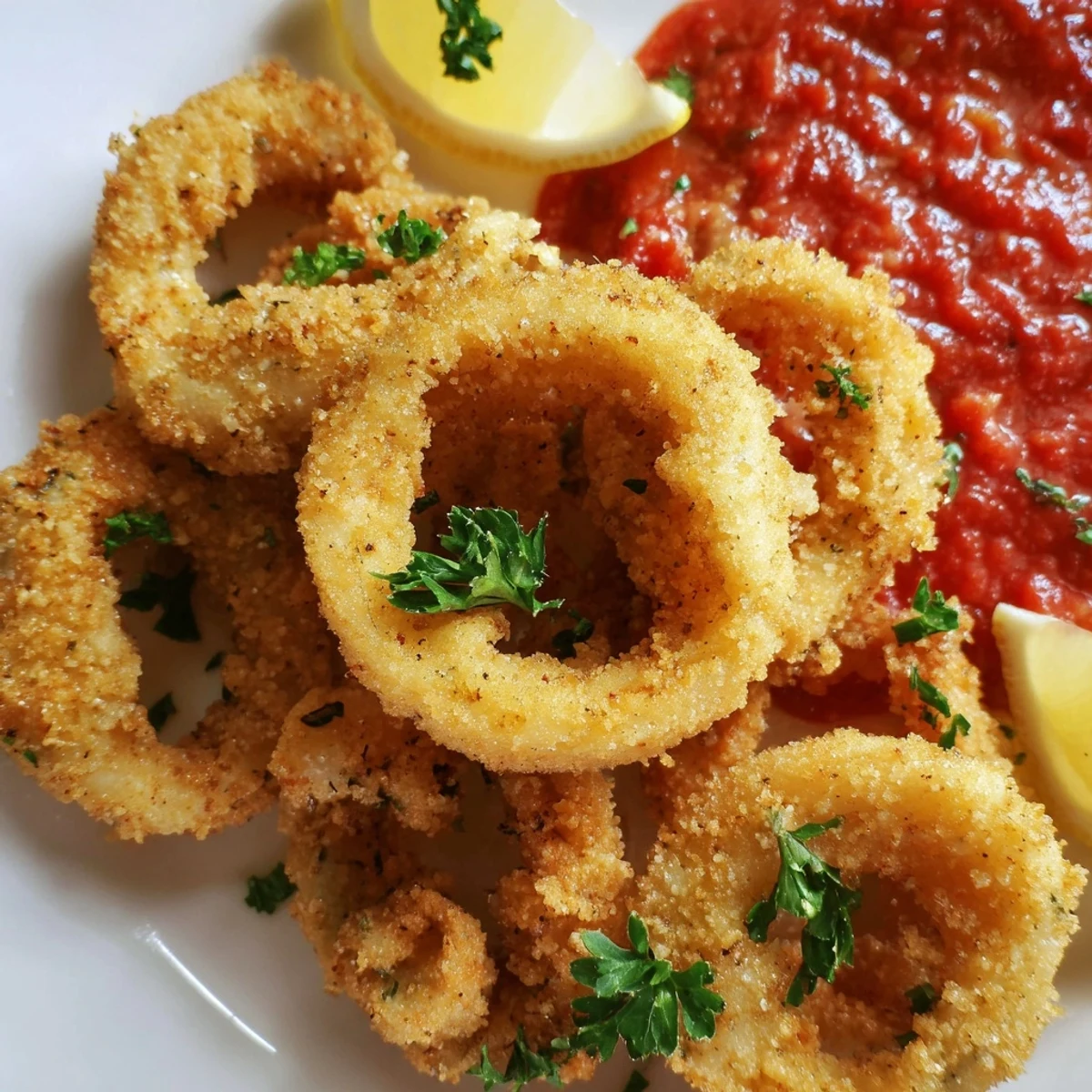
Save There's something almost meditative about the moment when those breaded rings hit the hot oil and immediately sound different—a crisp, purposeful sizzle that tells you everything is about to work. That sound has become my favorite part of the whole process, the promise that what comes next will be exactly right.
The Double-Dip Secret
If you want maximum crunchiness—and honestly, who doesn't—try dipping the calamari twice: buttermilk first, then flour, then buttermilk again, then flour one final time. It creates layers that stay crisp even as they cool slightly, and the texture becomes almost absurdly good. I discovered this by accident when someone distracted me mid-breading, but it's now deliberate every time.
Variations and Swaps
While calamari is the classic, you can absolutely substitute large shrimp using the exact same technique, and they actually fry even faster—watch for them to turn opaque, usually around 1 minute. Some people use a mix of both for textural variety, and that's equally valid. The breading and sauce work beautifully with either.
Serving and Pairing Ideas
This works equally well as a party appetizer, a first course before pasta, or even a casual dinner with crusty bread and a simple salad. The brightness of the lemon and the acidity of the tomato sauce cut through the richness in a way that feels effortless and balanced, which is why it's genuinely hard to stop eating once you start.
- A crisp Italian white wine like Pinot Grigio or Vermentino becomes essential, not just nice-to-have.
- Serve with extra lemon wedges and more marinara sauce than you think you'll need—people always come back for more.
- Keep the calamari in a warm oven on low heat if you're making it in advance, but honestly, it's best the moment it comes out of the oil.
 Save
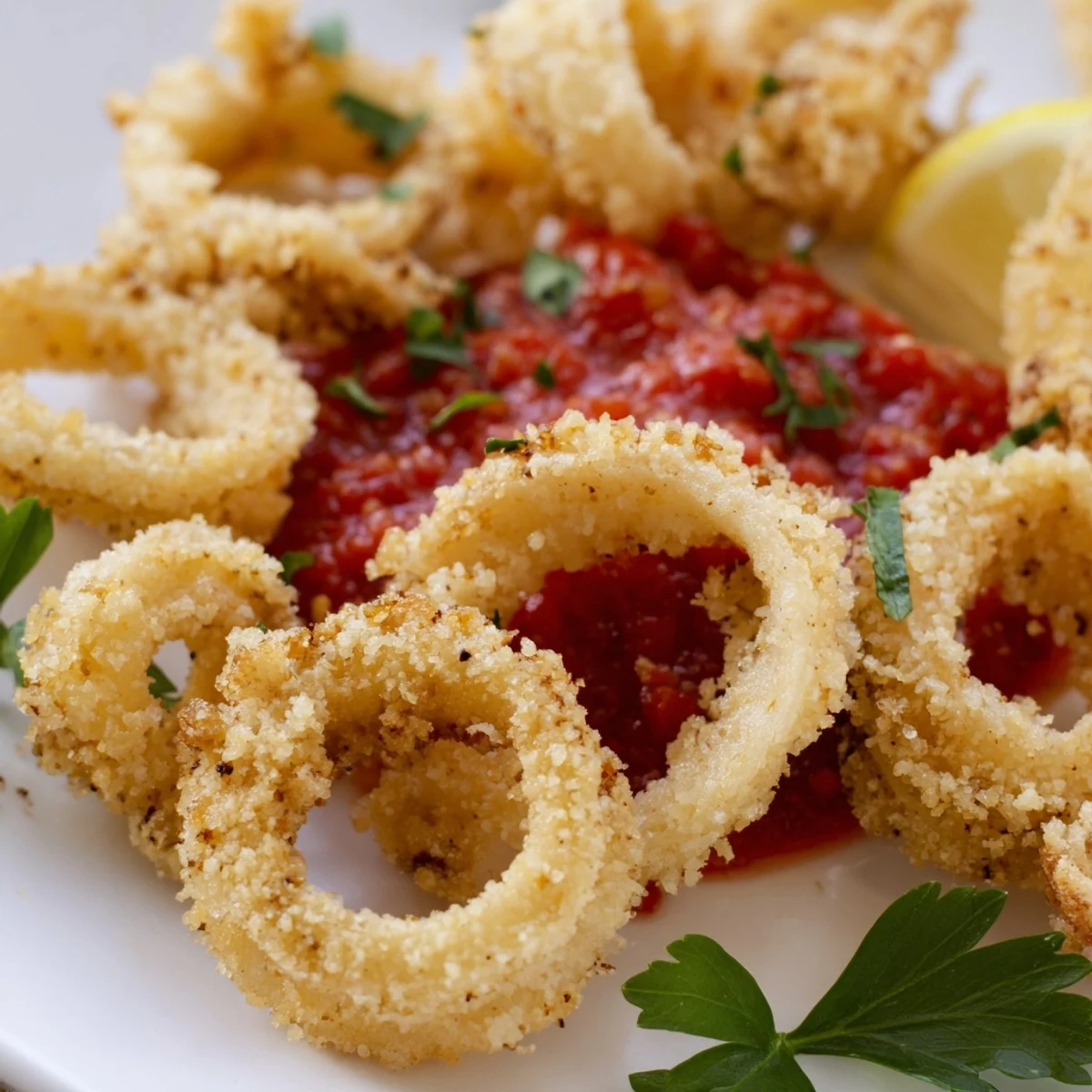
Save Every time I make this dish, it reminds me that some of the best things in the kitchen come from respecting a few simple rules and paying attention to the small moments—the sizzle, the color, the texture. That's really all there is to it.
Common Questions
- → How do you achieve a crispy coating on calamari?
-
Coating calamari rings in a seasoned mixture of flour and cornmeal and frying them at the right temperature creates a light, crispy texture.
- → Why soak calamari in buttermilk before breading?
-
Soaking in buttermilk tenderizes the calamari and helps the breading adhere better for a crisp finish.
- → What is the best oil temperature for frying calamari?
-
Heating the oil to around 180°C (350°F) ensures quick frying without absorbing excess oil, resulting in a golden crust.
- → Can the batter be made spicier?
-
Yes, adding cayenne pepper to the breading mix adds a subtle heat without overpowering the dish.
- → How is the marinara sauce prepared for this dish?
-
The marinara is simmered from crushed tomatoes with garlic, oregano, basil, and a touch of sugar to balance acidity, creating a bright and flavorful dip.
