
 Save
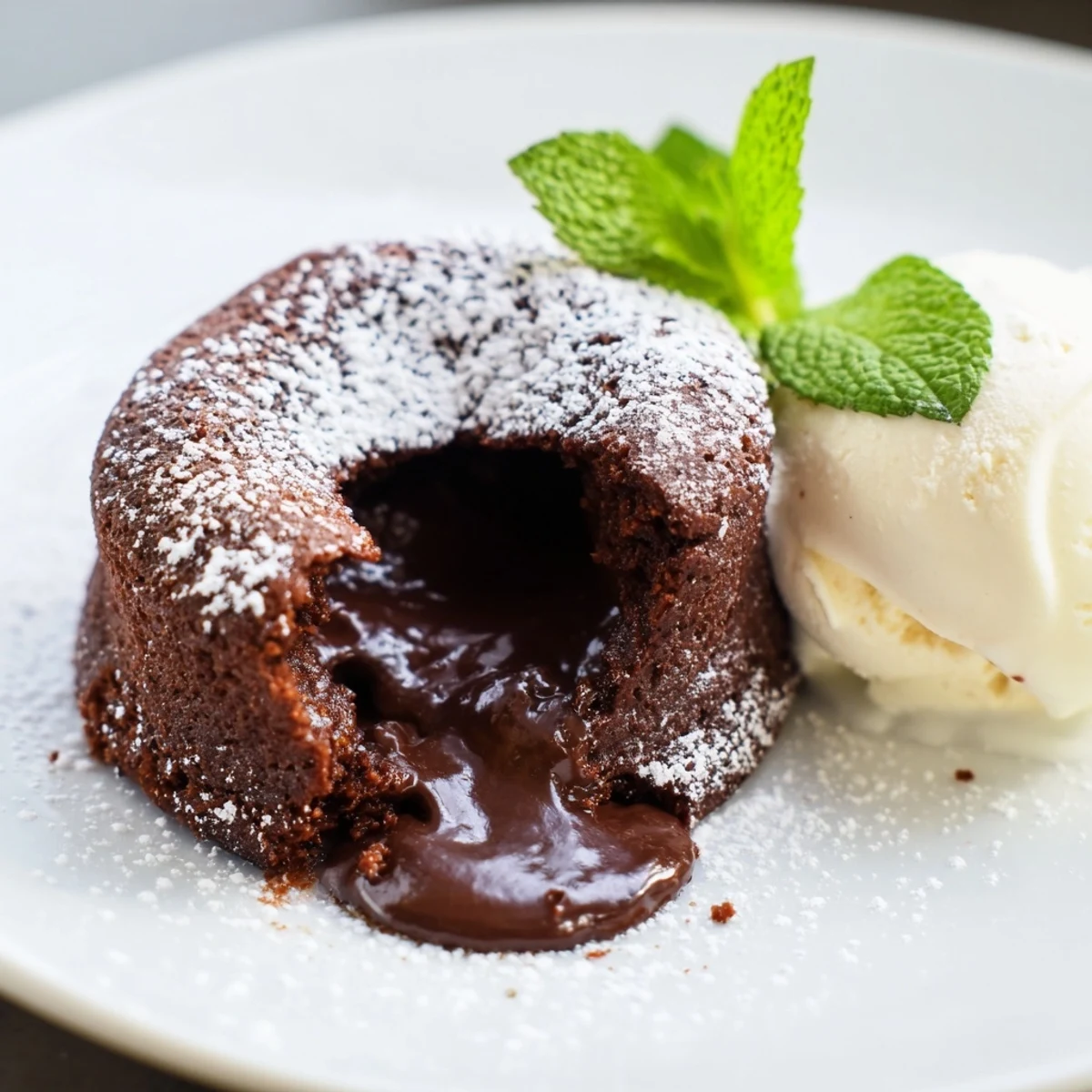
Save Experience the pleasure of rich, molten chocolate cakes baked to perfection with a soft, flowing center. These individual cakes are complemented by the creamy texture and fragrant notes of vanilla bean ice cream. Preparation involves melting bittersweet chocolate with butter, folding into a lightly sweetened egg mixture, and baking until edges are set but centers remain soft. Serve immediately with optional garnishes like fresh berries or powdered sugar for an elegant finishing touch.
There's a specific moment that taught me everything about these cakes: standing in a friend's kitchen at midnight, watching her pull a ramekin from the oven and watching the center collapse into liquid gold. She'd made them on impulse, and I realized right then that the best desserts aren't about perfection—they're about that precise second when structure gives way to indulgence. Now, whenever I make these, I chase that exact feeling of controlled chaos.
I made these for a dinner party once when everything else had fallen apart—the main course was late, the salad was overdressed, but then I slid these warm cakes onto plates with vanilla ice cream melting on top, and suddenly the whole evening made sense. My partner still brings it up as the night I learned that sometimes the dessert is what people remember.
Ingredients
- Bittersweet or semisweet chocolate, chopped (115 g / 4 oz): This is where the magic lives—use something you'd actually eat on its own, because the quality shows in every bite. I learned this the hard way after using chocolate chips once and regretting it immediately.
- Unsalted butter (115 g / 1/2 cup), plus extra for greasing: The butter carries the chocolate's flavor and creates that silky texture that makes the center flow. Room temperature makes whisking easier, but cold works too—just be patient.
- Whole eggs (2 large): These create the structure that holds everything until the last moment.
- Egg yolks (2 large): Extra yolks are what turns a regular chocolate cake into something with a liquid center—they add richness and prevent the structure from setting completely.
- Powdered sugar (80 g / 2/3 cup): Fine sugar dissolves faster into the eggs, giving you that pale, thick foam that signals you've whisked long enough.
- All-purpose flour (30 g / 1/4 cup): Just enough to hold the batter together without making it cake-like. This small amount is deliberate.
- Fine sea salt (1/4 tsp): A whisper of salt deepens the chocolate flavor in ways you won't consciously notice but will absolutely taste.
- Pure vanilla extract (1/2 tsp): Vanilla doesn't compete with chocolate—it sits behind it, making it sing.
- Vanilla bean ice cream (4 scoops): Cold against hot is the whole point, so use something with actual vanilla specks if you can.
Instructions
- Get your vessel ready:
- Butter your ramekins generously—really get into the corners and up the sides—then dust with cocoa powder so the warm cake slides out cleanly. This step matters more than you'd think.
- Melt chocolate and butter together:
- Whether you use a double boiler or microwave in 30-second bursts, stir constantly and don't let the chocolate seize or split. The goal is a smooth, glossy mixture that cools just enough to handle.
- Whisk eggs and sugar into pale submission:
- This takes about 2 minutes of real whisking—you want the mixture to look almost mousse-like, pale and thick. This aeration is what keeps the center soft while the edges set.
- Fold everything together gently:
- Stir in the chocolate and vanilla first, then fold the flour and salt in carefully. The moment you stop seeing flour streaks, you're done—overmixing at this stage tightens the crumb and you lose the molten magic.
- Divide and prepare for heat:
- Split the batter evenly among the ramekins and set them on a baking sheet so they're stable in the oven and easy to pull out.
- Bake with precision:
- At 220°C (425°F), you're looking for 11–12 minutes—the edges should be set and cake-like while the centers jiggle slightly when you shake the ramekin gently. This is the hardest part because you have to trust your instincts over the timer.
- Rest and release:
- Give the cakes one minute to set slightly, then run a thin knife around the edges and invert each one onto a plate in one confident motion. The cocoa powder coating helps them slide out like they were meant to.
- Serve immediately:
- Top with ice cream right away—the contrast of warm cake and cold cream is everything, and that vanilla bean ice cream melts into all the crevices.
 Save
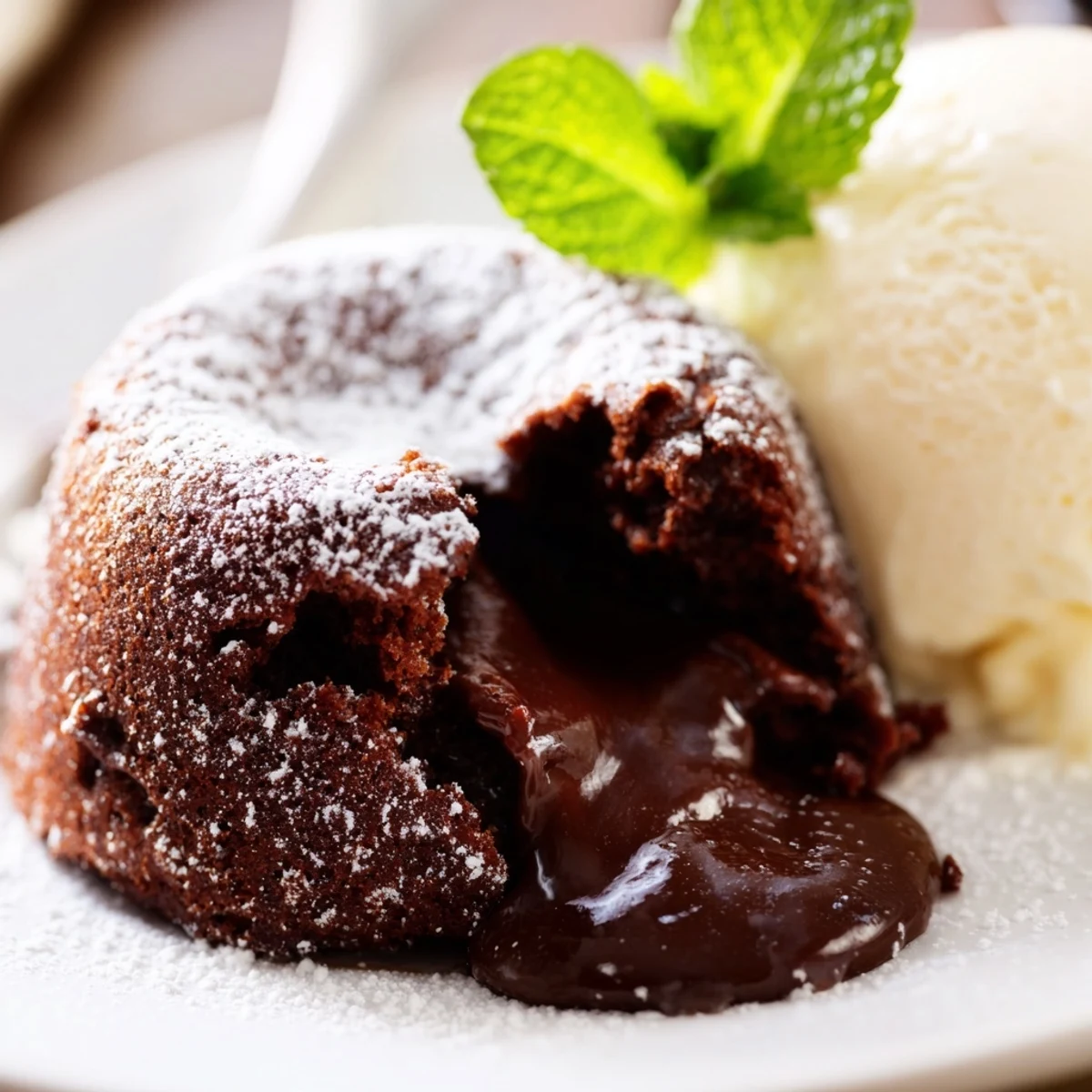
Save These cakes taught me something unexpected about timing and letting go: you make them mostly on faith, trusting that 11 minutes is enough even though the center looks impossibly soft. That moment when you invert the cake and feel it release from the ramekin, when you know you timed it perfectly and haven't overcomplicated it—that's when dessert stops being a task and becomes a small personal victory.
The Chocolate Choice Matters
Don't use grocery store chocolate chips or waxy compound chocolate—the quality lives in your mouth for every bite. A 60–70% cacao bar melted down gives you deep, sophisticated flavor that makes people pause and ask what you did differently. I've had people taste the same batter made with different chocolate, and they genuinely taste like different desserts.
Make-Ahead Strategy
The batter actually improves if you prepare it in advance and refrigerate it raw—flavors meld and chocolate sets slightly, which somehow helps the final texture. If you bake from chilled, add 1–2 minutes to the bake time because the cold batter needs extra time to cook through at the edges while keeping the center molten. This is how you throw together an impressive dessert on a busy day without stress.
Serving and Pairing
The vanilla bean ice cream is non-negotiable, but what you serve alongside changes the whole experience. A ruby port or espresso brings sophistication, while cold milk makes it feel homey and comforting—there's no wrong answer, just different moods.
- Fresh berries or mint add color and brightness that cuts through the richness beautifully.
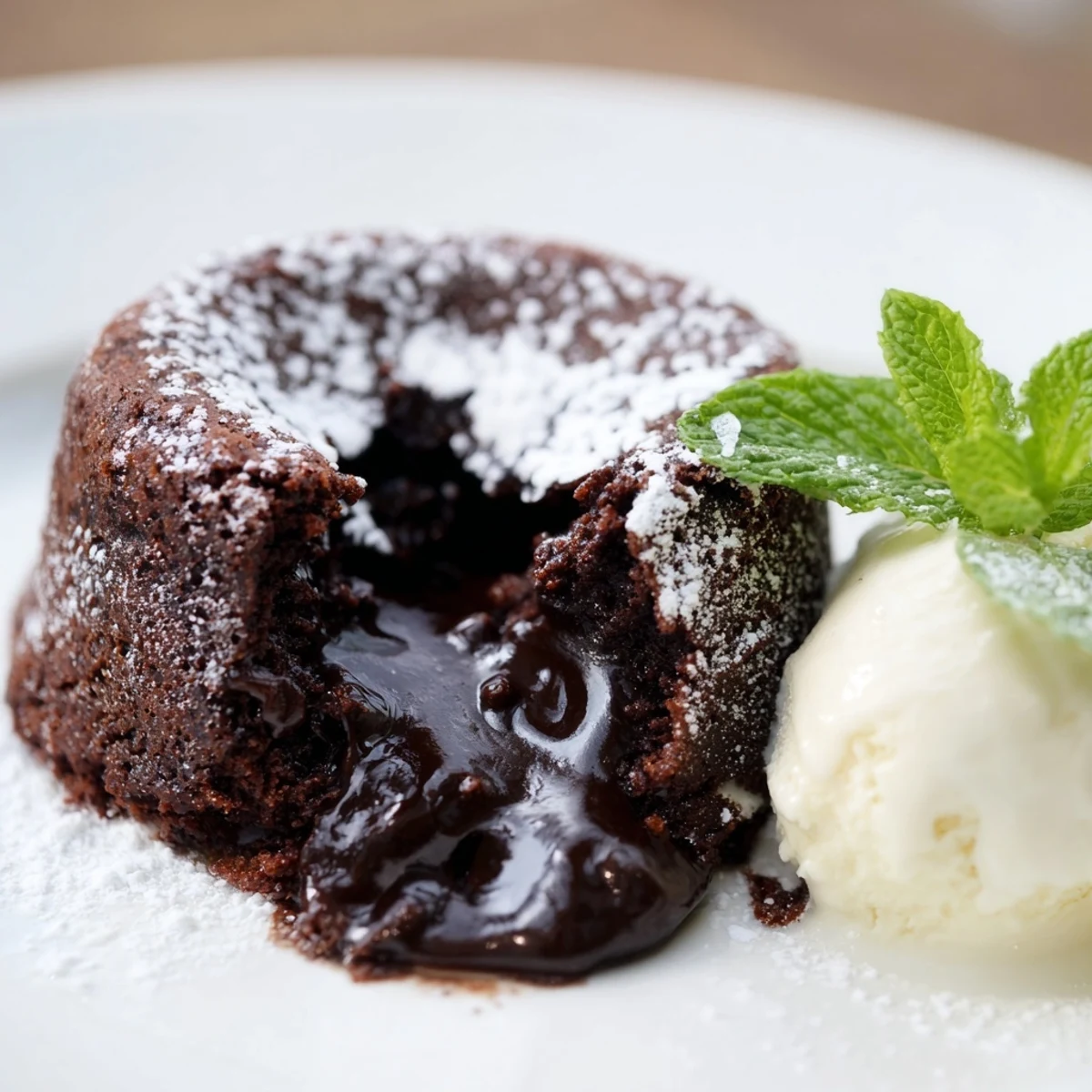
- A dusting of powdered sugar is optional but creates a nice visual contrast when the plate arrives.
- Serve these the moment they come out—waiting more than two minutes changes everything, and not in a good way.
 Save
Save These cakes are proof that sometimes the simplest dishes carry the most impact—warm, indulgent, theatrical, and completely worth the 20 minutes of focused attention they ask for. Make them once and you'll find yourself making them again.
Common Questions
- → What type of chocolate works best for these cakes?
-
Bittersweet or semisweet chocolate with 60–70% cocoa content provides a deep, balanced flavor and ideal melting properties.
- → How can I tell when the cakes are perfectly baked?
-
The edges should be firm and set, while the center remains soft and slightly jiggly for the signature molten texture.
- → Can I prepare the batter in advance?
-
Yes, the batter can be refrigerated raw. Bake immediately from chilled, adding 1–2 minutes to the baking time.
- → What is the best way to serve these chocolate cakes?
-
Invert the warm cakes onto plates and serve with a scoop of vanilla bean ice cream, garnished with fresh berries or mint for contrast.
- → Are there any suggested beverage pairings?
-
Complement with ruby port, espresso, or a glass of cold milk to enhance the dessert experience.
