
 Save
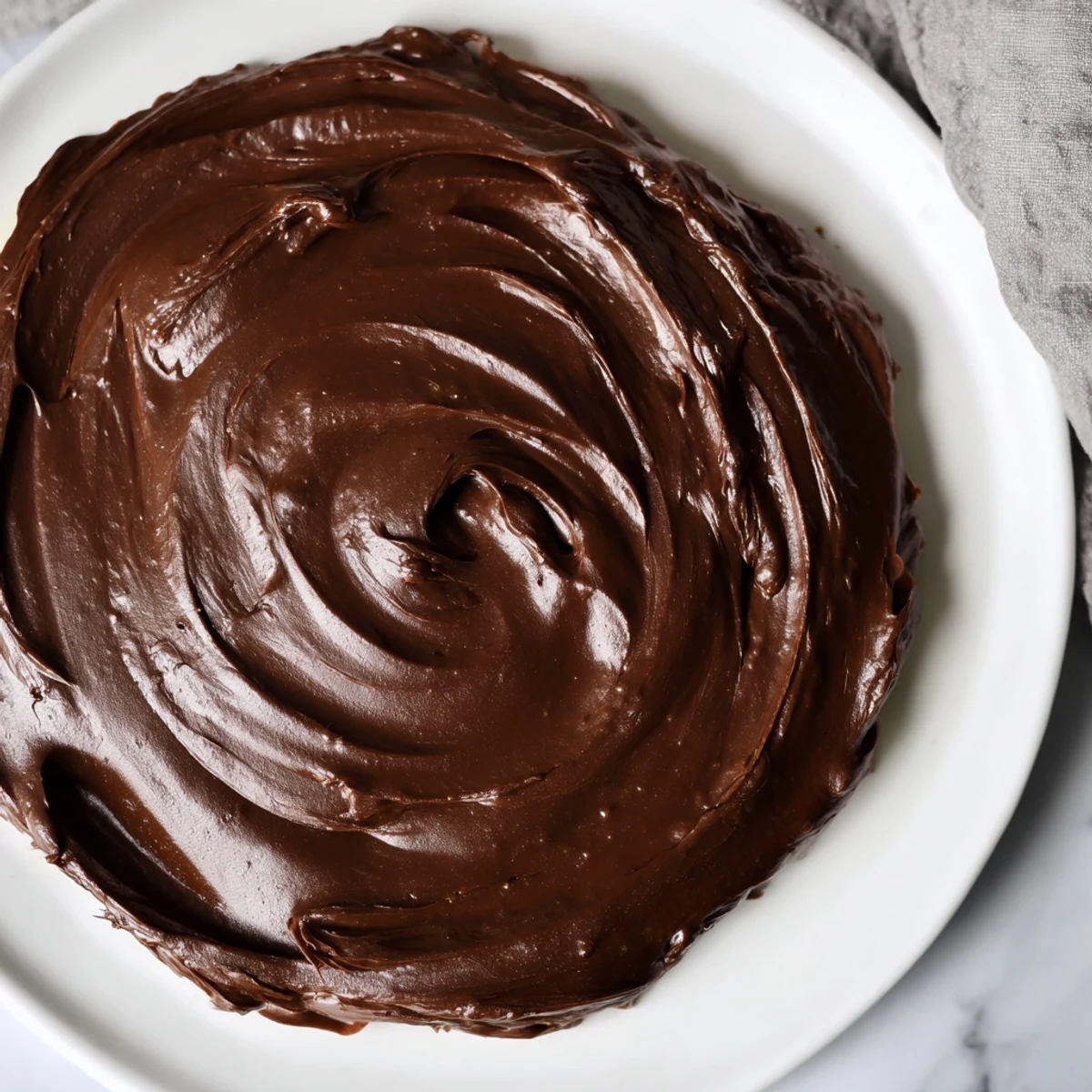
Save This silky chocolate ganache blends chopped dark chocolate with warm cream to create a smooth, glossy glaze. Incorporate butter and vanilla for added richness and shine. Perfect for glazing cakes, filling pastries, or chilling into decadent truffles, it offers versatility with easy preparation in under 15 minutes. Variations include using semi-sweet or white chocolate and adding flavor touches like orange zest or espresso powder.
The first time I truly understood ganache wasn't from a recipe book but from watching my neighbor, a retired pastry chef, pour steaming cream over chopped chocolate in her sunny kitchen. She didn't measure or fuss—just poured, waited, and whisked with the confidence of someone who'd done it a thousand times. That moment of simplicity changed everything for me; I realized ganache wasn't some mysterious French technique but pure alchemy made from two humble ingredients.
I remember bringing a ganache-topped chocolate cake to a potluck years ago, nervous it wouldn't impress. A friend took one bite, closed her eyes, and said nothing for a long moment—then asked for the recipe written down before anything else. That's when I knew this technique was worth mastering.
Ingredients
- High-quality dark chocolate (250 g, chopped): The chocolate is the star here, so don't skimp on quality; 60–70% cocoa gives you that perfect balance of richness without bitterness, and chopping it into small, even pieces helps it melt smoothly and completely.
- Heavy cream (250 ml): The fat content matters more than you'd think—aim for at least 30% fat so your ganache stays silky and doesn't split; cold cream straight from the fridge works best.
- Unsalted butter (30 g, optional): A small knob of soft butter adds an extra glossy shine and luxurious richness that elevates the whole thing.
- Pure vanilla extract (1 tsp, optional): Just a whisper of vanilla deepens the chocolate flavor without announcing itself.
- Fine sea salt (a pinch, optional): Salt brings out chocolate's complexity; don't skip it even if you're making a traditional ganache.
Instructions
- Prepare your chocolate:
- Chop your chocolate into small, even pieces about the size of pea nuts and place them in a heatproof bowl—the smaller the pieces, the faster and more evenly they'll melt. If you're using a bowl that's seen better days or has any residue, wash and dry it completely, as even a tiny drop of water can cause chocolate to seize and become grainy.
- Heat the cream to a gentle simmer:
- Pour your cream into a small saucepan and set it over medium heat; watch for the moment tiny bubbles form around the edges and steam rises—that's your signal to stop. You're not making hot chocolate here, so resist the urge to let it boil.
- The magic moment—pour and wait:
- Slowly pour the hot cream over your chopped chocolate in a steady stream, then step away and let it sit completely undisturbed for a full two minutes; this resting time lets the heat gently melt the chocolate from the inside out, which is the secret to a perfectly smooth ganache.
- Whisk with intention:
- Start whisking in small, gentle circles from the center of the bowl, gradually working outward; you'll feel it transform from chunky to silky, which usually takes less than a minute of steady whisking. The motion matters—too vigorous and you'll whip air into it, which changes the texture.
- Add your finishing touches:
- If you're using butter, vanilla, or salt, add them now while the ganache is still warm so they incorporate smoothly; stir gently and taste if you can (careful, it's hot!) to make sure the flavor balance feels right to you.
- Use or chill based on your plan:
- If you're glazing a cake, use it immediately while it's still warm and pourable; for frosting or truffles, let it cool to room temperature first, which takes about 20–30 minutes, then it'll be thick enough to spread or scoop.
 Save
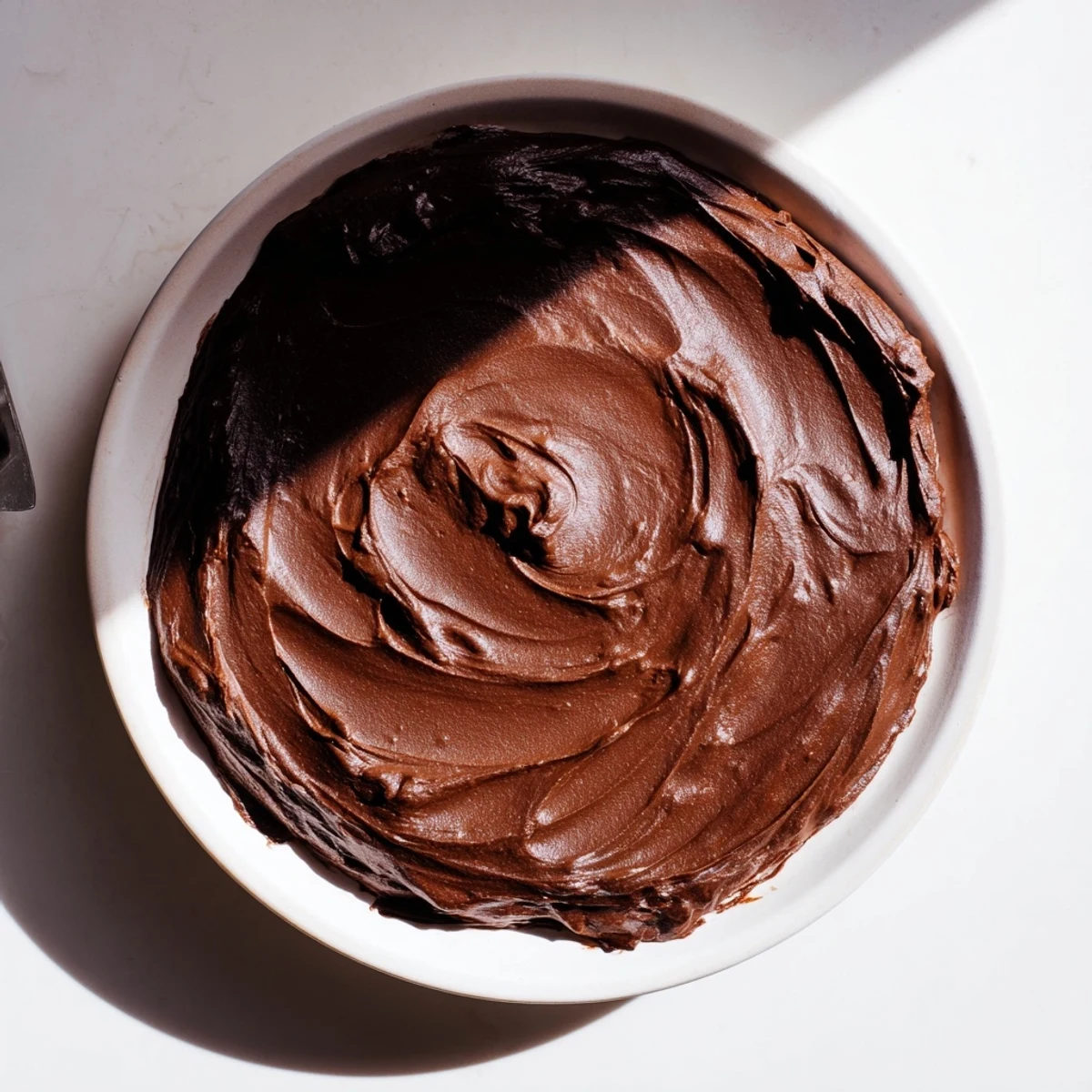
Save There's a moment, right when you start whisking, where everything suddenly comes together and transforms from two separate ingredients into something impossibly silky and luxurious—that's when I feel like a real baker, even though I'm just following what happens naturally.
Flavor Variations Worth Trying
Once you've made a basic ganache, the world opens up—a tiny pinch of espresso powder wakes up the chocolate without making it taste like coffee, while orange zest added after whisking brings brightness and elegance. I've also gotten adventurous with a splash of Grand Marnier or Chambord liqueur stirred in at the end, which turns a simple ganache into something that feels almost sophisticated enough to serve at a dinner party.
What Chocolate Choice Changes
Dark chocolate (60–70% cocoa) is my go-to because it has enough cocoa solids to taste genuinely chocolatey while still being smooth and pourable. White or milk chocolate work too, but they need less cream to reach the same consistency—I usually reduce it to about 200 ml—because they have a higher cocoa butter content that makes them set firmer. Semi-sweet chocolate makes a sweeter ganache if that's your preference, though you might add a tablespoon of sugar to the cream before heating to keep it from tasting flat.
How to Use Your Ganache
Warm ganache poured over a cake is stunning because it drips naturally and sets with a glossy, almost-professional finish. At room temperature, it becomes thick and spreadable like frosting, perfect for layering cakes or filling pastries. Chilled until firm—which takes a few hours or overnight in the fridge—it can be scooped into balls and rolled in cocoa powder or nuts to make elegant truffles that taste expensive and feel fancy to make.
- If your ganache breaks or looks separated while whisking, don't panic—slowly whisk in a tablespoon of cream at a time until it comes back together smoothly.
- Store leftover ganache in an airtight container in the fridge for up to two weeks, and gently reheat it in a double boiler if you need it pourable again.
- For a thinner glaze that flows more easily, add a little more cream; for a thicker frosting, let it cool longer or add a touch more chocolate.
 Save
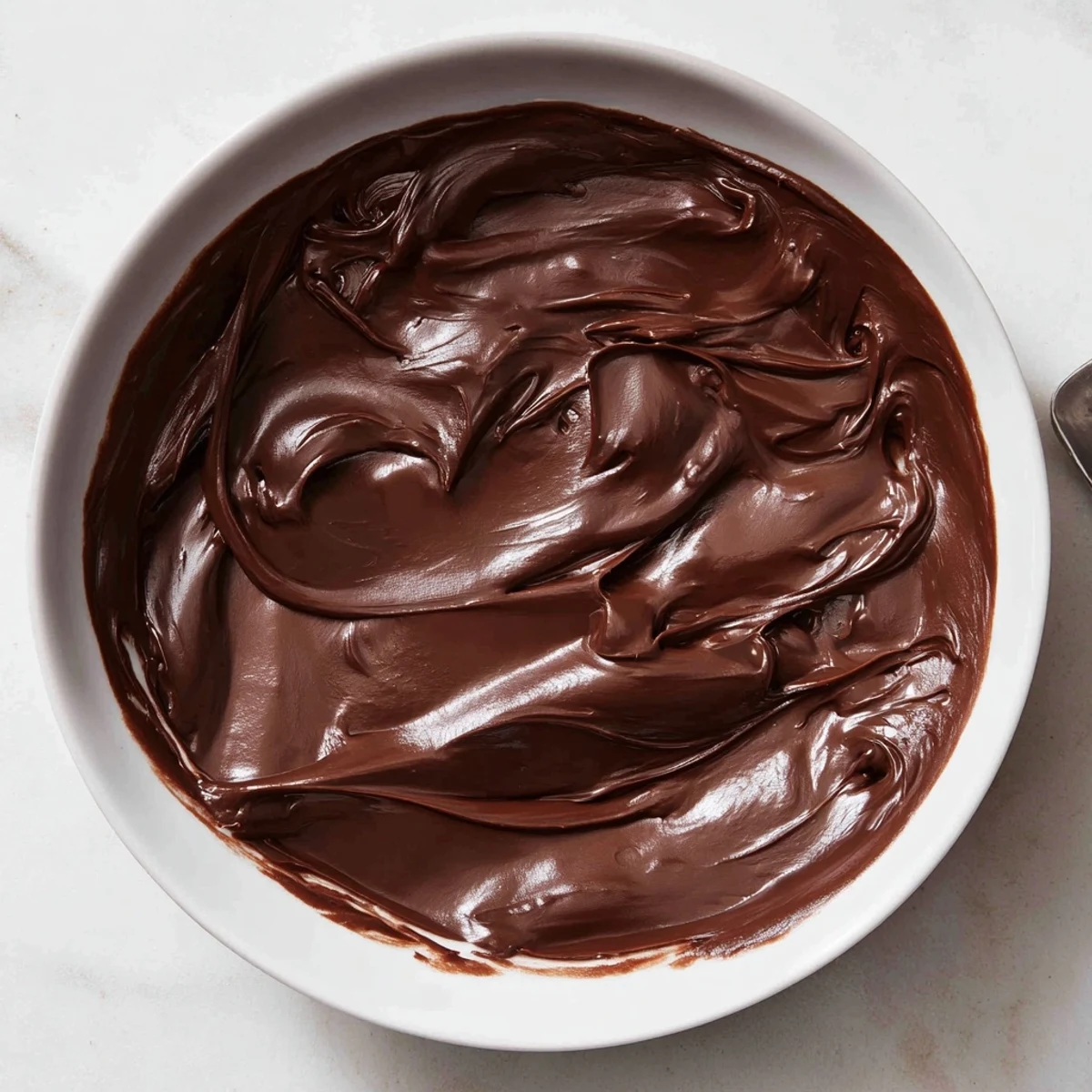
Save Ganache taught me that the best recipes are often the simplest ones—just chocolate, cream, and a little patience. Now whenever I make it, I think of my neighbor and how she knew that good cooking is really just understanding what ingredients want to become.
Common Questions
- → What chocolate percentage is best for ganache?
-
Use dark chocolate with 60–70% cocoa for a rich and balanced flavor that melts smoothly with cream.
- → Can I use milk or white chocolate instead?
-
Yes, but reduce the cream amount slightly (to about 200 ml) for a thicker consistency and sweeter taste.
- → How do I get a shiny ganache finish?
-
Adding a bit of unsalted butter and gently whisking until smooth enhances shine and richness in the ganache.
- → How long does it take to prepare ganache?
-
Preparation takes about 10 minutes, with 5 minutes cooking to gently heat the cream and melt the chocolate.
- → Can I flavor ganache with other ingredients?
-
Yes, try adding vanilla, orange zest, espresso powder, or liqueurs like Grand Marnier after melting for creative variations.
- → How should ganache be stored?
-
Store chilled in an airtight container; bring to room temperature before use for spreading or glazing ease.
