
 Save
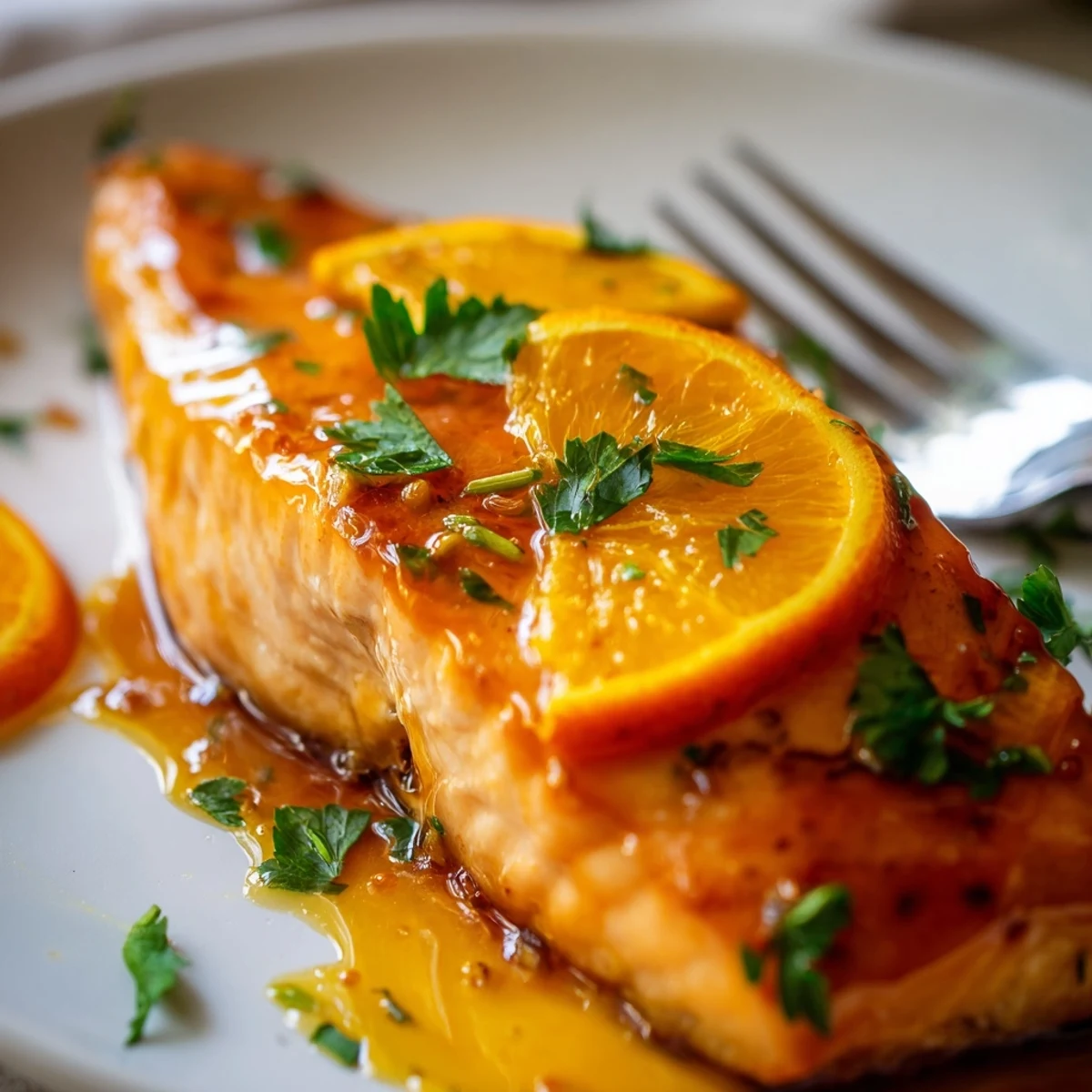
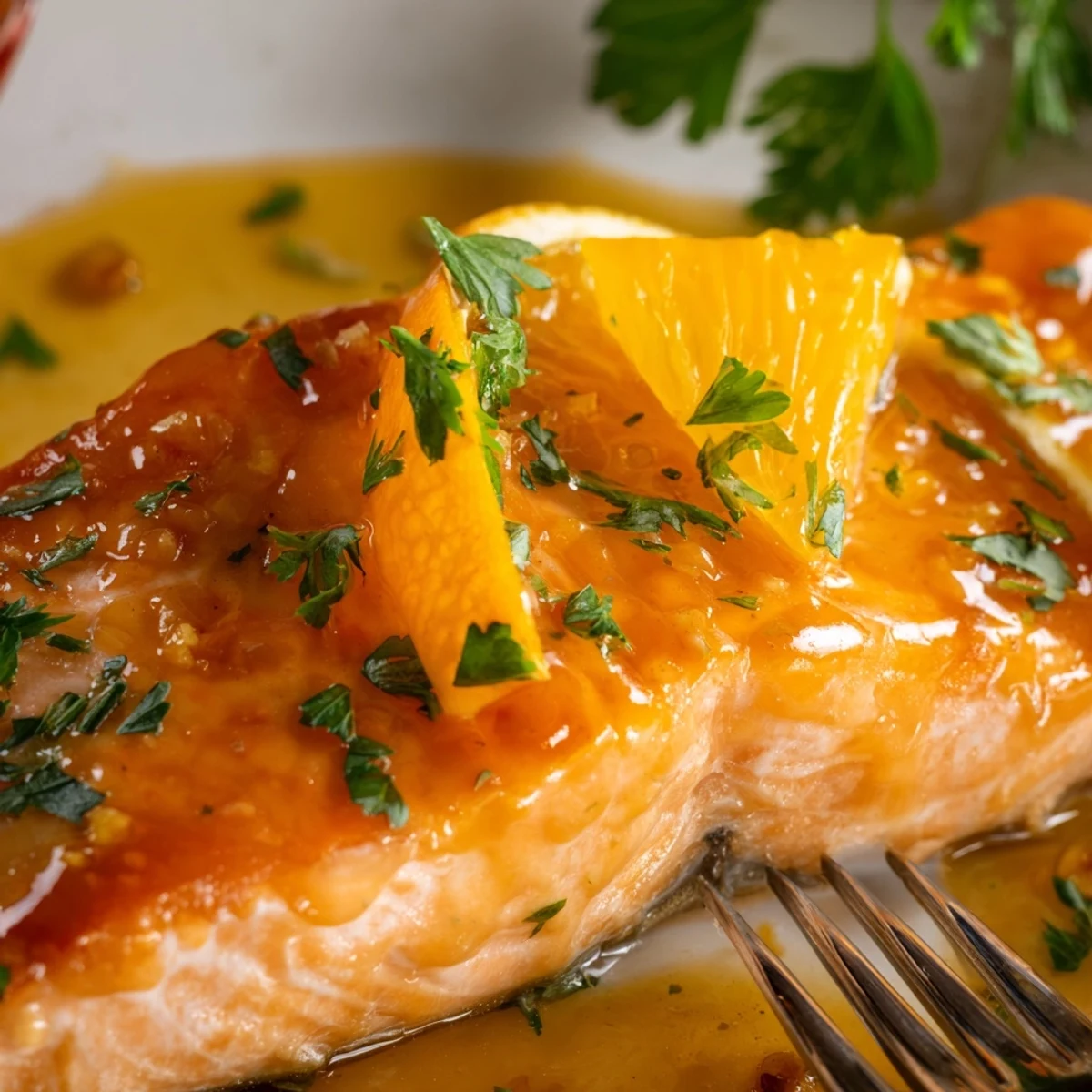
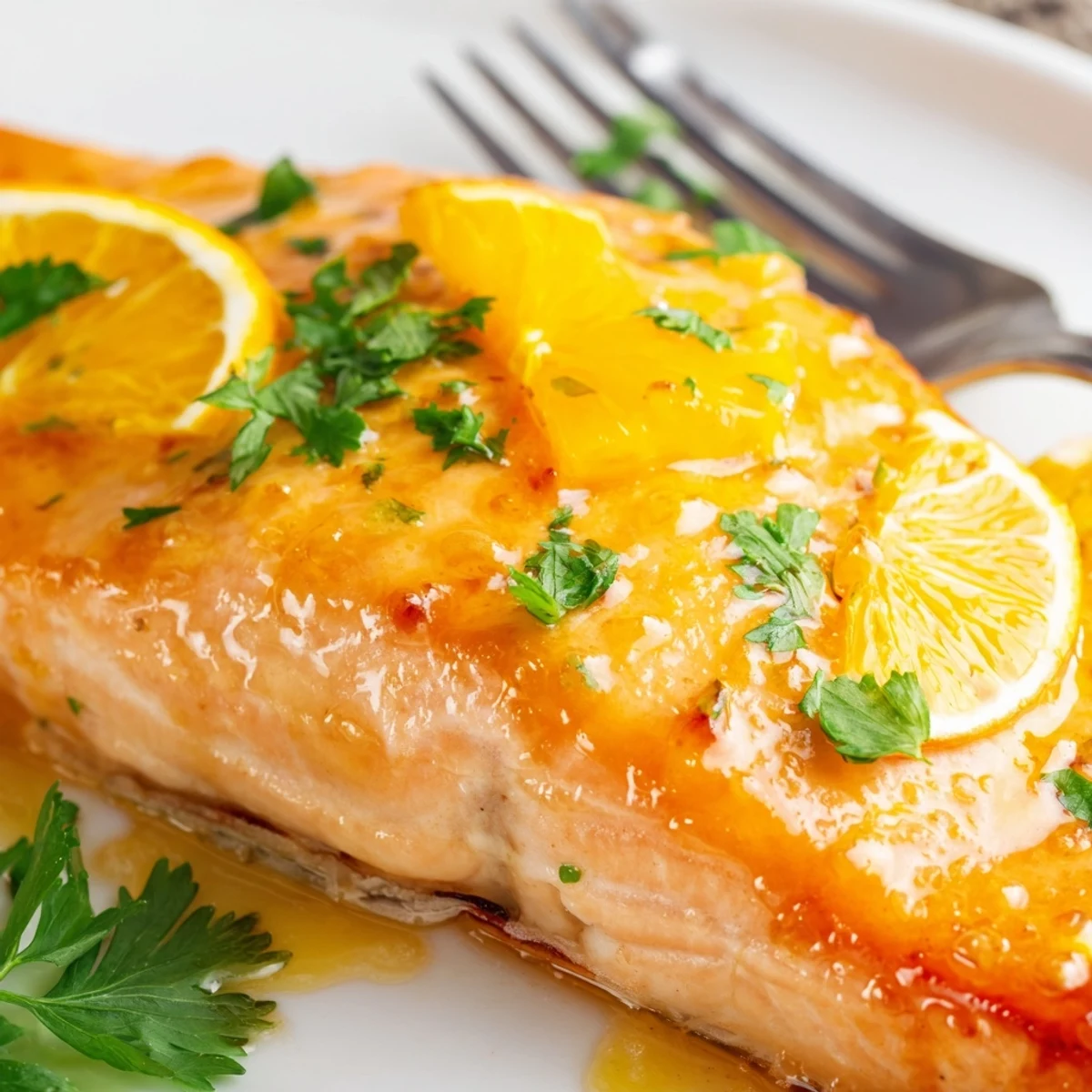
Save Tender salmon fillets are baked to perfection and topped with a vibrant orange glaze. The combination of fresh citrus, honey, and a hint of soy creates a beautifully balanced sauce that complements the rich fish. Ready in just 30 minutes, this dish works equally well for casual weeknight dinners or elegant entertaining.
The first time I made orange glazed salmon, I was trying to impress someone with what I called a 'fancy dinner' but was actually just desperation and a bag of oranges from the discount bin. The glaze burnt slightly because I got distracted answering the door, but somehow that little bit of char made everything taste better. Now I burn it on purpose sometimes.
Last Tuesday my roommate walked in mid glaze simmering and asked what smelled like a fancy brunch spot. We ate it standing up at the counter because neither of us could wait to sit down properly. The salmon was so tender it fell apart when I tried to move it to the plate, but nobody cared about presentation.
Ingredients
- 4 salmon fillets: Skin on helps keep the fish moist and protects it from direct heat, but skinless works if that is what you have or prefer
- 1 tablespoon olive oil: Creates a beautiful barrier between the fish and glaze while adding richness
- 1/2 teaspoon salt: Salmon needs salt to pop, do not be shy here
- 1/4 teaspoon freshly ground black pepper: Freshly ground makes a noticeable difference in the glaze
- 1/2 cup freshly squeezed orange juice: Bottled juice works but fresh gives you that bright, zesty brightness that defines this dish
- 2 tablespoons honey: Balances the acidity and helps the glaze cling to the fish
- 1 tablespoon low sodium soy sauce: Adds depth and umami without overpowering the citrus
- 1 teaspoon orange zest: This is where all the fragrant orange oil lives, do not skip it
- 1 teaspoon Dijon mustard: Helps the glaze emulsify and adds a subtle sharpness
- 1 teaspoon cornstarch mixed with 1 tablespoon cold water: The secret to getting that restaurant style glossy finish
- Chopped fresh parsley and orange slices: Makes it look like you tried harder than you actually did
Instructions
- Get your oven ready:
- Preheat to 400°F and line a baking sheet with parchment paper unless you enjoy scrubbing baked on glaze
- Prep the salmon:
- Pat those fillets completely dry with paper towels, rub with olive oil, and season generously with salt and pepper
- Make the magic glaze:
- Combine orange juice, honey, soy sauce, zest, and mustard in a small saucepan and bring to a gentle simmer
- Thicken it up:
- Whisk in your cornstarch slurry and cook for 1 to 2 minutes until it coats the back of a spoon
- Glaze and bake:
- Brush a generous layer over each fillet and bake for 12 to 15 minutes until it flakes easily with a fork
- Finish with flair:
- Drizzle with any remaining glaze and hit it with parsley and orange slices if you are feeling fancy
 Save
Save My dad still talks about the time I made this for his birthday, mostly because I forgot to buy dessert and pretended the elaborate orange garnish was the planned finale. He requested it for Thanksgiving instead of turkey last year.
Making It Your Own
Sometimes I swap in maple syrup for the honey when I want a deeper, more autumnal flavor profile. A pinch of red pepper flakes in the glaze creates this incredible sweet heat situation that keeps everyone guessing.
Side Dish Magic
Steamed jasmine rice soaks up the extra glaze like nobody's business. Roasted asparagus with garlic mirrors the citrus notes perfectly without competing for attention.
Make Ahead Strategy
The glaze can be made up to three days ahead and stored in the refrigerator. Just warm it gently before brushing onto the fish.
- Bring the glaze to room temperature for smoother brushing
- Double the batch because you will want extra for drizzling
- Never refrigerate glazed raw salmon, the acid starts cooking the fish
 Save
Save This recipe taught me that elegant food does not require complicated techniques or expensive ingredients. Sometimes it is just about knowing when to glaze and when to walk away.
Common Questions
- → How do I know when the salmon is done?
-
The salmon is done when it flakes easily with a fork and appears just opaque in the center. The internal temperature should reach 145°F. Avoid overcooking, as the salmon will continue cooking slightly after removing from the oven.
- → Can I use frozen salmon fillets?
-
Yes, thaw frozen salmon in the refrigerator overnight before cooking. Pat them thoroughly dry with paper towels to remove excess moisture, which helps the glaze adhere properly and ensures even cooking.
- → What can I substitute for the soy sauce?
-
Use tamari for a gluten-free option with similar flavor. For a soy-free alternative, try coconut aminos, which provide a slightly sweeter, umami-rich taste. Adjust the quantity to taste as coconut aminos are typically milder.
- → How can I make the glaze thicker?
-
Simmer the glaze for a few extra minutes to reduce it further, or increase the cornstarch slightly. Remember it will continue thickening as it cools. If it becomes too thick, whisk in a small amount of orange juice or water.
- → What sides pair well with this salmon?
-
Steamed rice, quinoa, or roasted vegetables complement the bright flavors. Asparagus, green beans, or Brussels sprouts roasted with olive oil work beautifully. The citrus notes also pair well with a simple arugula salad.
- → Can I prepare the glaze ahead of time?
-
Absolutely. Make the glaze up to 2 days in advance and store it in an airtight container in the refrigerator. Reheat gently over low heat, whisking to combine, before brushing over the salmon.
