
 Save
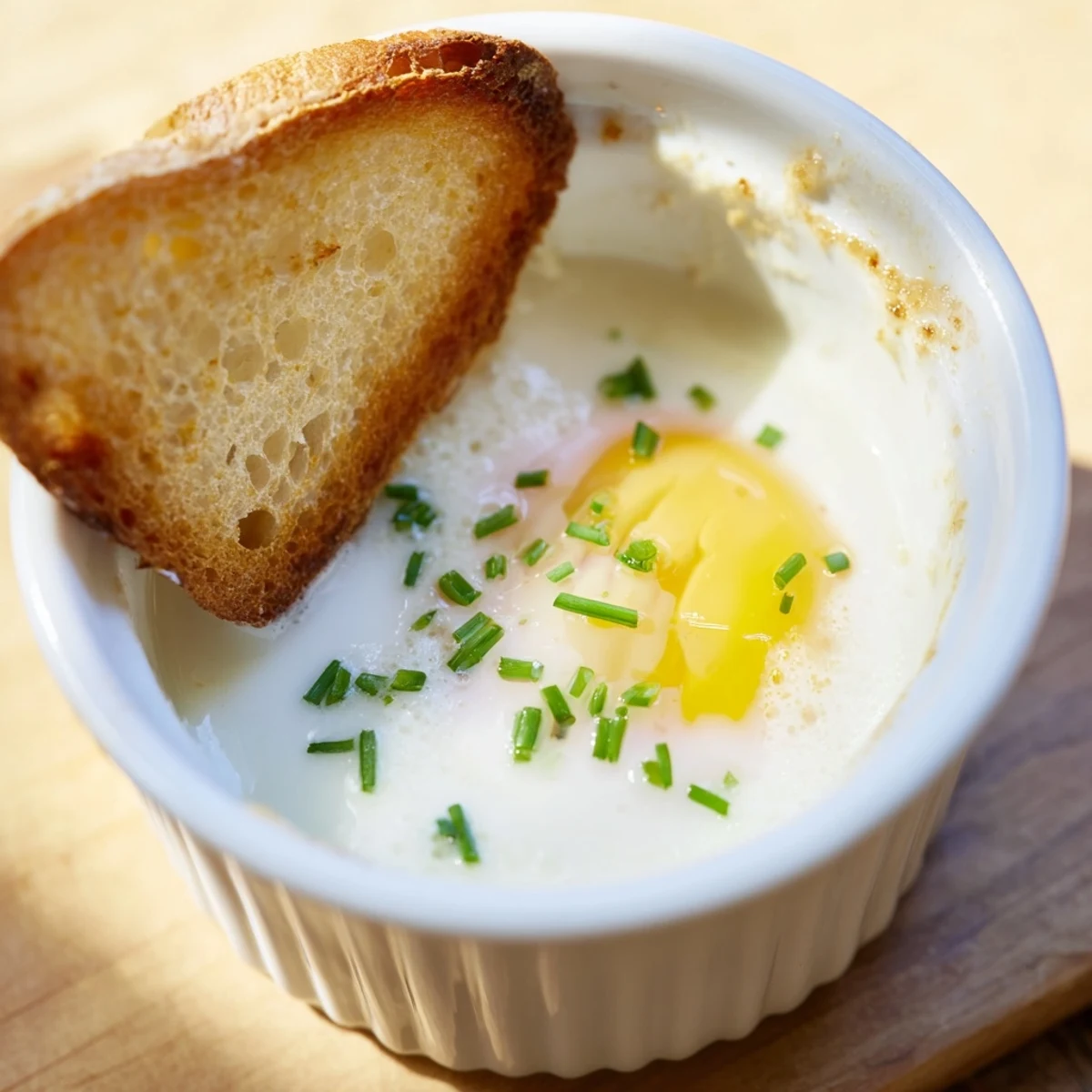
Save This dish features eggs baked gently in cream until soft, accompanied by toasted bread brushed with butter. Prepared using a bain-marie method, the eggs achieve a delicate texture while the toast adds a crunchy, buttery contrast. Optional herbs and seasoning enhance the flavor, making it a light, satisfying meal ideal for breakfast or brunch occasions.
There's something about a baked egg in a ramekin that makes an ordinary Tuesday morning feel like a small celebration. I discovered this dish quite by accident, actually—I'd overslept, had barely any time before a video call, and decided to crack an egg into a buttered dish instead of scrambling it. Fifteen minutes later, with golden toast soldiers waiting beside it, I realized I'd stumbled onto something that felt almost luxurious in its simplicity. Now it's become my go-to when I want breakfast to feel intentional without fussing for hours.
I remember making this for my sister on a slow Saturday morning when she'd stayed over, and watching her dip a buttery toast soldier into that warm, runny yolk felt like watching someone discover their new favorite thing in real time. She's not someone who usually gets excited about breakfast, but she devoured it and asked if I'd make it again the next visit. That's when I knew this wasn't just a convenient weekday thing—it was actually something worth making for people you care about.
Ingredients
- Eggs (2 large): The star here, so use the best ones you can find; fresher eggs have richer, more vibrant yolks that make a real difference.
- Heavy cream (2 tbsp) or milk: This adds a silky cushion around the egg, making it feel almost decadent; if you're using milk, it still works beautifully, though cream is the luxe choice.
- Unsalted butter (1 tbsp, plus extra for greasing):
- Bread (2 slices of rustic or sandwich bread): Choose something with enough structure to hold butter and hold up to dunking without falling apart.
- Salt and freshly ground black pepper: Don't skip the fresh pepper; pre-ground tastes stale against the delicate egg.
- Fresh chives or parsley (1 tbsp, optional): A sprinkle on top adds color and a fresh, subtle note that makes people think you planned this all along.
Instructions
- Heat your oven and prepare the vessels:
- Set your oven to 180°C (350°F) and butter two small ramekins generously—you want them slick so the baked egg releases easily. This takes literally thirty seconds but makes everything easier.
- Crack and season:
- Crack one egg carefully into each ramekin, pour a tablespoon of cream over each one, then season with salt and pepper. Go gentle with the seasoning since it won't distribute much further.
- Create the water bath:
- Place your ramekins in a slightly larger baking dish and pour hot water into that outer dish until it comes halfway up the sides of the ramekins. The water insulates the eggs so they cook gently, evenly, and stay creamy instead of rubbery.
- Bake to perfection:
- Slide everything into the oven for 12 to 15 minutes, checking around the 12-minute mark—you want the whites set and opaque but the yolk still soft and jiggly when you gently shake the ramekin. This is the hardest part: learning to pull them out at exactly the right moment.
- Toast while the oven works:
- While the eggs bake, pop your bread in the toaster and get it golden. Butter it immediately while it's hot so the butter melts properly and coats every crevice.
- Cut and plate:
- Slice the buttered toast into long, thin strips (these are called soldiers, which is why this feels fun). Carefully remove the hot ramekins from the water bath and sprinkle with fresh herbs if you have them.
- Serve straight away:
- Transfer to plates and serve immediately so the toast is still warm and the egg is still soft; everything tastes better when it's in that perfect moment.
 Save
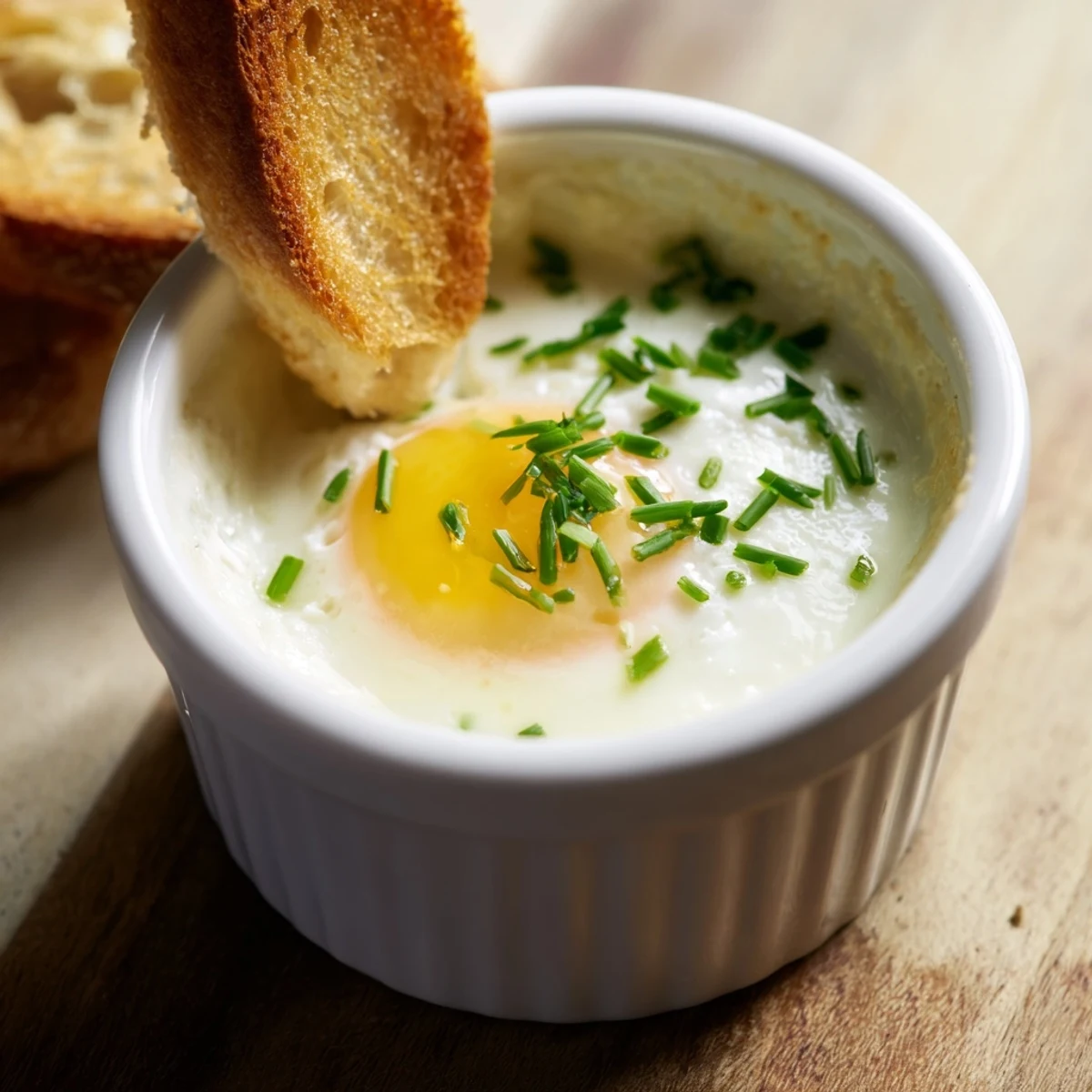
Save This dish became more than breakfast when I realized it was the meal where my usually rushed mornings actually slowed down. I'd stand there with coffee in hand, watching the oven light, and somehow those 15 minutes felt like permission to not be in a hurry for once.
The Secret to Perfectly Soft Yolks
The whole trick to this dish comes down to respecting gentle heat and knowing your oven. Every oven runs a little differently, so the first time you make this, set a timer for 12 minutes and actually peek in—you're looking for the whites to turn from clear to opaque, and the yolk to still have a slight jiggle when you move the ramekin. Once you've made it twice, you'll know exactly how long your oven needs, and after that it becomes muscle memory.
Making It Feel Special
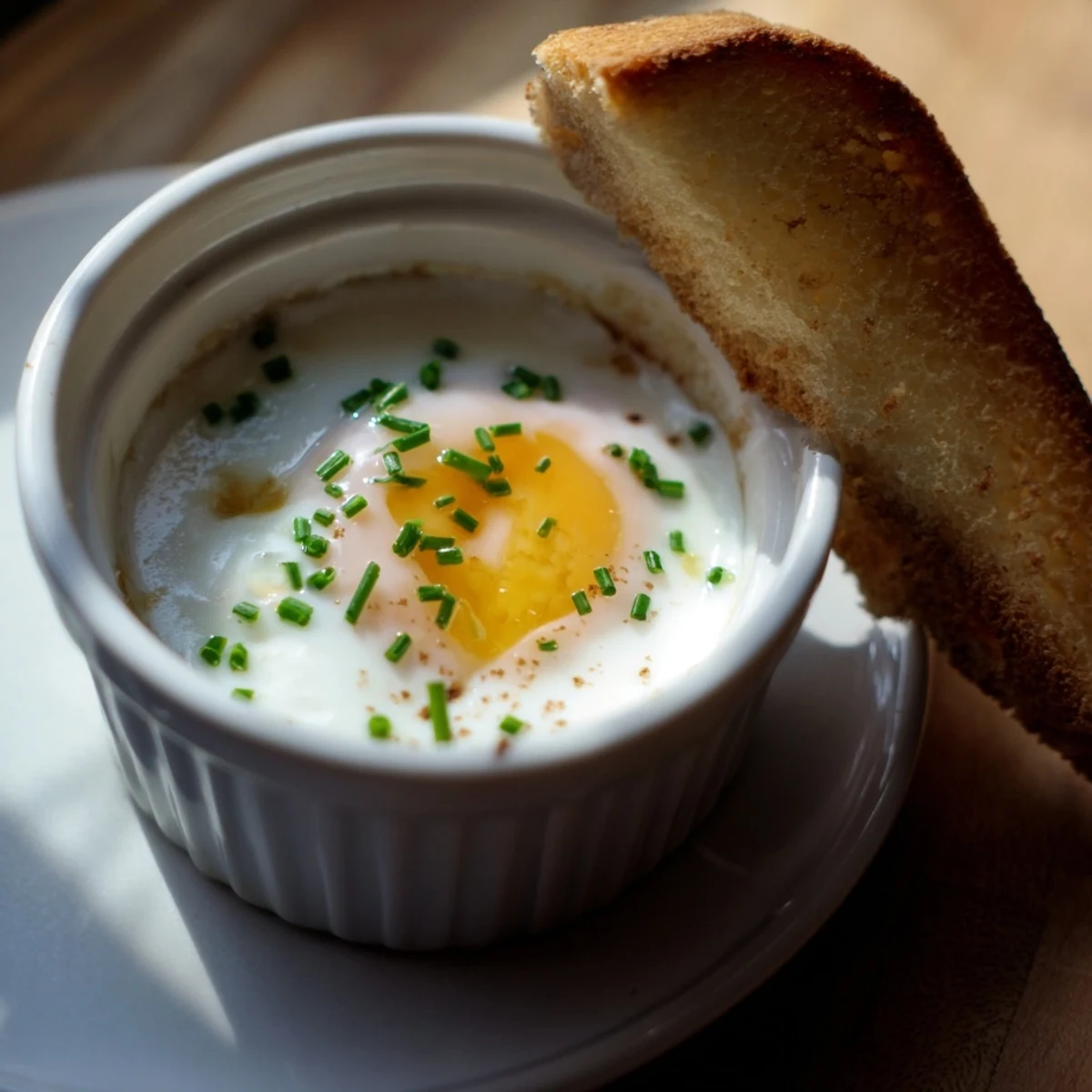
The reason this feels elegant is partly because of how you present it. Using proper ramekins instead of a mug or bowl matters; the porcelain stays hot and makes the whole thing feel intentional. Cutting the toast into thin soldiers instead of just buttering a whole slice transforms it from toast into something you actively dunk and dip, which somehow tastes better.
Variations That Still Work
Once you've mastered the basic version, you can play gently. A tiny pinch of grated cheese (Gruyère or Parmesan) melts into the cream and adds depth, or a spoonful of cooked ham tucked under the egg before baking gives it a richer, saltier note. Even a single pinch of smoked paprika wakes everything up. The magic is that baked eggs are forgiving enough to handle subtle additions without becoming complicated.
- Try a sprinkle of Gruyère or aged Cheddar before baking for a savory deepness that feels indulgent.
- Crumbled bacon or diced cooked ham tucked under the egg adds protein and a smoky richness without overwhelming the delicate yolk.
- A tiny pinch of smoked paprika, fresh thyme, or even a whisper of truffle oil elevates it if you're cooking for someone special.
 Save
Save This is the kind of breakfast that makes you feel like you're taking care of yourself without any performance or stress. Make it often, share it with people, and watch it become one of those simple things that means more than it has any right to.
Common Questions
- → How long should I bake the eggs?
-
Bake the eggs for 12–15 minutes until the whites are set but yolks remain soft for the best texture.
- → What type of bread works best for this dish?
-
Rustic or sandwich bread works well, especially when toasted to golden and buttered, but sourdough or whole grain are great alternatives.
- → Can I add extra flavor to the baked eggs?
-
Yes, try sprinkling grated cheese or chopped cooked ham over the eggs before baking for added richness.
- → What is the purpose of the bain-marie method?
-
Using a bain-marie gently cooks the eggs by surrounding ramekins with hot water, ensuring even cooking and a creamy texture.
- → How can I make this dish dairy-free?
-
Substitute the cream with non-dairy milk and use oil instead of butter for greasing and toasting the bread.
