
 Save
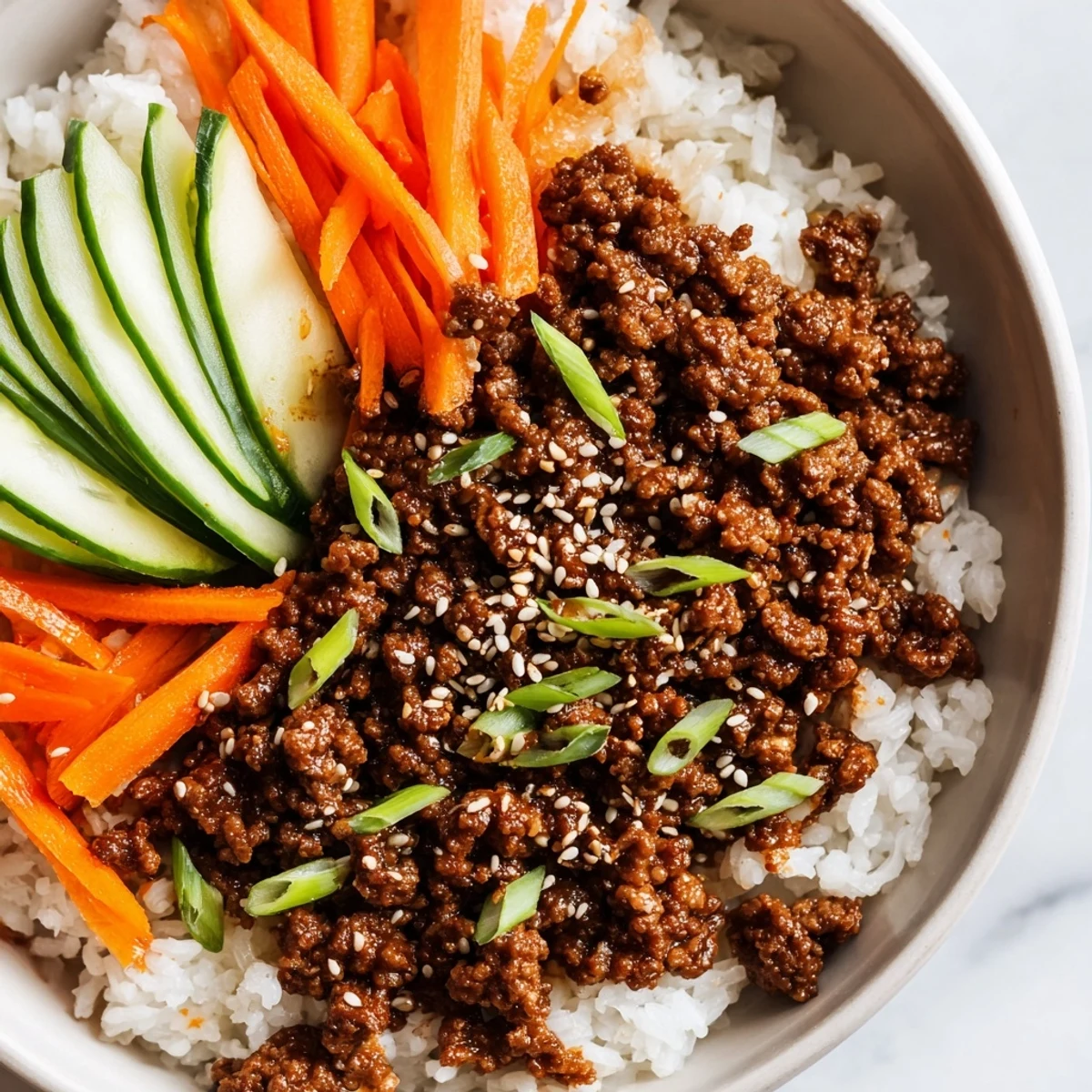
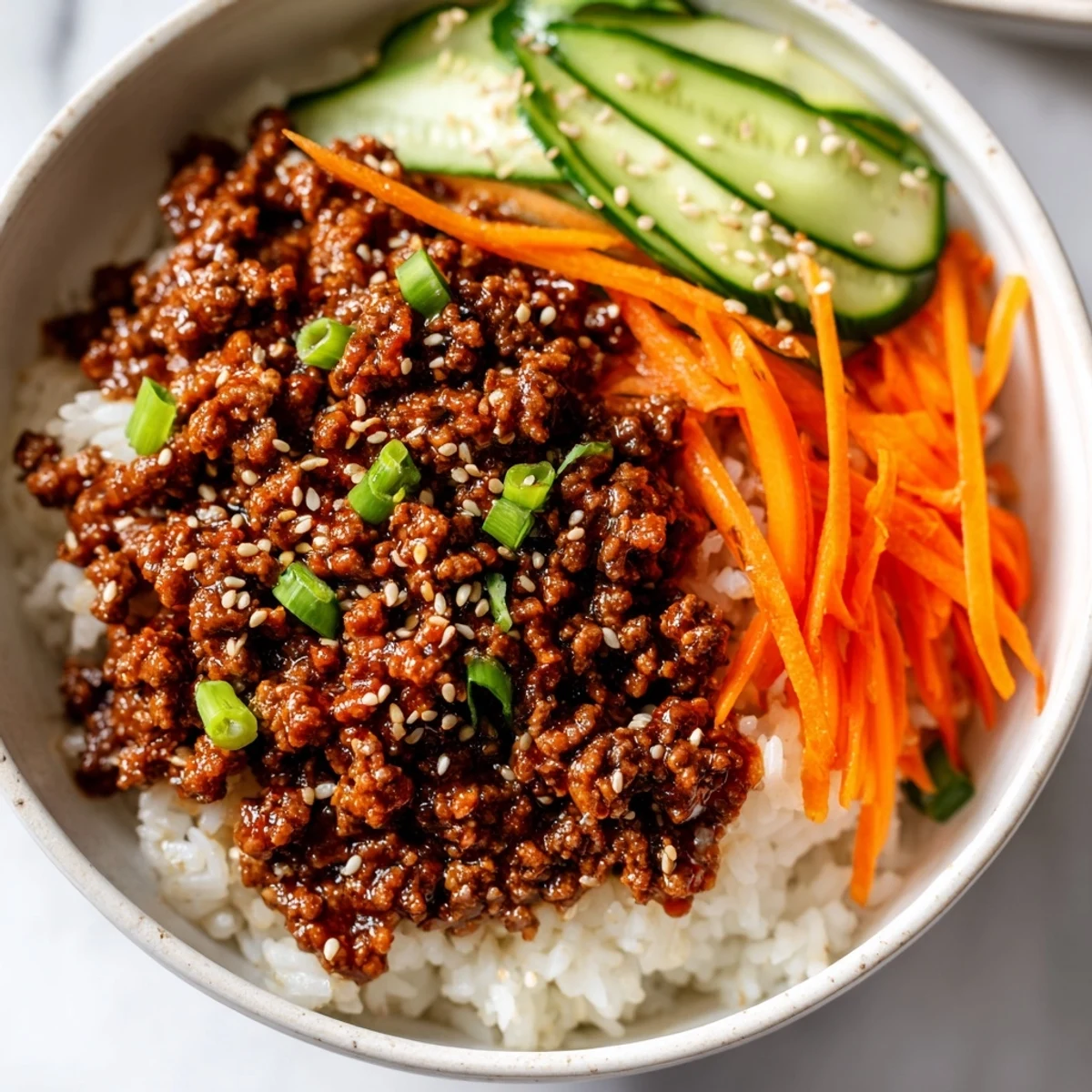
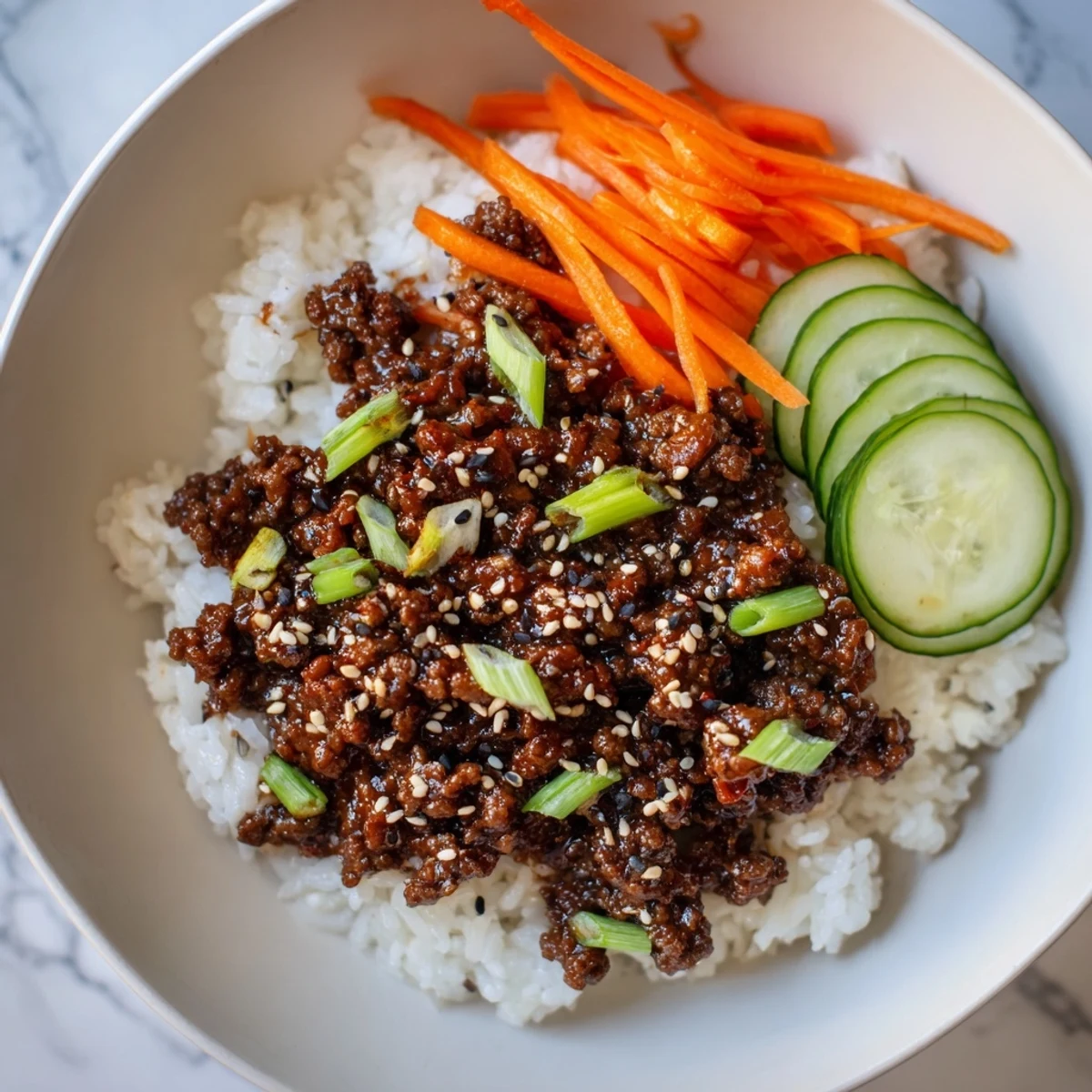
Save These Korean-inspired bowls feature seasoned ground beef cooked in a savory sauce with soy sauce, sesame oil, garlic, ginger, and gochujang. Served over steamed jasmine rice and topped with fresh julienned carrots, cucumber slices, scallions, and toasted sesame seeds. The entire dish comes together in just 25 minutes, making it ideal for satisfying weeknight meals. Adjust the heat level by varying the gochujang or red pepper flakes, and customize with your favorite toppings like kimchi or fresh cilantro.
The first time I made Korean beef bowls, my tiny apartment smelled so incredible that my neighbor actually knocked on my door to ask what I was cooking. I had just discovered gochujang at an Asian market and was experimenting with it in everything. Now this recipe lives in my regular weeknight rotation because it comes together faster than takeout delivery would arrive.
Last Tuesday my partner came home exhausted after a brutal day at work, and I had these bowls ready in exactly 23 minutes. Watching them take that first bite and seeing their shoulders actually drop three inches made my entire evening better too.
Ingredients
- 500 g lean ground beef: Ground beef absorbs all that Korean-inspired sauce beautifully and cooks up quickly with great texture
- 60 ml low-sodium soy sauce: Starting with low-sodium lets you control the salt level since the other ingredients add plenty of savory depth
- 2 tbsp light brown sugar: This caramelizes slightly in the pan and balances the soy sauce with just the right amount of sweetness
- 1 tbsp sesame oil: Toasted sesame oil adds that unmistakable nutty aroma that makes this dish taste authentic
- 4 garlic cloves, minced: Fresh garlic is non-negotiable here, it builds the aromatic foundation of the entire sauce
- 1 tbsp freshly grated ginger: Use a microplane or smallest grater holes to get a smooth paste that incorporates evenly
- 1 tbsp gochujang: This Korean chili paste brings heat and fermentation depth, though red pepper flakes work in a pinch
- 2 tsp rice vinegar: A splash of acidity cuts through the rich beef and ties all the flavors together
- 300 g jasmine rice: Jasmine rice has natural floral sweetness that complements the Korean-style sauce perfectly
- 2 medium carrots, julienned: Fresh carrots add crunch and color that contrast beautifully with the warm beef
- 1 small cucumber, thinly sliced: Cool cucumber provides refreshing relief from the spiced beef
- 4 scallions, thinly sliced: The mild onion flavor ties into the Korean flavor profile without being overwhelming
- 2 tbsp toasted sesame seeds: These add little pops of nutty flavor and make the bowls look restaurant-quality
Instructions
- Get your rice going first:
- Rinse the jasmine rice under cold water until it runs clear, then combine with 480 ml water in a saucepan. Bring it to a boil, reduce to a gentle simmer, cover tightly, and let cook undisturbed for 12 to 15 minutes until all water is absorbed.
- Whisk up the magic sauce:
- In a small bowl, combine the soy sauce, brown sugar, sesame oil, minced garlic, grated ginger, gochujang, and rice vinegar. Whisk until the brown sugar is completely dissolved and the mixture is smooth and glossy.
- Brown the beef perfectly:
- Heat a large skillet over medium-high heat and add the ground beef. Use a spatula to break it into small crumbles as it cooks, letting it get nicely browned all over for about 5 minutes before draining any excess fat.
- Coat everything in glaze:
- Pour that beautiful sauce over the browned beef and stir constantly for 2 to 3 minutes. Watch how the sauce thickens slightly and clings to each piece of beef, becoming fragrant and glossy.
- Build your bowls:
- Divide the fluffy steamed rice among four bowls and top with generous portions of the glazed beef. Arrange the carrots, cucumber, scallions, and sesame seeds on top in sections for that gorgeous rainbow effect.
- Serve it up immediately:
- These bowls are best enjoyed hot while the beef is still sizzling slightly. Add kimchi or cilantro if you have them, and watch everyone customize their own perfect bite combinations.
 Save
Save My friend Sarah claimed she hated Korean food until I made this for her, and now she requests it every time she comes over. There is something about the combination of hot spiced beef and cool fresh vegetables that just works on every level.
Making It Your Own
Once you have the basic sauce ratio down, this recipe becomes a canvas for whatever vegetables you have in your crisper drawer. Sometimes I add shredded cabbage or spinach if that is what needs using up.
Meal Prep Magic
These bowls actually keep beautifully in the fridge for up to 4 days, though I recommend storing the fresh vegetables separately and adding them just before eating. The sauce continues to develop flavor overnight, making leftovers even better than the first night.
Serving Suggestions
I like to set out small bowls of extra gochujang and kimchi so everyone can customize their spice level. A simple side of steamed broccoli or sautéed bok choy rounds out the meal nicely if you want extra greens.
- Fried eggs on top make this an incredible breakfast-for-dinner situation
- Pickled radishes add authentic Korean flavor and beautiful color contrast
- A drizzle of sriracha mayo over the top creates an extra creamy element
 Save
Save There is something deeply satisfying about a meal that looks impressive but comes together on a busy weeknight. Hope this becomes one of your go-to comfort dinners too.
Common Questions
- → Can I use ground turkey instead of beef?
-
Yes, ground turkey works well as a lighter alternative. You may need to add a small amount of oil since turkey is leaner than beef.
- → How spicy is this dish?
-
The heat level is adjustable with gochujang or red pepper flakes. Without these, it's mildly savory. Add them gradually to reach your desired spice level.
- → Can I make this gluten-free?
-
Substitute tamari for soy sauce and ensure your gochujang is gluten-free. Many brands offer gluten-free versions of Korean chili paste.
- → How long do leftovers keep?
-
Store components separately in airtight containers. The beef mixture keeps for 3-4 days in the refrigerator. Reheat gently and assemble bowls when ready to serve.
- → What rice works best?
-
Jasmine or short-grain white rice are traditional choices. Brown rice adds nuttiness and fiber but requires longer cooking time.
- → Can I prepare components ahead?
-
The sauce can be whisked together a day in advance. Vegetables may be prepped and stored in water to maintain crispness. Cook beef fresh for best texture.
